
As the holiday season rolls in, neighborhoods come alive with twinkling lights, cheerful music, and towering Christmas inflatables. From giant snowmen to dancing Santas, these eye-catching decorations bring joy — but they can also be frustrating when they collapse overnight. If you’ve woken up to a deflated reindeer or a sagging sleigh, you’re not alone. Many homeowners face this issue, especially during colder months. The good news is that understanding the science behind the problem and applying practical solutions can keep your display standing strong through December.
The Science Behind Inflatable Deflation in Cold Weather
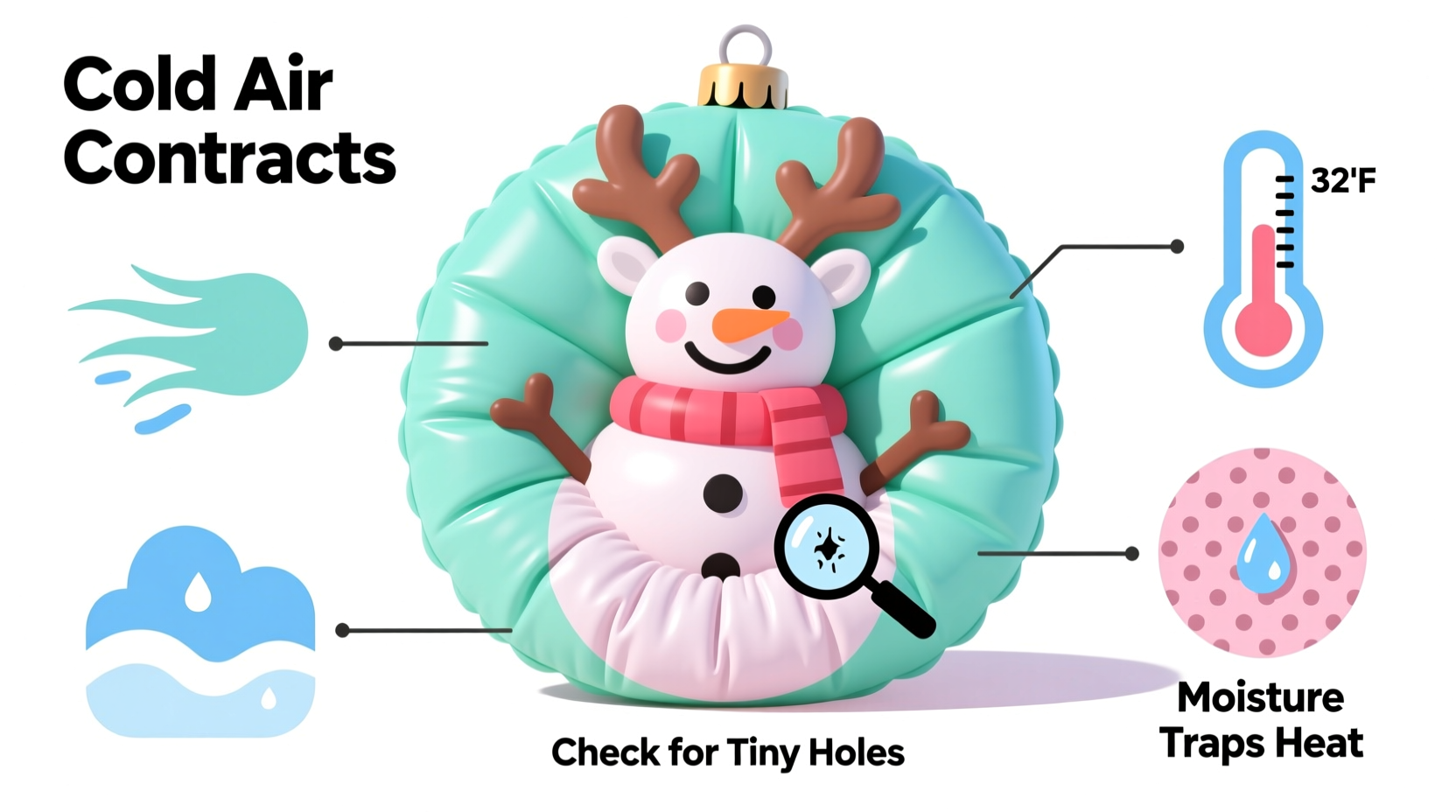
At first glance, it may seem like your inflatable has sprung a leak or its fan failed. But more often than not, the culprit is simple physics: air contracts when temperatures drop. Most outdoor inflatables rely on internal fans to maintain constant airflow, keeping them rigid and upright. These fans draw in ambient air and circulate it continuously through the seams and chambers of the decoration.
When nighttime temperatures plummet, the air inside the inflatable cools rapidly. As air cools, its molecules slow down and move closer together, reducing volume. This contraction causes visible sagging or partial deflation. While the structure may appear flat, it hasn’t necessarily lost air permanently — just temporarily compressed due to thermal changes.
“Cold-induced deflation is a natural response to temperature shifts, not always a sign of malfunction. Understanding this helps prevent unnecessary repairs.” — Dr. Alan Reeves, HVAC and Materials Specialist
This phenomenon is similar to what happens when a basketball feels softer in winter or car tires lose pressure during cold snaps. It’s not a defect — it’s thermodynamics at work.
Why Some Inflatables Stay Up While Others Collapse
Not all inflatables behave the same way in cold weather. Several factors determine whether yours will stay firm or go limp by dawn:
- Fan Power and Design: Higher-quality inflatables use stronger, more consistent fans that compensate for air loss due to cooling. Budget models may have weaker motors that struggle to maintain pressure.
- Material Thickness: Thicker vinyl or polyester resists air seepage better and retains internal warmth slightly longer.
- Seam Integrity: Over time, seams degrade. Even microscopic tears increase air leakage, compounding the effects of cold contraction.
- Location and Exposure: Inflatables placed in open, windy areas cool faster and lose heat more quickly than those sheltered near walls or under eaves.
Practical Cold-Weather Tips to Prevent Overnight Deflation
You don’t need to take down your display just because winter arrived. With a few strategic adjustments, most inflatables can remain fully inflated even in sub-freezing conditions.
1. Position for Maximum Sun Exposure During the Day
Allow your inflatable to absorb solar heat during daylight hours. Placing it where it receives direct sunlight — even for a few hours — warms the internal air, helping offset nighttime cooling. South-facing lawns are ideal in the Northern Hemisphere.
2. Use Windbreaks to Reduce Cooling Effects
Wind accelerates heat loss. Position your inflatable near a fence, bush, or house wall to create a buffer. Avoid placing it in wide-open spaces where wind can sweep underneath and around it.
3. Inspect and Seal Micro Leaks Regularly
A small tear or loose seam can turn into a major air escape route when combined with cold contraction. Conduct weekly checks using soapy water: spray along seams and look for bubbles indicating leaks. Patch with vinyl repair tape or a patch kit designed for inflatables.
4. Elevate Off the Ground
Snow, ice, and damp grass conduct cold directly into the base of the inflatable. Use a tarp, wooden pallet, or plastic sheet to create a barrier between the decoration and the ground. This also prevents moisture absorption, which adds weight and strain.
5. Consider a Thermal Cover (Overnight Only)
If extreme cold is forecast, drape a lightweight thermal blanket or insulated tarp over the inflatable at night. Remove it each morning to prevent overheating and allow the fan to operate freely. Do not cover while the fan is running unless the fabric is breathable and won’t block airflow.
6. Upgrade to Cold-Weather Models
Some manufacturers design inflatables specifically for colder climates. These often feature dual fans, insulated chambers, or reflective linings to retain heat. Look for labels like “all-weather,” “heavy-duty fan,” or “cold-climate tested” when shopping.
Step-by-Step Guide: Preparing Your Inflatable for Winter Nights
Follow this routine every evening or before extended cold spells to maximize performance:
- Evening Inspection (5 minutes): Check for tears, frayed cords, or debris caught in the fan intake.
- Clean Intake Vents (3 minutes): Use a soft brush to remove leaves, dust, or spider webs blocking airflow.
- Secure Anchors (5 minutes): Ensure stakes or sandbags are tight. Cold winds can shift decorations, stressing seams.
- Apply Temporary Insulation (Optional, 10 minutes): Drape a breathable cover over the top only — never seal the fan outlet.
- Monitor First Hour (Passive): Watch how quickly it reinflates after turning on. Slow inflation suggests airflow issues.
- Morning Routine: Remove covers, check for condensation, and let it run for 10 minutes before inspecting shape.
Do’s and Don’ts: Cold-Weather Inflatable Care
| Do | Don’t |
|---|---|
| Do use ground tarps to insulate from snow and ice. | Don’t place directly on wet grass or bare soil. |
| Do patch leaks immediately with vinyl-safe adhesive. | Don’t use duct tape — it degrades in UV light and peels off. |
| Do store extra stakes and repair kits nearby. | Don’t leave under heavy snow accumulation. |
| Do run the fan daily to prevent mold and stiffness. | Don’t unplug and forget for days during active season. |
| Do consider a timer to automate operation. | Don’t leave on 24/7 if local ordinances restrict lighting hours. |
Real Example: How One Homeowner Fixed Recurring Deflation
In Denver, Colorado, homeowner Maria Tran installed a 12-foot inflatable Santa in early November. By mid-December, nightly freezes caused repeated deflation. She assumed the fan was failing and nearly replaced it. Instead, she followed a systematic approach:
- First, she tested the fan indoors — it worked perfectly.
- She noticed the base sat directly on frozen soil, accelerating cooling.
- Maria placed the inflatable on a recycled wooden pallet and added a south-facing windbreak using outdoor holiday panels.
- She began covering the top with a breathable canvas tarp at night.
The result? Her Santa stayed fully inflated even during a -5°F (-20°C) cold snap. “I realized it wasn’t broken — it just needed smarter placement,” she said. “Now my neighbors ask how I keep everything looking perfect.”
Checklist: Winter-Ready Inflatable Maintenance
Use this checklist weekly during the holiday season:
- ☐ Inspect seams and attachment points for wear
- ☐ Clear fan intake of debris
- ☐ Tighten ground stakes or sandbag anchors
- ☐ Test inflation speed (should fully expand within 2–3 minutes)
- ☐ Check power cord for cracks or rodent damage
- ☐ Confirm GFCI outlet is functioning
- ☐ Wipe down surface to remove frost or dirt buildup
- ☐ Verify timer settings match sunset/sunrise times
FAQ: Common Questions About Cold-Weather Inflatable Issues
Why does my inflatable only deflate at night?
Nighttime temperature drops cause air inside the decoration to contract. If the fan can't compensate quickly enough, the structure sags. This is normal in cold climates, especially below 40°F (4°C). As daytime temperatures rise, the air expands again and the inflatable should reinflate automatically.
Can cold weather damage my inflatable permanently?
Yes, prolonged exposure to freezing temps without proper care can make materials brittle, increasing the risk of cracks or seam splits. Condensation inside the unit can freeze and expand, stressing weak points. Always allow the inflatable to dry completely before storage, and avoid folding when cold.
Should I bring my inflatable inside every night?
No — frequent inflation and deflation shorten the lifespan of both the fan and fabric. It's better to leave it up with proper protection. However, during severe storms or ice events, temporary removal may prevent physical damage. Just ensure it’s completely dry before storing.
Conclusion: Keep the Holiday Spirit Aloft All Season
Christmas inflatables are more than decorations — they’re expressions of joy, tradition, and community spirit. Seeing one collapse in the cold can feel like a holiday setback. But with an understanding of thermal dynamics and a few smart habits, you can maintain a vibrant, fully inflated display from Thanksgiving to New Year’s Day.
Prevention beats repair. A few minutes of inspection, strategic positioning, and proactive maintenance go further than replacing parts or buying new units every year. Treat your inflatables like seasonal investments: protect them, maintain them, and they’ll deliver smiles for seasons to come.




 浙公网安备
33010002000092号
浙公网安备
33010002000092号 浙B2-20120091-4
Comments
No comments yet. Why don't you start the discussion?