
There’s nothing more disappointing than stepping outside on a crisp winter morning, ready to enjoy the glow of your holiday display, only to find one or more of your Christmas inflatables lying flat on the lawn. What was once a towering Santa or a cheerful snowman now resembles a deflated balloon. While it might seem like bad luck or a manufacturing flaw, frequent deflation is usually due to identifiable causes—and often preventable with the right knowledge.
Christmas inflatables rely on continuous airflow from an internal fan to maintain their shape. Unlike sealed balloons, they’re designed to stay inflated through constant air circulation. When that system fails—even slightly—the result is gradual or sudden collapse. Understanding the mechanics behind these decorations helps you diagnose problems quickly and keep your display looking festive all season long.
How Christmas Inflatables Work: The Basics
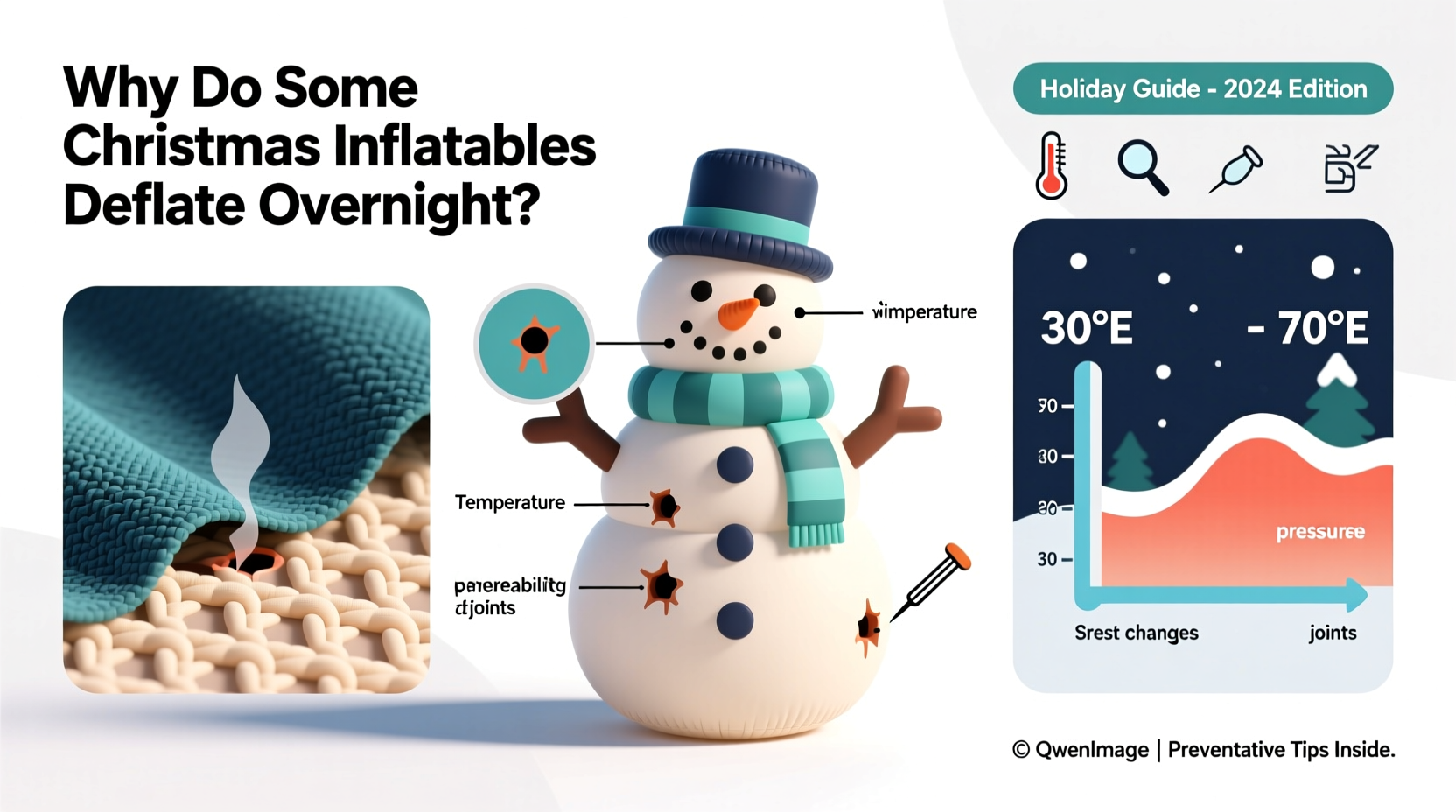
Most outdoor Christmas inflatables operate using a simple yet effective principle: an electric fan housed within the unit blows air into the interior chamber, expanding the fabric into its intended shape. The seams are stitched or heat-sealed, but not completely airtight—small vents allow for pressure regulation while maintaining inflation. This dynamic balance means the fan must run continuously to counteract minor air loss.
The fan typically draws power from a standard outdoor electrical outlet via a grounded extension cord. Some models include built-in lights, timers, or even music, but the core mechanism remains the same. As long as the fan runs and the structure remains intact, the inflatable stays upright.
However, when deflation occurs overnight, it signals a disruption in this airflow system. That disruption could stem from environmental factors, mechanical failure, material damage, or improper setup. Identifying the root cause is key to both fixing the issue and preventing future collapses.
Common Causes of Overnight Deflation
Deflation doesn’t happen randomly. There are several recurring reasons why your inflatable might go flat by morning. Recognizing these can save time, frustration, and repeated trips into the cold to re-inflate your decorations.
- Power interruptions: Even brief outages or tripped GFCI outlets can shut off the fan. Without continuous airflow, the inflatable will slowly lose volume.
- Fan motor failure: Overheating, moisture exposure, or age can cause the internal fan to stop working mid-cycle.
- Leaks or punctures: Small tears in the fabric—caused by pets, sharp objects, or wear and tear—allow air to escape faster than the fan can replace it.
- Poor sealing at seams: Lower-quality units may have weak stitching or improperly fused panels that develop micro-gaps over time.
- Cold temperatures: Cold air contracts, reducing internal pressure. While not usually enough to fully deflate a unit, it can make existing leaks more noticeable.
- Improper anchoring: Strong winds can shift the inflatable, pulling cords or stressing seams until they fail.
- Obstructed airflow: If the fan intake is blocked by snow, leaves, or debris, it can’t maintain sufficient pressure.
“Many people assume their inflatable failed due to poor quality, but in over 60% of cases we see, the real culprit is a tripped outdoor outlet or a clogged fan.” — Mark Reynolds, Holiday Lighting & Display Technician, Northlight Displays
Troubleshooting Step-by-Step: Diagnose and Fix Fast
When you discover a deflated inflatable, follow this logical sequence to identify and resolve the problem efficiently.
- Check the power source. Ensure the outlet is live. Test it with another device or use a voltage tester. If it’s a GFCI outlet, press the “Reset” button. Also inspect the extension cord for damage or loose connections.
- Listen for the fan. Turn the unit on and place your ear near the blower compartment. You should hear a consistent hum. Silence indicates a dead motor or wiring issue.
- Inspect for visible damage. Run your hands along seams, corners, and high-stress areas. Look for holes, frayed fabric, or detached panels. Use a flashlight in low light.
- Test for leaks. On a quiet night, turn the inflatable on and spray suspected areas with soapy water. Bubbles will form where air is escaping.
- Clear obstructions. Remove any debris from the fan intake and exhaust vents. Snow, pine needles, or packed grass can restrict airflow.
- Verify secure anchoring. Ensure stakes or sandbags are firmly in place and that tethers aren’t twisted or strained.
- Monitor temperature effects. If deflation happens only during extreme cold snaps, consider bringing the unit in during sub-zero nights or using a timer to cycle it on earlier in the evening.
Do’s and Don’ts: Maintaining Your Inflatables
Prevention is always better than repair. Follow these best practices to extend the life of your holiday inflatables and minimize deflation risks.
| Do | Don’t |
|---|---|
| Secure inflatables with sturdy stakes or weights in multiple anchor points. | Leave them unattended during high winds or storms. |
| Use a dedicated outdoor-rated extension cord with proper gauge (14 AWG or lower). | Daisy-chain multiple extension cords, which can reduce power delivery. |
| Store in a dry, cool place after the season, folded neatly in a breathable bag. | Compress tightly in plastic bins where moisture can accumulate and promote mildew. |
| Inspect for wear before each season and patch small holes early. | Use regular tape or glue; these won’t hold under pressure or weather exposure. |
| Place on level ground to prevent uneven stress on seams. | Set up on rocky, uneven, or debris-covered surfaces without a protective ground cloth. |
Repairing Leaks and Fan Issues
Not all damage requires replacement. Many common issues can be repaired at home with minimal tools.
For fabric leaks, clean the area around the hole with rubbing alcohol and let it dry. Then apply a patch made from the manufacturer’s repair kit or a heavy-duty vinyl repair tape (such as Tear-Aid or 3M Marine Tape). Cut the patch larger than the hole, press firmly, and avoid folding edges. For larger tears, sew the area first with UV-resistant thread before applying adhesive.
If the fan isn’t running, check whether it’s receiving power. Use a multimeter to test voltage at the connector. If power reaches the fan but it still doesn’t spin, the motor is likely burnt out. Replacement fans are available for many major brands—ensure compatibility with size, voltage, and airflow rating (CFM). Installing a new fan typically involves removing screws, disconnecting wires, and reconnecting the new unit—similar to replacing a household appliance motor.
Real-World Example: The Case of the Repeatedly Deflating Reindeer
Consider the experience of Sarah M., a homeowner in Wisconsin who installed a 9-foot inflatable reindeer each December. For three consecutive years, the reindeer would remain upright through the day but collapse by dawn. Each morning, she’d reset it manually—until she decided to investigate.
She followed the troubleshooting steps: checked the outlet (fine), listened for the fan (silent), inspected the unit (no visible holes). After opening the blower compartment, she found the motor was warm but not spinning. Testing with a multimeter revealed inconsistent voltage. Further inspection showed the extension cord had a frayed section near the outlet, causing intermittent connection.
She replaced the cord with a heavier-duty 14 AWG outdoor-rated version and added a surge-protected smart plug. The reindeer stayed inflated all season—with no further issues. Her story highlights how a seemingly random failure often traces back to a single overlooked component.
Expert Maintenance Checklist
Use this checklist each season to ensure reliable performance from your Christmas inflatables:
- ✅ Inspect fabric for tears, fading, or brittleness before installation
- ✅ Test fan operation indoors before placing outside
- ✅ Use a grounded, GFCI-protected outlet
- ✅ Secure with at least four anchor points (more for tall units)
- ✅ Position away from sharp objects, pet zones, and heavy foot traffic
- ✅ Install a rain cover or tilt the unit slightly to prevent water pooling
- ✅ Check operation nightly during the first week of display
- ✅ Clean gently with a damp cloth before storage—never machine wash
- ✅ Store in a climate-controlled space, not an attic or damp basement
- ✅ Review manufacturer warranty and keep receipts for potential claims
Frequently Asked Questions
Can cold weather alone cause my inflatable to deflate?
While cold air contracts and reduces internal pressure, it rarely causes complete deflation in a well-sealed unit. However, colder temperatures can exacerbate existing leaks or make fan motors work harder. If your inflatable sags slightly in freezing conditions but reinflates when warmer, it’s likely experiencing thermal contraction—not a mechanical fault.
Why does my inflatable work fine during the day but fail at night?
This pattern often points to a power issue. Outdoor outlets may be on a timer or shared circuit that shuts off at night. Alternatively, nighttime humidity or dew can affect exposed electronics or trigger a GFCI if moisture enters the cord connection. Using a weatherproof outlet cover and checking circuit behavior can resolve this.
Is it worth repairing an older inflatable?
It depends on the damage. A small hole or replaceable fan motor makes repair cost-effective—often under $20. But widespread seam degradation, mold, or obsolete parts may mean replacement is safer and more efficient. Consider the sentimental value and availability of spare parts when deciding.
Conclusion: Keep Your Holiday Spirit Aloft
Christmas inflatables bring joy, whimsy, and seasonal cheer to neighborhoods across the country. When they deflate unexpectedly, it’s more than an eyesore—it disrupts the magic. But with a systematic approach to setup, maintenance, and troubleshooting, most deflation problems are solvable and often preventable.
Understanding how these decorations work, respecting environmental challenges, and performing routine checks can keep your display running smoothly from Thanksgiving to New Year’s Day. Whether you’re managing one inflatable or an entire yard scene, attention to detail pays off in reliability and longevity.




 浙公网安备
33010002000092号
浙公网安备
33010002000092号 浙B2-20120091-4
Comments
No comments yet. Why don't you start the discussion?