
Every holiday season, millions of homes light up with festive Christmas displays. Yet by mid-December—or sometimes even earlier—some strings flicker and die while others shine strong through January. It’s frustrating, especially when you’ve invested time and money into your decorations. The truth is, not all Christmas lights are created equal, and how they’re used, stored, and maintained plays a major role in their lifespan. Understanding why certain lights fail prematurely allows you to make smarter choices and enjoy brighter, more reliable displays year after year.
The Science Behind Light Burnout
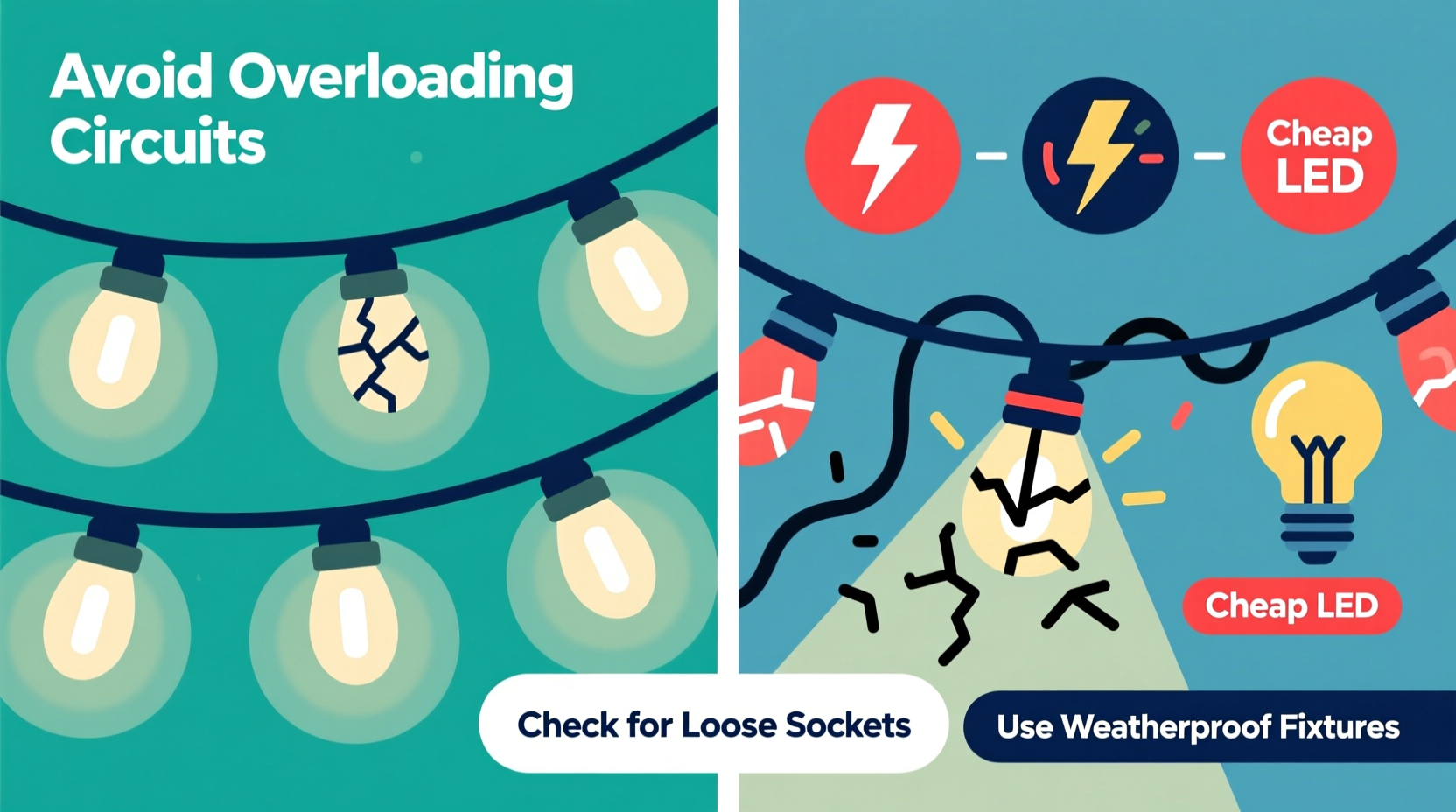
Christmas lights typically fall into two main categories: incandescent and LED. Each has different failure mechanisms that explain why one might burn out faster than another.
Incandescent bulbs generate light by heating a thin tungsten filament until it glows. Over time, this filament degrades due to thermal stress, oxidation, and vibration. When the filament becomes too weak, it breaks—causing the bulb to \"burn out.\" Because most traditional incandescent strands are wired in series, if one bulb fails, the entire string can go dark unless the faulty bulb is replaced or bypassed.
In contrast, LED (light-emitting diode) lights produce illumination through electroluminescence—a process with no fragile filament. LEDs are far more energy-efficient and durable, often rated for 25,000 to 50,000 hours of use. However, they aren’t immune to failure. Poor heat dissipation, low-quality drivers, or voltage spikes can degrade LED components over time.
The root cause of premature burnout often lies not just in the technology but in product quality and usage conditions.
What Makes Some Lights Fail Faster?
Several interrelated factors determine how long your Christmas lights last. These include manufacturing quality, environmental exposure, electrical load, and physical handling.
1. Build Quality and Materials
Cheaply made lights often use thinner wires, substandard solder joints, and poorly sealed sockets. These weaknesses lead to early failure, especially when exposed to outdoor elements. Higher-end brands invest in thicker gauge wiring, UV-resistant insulation, and better moisture protection.
2. Environmental Exposure
Lights installed outdoors face harsher conditions—moisture, temperature swings, wind, and UV radiation. Incandescent bulbs generate heat, which can cause thermal expansion and contraction in sockets, loosening connections over time. LEDs run cooler but can still suffer if water penetrates poorly sealed housings, leading to corrosion or short circuits.
3. Power Surges and Voltage Fluctuations
Plugging multiple light strings into a single outlet or using damaged extension cords can create voltage drops or surges. Even small inconsistencies in current can stress delicate components, particularly in LED systems that rely on internal transformers or resistors. Using surge protectors designed for holiday lighting helps mitigate this risk.
4. Installation Stress
Yanking lights over gutters, stretching them too tightly between hooks, or coiling them too aggressively during storage introduces mechanical stress. This can crack bulb bases, fray wires, or dislodge internal connections—any of which may cause intermittent operation or complete failure.
“Many people don’t realize that how they hang and store their lights has as much impact as the brand they buy.” — Daniel Reyes, Electrical Systems Technician with 18 years in residential lighting
Common Mistakes That Shorten Light Lifespan
Even high-quality lights won’t last if used improperly. Here are the most frequent errors homeowners make—and how to avoid them.
- Overloading circuits: Connecting too many strings end-to-end exceeds manufacturer limits, causing overheating and component failure.
- Using indoor lights outdoors: Indoor-rated sets lack weatherproofing and degrade quickly when exposed to rain or snow.
- Leaving lights up too long: Extended display periods increase wear. Most manufacturers recommend no more than 6–8 weeks of continuous use per season.
- Poor storage methods: Crushing lights in boxes or wrapping them around sharp objects damages filaments and wires.
- Ignoring manufacturer instructions: Skipping polarity rules (for LEDs), exceeding voltage ratings, or using incompatible controllers accelerates burnout.
Mini Case Study: The Neighborhood Display Dilemma
In suburban Denver, two neighbors installed nearly identical Christmas light setups in 2019. Both used 100-foot runs of multicolor mini-lights on eaves and trees. By 2022, one homeowner had replaced his strings twice, while the other hadn’t changed a single bulb.
The difference? John, whose lights failed early, bought budget packs from a discount retailer, connected six strings together (exceeding the recommended three-per-circuit limit), and left them mounted on his house from Thanksgiving to Valentine’s Day each year. He stored them wrapped tightly around a metal ladder hook, crushing several sockets.
Sarah, on the other hand, invested in commercial-grade LED strings rated for 75,000 hours. She used only three per circuit, unplugged them nightly, and stored them on cardboard spools in labeled bins. Her lights still perform perfectly today.
This real-world example underscores that longevity isn’t just about price—it’s about practice.
Do’s and Don’ts: A Quick Reference Table
| Do | Don't |
|---|---|
| Use lights rated for outdoor use when installing outside | Use indoor-only lights in wet or exposed areas |
| Follow manufacturer guidelines for maximum run length | Daisy-chain more than the recommended number of strings |
| Store lights on reels or in compartmentalized containers | Wrap lights tightly around sharp edges or furniture |
| Inspect cords and sockets annually for damage | Plug in frayed or cracked wires |
| Use timers or smart plugs to limit daily runtime | Leave lights on 24/7 throughout the season |
| Invest in surge protectors with overload indicators | Plug heavy loads into unregulated power strips |
Step-by-Step Guide to Extending Christmas Light Life
Maximizing the lifespan of your holiday lights requires consistent care across three phases: installation, operation, and storage. Follow this timeline to ensure your lights last for years.
- Before Hanging – Inspect Thoroughly
Unpack each string and examine for cracked bulbs, corroded contacts, or frayed insulation. Plug them in temporarily to test functionality. Replace or repair defective sections before installation. - Choose the Right Location
Ensure outdoor lights have a UL listing for “wet” or “damp” locations. Avoid placing near heat sources like chimneys or recessed lighting that could warp plastic covers. - Install Gently
Use plastic clips instead of nails or staples. Do not stretch wires taut—allow slight sag to absorb wind movement. Keep connections elevated above ground level to prevent water pooling. - Limit Daily Runtime
Set a timer to turn lights on at dusk and off at bedtime. Running lights 8–10 hours per day reduces heat buildup and extends LED driver life. - Monitor Weather Conditions
After heavy snow or ice storms, gently shake excess weight from branches. Never yank frozen strings—wait until thawed. Disconnect during thunderstorms to avoid lightning-induced surges. - Remove Promptly After the Holidays
Take down lights within two weeks of New Year’s Day. Prolonged exposure to winter weather increases wear, even on durable models. - Store Properly
Wrap lights loosely around a piece of cardboard, a dedicated reel, or use a storage container with built-in spools. Label each box by location (e.g., “Front Porch – Warm White”) for easy setup next year. - Test Again Before Next Season
Months of storage can reveal hidden issues. Re-test every string before reinstalling to catch early signs of deterioration.
FAQ: Frequently Asked Questions
Can I mix LED and incandescent lights on the same circuit?
No. Mixing types can cause uneven voltage distribution and reduce the lifespan of both. LEDs require less power, so connecting them with higher-draw incandescents may result in flickering or premature failure. Always group similar technologies together.
Why do my new LED lights dim over time?
This is called lumen depreciation. While LEDs rarely “burn out,” their brightness gradually decreases. Low-cost LEDs may lose 30% of output within 10,000 hours due to poor heat sinks or driver design. Opt for reputable brands with LM-80 certification, indicating tested lumen maintenance.
Is it worth repairing old light strings?
For incandescent sets, yes—if the wiring is intact. Use a bulb tester or shunt-fix tool to identify dead bulbs. For LEDs, repairs are rarely practical. Individual LEDs are soldered onto circuits, and replacing them requires technical skill. In most cases, replacement is safer and more cost-effective.
Checklist: How to Prevent Premature Burnout
- ☐ Buy UL-listed lights suitable for intended use (indoor/outdoor)
- ☐ Limit daisy-chained strings to manufacturer specifications
- ☐ Use surge protectors and grounded outlets
- ☐ Install with non-damaging clips, not nails or staples
- ☐ Run lights on a timer (6–10 hours max per night)
- ☐ Inspect for damage before and after each season
- ☐ Store on reels or in protective containers
- ☐ Keep away from pets and children who may tug on wires
- ☐ Replace any string showing discoloration, brittleness, or flickering
- ☐ Consider upgrading to commercial-grade LEDs for permanent displays
Conclusion: Shine Brighter for Longer
Some Christmas lights burn out faster than others because of differences in materials, design, and—most importantly—how they’re treated. A well-maintained set of quality lights can last a decade or more, paying for itself in savings and reducing seasonal frustration. The habits you adopt now—gentle installation, mindful usage, and careful storage—compound over time, preserving both function and nostalgia.
This holiday season, treat your lights not just as temporary decor, but as long-term investments in joy. Choose wisely, maintain diligently, and enjoy a brighter, more reliable glow for many Decembers to come.




 浙公网安备
33010002000092号
浙公网安备
33010002000092号 浙B2-20120091-4
Comments
No comments yet. Why don't you start the discussion?