
As temperatures drop and indoor heating systems kick into overdrive, many people notice an annoying but familiar phenomenon: clothes clinging uncomfortably to the body, socks sticking to pants, or hair defying gravity after removing a hat. This isn’t just a minor inconvenience—it’s static electricity in action. Static cling becomes significantly more prevalent during winter months, affecting comfort, appearance, and even mood. Understanding the science behind this seasonal issue and applying effective countermeasures can make a meaningful difference in daily life.
The root of winter static lies in environmental conditions and fabric composition. Low humidity, synthetic fibers, and friction all contribute to charge buildup. Fortunately, the problem is both predictable and manageable. With targeted strategies—from adjusting laundry routines to modifying home environments—static cling can be reduced or eliminated entirely.
The Science Behind Winter Static Cling
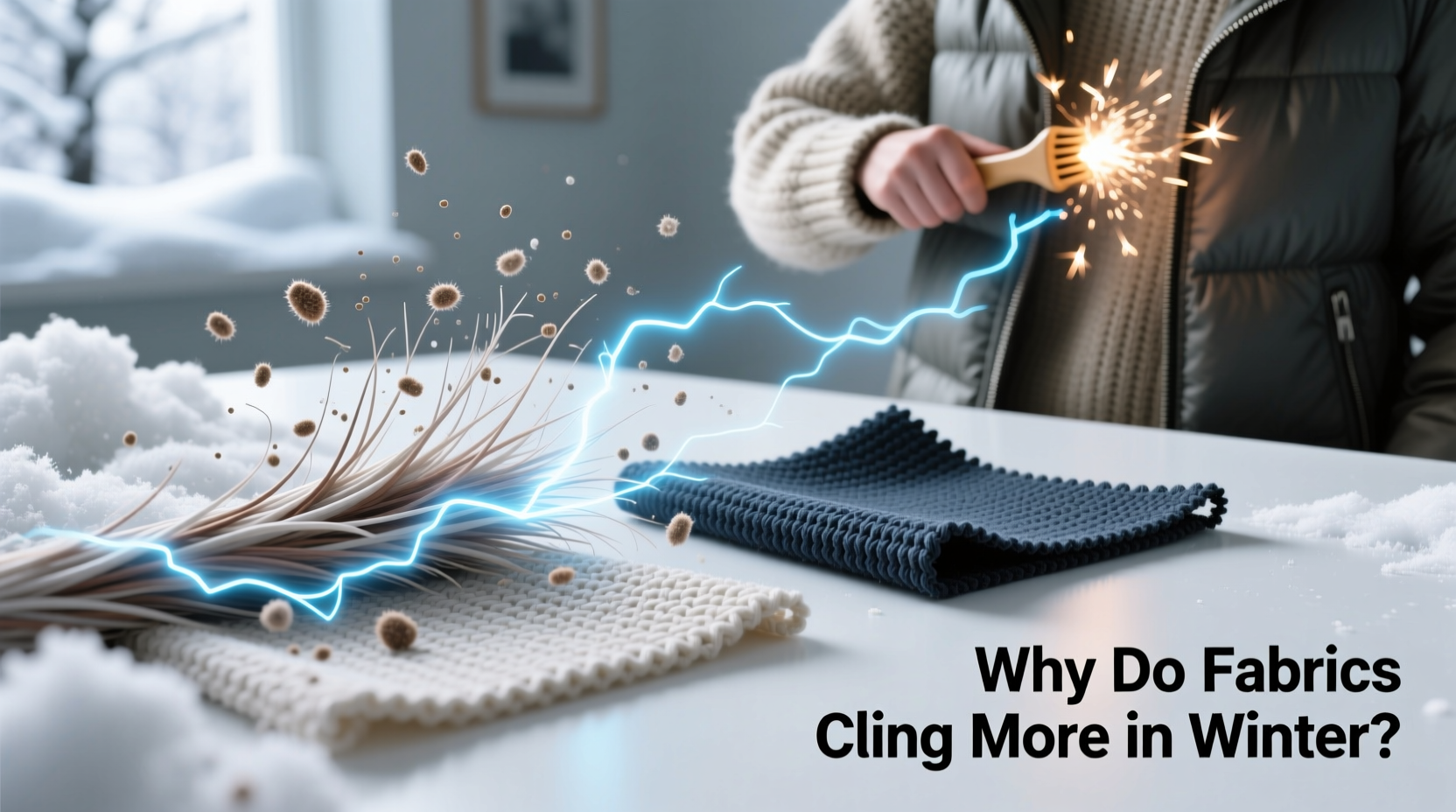
Static electricity occurs when two surfaces come into contact and then separate, causing electrons to transfer from one material to another. The surface that gains electrons becomes negatively charged, while the one losing them becomes positively charged. When these charged materials encounter a conductor—like your skin or another piece of clothing—an imbalance seeks equilibrium, resulting in a small spark or persistent cling.
In winter, the air tends to be much drier, especially indoors where heating systems reduce relative humidity. Dry air is a poor conductor of electricity, which means charges build up more easily on fabrics instead of dissipating naturally. In contrast, humid summer air allows moisture to carry away excess charge before it accumulates.
Fabrics made from synthetic materials like polyester, nylon, and acrylic are particularly prone to static because they are excellent insulators. Natural fibers such as cotton, wool, and silk also generate static but tend to hold less charge due to their ability to absorb small amounts of moisture from the air—a property known as hygroscopicity.
“Low humidity is the primary driver of static issues in winter. When indoor relative humidity falls below 40%, static problems escalate dramatically.” — Dr. Linda Chen, Materials Scientist at the Textile Research Institute
Fabric Types and Their Static Tendencies
Not all fabrics behave the same way under dry winter conditions. Some are inherently more resistant to static buildup, while others practically invite cling. A key factor is whether the fiber is natural or synthetic, but even within those categories, performance varies.
| Fabric Type | Static Buildup Risk | Mechanism | Best For Winter? |
|---|---|---|---|
| Polyester | High | Non-hygroscopic; traps charge easily | No |
| Nylon | Very High | Strong insulator; high triboelectric activity | No |
| Acrylic | High | Lightweight but highly insulative | Limited use |
| Cotton | Low | Absorbs moisture; dissipates charge | Yes |
| Wool | Moderate | Can generate charge but wicks moisture | Yes (with care) |
| Silk | Moderate to Low | Natural protein fiber with mild conductivity | Yes |
| Rayon | Low to Moderate | Regenerated cellulose; absorbs moisture | Yes |
This comparison highlights a clear trend: natural, breathable fibers perform better in low-humidity environments. While wool can sometimes produce static due to friction (especially against synthetics), its moisture-wicking properties help neutralize charge over time.
Effective Static Reduction Strategies at Home
Managing static begins with controlling the environment and adjusting habits. Since you can't change the weather, focus on what you can influence: indoor humidity, laundry practices, and personal care routines.
1. Increase Indoor Humidity
Running a humidifier is one of the most effective ways to combat winter static. Maintaining indoor relative humidity between 40% and 60% prevents excessive charge accumulation on surfaces. Portable units work well in bedrooms or offices, while whole-house humidifiers integrated into HVAC systems offer broader coverage.
2. Modify Your Laundry Routine
What happens in the washing machine directly affects how clothes behave afterward. Consider these adjustments:
- Use dryer balls: Wool or rubber dryer balls reduce drying time and separate clothes, minimizing friction-induced static.
- Avoid over-drying: Remove clothes while slightly damp. Over-drying removes residual moisture, increasing static risk.
- Switch to liquid fabric softener: Adds lubricity to fibers, reducing friction and charge transfer.
- Try vinegar rinses: Add ½ cup of white vinegar to the rinse cycle. It softens fabrics and helps balance pH without residue.
3. Treat Fabrics Directly
For immediate relief from clinging garments:
- Lightly mist clothing with water using a spray bottle.
- Run a metal hanger over the inside of the garment to discharge built-up static.
- Apply a small amount of hand lotion to hands and gently smooth over legs under skirts or dresses.
Step-by-Step Guide to Preventing Static in Winter Wardrobe
Follow this six-step routine to minimize static cling throughout the season:
- Assess your wardrobe: Identify frequently worn items made from synthetic blends. Prioritize replacing or layering them with natural fibers.
- Install a hygrometer: Monitor indoor humidity levels. Keep readings above 40% using a humidifier if needed.
- Revise laundry settings: Use cold water washes, reduce spin speed, and avoid high-heat drying cycles.
- Incorporate anti-static aids: Add wool dryer balls or reusable anti-static sheets to every load.
- Treat clothes post-dry: Lightly spritz static-prone items with a mix of water and a drop of fabric softener in a spray bottle.
- Adjust personal habits: Wear leather-soled shoes instead of rubber soles, which insulate and trap charge. Ground yourself by touching metal objects before dressing.
“I used to dread wearing my favorite pencil skirt in winter—it would stick to my tights constantly. After switching to a vinegar rinse and using wool dryer balls, the problem disappeared.” — Sarah M., Minneapolis resident and frequent office commuter
Do’s and Don’ts of Managing Winter Static
To reinforce best practices, here’s a quick-reference table summarizing key actions.
| Action | Do | Don’t |
|---|---|---|
| Laundry | Use cold water and natural softeners | Overload the dryer or use high heat |
| Drying | Remove clothes slightly damp | Leave items tumbling past dry cycle |
| Fabric Choice | Opt for cotton, silk, or linen base layers | Wear full synthetic ensembles |
| Indoor Environment | Maintain 40–60% humidity | Rely solely on forced-air heating |
| On-the-Spot Fixes | Use a metal hanger or moisturizer | Apply aerosol hairspray directly to clothes |
FAQ: Common Questions About Winter Static and Fabrics
Why does my hair stand up when I take off my sweater?
This is a classic example of triboelectric charging. When synthetic or wool fibers rub against hair, electrons transfer, leaving strands with the same charge. Like charges repel, causing hairs to push away from each other and stand upright. To reduce this effect, condition your hair regularly and consider wearing a cotton scarf underneath wool hats.
Can static electricity damage electronics?
Yes—while the zap from clothing is usually harmless to humans, it can damage sensitive electronic components. Always ground yourself by touching a grounded metal object (like a radiator or appliance chassis) before handling internal computer parts or circuit boards, especially in dry winter environments.
Are there long-term health risks from static shocks?
No credible evidence suggests that everyday static shocks pose health risks to most people. However, repeated exposure may irritate sensitive skin or exacerbate conditions like eczema. Individuals with pacemakers or implanted medical devices should consult their doctor, though typical clothing-related static is not considered dangerous.
Conclusion: Take Control of Winter Static Today
Static cling isn’t an inevitable winter nuisance—it’s a solvable problem rooted in physics and environment. By understanding how dry air and synthetic materials interact, you gain the power to disrupt the cycle. Simple changes in laundry technique, clothing choices, and home climate control can dramatically improve comfort and confidence during colder months.
You don’t need expensive gadgets or complex routines. Start with one change—add a humidifier, swap out a synthetic top for cotton, or try wool dryer balls—and observe the difference. Small steps lead to lasting results. Share your own success stories or ask questions in the comments below—your experience could help someone else finally say goodbye to static cling.




 浙公网安备
33010002000092号
浙公网安备
33010002000092号 浙B2-20120091-4
Comments
No comments yet. Why don't you start the discussion?