
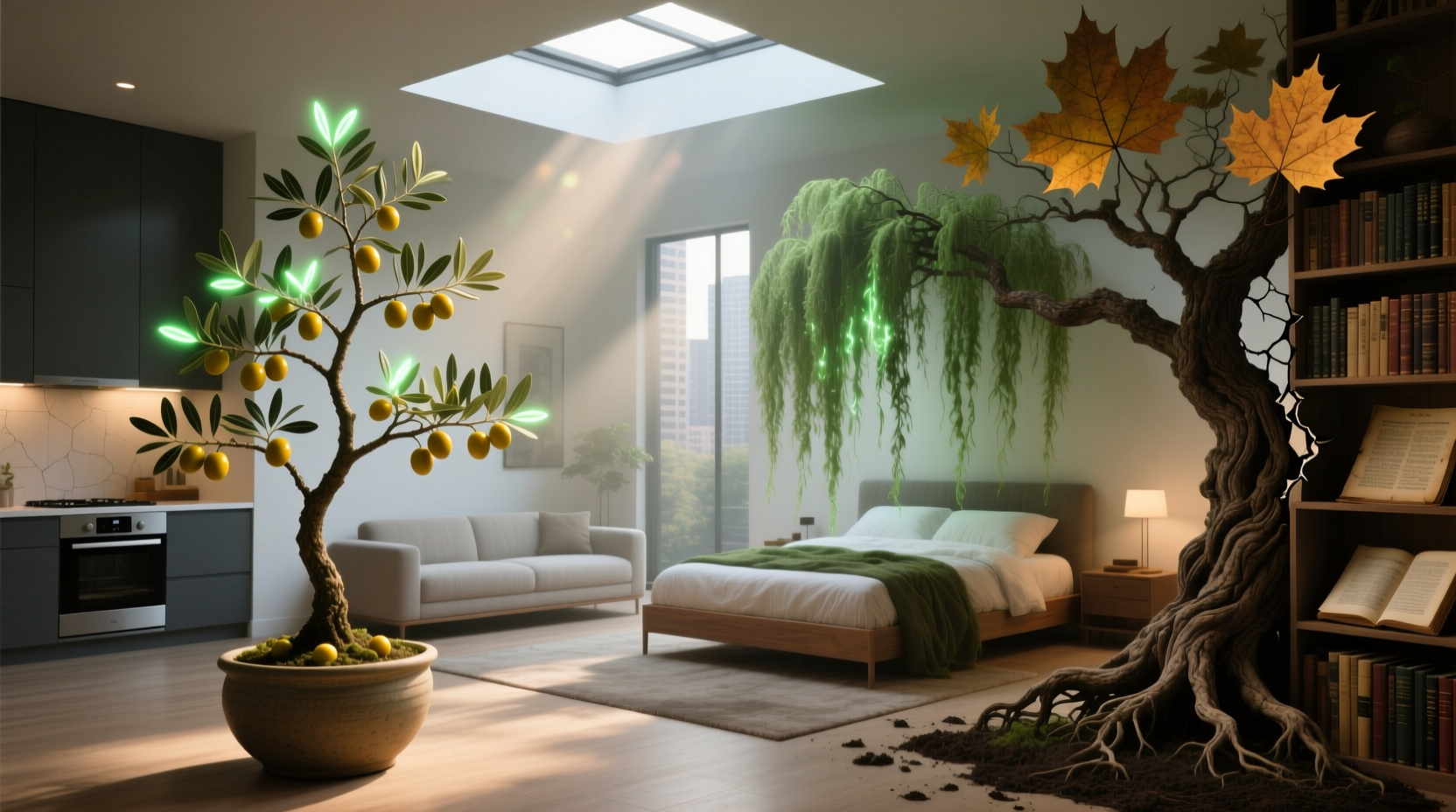
In recent years, it's become increasingly common to see homes with not just one, but several indoor trees—each carefully placed in different rooms. From a fiddle-leaf fig anchoring the living room to a dwarf lemon tree brightening up the kitchen, these green companions are more than decorative accents. They reflect a growing awareness of how plants influence mood, health, and home aesthetics. But what drives this trend? Why do some households intentionally cultivate multiple trees across various spaces? The answer lies at the intersection of environmental science, psychology, interior design, and cultural habits.
The Role of Indoor Trees in Air Quality Improvement
One of the most scientifically supported reasons for placing trees in different rooms is their ability to purify indoor air. NASA’s Clean Air Study demonstrated that certain houseplants—including varieties like the Areca Palm, Peace Lily, and Rubber Plant—can remove harmful volatile organic compounds (VOCs) such as benzene, formaldehyde, and trichloroethylene from the air.
Since air circulation between rooms can be limited, especially in homes without central HVAC systems, pollutants tend to accumulate locally. For example:
- Kitchens generate cooking fumes and increased humidity.
- Bathrooms emit mold spores and moisture-related VOCs.
- Bedrooms may contain off-gassing chemicals from mattresses and bedding.
- Home offices often have electronics releasing low-level ozone and plastics emitting phthalates.
By situating appropriate tree species in each space, homeowners create targeted air filtration zones. A snake plant in the bedroom helps filter nighttime emissions while releasing oxygen, while a Boston fern in the bathroom thrives in humidity and reduces airborne mold particles.
Psychological and Emotional Benefits by Room Function
The placement of trees in specific rooms also aligns with the emotional purpose of those spaces. Research in environmental psychology shows that exposure to nature—even simulated through indoor plants—reduces stress, improves focus, and elevates mood. This effect, known as biophilia, suggests humans have an innate connection to natural elements.
Different rooms serve distinct psychological functions, and trees are used strategically to support them:
| Room | Function | Tree Benefit |
|---|---|---|
| Living Room | Social interaction, relaxation | Large statement trees like Ficus lyrata foster calm and conversation |
| Bedroom | Rest, recovery, intimacy | Low-light tolerant trees like ZZ or Snake Plant promote tranquility without disrupting sleep cycles |
| Home Office | Focus, productivity | Plants like the Weeping Fig improve concentration and reduce mental fatigue |
| Kitchen | Nourishment, creativity | Citrus or herb trees provide sensory engagement and symbolic freshness |
| Bathroom | Privacy, cleansing | High-humidity lovers like palms enhance spa-like serenity |
“Introducing greenery into personal environments isn’t just aesthetic—it’s therapeutic. The presence of a healthy plant signals care, stability, and life.” — Dr. Lena Torres, Environmental Psychologist, University of Oregon
When people place trees thoughtfully throughout their homes, they’re essentially designing a psychological ecosystem—one where each room supports its intended emotional state through natural cues.
Design Strategy: Using Trees as Functional Interior Elements
Interior designers increasingly treat indoor trees as architectural features rather than afterthoughts. Multiple trees allow for spatial definition, visual balance, and dynamic flow within open-concept layouts. In homes with minimal walls, large potted trees act as living room dividers, subtly separating dining areas from lounges without blocking light.
Consider the following design principles applied when using multiple trees:
- Scale and Proportion: Tall trees (6+ feet) anchor empty corners; smaller specimens fill side tables or window sills.
- Repetition with Variation: Using the same species in different rooms creates continuity, while varying pot styles adds personality.
- Focal Points: A single dramatic tree—like a variegated Monstera deliciosa—can draw attention and structure a room’s layout.
- Seasonal Rotation: Some households rotate trees seasonally, bringing citrus indoors during winter for scent and color, then moving them outdoors in summer.
This approach transforms trees from passive decor into active design tools. A homeowner might place a slender Dragon Tree near a staircase to guide vertical eye movement, or flank a fireplace with two matching Ficus benjamina trees to achieve symmetry.
Mini Case Study: The Green Apartment in Portland
In a 1,200-square-foot apartment in Portland, Oregon, resident Maya Chen integrated nine indoor trees across five rooms over two years. Her goal was to create a “biophilic sanctuary” amid urban living.
She began with a single money tree in the living room but noticed improved sleep after adding a snake plant to her bedroom. Encouraged, she expanded: a dwarf Meyer lemon in the sunlit kitchen, a parlor palm in the bathroom, and a weeping fig near her desk. Each addition responded to a functional need—air purification, noise absorption, or visual softness.
Within six months, visitors frequently commented on the space feeling “calmer” and “more alive.” Maya reported fewer headaches, better concentration, and even reduced reliance on artificial air fresheners. Her experience illustrates how intentional tree placement can transform both environment and well-being.
Maintenance and Practical Considerations
Managing multiple trees requires planning. Unlike single-houseplant owners, those with several trees must account for differing light, water, and soil needs. Success depends on organization and routine.
Step-by-Step Guide: Managing Multiple Indoor Trees
- Assess Room Conditions: Measure light intensity (use a free app like Light Meter), humidity, and temperature in each room.
- Match Species to Environment: Select trees suited to each microclimate. For example, avoid placing a cactus in a dark hallway.
- Create a Care Calendar: Note watering frequency, fertilizing schedule, and pruning needs for each tree.
- Group by Care Needs: If possible, cluster trees with similar requirements to streamline maintenance.
- Rotate Seasonally: Move sun-loving trees closer to windows in winter; pull back sensitive ones during summer heatwaves.
- Monitor Health Weekly: Check for pests, yellowing leaves, or soil compaction every 7 days.
- Repot Strategically: Upgrade pots every 1–2 years, preferably in spring, to prevent root binding.
Checklist: Preparing Your Home for Multiple Trees
- ✔️ Evaluate available natural light in each room
- ✔️ Choose non-toxic species if pets or children are present
- ✔️ Invest in self-watering pots for busy schedules
- ✔️ Use saucers to protect floors from water damage
- ✔️ Install grow lights in low-light zones
- ✔️ Purchase a hygrometer to monitor humidity levels
- ✔️ Keep a journal to track growth and issues
Cultural and Symbolic Influences
Beyond science and design, cultural beliefs play a significant role in the decision to place trees in multiple rooms. In many traditions, indoor trees symbolize prosperity, protection, and continuity.
In Feng Shui, for instance, the placement of plants is deeply intentional. The Bagua map divides a home into nine zones—wealth, health, love, career, etc.—each associated with a direction and element. A lucky bamboo plant in the southeast corner is believed to attract abundance, while a peace lily in the relationship sector (southwest) fosters harmony.
Similarly, in Japanese homes, the art of *kado* (flower arranging) extends to indoor tree care, emphasizing simplicity, balance, and seasonal awareness. A bonsai in the entryway welcomes guests with dignity; a pine in the study represents endurance.
Even in Western cultures, evergreen trees like Norfolk Island Pines are kept year-round—not just during holidays—as symbols of resilience and eternal life. These symbolic layers give deeper meaning to having multiple trees, turning a practical choice into a ritual of intentionality.
FAQ
Can having too many indoor trees be harmful?
No, provided they are properly maintained. However, overwatering multiple plants can increase indoor humidity to problematic levels, potentially encouraging mold. Ensure good airflow and avoid overcrowding.
Which trees are safest for homes with pets?
Pet-safe options include the Parlor Palm, Spider Plant (though technically not a tree), Ponytail Palm, and American Rubber Plant (*Peperomia obtusifolia*). Avoid toxic species like Sago Palm, Dieffenbachia, or true rubber trees (*Ficus elastica*) if pets chew on foliage.
Do indoor trees really make a difference in air quality?
Yes, but with caveats. While individual plants have modest impact, a collection of 5–8 medium-to-large trees in a well-ventilated home can measurably reduce VOC levels. They work best alongside other practices like regular cleaning and proper ventilation.
Conclusion
The presence of multiple trees in different rooms is far more than a passing decor trend. It reflects a holistic approach to living—one that values clean air, emotional balance, aesthetic harmony, and symbolic meaning. Whether driven by health concerns, design aspirations, or cultural tradition, households embracing this practice are creating personalized ecosystems that nurture both body and mind.
Each tree becomes a quiet companion, responding to light, water, and attention with steady growth and subtle beauty. When placed with intention, they do more than survive indoors—they thrive alongside us, enhancing every moment spent at home.




 浙公网安备
33010002000092号
浙公网安备
33010002000092号 浙B2-20120091-4
Comments
No comments yet. Why don't you start the discussion?