
When installing string lights, LED strips, or holiday lighting displays, you may have noticed something odd: not all plugs face the same direction. Some point up, others down, sideways, or even at awkward angles. At first glance, this seems like an oversight in design. But there's actually solid reasoning behind it—and understanding that can help you avoid frustration, reduce tripping hazards, and make installations faster and safer.
This variation in plug orientation isn't random. It’s a deliberate engineering decision influenced by electrical standards, heat dissipation needs, manufacturing constraints, and real-world usability. More importantly, knowing how to work with these differences unlocks a simple but powerful installation hack that professionals use to streamline their setups—without sacrificing safety or compliance.
The Engineering Behind Plug Orientation
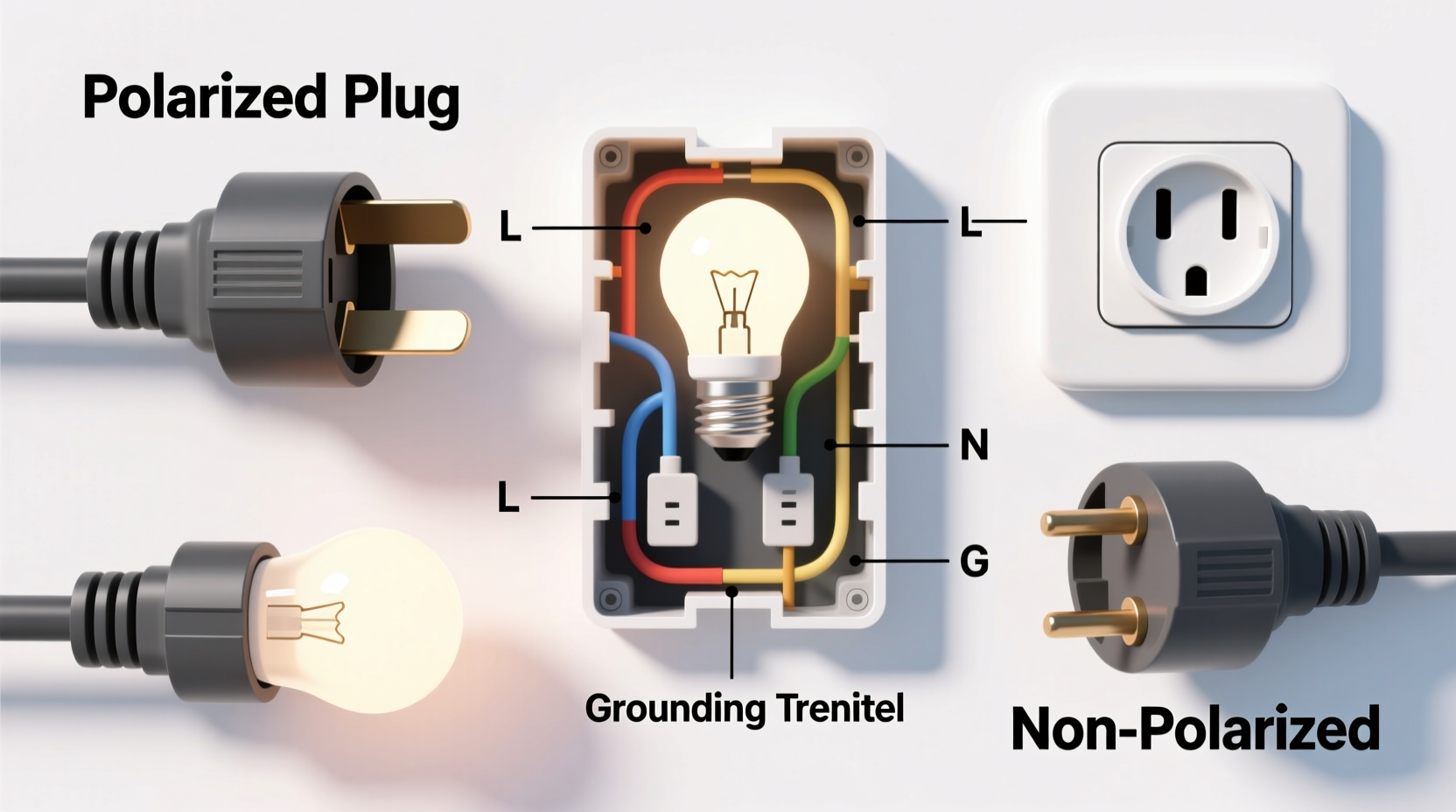
Plug orientation on lighting fixtures—especially low-voltage systems like LED strips, rope lights, and modular strings—is determined during the design phase based on several technical factors:
- Heat Management: Electrical components generate heat. Placing the plug on one side versus another can affect airflow and prevent overheating, especially in enclosed spaces.
- Circuit Board Layout: The internal wiring and PCB (printed circuit board) must route power efficiently. Sometimes, placing the connector on the left or right is simply more practical for minimizing wire length and signal loss.
- Manufacturing Efficiency: Factories often produce both left- and right-facing connectors using the same mold by rotating components, reducing tooling costs.
- Daisy-Chaining Needs: In multi-light setups, alternating plug directions allow for smoother connections when linking multiple units end-to-end without kinking wires.
For example, outdoor-rated string lights commonly alternate plug orientations so that when connected, each new segment extends naturally forward rather than bending sharply back toward the previous light. This reduces strain on the connection points and improves aesthetics.
“Plug direction isn’t arbitrary—it’s part of thermal and mechanical design. A poorly oriented connector can lead to premature failure.” — Carlos Mendez, Electrical Design Engineer at Lumina Systems
The Hidden Installation Hack: Rotate to Optimize
Here’s where it gets useful: because many lighting systems come with variable plug orientations, savvy installers use this to their advantage through a technique called *plug rotation sequencing*. Instead of fighting against awkward angles or stacking adapters, they intentionally mix lights with different plug directions to maintain a clean, flat profile along walls, eaves, or railings.
This method works particularly well with modular LED strip connectors, pre-wired net lights, and commercial-grade festoon lighting. By planning your layout ahead of time and selecting units with complementary plug directions, you eliminate the need for extension cords running across walkways or unsightly bulges where connectors protrude outward.
How Plug Rotation Works in Practice
Imagine installing string lights under the soffit of your roof. If every light has a downward-facing plug, connecting them creates a zigzag pattern as each male plug hangs below the line. But if you alternate between upward- and downward-facing plugs, the connection sits flush against the surface, creating a neater appearance and reducing wind resistance outdoors.
This principle applies equally indoors. For cove lighting or baseboard-mounted LEDs, choosing a sequence where plugs face inward (toward the wall) keeps the wiring discreet and minimizes snagging risks.
Step-by-Step: Optimizing Your Lighting Layout Using Plug Orientation
Follow this process to leverage differing plug orientations for cleaner, safer installations:
- Map Your Route: Sketch the path where lights will go—along a fence, around a window frame, or across a ceiling.
- Measure Segment Lengths: Note the length of each lighting unit and identify connection points.
- Check Connector Direction: Examine each light’s plug entry/exit angle. Label them mentally as “L” (left), “R” (right), “U” (up), or “D” (down).
- Plan Alternation Pattern: Arrange units so that adjacent connectors align smoothly. For horizontal runs, alternate L/R; for vertical drops, pair U/D.
- Test Fit Before Securing: Lay out the full chain temporarily to confirm flow and clearance near doors, switches, or traffic areas.
- Secure with Low-Profile Clips: Use adhesive clips or raceways designed to accommodate connectors without pressure on the plug body.
- Power Test: Plug in the system before final mounting to ensure all connections are secure and functional.
This approach saves time during maintenance too. Since connectors aren’t buried behind furniture or pinched under trim, troubleshooting becomes easier.
Do’s and Don’ts When Working With Variable Plug Orientations
| Do | Don’t |
|---|---|
| Use manufacturer-provided templates or spec sheets to verify plug direction before buying | Assume all units in a product line have the same plug orientation |
| Group lights by connector type during storage for future reuse | Force-fit mismatched connectors with excessive bending |
| Utilize corner connectors or swivel adapters when natural alignment isn’t possible | Stack multiple adapters to reposition a plug—this increases fire risk |
| Leave slight slack at connection points to absorb vibration and temperature shifts | Install rigidly tight connections that restrict movement |
| Label custom-configured chains for quick reassembly next season | Overlook local electrical codes—even temporary lighting must meet safety standards |
Real-World Example: Festival Stage Lighting Upgrade
A regional music festival faced recurring issues with stage perimeter lighting. Each year, crews spent hours untangling daisy-chained string lights because the uniform downward-facing plugs caused cables to sag and twist when mounted horizontally.
For the following event, the production team switched to a hybrid system featuring alternating plug orientations. They used one model with right-exit connectors followed by another with left-exit versions. The result? A seamless, flat-run installation that took half the time to deploy and stayed stable throughout rainy conditions.
Beyond efficiency, safety improved dramatically. Tripping incidents dropped to zero, and post-event breakdown became a 20-minute task instead of two hours. The lighting vendor reported fewer warranty claims due to reduced connector stress.
Expert Tips for Maximizing Compatibility
Not all lighting systems support mixed orientations out of the box. Here’s how to adapt when options are limited:
- Use 90-Degree Adapters: These small, weatherproof connectors change the exit angle of a plug without adding length. Ideal for tight corners.
- Invest in Reversible Connectors: Some high-end LED strips include dual-position end caps—flip them to switch input/output sides.
- Buy from Brands That Offer Both Versions: Companies like Govee, HitLights, and Hyperikon now sell companion products specifically labeled for opposite orientations.
- Modify Mounting Hardware: Offset brackets or L-shaped mounts can reposition a fixture so that even a downward plug clears obstacles.
Frequently Asked Questions
Can I cut and rewire lights to change plug orientation?
Technically, yes—but doing so usually voids the UL listing and warranty. Unless you're working with field-cuttable LED tape (which allows safe end-point rewiring), altering factory-sealed connectors introduces shock and fire hazards. It’s safer and often cheaper to buy a correctly oriented replacement unit.
Why don’t all manufacturers standardize plug direction?
Standardization would limit design flexibility and increase production costs. Different applications require different configurations. What works for indoor accent lighting may fail in outdoor commercial signage. Additionally, global markets have varying plug types and voltage requirements, making universal standardization impractical.
Are there safety risks with misaligned plugs?
Yes. Forcing a plug into a socket at an angle can damage internal contacts, leading to arcing, overheating, or intermittent power. Over time, this raises the risk of fire—especially in enclosed fixtures or flammable environments. Always ensure connectors mate straight-on and are fully seated.
Final Checklist: Smart Lighting Installation Using Plug Orientation
- Review product specs for plug entry/exit details
- Select a mix of left- and right-facing units for continuous runs
- Test fit the entire chain before permanent mounting
- Use swivel or angled adapters only when necessary
- Secure connections with strain relief clips
- Ensure all components are rated for indoor/outdoor use as needed
- Label and store matched sets together for future use
Conclusion: Turn Design Quirks Into Installation Advantages
Different plug orientations on lights aren’t flaws—they’re features waiting to be leveraged. Once you understand the logic behind them, what seemed like inconsistency becomes a strategic tool. Whether you're illuminating a patio, decorating for holidays, or designing a retail display, thoughtful use of plug direction leads to cleaner lines, faster installs, and longer-lasting results.
The next time you unbox a set of lights and notice the plug faces an unexpected way, don’t see it as a problem. See it as an opportunity to build smarter. Plan ahead, rotate wisely, and let the hardware work for you—not against you.




 浙公网安备
33010002000092号
浙公网安备
33010002000092号 浙B2-20120091-4
Comments
No comments yet. Why don't you start the discussion?