
Chewing ice may seem like a harmless habit—something people do absentmindedly while drinking water or out of boredom. But for some, the urge to crunch on ice is persistent, even compulsive. If you or someone you know chews ice throughout the day, you might wonder: Is this normal? Could it be a sign of something deeper going on in the body? The answer, surprisingly, is often yes. Chronic ice chewing, known medically as pagophagia, can be more than just a quirky habit—it may point to nutritional deficiencies, mental health patterns, or even serious medical conditions.
This article explores the science behind ice chewing, its potential causes, associated health risks, and what steps you can take if it becomes a concern.
The Science Behind Ice Chewing
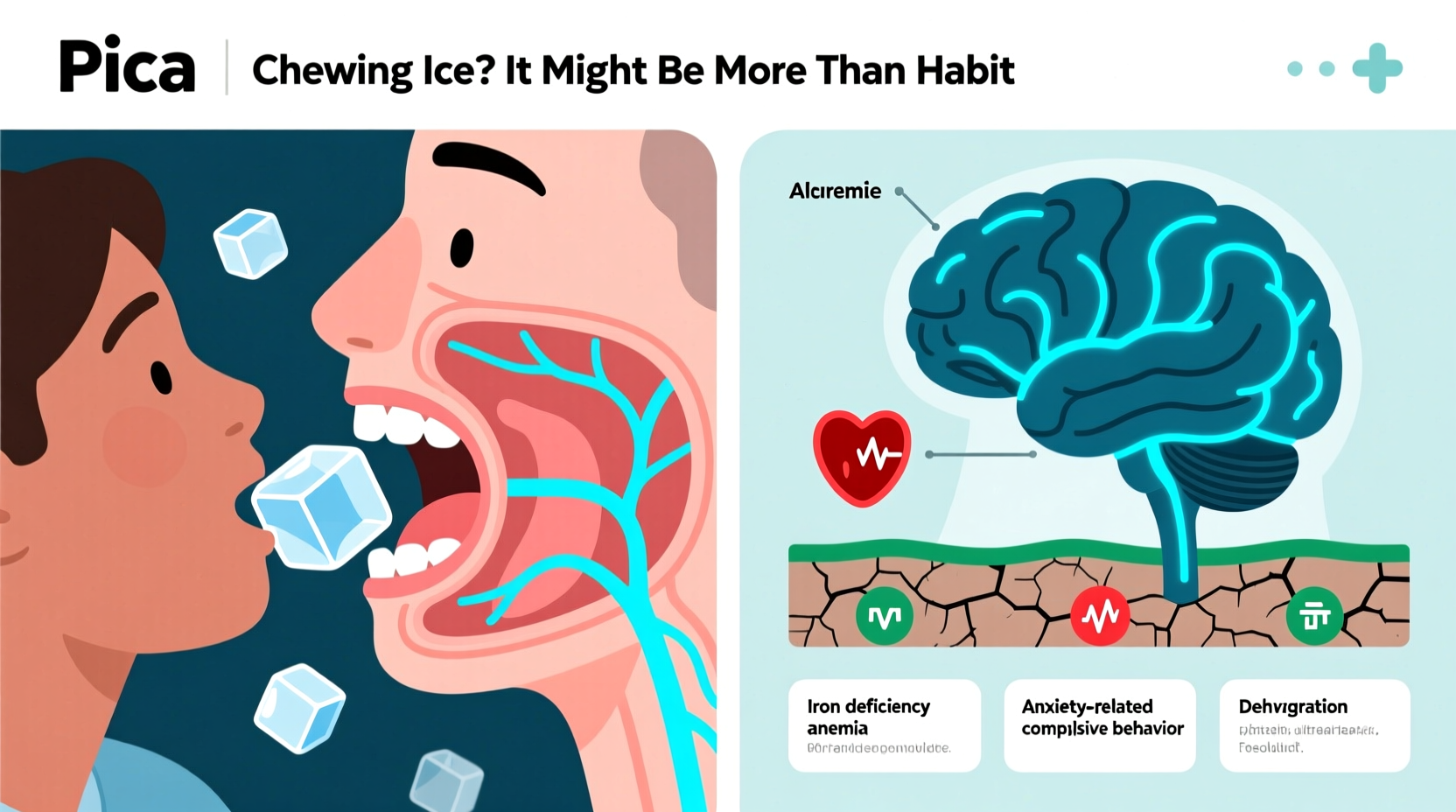
Ice chewing isn’t just about texture or temperature. For many, the act of crunching provides sensory satisfaction. The brain receives auditory and tactile feedback from the sound and feel of crushing ice, which can be stimulating or calming depending on the individual. Some people describe it as a form of oral stimulation that helps them concentrate or manage stress.
However, research suggests there’s more at play than simple preference. A 2014 study published in the journal Medical Hypotheses found that individuals with iron deficiency anemia who chewed ice reported improved alertness and cognitive function. Researchers believe that the cooling effect of ice may trigger a physiological response in the brain—increasing blood flow and oxygen delivery—compensating for low iron levels.
“Pagophagia is one of the most specific signs of iron deficiency, even when other symptoms are mild or absent.” — Dr. Benjamin Wedro, Emergency Medicine Physician and Clinical Assistant Professor
This temporary mental boost could reinforce the behavior, making it difficult to stop—even after meals or hydration needs are met.
Iron Deficiency and Pica: The Hidden Link
Pagophagia is classified under a broader condition called pica—a disorder characterized by the craving and consumption of non-nutritive substances such as dirt, chalk, paper, or clay. While pica is more commonly recognized in children and pregnant women, adults can also experience it, often linked to nutrient deficiencies.
Among all forms of pica, ice chewing has one of the strongest associations with iron deficiency anemia. Iron is essential for producing hemoglobin, the protein in red blood cells that carries oxygen. When iron stores drop, tissues receive less oxygen, leading to fatigue, weakness, pale skin, and shortness of breath. In some cases, the only noticeable symptom may be an intense craving for ice.
Why ice specifically? Scientists don’t fully understand the mechanism, but theories include:
- Neurological compensation: Cold-induced vasoconstriction in the mouth may increase cerebral blood flow, temporarily improving focus and energy in iron-deficient individuals.
- Dopamine regulation: Low iron affects dopamine production, potentially altering reward pathways in the brain. Chewing ice may stimulate dopamine release, creating a reinforcing loop.
- Oral inflammation relief: Iron deficiency can cause glossitis (inflammation of the tongue), and cold ice may soothe discomfort.
Other Possible Causes and Risk Factors
While iron deficiency is the most well-documented cause, chronic ice chewing can also stem from other factors:
1. Psychological and Behavioral Patterns
For some, ice chewing serves as a coping mechanism for anxiety, stress, or obsessive-compulsive tendencies. Repetitive behaviors like chewing, nail-biting, or hair-twirling fall under the umbrella of “stereotypic movement disorders” when they become excessive. These habits provide sensory input that can be soothing or distracting during periods of emotional strain.
2. Pregnancy
Pregnant women frequently report cravings for ice. Hormonal shifts, increased blood volume, and higher iron demands make them more susceptible to anemia. Studies show up to 50% of pregnant women with pica exhibit pagophagia, often resolving after delivery or with iron supplementation.
3. Dehydration and Dry Mouth
People with chronically dry mouths—due to medications, autoimmune conditions like Sjögren’s syndrome, or mouth breathing—may chew ice for moisture relief. However, this offers only temporary comfort and doesn’t address the root cause.
4. Dental or Oral Sensory Needs
Some individuals have heightened oral sensory needs. This is particularly common in neurodivergent populations, such as those with autism spectrum disorder or ADHD. The firm texture of ice provides proprioceptive feedback that can be regulating.
When Ice Chewing Becomes Harmful
Occasional ice chewing is generally not dangerous. But constant, aggressive chewing can lead to dental complications over time. Unlike soft foods, ice is extremely hard and puts significant pressure on tooth enamel.
| Risk | Description | Long-Term Consequences |
|---|---|---|
| Tooth Enamel Erosion | Repeated impact wears down protective enamel layer | Increased sensitivity, higher cavity risk |
| Cracked or Chipped Teeth | Sharp edges or large cubes can fracture molars | Need for crowns, fillings, or extractions |
| Gum Damage | Sharp ice shards may cut or irritate gum tissue | Bleeding, infection, recession |
| Jaw Pain | Excessive chewing strains jaw muscles and joints | TMJ disorder, chronic pain |
Dental professionals often advise patients with bruxism (teeth grinding) or weakened enamel to avoid ice altogether. Even seemingly minor chips can compromise tooth integrity and lead to costly treatments.
Mini Case Study: Sarah’s Persistent Craving
Sarah, a 32-year-old office manager, had been chewing ice for years. She kept a thermos at her desk filled with crushed ice, consuming several cups daily. Colleagues joked about her “ice addiction,” but Sarah noticed she felt sluggish and unfocused when she didn’t have ice nearby.
After experiencing dizziness and heart palpitations, she visited her doctor. Blood tests revealed she had iron deficiency anemia with a ferritin level of just 8 ng/mL (normal is above 30). She began taking iron supplements and within three weeks, her energy improved—and her desire for ice vanished.
Her case highlights how a subtle behavioral pattern can mask a significant health issue. Without intervention, her condition could have worsened, leading to more severe fatigue, cardiovascular strain, or complications during a future pregnancy.
What You Can Do: A Step-by-Step Guide
If you or someone you care about chews ice frequently, here’s a practical plan to assess and address the issue:
- Track the Habit: Note how often you chew ice, the amount consumed, and any triggers (e.g., stress, meals, fatigue).
- Assess Symptoms: Look for signs of anemia—fatigue, pale skin, shortness of breath, dizziness, cold hands/feet.
- Request Blood Work: Ask your healthcare provider for a complete blood count (CBC) and serum ferritin test to evaluate iron stores.
- Review Diet: Evaluate intake of iron-rich foods like red meat, lentils, spinach, and fortified cereals. Consider vitamin C to enhance absorption.
- Explore Alternatives: Replace ice with safer oral stimulants—sugar-free gum, frozen fruit slices, or chilled cucumber rounds.
- Monitor Dental Health: Schedule a dental check-up to assess enamel wear or microfractures.
- Address Mental Health: If anxiety or OCD-like patterns are present, consult a therapist specializing in behavioral disorders.
Checklist: Signs That Ice Chewing May Be a Health Concern
- ✅ Chewing ice multiple times a day, every day
- ✅ Feeling unable to stop despite wanting to
- ✅ Experiencing fatigue, weakness, or brain fog
- ✅ Having cracked teeth or increased tooth sensitivity
- ✅ Noticing paleness in skin or eyelids
- ✅ History of heavy menstrual periods or gastrointestinal issues
- ✅ Pregnant or planning pregnancy
If three or more apply, it’s worth discussing with a healthcare provider.
Frequently Asked Questions
Is chewing ice bad for your teeth?
Yes, especially when done frequently or aggressively. Ice is harder than it seems and can chip enamel, crack fillings, or damage crowns. Over time, this leads to sensitivity, decay, and expensive dental work. Dentists recommend avoiding ice chewing if you have existing dental work or sensitive teeth.
Can low iron really make you crave ice?
Yes. Multiple studies confirm a strong link between iron deficiency anemia and pagophagia. The exact reason isn’t fully understood, but evidence suggests ice may improve alertness in iron-deficient individuals by increasing blood flow to the brain. Once iron levels are restored, the craving typically disappears.
Is ice chewing a mental health issue?
It can be. While often rooted in physical deficiency, chronic ice chewing may also be tied to anxiety, stress, or obsessive-compulsive behaviors. In some cases, it’s a self-soothing mechanism. If no medical cause is found, a behavioral health evaluation may help identify underlying psychological factors.
Conclusion: Listen to Your Body’s Signals
Chewing ice might start as a small habit, but when it becomes constant, it can be your body’s way of signaling imbalance. Whether it’s a cry for more iron, a response to stress, or a sensory need, ignoring the pattern could mean missing an important health clue. The good news is that in most cases, identifying and treating the root cause—whether through dietary changes, supplements, or behavioral support—can resolve the craving and prevent long-term consequences.




 浙公网安备
33010002000092号
浙公网安备
33010002000092号 浙B2-20120091-4
Comments
No comments yet. Why don't you start the discussion?