
Craving ice—specifically chewing on ice cubes, freezer frost, or even sucking on ice chips—is more common than many realize. While occasional ice chewing might seem harmless, persistent and intense cravings can point to an underlying health condition. This behavior, known medically as pagophagia, is a form of pica: the craving and consumption of non-nutritive substances. Unlike eating dirt or paper, ice seems benign, but its compulsive consumption often signals something deeper, particularly nutritional deficiencies.
For years, medical professionals have observed a strong correlation between ice cravings and iron deficiency anemia. But the connection goes beyond simple nutrient lack—it involves brain function, oxygen delivery, and even psychological factors. Understanding why people crave ice, what deficiencies may be involved, and when to take action can lead to early diagnosis and improved well-being.
The Science Behind Ice Cravings
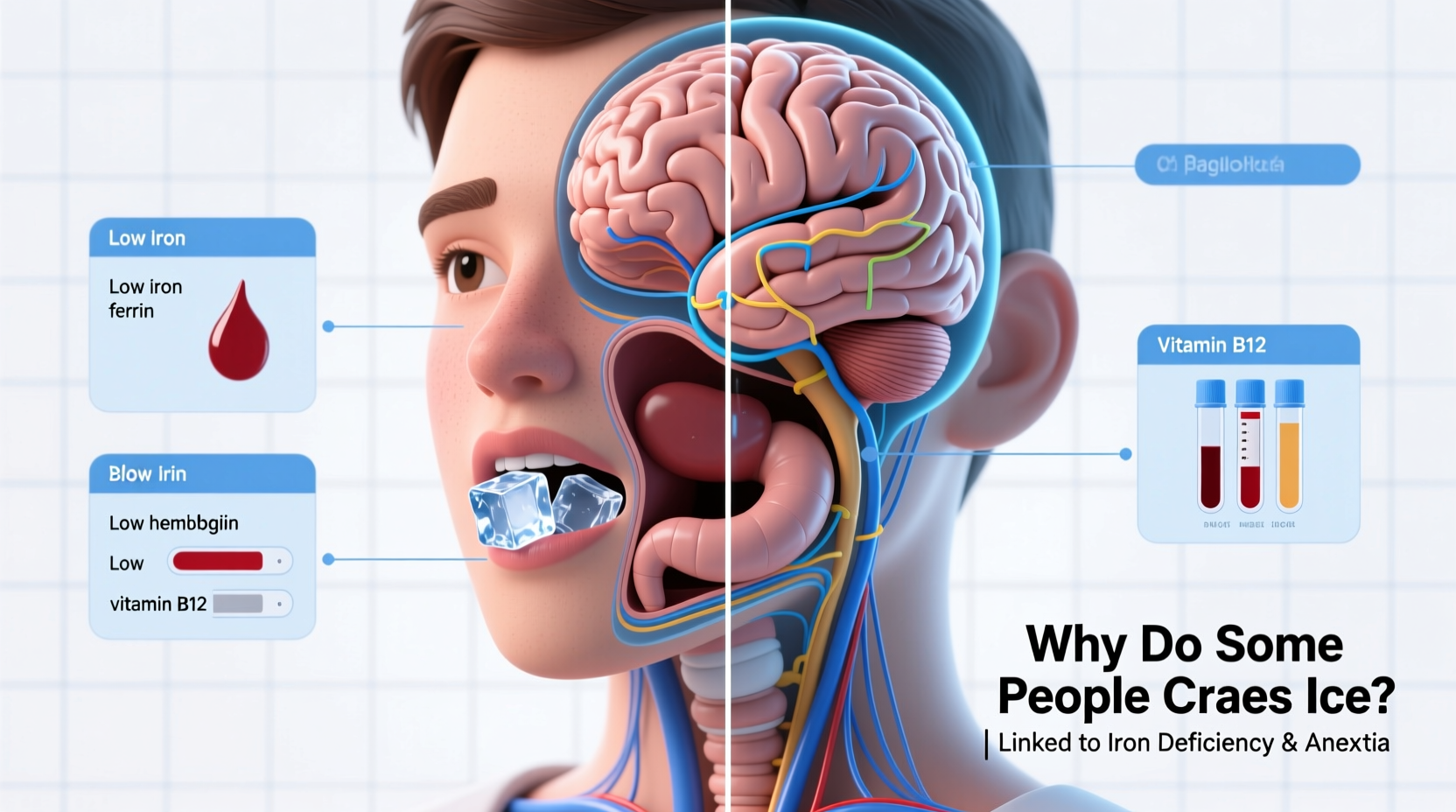
At first glance, chewing ice appears to be a sensory habit or a way to cool down. However, research suggests there’s a physiological rationale behind this craving, especially in individuals with low iron levels. Iron is essential for hemoglobin production, the protein in red blood cells that carries oxygen throughout the body. When iron stores are depleted, tissues receive less oxygen, leading to fatigue, weakness, and cognitive difficulties.
A 2014 study published in the journal Nutrition found that patients with iron deficiency anemia who chewed ice reported increased alertness and mental clarity after doing so. Researchers theorized that the act of chewing ice may trigger a mild increase in cerebral blood flow—a phenomenon dubbed the “ice effect.” In iron-deficient individuals, this could temporarily compensate for reduced oxygen delivery to the brain, creating a reinforcing loop where ice-chewing feels beneficial.
“Pagophagia is one of the most specific cravings associated with iron deficiency. When a patient reports compulsive ice chewing, we immediately consider checking their ferritin and hemoglobin levels.” — Dr. Lena Patel, Hematologist at Boston General Hospital
This neurological response may explain why ice cravings persist despite their dental risks. The temporary cognitive boost reinforces the behavior, making it difficult to stop without addressing the root cause.
Iron Deficiency: The Primary Suspect
Iron deficiency anemia (IDA) remains the most well-documented cause of ice cravings. It affects over 1.2 billion people globally, according to the World Health Organization, and is especially prevalent among women of reproductive age, pregnant individuals, and those with gastrointestinal disorders affecting absorption.
When the body lacks sufficient iron, it struggles to produce enough healthy red blood cells. Common symptoms include:
- Fatigue and weakness
- Pale skin
- Shortness of breath
- Dizziness or lightheadedness
- Cold hands and feet
- Brittle nails
- Hair loss
- Restless legs syndrome
Ice craving often emerges alongside these symptoms but may go unnoticed or dismissed as a quirk. Yet, in clinical settings, it's considered a red flag. A 2015 case review in The American Journal of Medicine highlighted multiple patients whose undiagnosed iron deficiency was only uncovered after reporting chronic ice consumption.
How Iron Levels Are Measured
Diagnosing iron deficiency requires more than a basic blood count. Key lab tests include:
- Hemoglobin: Measures oxygen-carrying capacity; low levels indicate anemia.
- Serum Ferritin: Reflects stored iron; the most sensitive marker for early deficiency.
- Transferrin Saturation: Shows how much iron is bound to transport proteins.
- Mean Corpuscular Volume (MCV): Indicates red blood cell size; small cells suggest iron deficiency.
Ferritin levels below 15–30 ng/mL typically confirm depleted iron stores, even if hemoglobin is still within normal range. Early detection through these markers allows intervention before full-blown anemia develops.
Other Possible Causes and Contributing Factors
While iron deficiency is the leading explanation, ice cravings can also stem from or be worsened by other conditions:
Pregnancy
Pregnant individuals frequently report unusual food cravings, including ice. Increased blood volume and fetal demands elevate iron needs, making deficiency more likely. One study found that up to 44% of pregnant women with pica behaviors engaged in pagophagia, often resolving after iron supplementation.
Mental Health Conditions
In some cases, compulsive ice chewing overlaps with obsessive-compulsive disorder (OCD) or anxiety. The repetitive action may serve as a self-soothing mechanism. However, when combined with fatigue or pallor, biological causes should still be ruled out first.
Gastrointestinal Disorders
Conditions like celiac disease, Crohn’s disease, or gastric bypass surgery impair iron absorption, increasing deficiency risk. Chronic blood loss from ulcers or heavy menstruation also contributes.
Calcium Deficiency (Less Common)
Though less studied, some anecdotal reports link ice cravings to low calcium. However, no robust clinical evidence supports this association. More often, calcium and iron deficiencies coexist due to poor diet or malabsorption.
Health Risks of Chronic Ice Chewing
Despite being calorie-free, habitual ice chewing isn’t without consequences. The hardness of ice can damage oral structures over time.
| Risk | Description | Who’s Most at Risk |
|---|---|---|
| Tooth Enamel Erosion | Repeated pressure wears down protective enamel, increasing sensitivity. | People who chew ice daily |
| Dental Fractures | Cracked or chipped teeth due to biting hard ice cubes. | Those with braces or existing fillings |
| Gum Damage | Sharp ice edges can cut or inflame gum tissue. | Individuals with periodontal disease |
| Jaw Pain | TMJ strain from excessive chewing motions. | People with bruxism or jaw alignment issues |
Dental repairs resulting from ice chewing can be costly and painful. Preventing long-term damage means addressing both the physical habit and its underlying cause.
Step-by-Step: What to Do If You Crave Ice
If ice chewing has become a near-constant habit, follow this practical timeline to identify and resolve potential issues:
- Track Your Habits (Days 1–7): Note when and how often you chew ice. Is it triggered by stress, boredom, or fatigue? Keep a journal for one week.
- Assess Symptoms (Day 7): Review for signs of anemia—fatigue, dizziness, pale skin, cold extremities. Also consider menstrual history, diet, and digestive health.
- Schedule a Blood Test (Week 2): Request a complete blood count (CBC) and iron panel from your healthcare provider, including ferritin.
- Review Results (Week 3): Work with your doctor to interpret findings. Low ferritin confirms iron deficiency, even without anemia.
- Begin Treatment (Week 4+): If deficient, start iron supplementation under medical supervision. Dietary changes alone may not suffice for correction.
- Monitor Changes (Ongoing): Track whether ice cravings diminish within 1–2 months of treatment. Many patients report reduced urges within weeks of repleting iron.
“I had been chewing ice all day for years—thought it was just a bad habit. After my doctor tested me, I found out my ferritin was 8. Once I started iron pills, the craving vanished in three weeks.” — Maria T., 34, teacher and mother of two
Tips for Managing Ice Cravings
- Stay Hydrated: Sometimes thirst mimics the desire for ice. Drink water regularly throughout the day.
- Use Crushed Ice Instead of Cubes: Softer textures reduce tooth strain if you must consume ice.
- Avoid Flavored Ice with Sugar: Sodas or sweetened slushes add empty calories and acid, worsening dental risks.
- Address Stress Triggers: Mindfulness, chewing sugar-free gum, or fidget tools may help break compulsive patterns.
Nutrition Tips to Boost Iron Naturally
Diet plays a key role in preventing and correcting deficiency. Focus on:
- Heme Iron Sources: Found in animal proteins—red meat, poultry, fish, and shellfish. Better absorbed than plant-based iron.
- Non-Heme Iron Sources: Beans, lentils, spinach, tofu, fortified cereals. Pair with vitamin C-rich foods (citrus, bell peppers, strawberries) to enhance absorption.
- Avoid Inhibitors: Tea, coffee, calcium supplements, and whole grains contain compounds that block iron uptake. Consume them separately from iron-rich meals.
FAQ: Common Questions About Ice Cravings
Can you crave ice without being anemic?
Yes. While iron deficiency is the most common cause, some people develop the habit due to stress, dehydration, or oral sensory preferences. However, persistent cravings warrant medical evaluation to rule out deficiency.
Is chewing ice harmful if I’m not deficient?
Even without deficiency, chronic ice chewing poses dental risks. Enamel erosion and cracked teeth are possible over time. It’s wise to limit the habit regardless of cause.
How long does it take for ice cravings to stop after starting iron supplements?
Many people notice a reduction within 1–2 weeks, though full resolution may take several weeks. Response varies based on severity of deficiency and adherence to treatment.
Checklist: When to Seek Medical Advice
Use this checklist to determine if your ice craving warrants professional attention:
- ☑ You chew ice multiple times a day, every day
- ☑ You feel unusually tired or weak
- ☑ You have pale skin or shortness of breath
- ☑ You experience dizziness or heart palpitations
- ☑ You’ve had heavy periods, recent pregnancy, or digestive issues
- ☑ You notice dental pain or sensitivity from chewing ice
If two or more apply, schedule a visit with your healthcare provider. Early diagnosis prevents complications like severe anemia or heart strain.
Conclusion: Listen to Your Body’s Signals
Craving ice may seem trivial, but it can be your body’s way of signaling a silent deficiency. Iron plays a vital role in energy, cognition, and overall vitality—ignoring subtle signs like pagophagia can delay necessary care. With proper testing and treatment, most cases resolve quickly, and the urge to chew ice fades.
Don’t dismiss unusual habits as mere quirks. Pay attention to patterns, advocate for appropriate lab work, and take steps toward better nutrition and health. Whether it’s adjusting your diet, taking supplements, or simply swapping ice for safer alternatives, small changes can yield significant improvements.




 浙公网安备
33010002000092号
浙公网安备
33010002000092号 浙B2-20120091-4
Comments
No comments yet. Why don't you start the discussion?