
Craving ice—specifically chewing on frozen cubes long after a drink has melted—is more common than many realize. While occasional crunching might seem harmless, persistent and intense cravings for ice can point to an underlying health issue. This behavior, known medically as pagophagia, is a form of pica, a condition characterized by the urge to consume non-nutritive substances. Increasing evidence links this craving to nutrient deficiencies, particularly iron deficiency anemia. Understanding the connection can help individuals recognize early warning signs and take appropriate action.
The Science Behind Ice Cravings
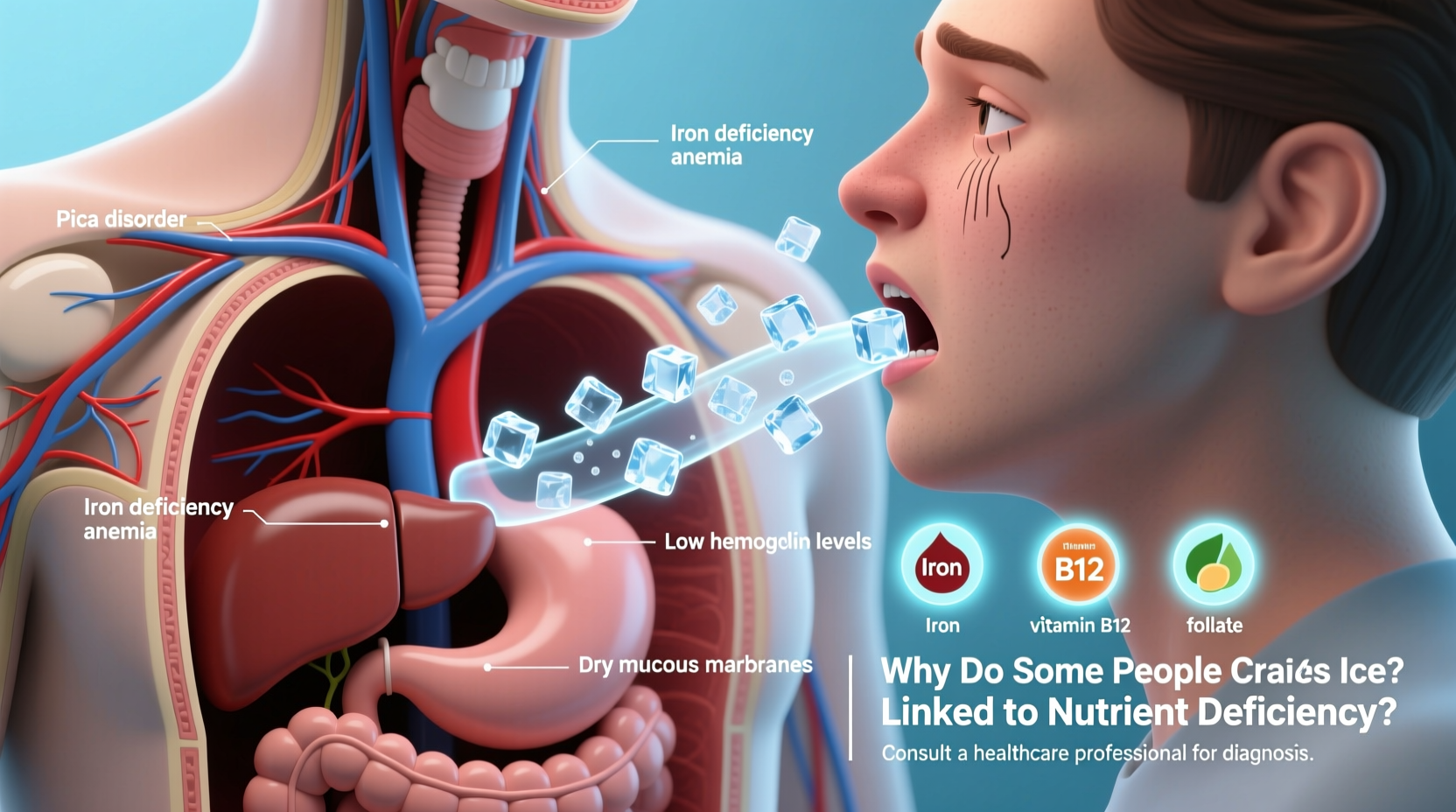
At first glance, eating ice appears benign. It’s calorie-free, doesn’t introduce foreign chemicals, and can even provide temporary relief for dry mouth or sore throats. However, when the desire to chew ice becomes compulsive, it may reflect deeper physiological imbalances. Researchers have observed a strong correlation between pagophagia and iron deficiency, especially in women of reproductive age, pregnant individuals, and those with chronic gastrointestinal conditions.
One theory explaining this link involves brain function and oxygen delivery. Iron is essential for hemoglobin production, the protein in red blood cells that carries oxygen throughout the body. When iron levels drop, tissues—including the brain—receive less oxygen. Chewing ice may trigger a physiological response that increases alertness and mental clarity in iron-deficient individuals. A small 2014 study published in the Medical Hypotheses journal found that participants with iron deficiency anemia reported improved energy and focus after chewing ice, suggesting a compensatory mechanism for reduced cerebral oxygenation.
“Pagophagia is one of the most specific symptoms of iron deficiency. When patients present with chronic ice-chewing behavior, we immediately consider checking ferritin and hemoglobin levels.” — Dr. Lena Patel, Hematology Specialist
Iron Deficiency: The Primary Suspect
Iron deficiency anemia remains the most well-documented cause of ice cravings. The body requires iron to produce myoglobin, a protein that helps muscle cells store and use oxygen, and hemoglobin. Without sufficient iron, red blood cell production slows, leading to fatigue, weakness, pale skin, and—frequently—unusual food cravings.
Women are disproportionately affected due to menstrual blood loss, pregnancy, and increased nutritional demands. However, men and postmenopausal women with unexplained ice cravings should also be evaluated, as the symptom could indicate gastrointestinal bleeding, malabsorption disorders like celiac disease, or chronic inflammation.
Beyond fatigue and pallor, signs of iron deficiency include:
- Dizziness or lightheadedness
- Cold hands and feet
- Brittle nails
- Shortness of breath during mild exertion
- Restless legs syndrome
- Swollen or sore tongue
Other Possible Causes and Contributing Factors
While iron deficiency is the most prominent explanation, other factors may contribute to or mimic ice cravings:
Pregnancy
Pregnant individuals often experience unusual food cravings, including ice. Hormonal shifts, increased blood volume, and higher iron demands can all play a role. In fact, up to half of pregnant women report some form of pica, with pagophagia being among the most common. Though not always dangerous, these cravings should be monitored and discussed with a healthcare provider.
Mental Health Conditions
In some cases, compulsive ice chewing may be linked to obsessive-compulsive disorder (OCD), anxiety, or developmental disorders. Repetitive behaviors such as chewing ice can serve as self-soothing mechanisms. However, if no nutritional deficiency is present, psychological evaluation may be warranted.
Malnutrition and Other Deficiencies
Though less common, deficiencies in zinc, magnesium, or B vitamins may also lead to pica-like behaviors. These nutrients support neurological function and appetite regulation. Individuals recovering from eating disorders, bariatric surgery patients, or those with limited dietary variety may be at higher risk.
Dehydration and Dry Mouth
Some people chew ice simply because they suffer from chronic dry mouth (xerostomia), which can result from medications, autoimmune diseases like Sjögren’s syndrome, or dehydration. While this doesn’t necessarily indicate a nutrient deficiency, the habit can still lead to dental damage over time.
Dental Risks of Chronic Ice Chewing
Regardless of the underlying cause, habitual ice chewing poses real risks to oral health. Ice is hard and can fracture tooth enamel, leading to cracks, chips, or broken teeth. It may also damage dental restorations like fillings, crowns, or veneers.
Additional dental complications include:
- Increased sensitivity to temperature
- Gum irritation or recession
- Jaw pain or temporomandibular joint (TMJ) strain
- Higher risk of cavities if sugary drinks accompany the ice
| Risk Factor | Description | Prevention Strategy |
|---|---|---|
| Enamel Fracture | Ice’s hardness exceeds that of tooth enamel, increasing breakage risk | Avoid chewing; let ice melt instead |
| Dental Restorations Damage | Crowns, fillings, or implants may crack under pressure | Consult dentist about safer alternatives |
| TMJ Strain | Repetitive jaw motion can inflame joints | Limit chewing duration; apply heat therapy |
| Sensitivity | Micro-cracks expose dentin, causing pain with hot/cold stimuli | Use desensitizing toothpaste; avoid extreme temperatures |
Diagnosis and Treatment Pathway
If ice cravings persist for more than a few weeks, especially alongside fatigue or other symptoms, medical evaluation is crucial. Diagnosis typically begins with a complete blood count (CBC) and iron studies, including serum ferritin, transferrin saturation, and total iron-binding capacity (TIBC).
Step-by-Step Guide to Addressing Ice Cravings
- Track the Behavior: Note frequency, quantity, and triggers for ice chewing over one week.
- Assess Symptoms: Record any signs of fatigue, dizziness, shortness of breath, or paleness.
- See a Healthcare Provider: Request blood tests to evaluate iron status and rule out anemia.
- Review Diet and Lifestyle: Discuss menstrual history, diet, digestive issues, or recent surgeries.
- Begin Treatment: If iron deficiency is confirmed, follow prescribed supplementation and dietary changes.
- Monitor Progress: Re-test iron levels after 2–3 months; observe changes in cravings.
Iron supplements, particularly ferrous sulfate, ferrous gluconate, or ferrous fumarate, are commonly prescribed. However, they can cause side effects like constipation, nausea, or dark stools. Taking iron with vitamin C-rich foods (e.g., orange juice) enhances absorption, while calcium, tea, and coffee can inhibit it.
Real-Life Example: A Case of Undiagnosed Anemia
Sarah, a 32-year-old teacher, began craving ice intensely during her morning commute. She would refill her water cup with ice multiple times a day, not out of thirst but for the crunch. Over six months, she also noticed increasing fatigue, difficulty concentrating, and frequent headaches. Her primary care physician ordered blood work, revealing a ferritin level of 8 ng/mL (normal: 15–150) and hemoglobin of 10.8 g/dL (normal: 12–16). Diagnosed with iron deficiency anemia, Sarah started taking iron supplements and incorporated more red meat, lentils, and spinach into her diet. Within eight weeks, her energy returned—and so did the disappearance of her ice cravings.
This case highlights how a seemingly minor habit can signal a significant health issue. Early intervention prevented further complications like heart strain or severe fatigue.
Nutrition and Prevention Checklist
To reduce the risk of iron deficiency and related cravings, follow this actionable checklist:
- ✔ Eat iron-rich foods daily: lean red meat, poultry, fish, beans, tofu, fortified cereals
- ✔ Pair plant-based iron sources with vitamin C: bell peppers, citrus fruits, strawberries
- ✔ Limit tea and coffee around meals to avoid absorption interference
- ✔ Consider a multivitamin with iron if dietary intake is low or needs are high (e.g., pregnancy)
- ✔ Schedule regular blood tests if at risk (heavy periods, vegetarian diet, GI conditions)
- ✔ Avoid chronic ice chewing; switch to chilled water or sugar-free gum if needed
Frequently Asked Questions
Is craving ice always a sign of anemia?
No, not always. While ice cravings are strongly associated with iron deficiency, they can also occur due to pregnancy, dehydration, dry mouth, or psychological factors. However, given the high correlation, it’s wise to rule out anemia with a blood test.
Can children crave ice for the same reasons?
Yes. Children with iron deficiency may develop pagophagia. Parents should watch for signs like fatigue, poor concentration, or unusual eating habits. Pediatricians can perform simple blood tests to assess iron status.
How long does it take for ice cravings to stop after starting iron treatment?
Many people notice a reduction in cravings within 1–2 weeks of beginning iron supplementation, even before hemoglobin levels fully normalize. Complete resolution often occurs within 1–3 months with consistent treatment.
Conclusion: Listen to Your Body’s Signals
Craving ice may seem trivial, but it can be your body’s way of signaling a hidden deficiency. Iron deficiency anemia affects millions worldwide, often going undiagnosed until symptoms become severe. Recognizing pagophagia as a potential red flag empowers individuals to seek timely care and restore their health.
Don’t dismiss persistent ice chewing as mere habit. Investigate the cause, improve your nutrition, and consult a healthcare provider when needed. Small changes today—like adding spinach to your smoothie or scheduling a blood test—can prevent bigger health challenges tomorrow.




 浙公网安备
33010002000092号
浙公网安备
33010002000092号 浙B2-20120091-4
Comments
No comments yet. Why don't you start the discussion?