
Craving ice is more common than many realize, but when someone finds themselves chewing on ice cubes compulsively, especially between meals or without any apparent reason, it may be more than just a quirky habit. Known medically as pagophagia—a form of pica—persistent ice craving can point to underlying nutritional imbalances, particularly iron deficiency anemia. While seemingly harmless, this behavior often serves as a subtle red flag from the body, signaling that something essential is missing. Understanding why ice becomes irresistible to certain individuals offers insight into broader health patterns and opens the door to early diagnosis and intervention.
The Science Behind Ice Cravings
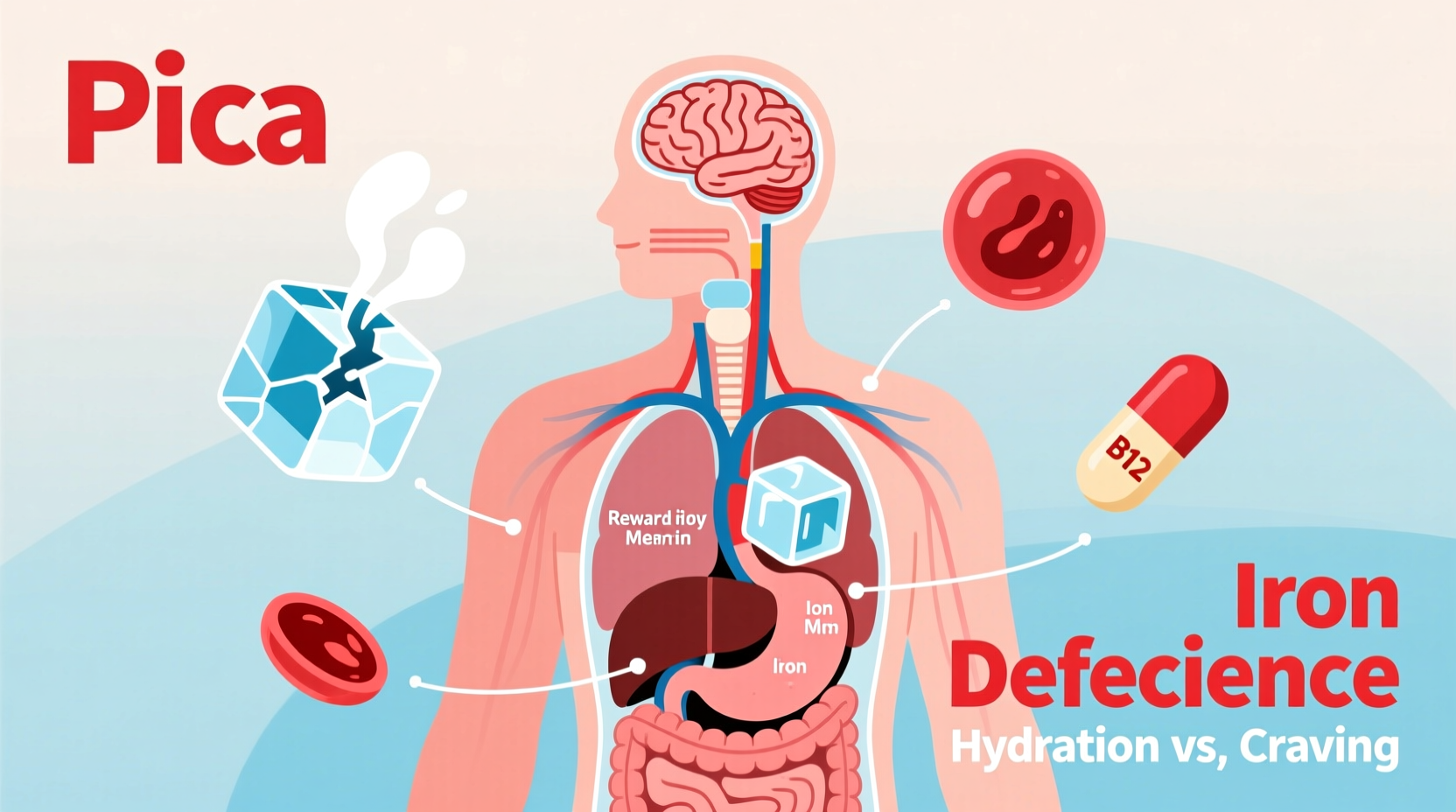
At first glance, consuming plain ice appears nutritionally inert—after all, it’s water in solid form. But for those experiencing chronic ice cravings, the compulsion goes beyond temperature preference or oral fixation. Research has linked pagophagia most consistently with iron deficiency, even in cases where full-blown anemia hasn’t yet developed. One theory suggests that chewing ice provides a physiological boost to individuals with low iron levels by increasing alertness through enhanced cerebral blood flow.
A small but notable 2014 study published in the Medical Hypotheses journal found that participants with iron deficiency anemia who chewed ice reported improved mental clarity and reduced fatigue within minutes. This effect was absent in those with normal iron levels, suggesting a neurological mechanism at play. Scientists believe that the act of chewing ice triggers a vascular response—possibly due to its cooling effect on the mouth—that increases oxygen delivery to the brain, temporarily counteracting the lethargy caused by low hemoglobin.
“Pagophagia is one of the most specific cravings associated with iron deficiency. When a patient reports compulsive ice chewing, we immediately consider checking ferritin and serum iron levels.” — Dr. Lena Torres, Hematology Specialist
Nutritional Deficiencies Linked to Ice Cravings
While iron deficiency remains the primary suspect, other nutrient imbalances may also contribute to unusual cravings like pagophagia. The condition falls under the umbrella of pica—an eating disorder characterized by the consumption of non-nutritive substances such as dirt, clay, starch, or paper. Pica itself is often rooted in micronutrient deficiencies, stress, pregnancy, or developmental conditions.
- Iron Deficiency Anemia: The strongest correlation exists here. Low iron impairs oxygen transport, leading to fatigue, weakness, and pallor. Ice chewing may offer temporary relief from cognitive fog.
- Zinc Deficiency: Though less directly linked, zinc plays a role in taste perception and immune function. Imbalances can alter appetite regulation and trigger odd food or substance cravings.
- Magnesium Deficiency: Some anecdotal evidence ties magnesium insufficiency to oral compulsions, though research remains limited.
- Pregnancy-Related Changes: Hormonal fluctuations and increased nutrient demands during pregnancy can induce pica behaviors, including ice cravings.
Who Is Most at Risk?
Certain populations are more prone to developing ice cravings due to biological, lifestyle, or medical factors. Identifying high-risk groups helps in early detection and prevention of complications related to undiagnosed deficiencies.
- Women of Childbearing Age: Monthly menstruation increases iron loss, making this group particularly vulnerable to deficiency. Studies show women reporting pagophagia are significantly more likely to have low ferritin levels.
- Pregnant Individuals: Blood volume expands during pregnancy, diluting hemoglobin concentration. Combined with fetal demands, this raises iron needs dramatically.
- Individuals with Gastrointestinal Disorders: Conditions like celiac disease, Crohn’s disease, or gastric bypass surgery impair nutrient absorption, heightening the risk of deficiencies.
- Vegans and Vegetarians: Plant-based diets contain non-heme iron, which is less efficiently absorbed than the heme iron found in animal products.
- Teens and Adolescents: Rapid growth spurts increase iron requirements, especially in girls beginning menstruation.
Mini Case Study: Sarah’s Persistent Fatigue
Sarah, a 29-year-old graphic designer, had been chewing ice constantly for over six months. She kept a freezer pack at her desk and would refill her cup multiple times a day, not out of thirst but because she felt “off” if she wasn’t crunching. Initially dismissing it as a stress habit, she began noticing worsening fatigue, dizziness upon standing, and difficulty concentrating. Her primary care physician ordered blood work, which revealed a ferritin level of 8 ng/mL (normal: 15–150), confirming severe iron deficiency. After starting supplementation and dietary adjustments, Sarah’s ice cravings subsided within three weeks—even before her energy fully returned. Her case highlights how behavioral symptoms can precede clinical awareness of deficiency.
Diagnosis and Medical Evaluation
Because ice craving isn’t typically listed as a primary symptom on standard checklists, it’s often overlooked unless patients bring it up. Yet, healthcare providers increasingly recognize its diagnostic value. A thorough evaluation usually includes:
- Blood tests: Complete blood count (CBC), serum ferritin, serum iron, total iron-binding capacity (TIBC), and transferrin saturation.
- Differential diagnosis: Ruling out other causes of fatigue, such as thyroid dysfunction, sleep apnea, or depression.
- Dietary assessment: Evaluating intake of iron-rich foods, inhibitors (like caffeine), and enhancers (such as vitamin C).
Ferritin—the protein that stores iron—is the most sensitive marker for early deficiency. Levels below 30 ng/mL are considered depleted, even if hemoglobin remains normal. This stage, known as iron-deficient erythropoiesis, may still present with symptoms like restless legs, brittle nails, and yes—ice cravings.
Do’s and Don’ts When Addressing Ice Cravings
| Do’s | Don’ts |
|---|---|
| Get tested for iron deficiency if ice chewing persists beyond a few weeks | Ignore persistent cravings assuming they’re just a habit |
| Incorporate heme iron sources like lean red meat, poultry, and fish | Rely solely on spinach or plant-based iron without pairing with vitamin C |
| Take iron supplements only under medical supervision | Self-prescribe high-dose iron, which can cause toxicity |
| Pair iron-rich meals with citrus fruits or bell peppers to enhance absorption | Drink coffee or tea with meals, as tannins inhibit iron uptake |
Effective Strategies to Address the Root Cause
Treating ice cravings isn’t about eliminating the behavior alone—it’s about resolving the underlying deficiency. A multifaceted approach yields the best outcomes.
Step-by-Step Guide to Managing Iron Deficiency
- Confirm Diagnosis: Request a full iron panel from your doctor. Don’t settle for a basic CBC if symptoms persist.
- Begin Supplementation (if prescribed): Ferrous sulfate, gluconate, or bisglycinate are common forms. Take on an empty stomach with vitamin C (e.g., orange juice) for optimal absorption.
- Adjust Diet: Include two to three servings daily of iron-rich foods. Prioritize heme iron sources when possible.
- Monitor Progress: Repeat blood tests after 6–8 weeks to assess improvement in ferritin and hemoglobin.
- Address Absorption Barriers: Treat gut issues like SIBO, H. pylori, or low stomach acid that may hinder iron uptake.
- Prevent Recurrence: Maintain balanced nutrition and recheck levels annually, especially for high-risk individuals.
Foods That Support Iron Repletion
- Heme Iron Sources: Oysters (7.8 mg per 3 oz), beef liver (5.2 mg), ground beef (2.2 mg), chicken dark meat (1.1 mg)
- Non-Heme Iron Boosters: Lentils (6.6 mg/cup), tofu (3.4 mg/½ cup), fortified cereals (varies), pumpkin seeds (2.5 mg/oz)
- Vitamin C Pairings: Bell peppers, strawberries, broccoli, tomatoes, oranges
FAQ: Common Questions About Ice Cravings
Is chewing ice harmful?
Occasional ice chewing is generally safe, but chronic pagophagia can lead to dental problems such as enamel erosion, cracked teeth, or jaw pain. It may also indicate an untreated medical issue, so prolonged use should prompt evaluation.
Can you crave ice without being anemic?
Yes. Some individuals experience ice cravings during early stages of iron depletion, before anemia develops. Low ferritin alone—sometimes called “iron deficiency without anemia”—can trigger the behavior. Other factors like stress, OCD tendencies, or habitual oral stimulation may also play a role.
How long does it take for ice cravings to stop after starting iron treatment?
Many people report reduced cravings within 1–3 weeks of beginning effective iron therapy, often before hemoglobin levels normalize. This rapid response supports the theory that ice chewing provides neurological relief tied to cerebral perfusion.
Conclusion: Listen to What Your Body Is Telling You
Craving ice is not merely a quirk—it can be a meaningful physiological signal. The body communicates distress in subtle ways, and compulsive behaviors like pagophagia deserve attention rather than dismissal. Recognizing this pattern as a potential indicator of iron deficiency empowers individuals to seek timely testing and treatment. Left unaddressed, iron deficiency can progress to anemia, impairing physical performance, cognitive function, and overall quality of life. But with proper diagnosis and nutritional support, both the deficiency and the craving can resolve effectively.
If you’ve noticed an unexplained urge to chew ice, don’t brush it off. Use it as motivation to explore your iron status and overall well-being. Small changes in diet, supplementation, and medical follow-up can yield significant improvements—not just in your energy levels, but in your long-term health resilience.




 浙公网安备
33010002000092号
浙公网安备
33010002000092号 浙B2-20120091-4
Comments
No comments yet. Why don't you start the discussion?