
Chewing ice is more than just a habit for some—it's an intense, nearly irresistible urge that can occur throughout the day and night. While occasional crunching on ice might seem harmless, a persistent and overwhelming desire to chew or consume ice may signal something deeper occurring within the body. Known medically as pagophagia, chronic ice craving is often linked to underlying nutritional deficiencies, particularly iron deficiency anemia. This condition falls under the broader category of pica—an eating disorder characterized by cravings for non-nutritive substances such as dirt, chalk, paper, or ice.
Understanding the connection between ice cravings and deficiencies is crucial not only for diagnosis but also for effective treatment. Left unaddressed, these cravings may point to long-term health issues that affect energy levels, cognitive function, and overall well-being. This article explores the science behind ice cravings, identifies key deficiencies involved, outlines warning signs, and provides practical guidance for those experiencing this symptom.
The Science Behind Ice Cravings: What Is Pagophagia?
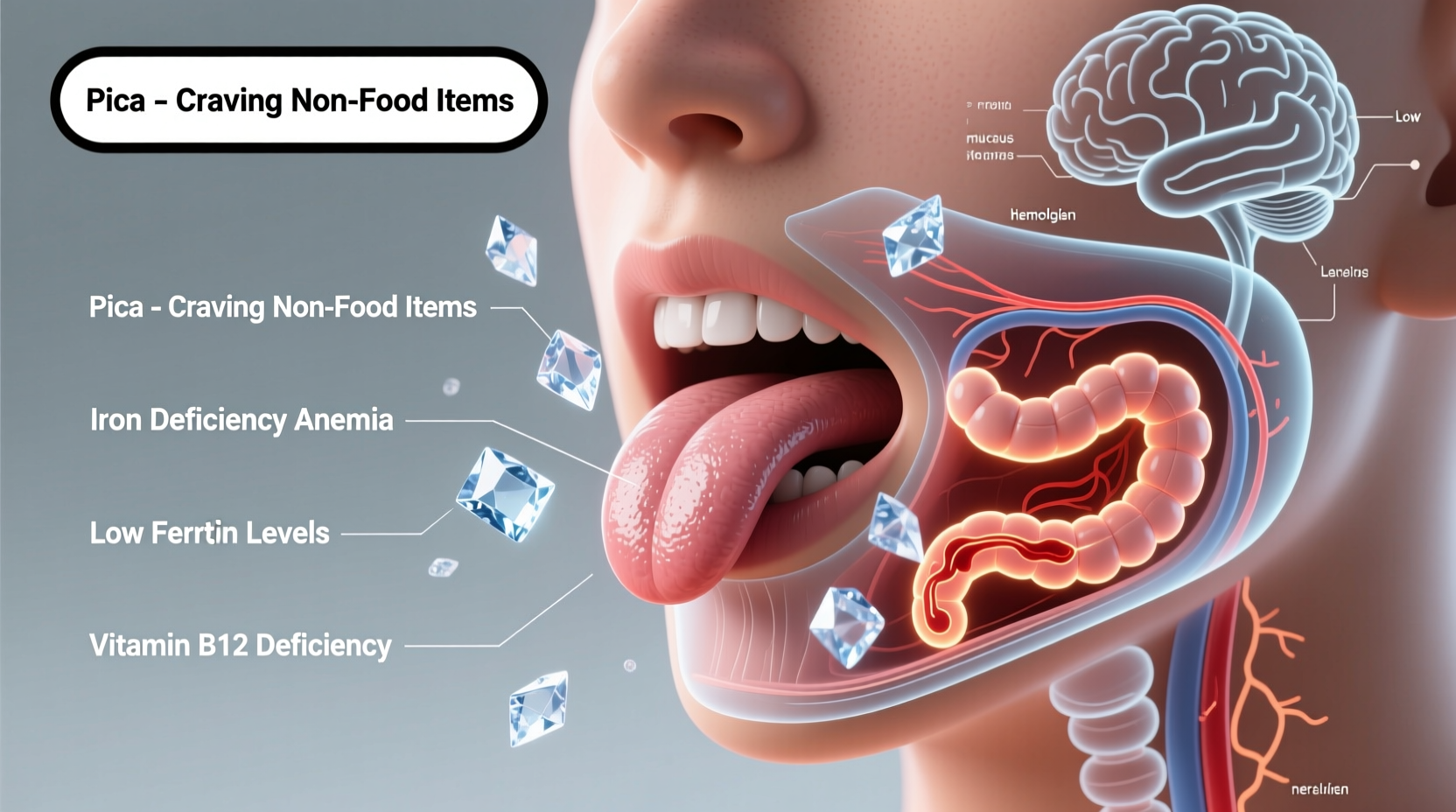
Pagophagia is defined as the compulsive consumption of ice, typically in the form of chewing large amounts of frozen water. Unlike casual ice chewing after a drink, individuals with pagophagia feel driven to chew ice continuously—sometimes consuming several cups per day. The behavior often begins subtly but intensifies over time, becoming disruptive to daily life.
Research has consistently shown a strong correlation between pagophagia and iron deficiency, even in cases where full-blown anemia hasn't yet developed. A 2015 study published in the journal *Pediatrics* found that children with iron deficiency were significantly more likely to exhibit pica behaviors, including ice chewing, compared to their peers with normal iron levels.
One theory explaining this link involves brain function and oxygen delivery. Iron is essential for hemoglobin production, which carries oxygen in red blood cells. When iron stores are low, tissues—including the brain—receive less oxygen. Chewing ice may provide a temporary boost in alertness or mental clarity due to increased cerebral blood flow triggered by the cold stimulus. In effect, the act becomes self-reinforcing: the person feels momentarily sharper after chewing ice, reinforcing the behavior.
“Pagophagia should never be dismissed as a quirky habit. It’s one of the most specific indicators of iron deficiency we see in clinical practice.” — Dr. Lena Patel, Hematologist at Boston General Hospital
Iron Deficiency: The Primary Suspect Behind Constant Ice Craving
Among all potential causes, iron deficiency stands out as the most common and well-documented trigger for persistent ice cravings. Iron plays a vital role in producing hemoglobin, myoglobin, and various enzymes involved in energy metabolism and neurological function. When the body lacks sufficient iron, it struggles to produce enough healthy red blood cells, leading to fatigue, weakness, and—often—unusual food cravings.
Not everyone with iron deficiency develops anemia immediately. There’s a phase known as \"iron depletion\" or \"pre-latent iron deficiency,\" during which ferritin (the protein that stores iron) levels drop, but hemoglobin remains within the normal range. Even at this stage, patients may report symptoms like restless legs, brittle nails, hair loss, and yes—ice cravings.
Why does iron deficiency specifically lead to ice cravings? Scientists believe it may relate to dopamine regulation. Iron is a cofactor in dopamine synthesis, and low iron levels can disrupt dopaminergic pathways in the brain. Since dopamine influences reward-seeking behavior, its dysregulation could explain compulsive actions like pagophagia.
Other Possible Deficiencies and Contributing Factors
While iron deficiency is the leading cause, other nutrient imbalances may contribute to or exacerbate ice cravings:
- Zinc deficiency: Like iron, zinc supports immune function and enzyme activity. Low zinc levels have been associated with altered taste perception and appetite changes, potentially influencing unusual cravings.
- Magnesium deficiency: Magnesium helps regulate muscle and nerve function. Some anecdotal reports suggest magnesium supplements reduce compulsive chewing behaviors, though research is limited.
- B-complex vitamins: Particularly B12 and folate, which are critical for red blood cell formation. Deficiencies here can mimic iron deficiency symptoms and may coexist with it.
Additionally, certain conditions increase the risk of developing both nutrient deficiencies and pica-like behaviors:
- Pregnancy: Up to 50% of pregnant women experience pica, often due to increased iron demands and hormonal shifts.
- Celiac disease: Malabsorption from intestinal damage can impair nutrient uptake, increasing deficiency risks.
- Gastrointestinal surgery: Procedures like gastric bypass limit nutrient absorption, making deficiencies more likely.
- Eating disorders: Anorexia nervosa and bulimia are frequently accompanied by pica behaviors, including ice chewing.
Who Is Most at Risk?
Populations most vulnerable to iron deficiency and related ice cravings include:
- Women of reproductive age (especially those with heavy menstrual bleeding)
- Pregnant and postpartum individuals
- Infants and young children (particularly those with poor diets)
- Vegans and vegetarians (due to lower bioavailability of plant-based iron)
- Individuals with chronic gastrointestinal conditions (e.g., Crohn’s disease, ulcers)
Recognizing the Signs: Symptoms That Accompany Ice Cravings
Ice craving rarely occurs in isolation. It’s usually part of a constellation of symptoms indicating an underlying issue. Key signs to watch for include:
| Symptom | Possible Cause | Action Step |
|---|---|---|
| Fatigue and weakness | Low oxygen delivery due to anemia | Check hemoglobin and ferritin levels |
| Pale skin, especially inside lips or eyelids | Reduced red blood cell count | Consult primary care provider |
| Dizziness or lightheadedness | Cerebral hypoxia (low brain oxygen) | Avoid standing up quickly; get tested |
| Brittle nails or spoon-shaped nails (koilonychia) | Chronic iron deficiency | Request full iron panel |
| Shortness of breath during mild exertion | Anemia-related cardiorespiratory strain | Seek medical evaluation promptly |
When to Seek Medical Help
If ice craving persists beyond a few days and is accompanied by any of the above symptoms, it’s important to consult a healthcare provider. Self-diagnosis or supplementation without testing can be risky—excess iron intake can lead to organ damage, especially in individuals with undiagnosed hemochromatosis (a genetic disorder causing iron overload).
Diagnosis and Treatment: A Practical Path Forward
Diagnosing the root cause of ice cravings starts with a comprehensive medical evaluation. Here’s what typically happens during assessment:
- Medical history review: Doctors will ask about diet, menstrual patterns, digestive issues, surgeries, and family history of anemia.
- Physical examination: Checking for pallor, heart rate irregularities, and nail changes.
- Blood tests: These usually include:
- Complete Blood Count (CBC)
- Serum ferritin (best indicator of iron stores)
- Serum iron and total iron-binding capacity (TIBC)
- Vitamin B12 and folate levels
- Further investigation if needed: Endoscopy, colonoscopy, or celiac screening may be recommended if internal bleeding or malabsorption is suspected.
Treatment Options Based on Diagnosis
Once a deficiency is confirmed, treatment depends on severity and cause:
- Oral iron supplements: Ferrous sulfate, ferrous gluconate, or ferrous fumarate are commonly prescribed. They work best when taken on an empty stomach with vitamin C to enhance absorption.
- Dietary changes: Incorporating iron-rich foods like lean red meat, poultry, lentils, spinach, tofu, and fortified cereals.
- Intravenous iron therapy: For severe deficiency or patients who cannot tolerate oral iron.
- Treating underlying conditions: Managing heavy periods, healing gut inflammation, or adjusting medications affecting nutrient absorption.
Real-Life Example: Sarah’s Story
Sarah, a 32-year-old teacher, began noticing she was going through entire trays of ice each day. She’d refill her glass constantly, not because she was thirsty, but because she felt anxious and mentally foggy unless she was chewing. At first, she laughed it off as a quirk. But when she started feeling dizzy climbing stairs and noticed her heartbeat racing unexpectedly, she scheduled a doctor’s visit.
Bloodwork revealed a serum ferritin level of 8 ng/mL (normal: 15–150), confirming severe iron depletion. Her hemoglobin was borderline low. After discussing her heavy periods and vegetarian diet, her physician diagnosed iron deficiency and prescribed a supplement regimen along with dietary coaching. Within six weeks, Sarah’s ice cravings had diminished dramatically. By three months, they had disappeared entirely.
“I didn’t realize how much brain fog I was living with until it lifted,” Sarah said. “Now I understand that my body was trying to tell me something all along.”
Frequently Asked Questions
Is chewing ice harmful?
Yes, chronic ice chewing can damage tooth enamel, crack fillings, or lead to jaw pain and temporomandibular joint (TMJ) disorders. Dentists often advise against it, especially in patients with existing dental work.
Can you have iron deficiency without being anemic?
Absolutely. Iron deficiency progresses in stages. Early on, only ferritin drops while hemoglobin stays normal. This stage can still cause fatigue, poor concentration, and ice cravings—even without anemia.
How long does it take for ice cravings to stop after starting iron treatment?
Many people notice improvement within 1–2 weeks of beginning iron supplementation, even before hemoglobin levels rise. This rapid response supports the theory that ice chewing is neurologically driven rather than purely physical.
Prevention Checklist: Reduce Your Risk of Deficiency-Related Cravings
To maintain healthy iron and nutrient levels and avoid developing compulsive ice cravings, follow this actionable checklist:
- ✅ Eat iron-rich foods regularly—include both heme (animal-based) and non-heme (plant-based) sources.
- ✅ Pair plant-based iron with vitamin C-rich foods (e.g., bell peppers, oranges, strawberries) to improve absorption.
- ✅ Limit tea, coffee, and calcium supplements around meals.
- ✅ Monitor menstrual flow—if periods are heavy or prolonged, discuss management options with your doctor.
- ✅ Get routine bloodwork, especially if you belong to a high-risk group (women, vegetarians, athletes).
- ✅ Address digestive concerns early—chronic bloating, diarrhea, or reflux may indicate malabsorption.
Conclusion: Listen to Your Body’s Signals
Craving ice constantly isn’t just odd—it’s a meaningful physiological signal. Far from being a trivial habit, pagophagia often reflects a silent deficiency that, if left untreated, can impact quality of life, cognitive performance, and long-term health. Recognizing this craving as a potential red flag allows for timely intervention, whether through dietary adjustments, supplementation, or medical treatment.
Don’t ignore persistent urges, especially when paired with fatigue, dizziness, or paleness. A simple blood test could uncover the root cause and set you on a path to renewed energy and well-being. Your body communicates in subtle ways—learn to listen, respond, and restore balance.




 浙公网安备
33010002000092号
浙公网安备
33010002000092号 浙B2-20120091-4
Comments
No comments yet. Why don't you start the discussion?