
Dizziness after vaping is a surprisingly common experience, especially among new users or those experimenting with different devices and nicotine strengths. While occasional lightheadedness may not be cause for alarm, persistent or severe dizziness can signal underlying health issues or misuse of vaping products. Understanding the physiological mechanisms behind this reaction—and knowing when it’s time to consult a healthcare provider—is essential for anyone using e-cigarettes or vape pens.
This article breaks down the key reasons behind post-vaping dizziness, explores how nicotine and device settings affect your body, and provides clear guidance on recognizing dangerous symptoms that require immediate attention.
The Role of Nicotine in Vaping-Related Dizziness
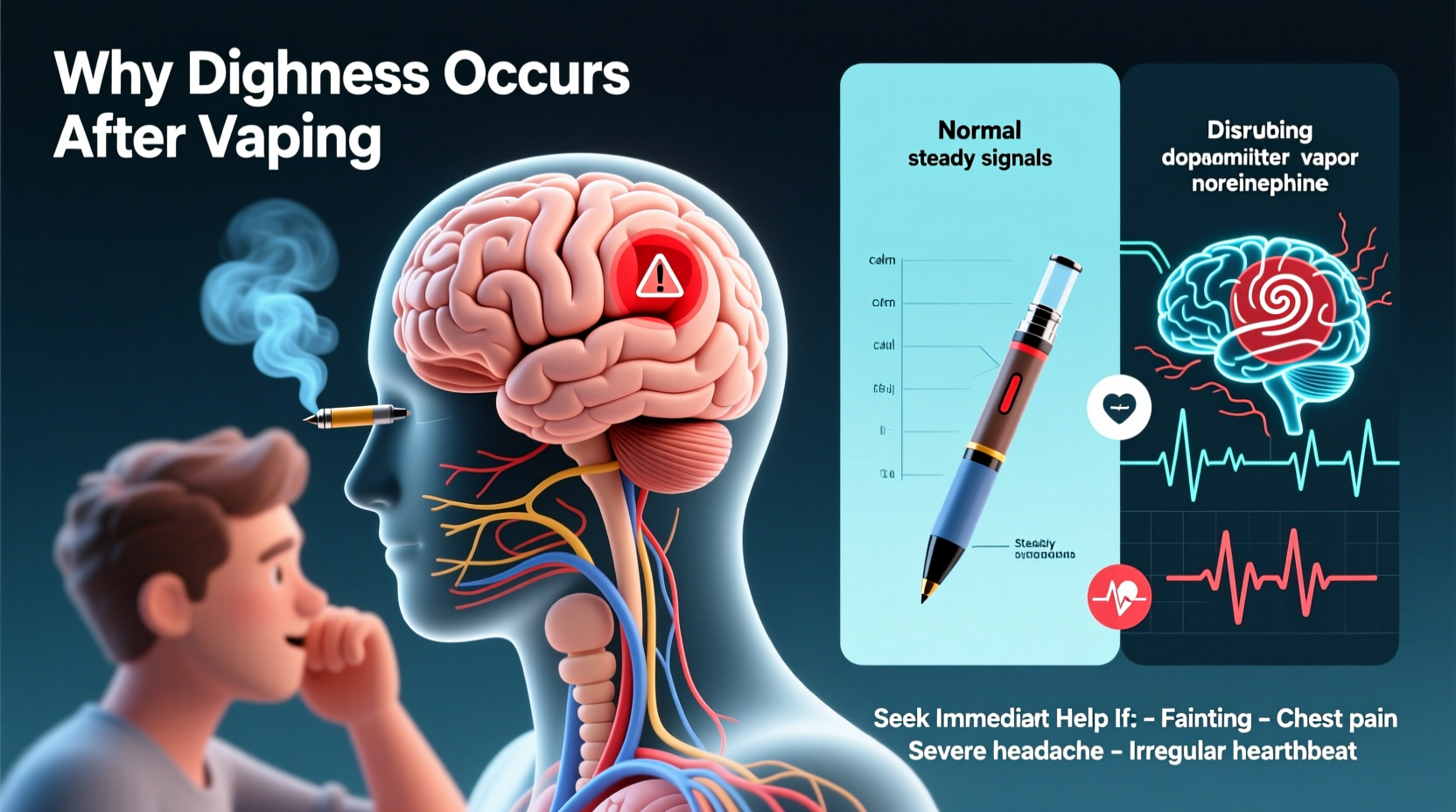
Nicotine is a powerful stimulant found in most e-liquids, and its effects on the central nervous system are central to understanding why dizziness occurs. When inhaled through vaping, nicotine enters the bloodstream rapidly—often within seconds—triggering a cascade of physiological responses.
One of the primary actions of nicotine is stimulating the release of adrenaline (epinephrine), which increases heart rate and blood pressure. This sudden spike can disrupt normal blood flow to the brain, leading to sensations of lightheadedness or vertigo. In some individuals, particularly those sensitive to stimulants or with pre-existing cardiovascular conditions, even small doses can provoke a pronounced reaction.
Nicotine also affects cerebral blood vessels. It can cause vasoconstriction—the narrowing of blood vessels—which may reduce oxygen delivery to parts of the brain responsible for balance and spatial orientation. This contributes directly to feelings of unsteadiness or faintness.
Overconsumption and Nicotine Poisoning
Another major contributor to dizziness is nicotine overconsumption, sometimes referred to as \"nicotine poisoning\" in extreme cases. Unlike traditional cigarettes, which deliver a relatively consistent dose per puff, vaping allows for highly variable intake depending on device power, coil resistance, inhalation duration, and e-liquid concentration.
Users of high-powered sub-ohm devices or nicotine salt formulations may unknowingly ingest excessive amounts of nicotine in a short period. Symptoms of mild nicotine overdose include:
- Dizziness or lightheadedness
- Nausea and vomiting
- Rapid heartbeat (tachycardia)
- Sweating and tremors
- Headaches
- Anxiety or restlessness
In more serious cases, confusion, seizures, or respiratory distress may occur—requiring emergency care.
“Nicotine is a toxin at high doses. The margin between satisfaction and toxicity can be narrow, especially with modern high-concentration vape juices.” — Dr. Linda Chen, Pulmonologist and Tobacco Researcher
Device Settings and Inhalation Technique
How you use your vape device plays a critical role in whether you experience dizziness. Factors such as wattage output, airflow settings, and inhalation method influence both vapor production and nicotine delivery.
High-wattage devices produce dense vapor clouds and increase the efficiency of nicotine absorption. Deep, prolonged inhales—especially when combined with breath-holding—can amplify this effect, overwhelming the body's ability to process the chemical load.
Additionally, mouth-to-lung (MTL) versus direct-to-lung (DTL) vaping styles result in different absorption rates. MTL mimics cigarette smoking and generally delivers less nicotine per puff, making it less likely to cause dizziness. DTL, common in sub-ohm tanks and mods, involves larger puffs directly into the lungs and significantly boosts nicotine intake—especially if used with potent e-liquids.
| Vaping Style | Average Nicotine Absorption | Dizziness Risk Level |
|---|---|---|
| Mouth-to-Lung (MTL) | Low to moderate | Low |
| Direct-to-Lung (DTL) | High | Moderate to High |
| Pod Systems (Nicotine Salts) | Very high (rapid) | High (especially for beginners) |
Dehydration and Oxygen Displacement
Vaping can indirectly lead to dizziness by contributing to dehydration. Propylene glycol (PG) and vegetable glycerin (VG), the base ingredients in most e-liquids, are hygroscopic—meaning they draw moisture from their surroundings, including your mouth, throat, and respiratory tract.
Frequent vaping throughout the day can dry out mucous membranes and reduce overall hydration levels. Dehydration impairs circulation and reduces blood volume, both of which can lower blood pressure and trigger dizziness, especially upon standing.
Furthermore, taking large or repeated puffs in quick succession may temporarily displace oxygen in the lungs. Known colloquially as “vaper’s tongue” when referring to taste fatigue, this practice can also lead to hypoxia-like symptoms—lightheadedness, tingling extremities, and shortness of breath—due to reduced oxygen exchange during rapid exhalation cycles.
Underlying Health Conditions That Increase Risk
Not everyone reacts to vaping the same way. Individuals with certain pre-existing conditions are far more susceptible to adverse effects like dizziness. These include:
- Low blood pressure (hypotension): Sudden nicotine-induced changes in vascular tone can worsen dizziness.
- Anemia: Reduced red blood cell count limits oxygen transport, amplifying the impact of any respiratory disruption.
- Inner ear disorders (e.g., Meniere’s disease): Balance centers in the ear may become more sensitive to stimulant effects.
- Anxiety or panic disorders: Nicotine can exacerbate nervous system hyperactivity, triggering vertigo-like sensations.
- Cardiovascular disease: Heart rhythm irregularities or poor circulation increase vulnerability to nicotine’s stimulant properties.
If you have one or more of these conditions, even light vaping may provoke discomfort. Monitoring your response closely and consulting a physician before use is strongly advised.
When to Seek Medical Help
Occasional, mild dizziness that resolves quickly after stopping vaping is usually not dangerous. However, certain symptoms indicate a need for prompt medical evaluation. Ignoring these warning signs could delay treatment for serious complications.
Red Flags Requiring Immediate Attention
- Chest pain or tightness: May signal cardiac stress or arrhythmia triggered by nicotine overload.
- Severe shortness of breath: Could indicate bronchospasm, acute lung injury, or pulmonary edema.
- Fainting or near-fainting episodes: A sign of significant blood pressure fluctuation or neurological disturbance.
- Persistent nausea or vomiting: Often accompanies advanced nicotine toxicity.
- Confusion, slurred speech, or weakness: Potential indicators of stroke or seizure activity.
- Rapid or irregular heartbeat lasting more than 15–20 minutes: Requires assessment for tachyarrhythmias.
If any of these symptoms occur shortly after vaping, stop using the device immediately and seek urgent medical care. In cases of suspected nicotine poisoning, contact Poison Control (1-800-222-1222 in the U.S.) or go to the nearest emergency room.
Chronic Dizziness: When to Schedule a Doctor’s Visit
Even if symptoms aren’t life-threatening, recurring dizziness after vaping warrants professional review. A healthcare provider can evaluate potential causes such as:
- Nicotine dependence or inappropriate dosage
- Inner ear dysfunction exacerbated by stimulants
- Autonomic nervous system dysregulation
- Undiagnosed cardiovascular abnormalities
Bringing details about your vaping habits—including device type, e-liquid nicotine concentration, frequency of use, and timing of symptoms—can help your doctor make an accurate assessment.
Prevention and Safer Vaping Practices
Most cases of vaping-related dizziness are preventable with mindful usage habits. Implementing a few simple strategies can significantly reduce risk and improve overall safety.
Step-by-Step Guide to Minimize Dizziness Risk
- Start low, go slow: Begin with e-liquids containing 3–6 mg/mL of nicotine, especially if transitioning from smoking or trying vaping for the first time.
- Choose the right device: Use MTL or pod systems designed for lower nicotine delivery rather than high-power DTL setups unless experienced.
- Limit puff frequency: Avoid chain-vaping; wait at least 1–2 minutes between puffs to allow your body to process nicotine.
- Stay hydrated: Drink water throughout the day to counteract the drying effects of PG/VG.
- Monitor your body’s signals: Pay attention to early signs like jitteriness, warmth, or slight nausea—they often precede dizziness.
- Take breaks: Consider nicotine-free days or periodic abstinence to reset tolerance.
- ☑ Know the nicotine strength of your e-liquid
- ☑ Avoid using high-mg salts with powerful devices
- ☑ Don’t vape on an empty stomach (increases absorption speed)
- ☑ Sit down when trying a new device or flavor
- ☑ Keep devices away from children and pets (risk of ingestion)
Real-Life Example: A Case of Nicotine Overdose
James, a 28-year-old office worker, decided to try vaping after seeing friends use disposable pods. He purchased a popular brand containing 5% (50 mg/mL) nicotine salt liquid, assuming it was similar to regular cigarettes. Within 15 minutes of his first session—taking deep, continuous puffs—he began feeling nauseous and dizzy. His hands started shaking, and he experienced a pounding heartbeat.
He sat down, drank water, and rested for over an hour before symptoms subsided. Confused and concerned, he visited his primary care doctor the next day. After reviewing his symptoms and the product label, the physician explained that James had likely consumed too much nicotine too quickly due to the high concentration and efficient delivery system.
He was advised to switch to a lower-strength option (10 mg/mL freebase nicotine) and adopt slower, less frequent inhalations. With these adjustments, James reported no further issues and gradually adapted to vaping without discomfort.
Frequently Asked Questions
Can non-nicotine vaping cause dizziness?
Yes, though less commonly. Some users report dizziness from inhaling large volumes of vapor, which can temporarily alter oxygen levels or irritate airways. Flavoring additives or sensitivity to propylene glycol may also play a role in rare cases.
Is dizziness worse with certain flavors?
There’s no strong evidence linking specific flavors directly to dizziness. However, menthol or cooling agents (like WS-23) may create a sensation of breathlessness or throat tightness in sensitive individuals, which can be misinterpreted as dizziness or lightheadedness.
How long does vaping-induced dizziness last?
Typically, mild dizziness resolves within 10–30 minutes after stopping use. If symptoms persist beyond an hour or worsen, medical evaluation is recommended.
Conclusion: Prioritize Awareness and Safety
Dizziness after vaping is not something to dismiss lightly. While often temporary and tied to nicotine sensitivity or improper usage, it can sometimes point to deeper health concerns or risky consumption patterns. By understanding how your body responds to stimulants, adjusting your technique, and respecting dosage limits, you can minimize discomfort and protect your well-being.
If you or someone you know experiences troubling symptoms after vaping, don’t hesitate to reach out to a healthcare professional. Knowledge and caution are your best tools for navigating the complexities of modern nicotine delivery systems safely.




 浙公网安备
33010002000092号
浙公网安备
33010002000092号 浙B2-20120091-4
Comments
No comments yet. Why don't you start the discussion?