
Christmas is often portrayed as a time of joy, warmth, and celebration. Yet for many, it brings an unexpected wave of sadness, anxiety, or emotional fatigue. Despite festive decorations, cheerful music, and family gatherings, a significant number of people experience what’s commonly known as the “holiday blues.” The contrast between societal expectations and personal reality can amplify feelings of isolation, loss, and inadequacy. Understanding why this happens requires looking beyond surface-level cheer and examining the deeper psychological and emotional triggers activated during the holiday season.
This phenomenon isn’t rare. Studies suggest that up to 64% of people with existing mental health conditions report worsening symptoms during the holidays. Even those without prior struggles may find themselves emotionally overwhelmed. The reasons are complex and deeply personal—yet they often stem from shared human experiences such as grief, social pressure, financial strain, and unmet emotional needs.
The Myth of Universal Joy: Why Christmas Isn't Happy for Everyone
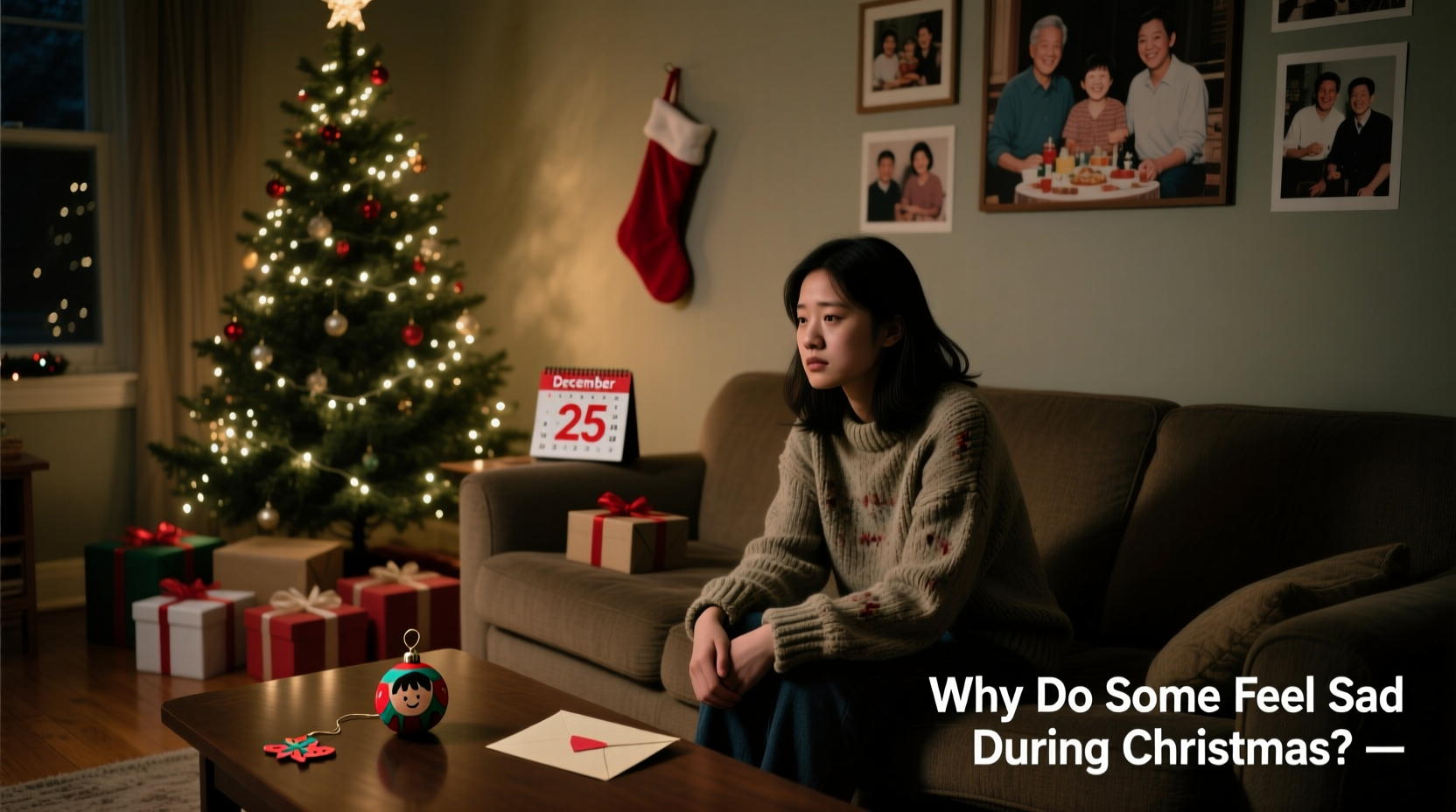
Society reinforces the idea that everyone should be happy during Christmas. Advertisements show families laughing around glowing trees, movies end in heartwarming reunions, and social media floods with curated images of perfect meals and smiling relatives. This cultural narrative creates a powerful expectation: if you're not joyful, there's something wrong with you.
For individuals already struggling with mental health challenges—such as depression, anxiety, or seasonal affective disorder (SAD)—this pressure intensifies their distress. They may feel guilty for not feeling festive, leading to shame and further withdrawal. The dissonance between how they think they should feel and how they actually feel becomes a source of internal conflict.
“Holiday sadness isn’t a failure to celebrate—it’s often a reflection of unresolved grief, loneliness, or emotional exhaustion.” — Dr. Laura Simmons, Clinical Psychologist
The myth of universal joy also marginalizes those who don’t fit the traditional nuclear family model. Single individuals, divorced parents, estranged siblings, or those who’ve lost loved ones may feel invisible or excluded. Their pain doesn’t disappear because others are celebrating; in fact, the contrast can make it more acute.
Common Emotional Triggers During the Holiday Season
Beneath the tinsel and carols lie several psychological stressors that can trigger sadness. These aren't signs of weakness—they’re natural responses to real-life pressures and emotional memories.
- Grief and loss: Holidays magnify absence. Whether someone has recently passed away or years have gone by, Christmas can reopen wounds. Traditions once shared now highlight emptiness at the table.
- Loneliness: Social events emphasize connection, making solitude feel heavier. For those without close relationships or living far from family, silence replaces laughter.
- Financial stress: Gift-giving, travel, and hosting create economic burdens. Worrying about money undermines any sense of peace or generosity.
- Unrealistic expectations: The push to create “perfect” moments leads to performance anxiety. When reality falls short—meals burn, arguments erupt, children cry—the disappointment cuts deep.
- Family tension: Forced proximity with difficult relatives resurfaces old conflicts. Toxic dynamics don’t vanish with mistletoe overhead.
- Seasonal Affective Disorder (SAD): Reduced daylight affects serotonin levels, contributing to low mood, fatigue, and irritability—especially in northern latitudes.
- Nostalgia and comparison: Memories of past Christmases can evoke longing for times perceived as simpler or happier, creating dissatisfaction with the present.
How Past Experiences Shape Present Emotions
Our brains are wired to associate places, sounds, and rituals with memories. The smell of pine, a specific carol, or even wrapping paper patterns can instantly transport us back to childhood. While this can bring comfort, it can also reactivate unresolved trauma or painful associations.
Someone raised in a chaotic household might associate Christmas with yelling, financial panic, or emotional neglect. For them, the holiday isn’t nostalgic—it’s triggering. Similarly, adults who grew up in homes where love was conditional on performance may feel intense pressure to “get everything right,” fearing criticism if they fall short.
Even positive past experiences can become sources of sorrow. If a person remembers joyful Christmases with a parent who has since died, every decoration serves as a reminder of what’s been lost. Nostalgia, when unchecked, turns bittersweet into bitter.
Mini Case Study: Maria’s Silent Struggle
Maria, 42, looks forward to December every year—for the first two weeks. She decorates her home meticulously, bakes cookies, and hosts a neighborhood gift exchange. Outwardly, she embodies holiday spirit. But by mid-December, she begins withdrawing. She cancels plans, stops responding to texts, and spends evenings crying alone.
What no one knows is that her father died suddenly on Christmas Eve ten years ago. Each year, as the date approaches, her anxiety spikes. The sound of church bells triggers flashbacks. She feels guilty for not being able to “move on,” especially since her friends expect her to be cheerful. Last year, she faked illness to avoid attending a family dinner. This year, she’s considering skipping Christmas altogether.
Maria’s story illustrates how trauma embeds itself in ritual. Her sadness isn’t laziness or ingratitude—it’s grief tied to a date, a sound, a memory. Only when she began therapy did she understand that honoring her pain could coexist with celebration—if she set boundaries and redefined what the holiday meant for her.
Strategies to Navigate Holiday Sadness with Compassion
Feeling sad during Christmas doesn’t mean you’re broken. It means you’re human. The goal isn’t to eliminate sadness but to respond to it with kindness and intention. Here are practical ways to cope:
1. Redefine Your Expectations
Let go of the need to replicate idealized versions of Christmas. Accept that emotions can be mixed. You can feel both joy and grief, gratitude and exhaustion. Give yourself permission to scale back traditions, skip events, or celebrate differently.
2. Create Space for Grief
If you’re mourning someone, honor them intentionally. Light a candle, share a story, visit a meaningful place. Rituals of remembrance validate loss and help integrate it into your life rather than suppress it.
3. Set Boundaries with Family
You don’t owe anyone unlimited access to your time or energy. Limit visits, leave early, or attend only part of an event. Communicate clearly: “I’m coming for dinner but need to leave by 7.” Protecting your peace isn’t selfish—it’s sustainable.
4. Focus on Meaning, Not Obligation
Ask: What parts of Christmas truly matter to me? Is it faith? Generosity? Quiet reflection? Prioritize those elements. Say no to anything that feels like duty without purpose.
5. Seek Connection on Your Terms
If solitude feels heavy, reach out—but not necessarily to family. Meet a friend for coffee, join a community volunteer event, or call a helpline. Sometimes talking to a stranger removes the pressure of pretending.
| Emotional Trigger | Healthy Response | Unhelpful Avoidance |
|---|---|---|
| Grief over a lost loved one | Create a memorial ritual or donate in their name | Isolating completely or forcing fake cheer |
| Financial stress | Set a strict budget or propose a gift-free exchange | Overspending to impress others |
| Family conflict | Attend briefly or host a neutral gathering | Engaging in arguments or bottling emotions |
| Loneliness | Volunteer, join a support group, or write letters | Scrolling social media comparing lives |
Practical Checklist: Managing Emotional Well-being Over the Holidays
- Identify your top three emotional triggers (e.g., grief, loneliness, financial pressure).
- Plan ahead: Decide which events you’ll attend—and which you won’t.
- Set a realistic spending limit and communicate it with loved ones.
- Schedule time for self-care: walks, journaling, meditation, or therapy.
- Prepare exit strategies for overwhelming situations (e.g., “I’ll take an Uber so I can leave anytime”).
- Reach out to one supportive person before the holidays begin.
- Allow yourself to feel whatever arises—without judgment.
Frequently Asked Questions
Is it normal to feel sad during Christmas?
Yes. Many people experience sadness, anxiety, or fatigue during the holidays. It’s especially common among those dealing with loss, loneliness, or mental health conditions. Feeling down doesn’t mean you’re failing—it means you’re processing complex emotions in a high-pressure environment.
Can the holiday blues turn into clinical depression?
Potentially. While the holiday blues are typically temporary, they can exacerbate underlying depression or trigger a depressive episode. If sadness persists beyond January, includes hopelessness, sleep disturbances, or thoughts of self-harm, professional help is essential. Don’t dismiss prolonged distress as “just the holidays.”
How can I support someone who seems sad during Christmas?
Offer presence over solutions. Instead of saying “Cheer up!” try “I notice you seem quiet—do you want to talk?” Listen without judgment. Invite them to low-pressure activities, but respect their need for space. Sometimes, simply knowing someone cares makes all the difference.
Conclusion: Reclaiming Christmas on Your Own Terms
Christmas doesn’t have to mean forced happiness. For many, healing begins when they stop trying to conform to a version of the holiday that doesn’t reflect their truth. Sadness during this season isn’t a flaw—it’s often a sign of depth, empathy, and emotional honesty.
By recognizing the emotional triggers behind holiday distress—grief, loneliness, financial strain, family tension—we can respond with compassion instead of shame. You don’t need to smile through pain to deserve peace. You can light one candle instead of twenty. You can spend Christmas alone and still honor its meaning. You can grieve and give thanks in the same breath.
The most authentic celebrations aren’t the ones that look perfect in photos. They’re the ones where people feel seen, safe, and free to be exactly as they are. This Christmas, whether you’re surrounded by loved ones or sitting in quiet reflection, give yourself the greatest gift: permission to feel.




 浙公网安备
33010002000092号
浙公网安备
33010002000092号 浙B2-20120091-4
Comments
No comments yet. Why don't you start the discussion?