
It starts with a growl in the stomach, a fleeting thought about food—and then, suddenly, everything feels wrong. A minor inconvenience becomes infuriating. A simple question from a loved one triggers an outburst. Sound familiar? You're not imagining it. The phenomenon known as \"hangry\"—a blend of hungry and angry—is real, and it's rooted deeply in biology, not just bad behavior.
Hunger doesn’t just affect your energy levels or focus—it can directly alter your emotional state. But why do some people snap when they’re hungry while others remain calm? The answer lies in a complex interplay between blood sugar, brain function, hormones, and even personality traits. Understanding the science behind hanger can help you manage it—both in yourself and in those around you.
The Biological Basis of Hanger
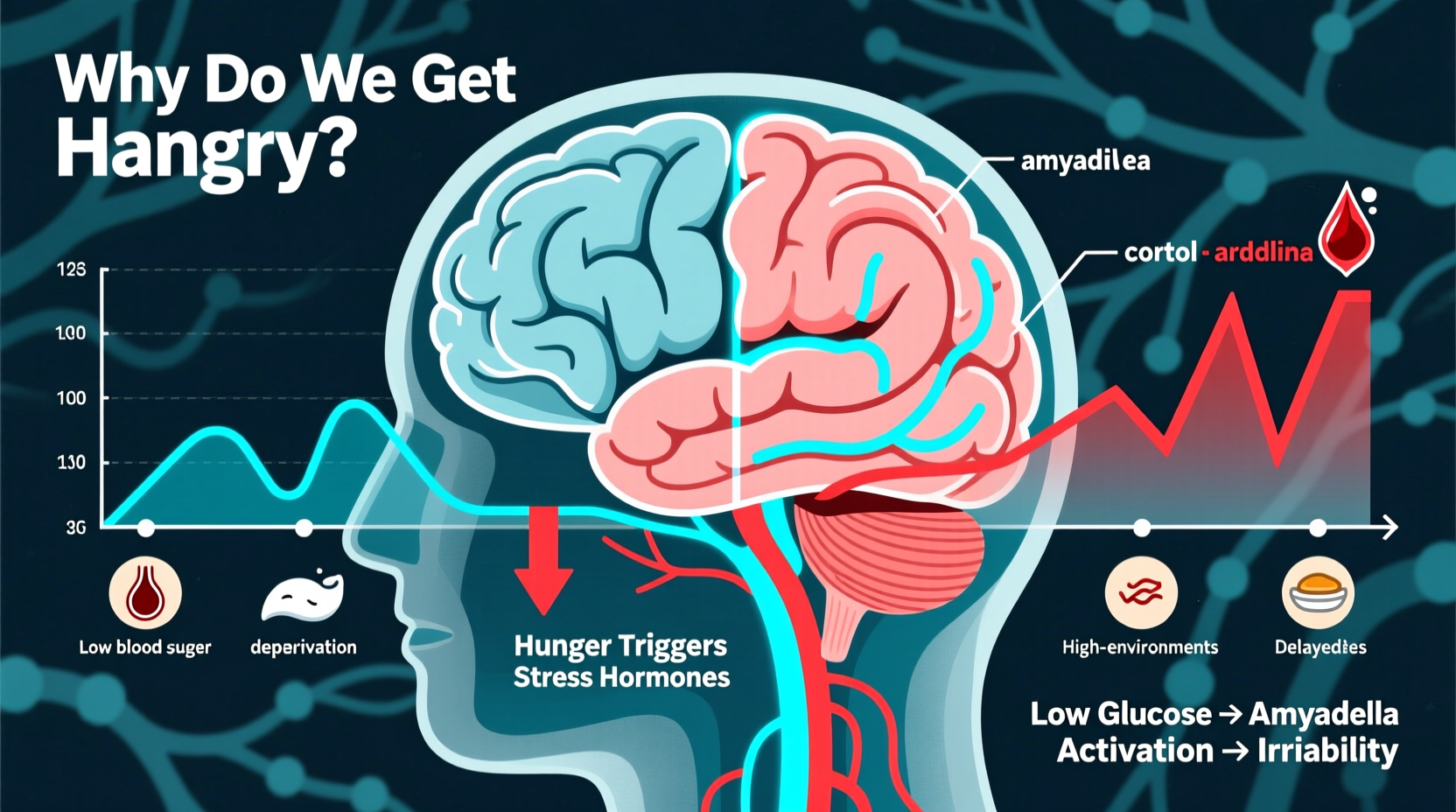
When your body goes without food for too long, a cascade of physiological changes begins. The most immediate culprit behind hanger is a drop in blood glucose (sugar), which fuels every cell in your body—including your brain.
The brain relies almost exclusively on glucose for energy. Unlike muscles, it cannot store fuel or switch to alternative sources efficiently. When glucose levels fall, the brain interprets this as a crisis. In response, it activates survival mechanisms designed to prompt you to eat—fast.
This emergency signal isn’t just cognitive. It’s emotional. As blood sugar drops, the brain triggers the release of several “alarm” hormones: adrenaline, cortisol, ghrelin, and neuropeptide Y. Each plays a role in turning physical hunger into emotional volatility.
- Adrenaline: Increases heart rate and alertness, preparing the body for action—often perceived as irritability or anxiety.
- Cortisol: The primary stress hormone, linked to aggression and reduced impulse control.
- Ghrelin: Known as the “hunger hormone,” it not only signals appetite but also influences mood centers in the brain.
- Neuropeptide Y: Released during fasting, it stimulates appetite and has been associated with increased aggression and emotional eating.
Together, these chemicals create a perfect storm: your brain is under-fueled, your body is in low-grade stress mode, and your emotional regulation systems are compromised. That’s hanger in action.
Brain Chemistry and Emotional Regulation
The prefrontal cortex—the region responsible for decision-making, self-control, and emotional regulation—requires steady glucose to function optimally. When glucose is scarce, this area becomes less effective, making it harder to suppress frustration or think rationally.
A 2014 study published in Proceedings of the National Academy of Sciences found that married couples exhibited higher levels of aggression after periods of low blood sugar. Participants were asked to stick pins into voodoo dolls representing their spouses, with the number of pins correlating to their irritation levels. Those with lower evening glucose levels consistently stuck more pins—a striking illustration of how metabolic state affects interpersonal behavior.
“Self-control is a limited resource that depends heavily on glucose availability. When fuel runs low, so does our ability to regulate emotions.” — Dr. Brad Bushman, lead author of the voodoo doll study
This doesn’t mean people are helpless when hungry. But it does explain why resisting temptation or staying calm becomes exponentially harder on an empty stomach. The brain is literally running on backup power, prioritizing survival over social graces.
Individual Differences: Why Some People Get Hangry More Than Others
Not everyone experiences hanger with the same intensity. Some breeze through skipped meals with minimal mood disruption, while others become volatile within hours of their last bite. These differences stem from a mix of biological, psychological, and behavioral factors.
| Factor | Increases Hanger Risk | Reduces Hanger Risk |
|---|---|---|
| Blood Sugar Stability | Poor insulin sensitivity, reactive hypoglycemia | Stable metabolism, balanced diet |
| Stress Levels | Chronic stress, high cortisol baseline | Effective stress management practices |
| Personality Traits | Low frustration tolerance, high neuroticism | Emotional resilience, mindfulness |
| Eating Patterns | Irregular meals, high-sugar diets | Regular, nutrient-dense meals |
| Sleep Quality | Poor sleep disrupts appetite hormones | Consistent, restful sleep |
For example, individuals with insulin resistance may experience sharper glucose fluctuations, leading to more frequent and intense hanger episodes. Similarly, people with high baseline stress or poor emotional regulation skills are more likely to react strongly when their physiological needs aren’t met.
Genetics also play a role. Variants in genes related to serotonin transporters (like 5-HTTLPR) can influence how people respond to stress and deprivation. Some individuals are simply wired to be more emotionally reactive when under metabolic strain.
Real-Life Example: The Case of Maya and James
Maya and James are both project managers working under tight deadlines. They often skip lunch during crunch periods. But their reactions differ dramatically.
James notices he’s hungry, grabs a handful of candy from the office kitchen, and powers through. He feels a bit jittery but stays focused. Maya, on the other hand, becomes short-tempered. She snaps at her assistant over a typo and later regrets it. After eating a delayed dinner, she feels physically better but emotionally drained.
Why the difference? James eats small snacks regularly and consumes more complex carbohydrates. His blood sugar remains relatively stable. Maya, however, follows a restrictive diet during the week and skips meals, leading to steeper glucose drops. She also reports higher stress levels and less sleep—both of which amplify her body’s stress response to hunger.
This scenario illustrates that hanger isn’t just about willpower. It’s about physiology meeting environment. With the right strategies, even highly reactive individuals can reduce their hanger susceptibility.
How to Prevent and Manage Hanger
Understanding the science is the first step. The next is applying practical solutions. Managing hanger isn’t about never skipping a meal—it’s about building habits that buffer your body and mind against the effects of hunger.
Step-by-Step Guide to Reducing Hanger Episodes
- Monitor Your Hunger Cues: Pay attention to early signs like mild lightheadedness, difficulty concentrating, or slight irritability. Don’t wait until you’re ravenous.
- Choose Balanced Snacks: Combine protein (nuts, yogurt), healthy fats (avocado, seeds), and fiber (fruit, whole grains) to sustain energy.
- Avoid Sugar Spikes: Sugary snacks provide quick energy but lead to crashes that worsen hanger. Opt for slow-release carbs instead.
- Stay Hydrated: Dehydration can mimic or intensify hunger symptoms. Drink water throughout the day.
- Plan Ahead: Keep non-perishable, nutritious snacks (e.g., trail mix, protein bars) in your bag, car, or desk.
- Communicate Proactively: If you know you’re prone to hanger, tell coworkers or family: “I haven’t eaten yet—I might be a little sharp. I’ll grab something soon.”
- Practice Mindfulness: When you feel irritation rising, pause. Ask: “Am I actually upset by this situation, or am I just hungry?” This brief reflection can prevent emotional escalation.
Checklist: Daily Habits to Minimize Hanger
- ✅ Eat a protein-rich breakfast (e.g., eggs, Greek yogurt, or tofu scramble)
- ✅ Include fiber and fat in every meal (e.g., vegetables, olive oil, nuts)
- ✅ Carry two healthy snacks daily (e.g., almonds and an apple)
- ✅ Drink at least 6–8 glasses of water
- ✅ Avoid skipping meals, even when busy
- ✅ Limit caffeine and alcohol, which can disrupt blood sugar
- ✅ Get 7–8 hours of sleep to regulate hunger hormones
Frequently Asked Questions
Can children experience hanger?
Absolutely. Children, especially young ones, have smaller stomachs and faster metabolisms, making them more susceptible to blood sugar drops. Tantrums, crying, or sudden aggression in kids may be linked to hunger. Offering regular, balanced snacks can significantly improve behavior and mood stability.
Is hanger a sign of a medical condition?
Occasional hanger is normal. However, frequent or severe episodes—especially when accompanied by dizziness, sweating, confusion, or fainting—could indicate reactive hypoglycemia, diabetes, or hormonal imbalances. Consult a healthcare provider if symptoms interfere with daily life.
Can drinking coffee stop hanger?
Coffee may temporarily mask fatigue, but it won’t solve the underlying issue. In fact, caffeine can increase cortisol and adrenaline, potentially amplifying irritability. Pair coffee with food, not instead of it.
Conclusion: Take Control of Your Mood Through Better Fueling
Hanger isn’t a character flaw—it’s a biological signal. Your body is telling you it needs energy, and your brain is responding with urgency. By understanding the science behind hunger and mood swings, you gain the power to intervene before emotions take over.
Small, consistent changes—like eating balanced meals, staying hydrated, and recognizing personal triggers—can transform how you feel throughout the day. Whether you're navigating work stress, parenting challenges, or relationship dynamics, managing hanger is a simple yet powerful way to improve emotional well-being and interpersonal harmony.




 浙公网安备
33010002000092号
浙公网安备
33010002000092号 浙B2-20120091-4
Comments
No comments yet. Why don't you start the discussion?