
For many, cilantro is a vibrant, citrusy herb that brightens salsas, curries, and salads. For others, it’s an olfactory nightmare—often described as tasting like soap, rotting meat, or musty dirt. This stark divide isn’t a matter of pickiness or acquired taste alone. It’s rooted in genetics, sensory perception, and even cultural exposure. Understanding why cilantro repels certain individuals—and whether that aversion can be changed—is key for home cooks, food professionals, and anyone navigating shared meals.
The Genetic Basis of Cilantro Aversion
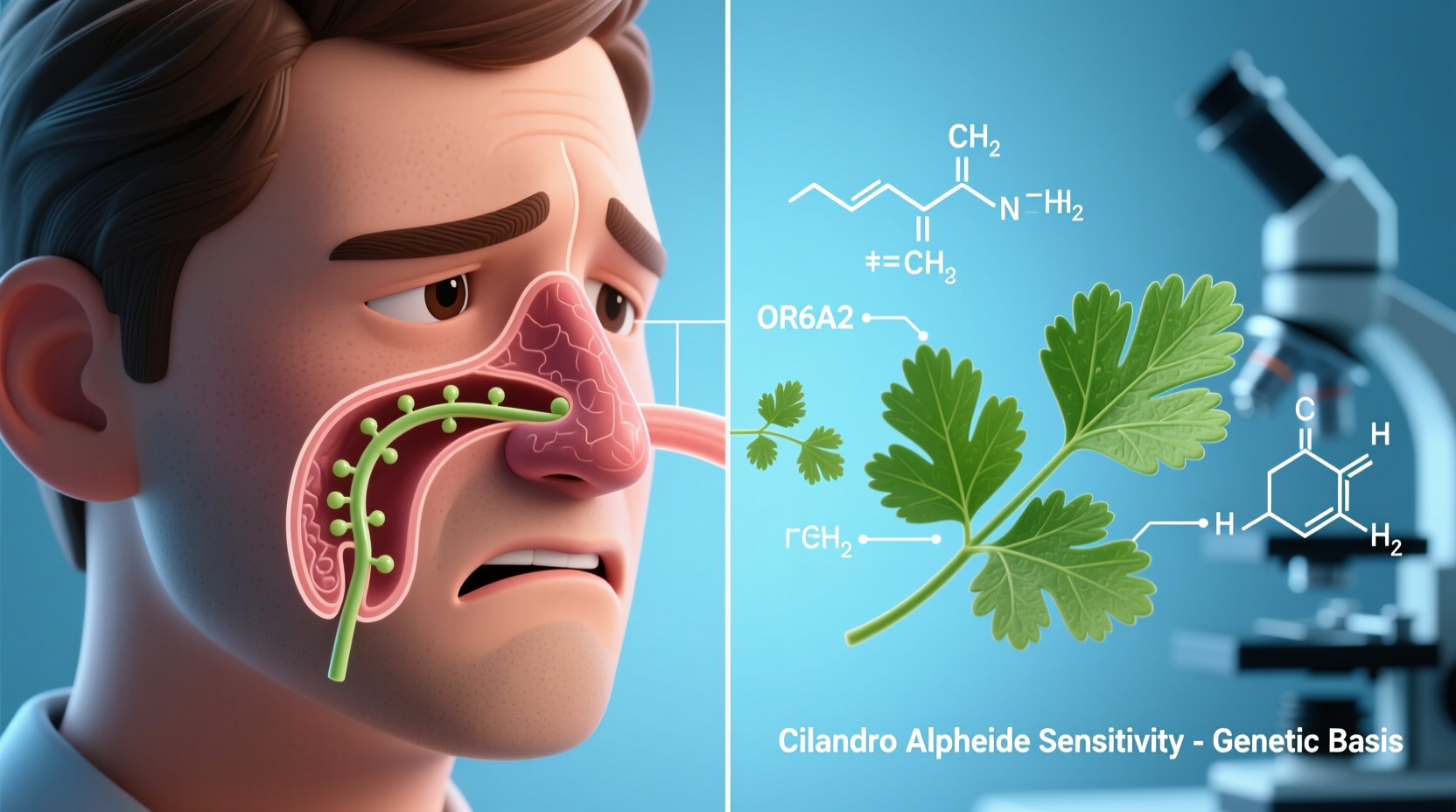
The primary reason some people find cilantro so offensive lies in their DNA. Specifically, variations in a cluster of genes known as OR6A2, which code for olfactory receptors, make certain individuals highly sensitive to aldehyde compounds found in cilantro leaves.
Aldehydes are organic molecules present in both cilantro and some soaps, lotions, and even vehicle exhaust. When people with the sensitive variant of OR6A2 detect these compounds, they perceive them strongly as “soapy” or “chemical.” Scientists at 23andMe conducted a large-scale study and found that up to 80% of cilantro preference could be predicted by a single nucleotide polymorphism (SNP) near the OR6A2 gene.
“Genetics plays a dominant role in how we experience flavor. In the case of cilantro, it’s not about being difficult—it’s about having a nose tuned to detect specific chemical signals others simply don’t notice.” — Dr. Sarah Tishkoff, Professor of Genetics and Biology, University of Pennsylvania
This sensitivity is inherited in a semi-dominant pattern, meaning if one parent carries the gene variant, there’s a significant chance their children will inherit the aversion. Studies show the trait is more common in populations of European and South Asian descent, while those of East Asian, Middle Eastern, and Latin American heritage tend to have lower prevalence.
How Cilantro Smell Differs Across Cultures
Cultural exposure plays a crucial role in shaping taste preferences—even when genetics are involved. While genetic predisposition sets the baseline, repeated exposure during childhood can modulate how strongly someone reacts to cilantro.
In countries like Mexico, Thailand, and India, where cilantro is a staple herb used daily, people are more likely to accept or even enjoy its flavor—even if genetically predisposed to dislike it. This suggests that early and consistent culinary exposure may help override or dull the negative sensory response over time.
A 2012 study published in the journal Chemosensory Perception found that individuals who grew up eating cilantro regularly were significantly less likely to report a soapy taste, regardless of their genetic profile. The brain learns to associate the aroma with positive experiences—flavorful meals, family dishes, festive occasions—which can reframe the perception from unpleasant to comforting.
| Population Group | Prevalence of Cilantro Aversion | Possible Contributing Factors |
|---|---|---|
| East Asians | ~3–7% | High cultural use; early exposure |
| South Asians | ~15–20% | Mixed exposure; regional variation |
| Europeans | ~17–21% | Limited traditional use; genetic sensitivity |
| Latin Americans | ~4–10% | Ubiquitous in cuisine; normalization |
| Africans (West/Central) | ~5–8% | Frequent use in stews and sauces |
Can You Change Your Reaction to Cilantro?
While you can’t change your DNA, you may be able to reshape your sensory response through gradual exposure and culinary techniques. The goal isn’t to love cilantro overnight but to reduce the intensity of the aversion and possibly integrate it into your diet in manageable ways.
Step-by-Step Guide to Reducing Cilantro Aversion
- Start small: Use only one or two chopped leaves in a dish where other strong flavors dominate (e.g., spicy salsa, curry, or lime-heavy ceviche).
- Pair with fat or acid: Combine cilantro with ingredients like avocado, yogurt, or lemon juice. These can mask volatile compounds and soften the perceived harshness.
- Use stems instead of leaves: The stems contain fewer aldehydes and offer a milder, grassier flavor. They’re excellent in soups and marinades.
- Cook briefly: Lightly wilting cilantro in warm dishes (like stir-fries or lentil soups) reduces the volatility of aldehyde compounds, making the soapy note less intense.
- Blend it: Incorporate cilantro into smooth sauces like chutneys, pestos, or dressings. Blending disrupts cell walls and distributes flavor evenly, minimizing isolated bursts of strong aroma.
- Wait and reassess: Repeat exposure every few days. After several weeks, test raw cilantro again to see if your tolerance has improved.
“I hated cilantro until I started working in a Mexican kitchen. My chef made me taste a tiny bit every day in different forms—sometimes blended, sometimes toasted. After three months, I didn’t just tolerate it—I missed it in my tacos.” — Carlos M., line cook and former cilantro avoider
Alternatives to Cilantro for the Sensitive Palate
If, after consistent effort, cilantro still repels you, there’s no need to suffer through it. Several herbs mimic its freshness without triggering the soapy response.
- Parsley (flat-leaf): Offers a clean, green bite without the aldehydes. Ideal in tabbouleh, chimichurri, or garnishes.
- Epazote: Common in Mexican cooking, especially with beans. Earthy and pungent, but not soapy.
- Thai basil: Adds aromatic depth to Southeast Asian dishes. Slightly sweet with hints of anise.
- Scallion greens: Provide sharp freshness and visual appeal in place of chopped cilantro.
- Arugula or watercress: Peppery greens that add a zesty lift to salsas and salads.
Expert Strategies for Cooking with Cilantro Around Sensitive Eaters
If you're cooking for others, it's wise to consider cilantro sensitivity as seriously as any food allergy or dietary restriction. Making dishes adaptable ensures everyone can enjoy the meal.
Checklist: Cilantro-Friendly Cooking Practices
- Ask guests about cilantro preferences before preparing a meal.
- Serve cilantro on the side rather than mixed into the main dish.
- Label dishes clearly: “Contains cilantro” or “Cilantro-free option available.”
- Offer a substitute herb bowl at the table (parsley, scallions, etc.).
- Avoid using cilantro in blended dips or hidden applications unless disclosed.
In professional kitchens, chefs like Gabriela Cámara of Contramar in Mexico City serve grilled fish with a side of fresh cilantro rather than embedding it in the marinade. This respects diner autonomy while preserving authenticity.
FAQ: Common Questions About Cilantro Sensitivity
Is cilantro intolerance a sign of a medical condition?
No. Disliking cilantro due to genetic sensitivity is not a medical issue. However, if you experience physical symptoms like nausea, dizziness, or oral tingling beyond mere taste aversion, consult a doctor—this could indicate an allergic reaction, though true cilantro allergy is rare.
Why does cilantro taste different in restaurants than at home?
Professional kitchens often use younger, fresher cilantro harvested at peak flavor. Older or wilted cilantro develops stronger aldehyde concentrations, intensifying the soapy notes. Also, skilled chefs balance cilantro with complementary ingredients, reducing its dominance.
Can children outgrow their dislike of cilantro?
Yes. Children’s taste preferences evolve rapidly. A child who gags at cilantro at age six may willingly eat it by twelve, especially if exposed to it in positive, low-pressure settings. Avoid forcing consumption, as this can create long-term food aversions.
Conclusion: Respecting Biological Differences While Exploring Flavor
The divide over cilantro isn’t a battle between right and wrong palates—it’s a reminder that human taste is deeply personal, shaped by genes, culture, and experience. Whether you love it or loathe it, your reaction is valid. But for those willing to explore, there are pathways to greater acceptance through mindful exposure and smart cooking techniques.
And for those who never come around? That’s okay too. The world of herbs is vast, and flavor harmony doesn’t require universal agreement. What matters most is enjoying food in a way that feels authentic and satisfying to you.




 浙公网安备
33010002000092号
浙公网安备
33010002000092号 浙B2-20120091-4
Comments
No comments yet. Why don't you start the discussion?