
For many, the rhythmic crunch of potato chips or the soft smacking of someone eating lunch nearby is just background noise. But for others, these sounds trigger intense irritation, anger, or even panic. This isn’t mere annoyance—it can be a sign of a recognized neurological condition known as misophonia. While often dismissed as oversensitivity, misophonia is gaining scientific attention for its real and sometimes debilitating impact on emotional regulation and social functioning.
Misophonia, literally meaning “hatred of sound,” is not about volume or pitch but rather specific patterns of sound, especially those produced by human behavior—like chewing, breathing, pen clicking, or throat clearing. Understanding this condition goes beyond labeling it as a quirk; it involves recognizing how the brain processes sensory input and emotional response in atypical ways.
The Science Behind Misophonia: More Than Just Annoyance
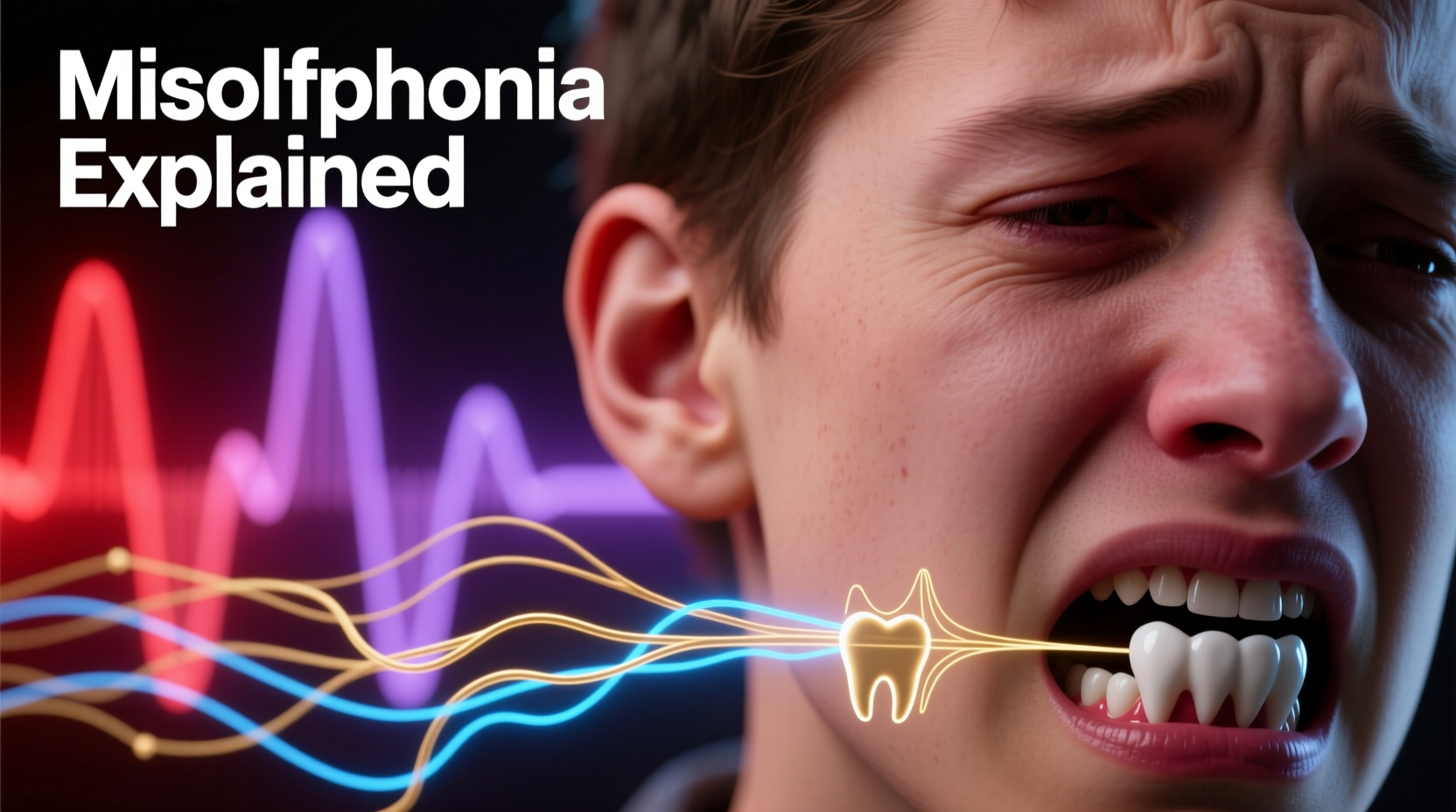
Misophonia was first described in the early 2000s by audiologists Pawel and Margaret Jastreboff. Unlike hyperacusis (a heightened sensitivity to volume) or phonophobia (fear of sound), misophonia is characterized by an extreme emotional reaction to particular sounds—often repetitive, socially generated ones. These are called \"trigger sounds,\" and they typically originate from other people’s bodily functions or habits.
Neuroimaging studies have revealed that individuals with misophonia show increased activity in the anterior insular cortex—a region involved in emotional processing and self-awareness—when exposed to trigger sounds. This area communicates heavily with the amygdala (the brain's fear center) and the hippocampus (involved in memory), suggesting that misophonia may involve a learned association between certain sounds and negative emotional states.
“Misophonia isn't a hearing disorder—it's a disorder of sound-emotion connection. The brain assigns disproportionate emotional significance to innocuous sounds.” — Dr. Jennifer Jo Brout, Clinical Psychologist and Misophonia Researcher
This neural wiring means that for someone with misophonia, hearing someone chew gum isn’t simply irritating—it can feel like a personal attack, sparking fight-or-flight responses such as elevated heart rate, muscle tension, and overwhelming urges to flee or confront the source.
Common Trigger Sounds and Their Emotional Impact
While triggers vary from person to person, there are consistent patterns across sufferers:
- Eating-related sounds: Chewing, lip smacking, swallowing, crunching, slurping
- Oral/nasal noises: Sniffling, nose whistling, yawning, coughing
- Repetitive behaviors: Pen clicking, foot tapping, keyboard typing, leg shaking
- Vocal tics: Throat clearing, humming, repeating words
What makes misophonia particularly challenging is that most of these sounds are socially normal and often unconscious. A family dinner can become emotionally unbearable when multiple people are eating simultaneously. Open-office environments may force employees into chronic stress due to coworkers’ typing or phone habits.
Why Chewing Is Among the Most Common Triggers
Chewing stands out as one of the most frequently reported triggers. It combines rhythm, repetition, and intimate biological origin—all factors that intensify the emotional charge. The jaw movement creates predictable auditory patterns, and because eating is a shared social act, exposure is frequent and hard to avoid.
Interestingly, people with misophonia usually don’t react to their own chewing. This suggests the condition isn’t about the acoustic properties alone but the perception of who is producing the sound. There’s often an added layer of perceived disrespect or lack of awareness when others make these noises in close proximity.
Diagnosis and Differentiation from Other Conditions
Misophonia is still not officially recognized in the DSM-5 (Diagnostic and Statistical Manual of Mental Disorders), though efforts are underway to include it under conditions related to auditory hypersensitivity. Because of this, many sufferers go undiagnosed or are mislabeled as anxious, obsessive, or overly sensitive.
It’s important to distinguish misophonia from similar conditions:
| Condition | Key Features | How It Differs from Misophonia |
|---|---|---|
| Hyperacusis | Generalized sensitivity to sound volume | Affects loudness, not specific patterns; pain or discomfort in ears |
| Tinnitus | Perception of ringing or buzzing without external source | Involves phantom sounds, not reactions to real environmental sounds |
| OCD | Obsessive thoughts and compulsive behaviors | May share ritualistic avoidance, but misophonia lacks intrusive thoughts unrelated to sound |
| Autism Spectrum Disorder | Sensory processing differences, including sound sensitivity | Broad sensory issues; misophonia can co-occur but also exists independently |
Accurate diagnosis often requires evaluation by an audiologist familiar with misophonia or a mental health professional trained in sensory integration disorders.
Living with Misophonia: Daily Challenges and Coping Strategies
People with moderate to severe misophonia may restructure their lives around avoiding trigger sounds. They might eat separately from family members, avoid restaurants, decline invitations, or wear noise-canceling headphones constantly—even in social settings. Over time, this isolation can lead to anxiety, depression, and strained relationships.
One major challenge is the invisibility of the condition. Since there’s no outward sign, loved ones may perceive the reaction as irrational or dramatic. A partner might say, “It’s just chewing—can’t you ignore it?” not realizing that asking someone with misophonia to “ignore” a trigger is like asking someone with a phobia to stand calmly next to a spider.
Step-by-Step Guide to Managing Misophonia
- Identify Your Triggers: Keep a log for two weeks noting every sound that causes distress, the intensity of your reaction (1–10 scale), and situational context.
- Seek Professional Assessment: Consult an audiologist or therapist specializing in auditory sensitivities to rule out other conditions and confirm misophonia.
- Develop Sound-Coping Tools: Use white noise machines, earplugs, or noise-masking apps during high-risk situations (e.g., meals, commutes).
- Practice Emotional Regulation: Learn mindfulness, grounding techniques, or controlled breathing to reduce the physiological surge when triggered.
- Communicate With Empathy: Explain your experience to close contacts using non-blaming language. For example: “I’m not upset with you—I have a neurological sensitivity to certain sounds.”
- Create Safe Spaces: Designate quiet areas at home where you can retreat after exposure.
- Consider Therapy: Cognitive Behavioral Therapy (CBT) and Tinnitus Retraining Therapy (TRT) adaptations show promise in helping patients reframe emotional responses.
Mini Case Study: Emma’s Experience with Misophonia
Emma, a 32-year-old graphic designer, began noticing her growing intolerance to office sounds at age 25. At first, she thought she was just stressed. But soon, the sound of her coworker eating an apple became unbearable—her chest tightened, her hands clenched, and she felt an urge to yell. She started bringing lunch to her car and avoided team lunches altogether.
After researching online, she discovered misophonia and found validation in forums where others described identical experiences. She consulted an audiologist who confirmed her symptoms and recommended a combination of sound therapy and CBT. With support, Emma negotiated remote work two days a week and now uses discreet earbuds playing low-level pink noise during in-office days. Her productivity and mood have improved significantly.
Checklist: Supporting Someone with Misophonia
If you live with or care for someone affected by misophonia, your understanding can make a profound difference. Use this checklist to foster empathy and practical support:
- ✔ Acknowledge their reaction is real, not exaggerated
- ✔ Avoid judgmental phrases like “Just relax” or “You’re overreacting”
- ✔ Be open to modifying shared routines (e.g., eating separately if needed)
- ✔ Respect their use of headphones or earplugs as coping tools
- ✔ Suggest alternative meeting places that are quieter or allow for sound control
- ✔ Educate yourself through reputable sources and listen to their lived experience
“We need compassion, not correction. People with misophonia aren’t trying to be difficult—they’re trying to survive their nervous system’s response.” — Dr. Arjan Schröder, Dutch Psychiatrist and Misophonia Specialist
Frequently Asked Questions
Can misophonia develop later in life?
Yes. While many report onset in childhood or adolescence (typically between ages 9–13), misophonia can emerge in adulthood, often following periods of high stress, trauma, or sensory overload. Some cases appear suddenly after illness or hormonal changes.
Is there a cure for misophonia?
There is currently no cure, but management strategies can significantly reduce symptom severity. Emerging therapies like neurofeedback, sound desensitization, and integrative CBT approaches offer hope for long-term adaptation. Research is ongoing, and clinical trials are expanding worldwide.
Can children have misophonia?
Yes, and it’s often misdiagnosed as behavioral issues or ADHD. A child who covers their ears during lunch, refuses to sit near noisy peers, or has meltdowns during family meals may be experiencing misophonia. Early recognition allows for supportive interventions at school and home.
Conclusion: Recognizing Misophonia as a Legitimate Sensory Condition
The hatred of chewing sounds is not a petty complaint or a sign of poor manners. It is a window into a complex neurological phenomenon that affects real people every day. As science continues to uncover the mechanisms behind misophonia, society must shift from dismissal to understanding. This includes workplaces accommodating sensory needs, families adjusting shared spaces, and healthcare providers taking reports seriously.
Whether you’re someone who struggles with trigger sounds or you know someone who does, knowledge is the first step toward compassion. By naming the experience—misophonia—we give voice to the silent struggle and open doors to better coping, treatment, and inclusion.




 浙公网安备
33010002000092号
浙公网安备
33010002000092号 浙B2-20120091-4
Comments
No comments yet. Why don't you start the discussion?