
For many, cilantro is a vibrant, citrusy herb that elevates salsas, curries, and salads. For others, it tastes like soap, metal, or even rotting insects. This sharp divide isn’t just about personal preference—it’s rooted in biology. The reason some people despise cilantro lies in their genes, specifically variations in olfactory receptor genes that influence how they perceive certain chemical compounds in the herb. What one person enjoys as fresh and zesty, another experiences as repulsive—all due to inherited DNA differences.
The story of cilantro aversion offers a fascinating glimpse into how genetics shape sensory experience. It also highlights the growing field of nutrigenomics: the study of how our genes interact with food. Understanding this phenomenon can help explain not only cilantro hatred but broader patterns in taste preferences and dietary behavior.
The Chemistry Behind Cilantro’s Controversial Flavor
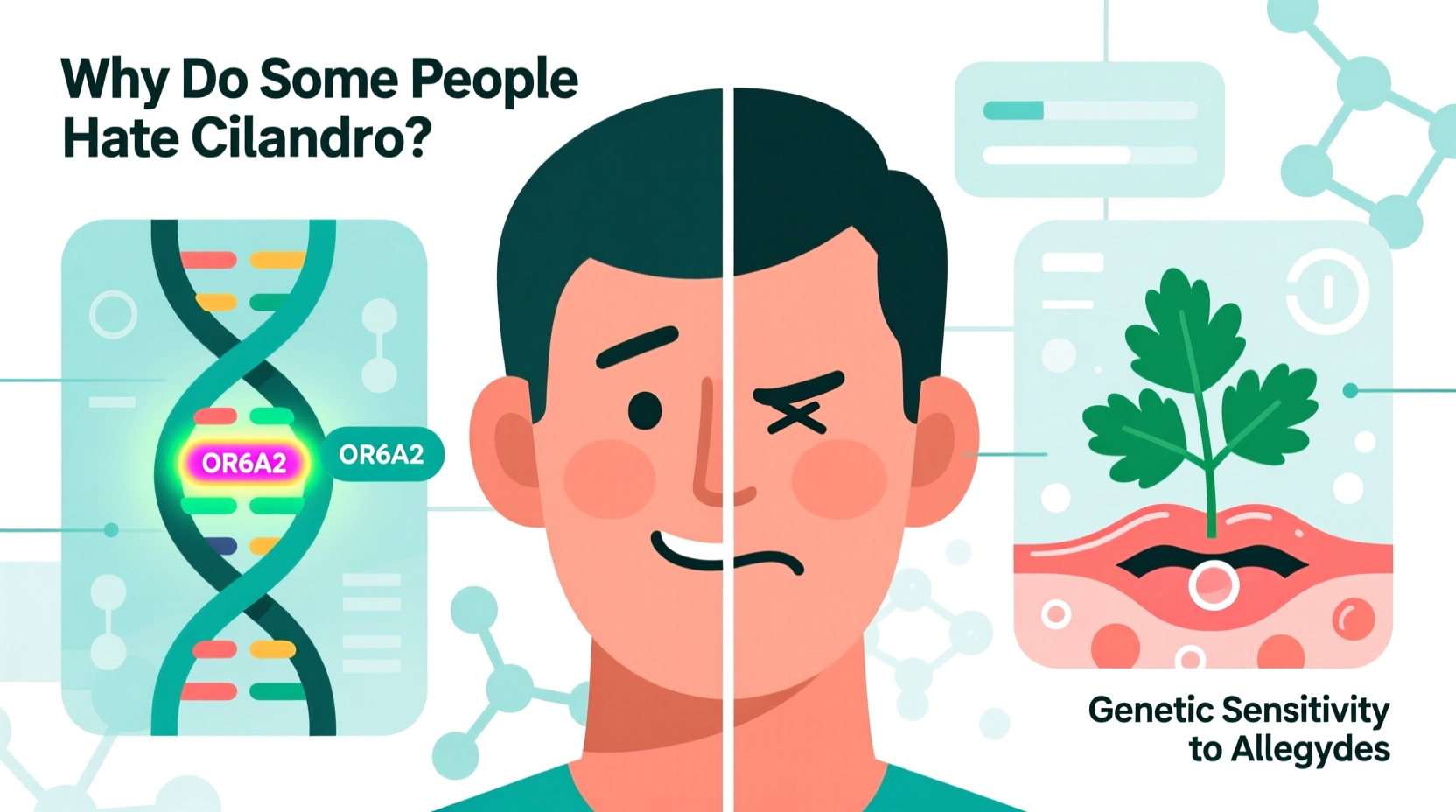
Cilantro, known botanically as *Coriandrum sativum*, contains a group of chemical compounds called aldehyde fatty acids. These are volatile organic molecules responsible for its distinct aroma. Among them, (E)-2-alkenals and n-aldehydes are particularly abundant and play a central role in how we perceive its scent and taste.
Interestingly, these same aldehyde compounds are found in some soaps, lotions, and even insect secretions—such as those from stink bugs. This chemical overlap explains why some people describe cilantro as “soapy” or “bug-like.” The brain interprets these molecular signals based on prior associations and sensory wiring, leading to strong emotional reactions.
But why do only some people make this connection? The answer lies not in the herb itself, but in the human nose—and more precisely, in the genes that code for smell receptors.
The Genetic Link: OR6A2 and Olfactory Perception
Scientific research has pinpointed a specific gene associated with cilantro aversion: OR6A2. This gene encodes an olfactory receptor highly sensitive to aldehyde compounds, including those prevalent in cilantro. Individuals who carry certain variants of this gene are far more likely to detect the soapy notes in the herb.
A landmark study published in the journal Molecular Medicine analyzed data from over 25,000 participants and found a strong correlation between single nucleotide polymorphisms (SNPs) near the OR6A2 gene and self-reported dislike of cilantro. Those with the “sensitive” variant were up to three times more likely to describe cilantro as unpleasant.
“Genetic variation in olfactory receptors can dramatically alter how we experience everyday foods. Cilantro is one of the clearest examples we have of DNA directly shaping taste perception.” — Dr. Sarah Tishkoff, Professor of Genetics, University of Pennsylvania
This gene doesn’t act alone. Other loci involved in odor detection and taste processing—including regions on chromosomes 11 and 14—also contribute to cilantro sensitivity. However, OR6A2 remains the most consistently linked variant across diverse populations.
Population Differences in Cilantro Aversion
Taste genetics aren’t evenly distributed across ethnic groups. Studies show significant variation in cilantro aversion rates worldwide, reflecting ancestral genetic diversity:
| Population Group | Estimated % Disliking Cilantro | Possible Genetic Factors |
|---|---|---|
| East Asian (Chinese, Japanese, Korean) | 15–23% | Higher frequency of non-sensitive OR6A2 variants |
| European (especially Southern Europe) | 17–21% | Moderate sensitivity; cultural familiarity may reduce rejection |
| South Asian (Indian, Pakistani) | 3–7% | Low prevalence of sensitive allele; high culinary exposure |
| Middle Eastern | 4–6% | Strong tradition of cilantro use; possible desensitization |
| Hispanic/Latino | 8–14% | Varied ancestry influences; generally positive association |
| African American | 12–15% | Mixed genetic background leads to moderate sensitivity |
The lower rates among South Asian and Middle Eastern populations suggest both genetic and cultural influences. Generations of regular consumption may condition acceptance—even if the initial taste was unpleasant. Conversely, populations with higher frequencies of the sensitive OR6A2 variant report stronger aversion, especially when first encountering the herb.
Can You Learn to Like Cilantro?
While genetics set the baseline, taste is not entirely fixed. Neuroplasticity—the brain's ability to adapt—means that repeated exposure can reshape how we perceive flavors. This process, known as “hedonic adaptation,” allows individuals to gradually accept previously disliked foods.
In cultures where cilantro is a staple, children often reject it initially but grow to enjoy it through consistent exposure. A 2020 study in Appetite followed a group of cilantro-averse adults who consumed small amounts mixed into familiar dishes daily for six weeks. By the end, nearly 40% reported reduced aversion and increased willingness to eat it again.
Strategies for retraining your palate include:
- Pairing cilantro with strong, complementary flavors like lime, garlic, or chili
- Using chopped leaves sparingly at first, increasing quantity slowly
- Cooking cilantro briefly to mellow its volatile compounds
- Trying younger, tender leaves, which contain fewer aldehydes than mature ones
“I hated cilantro my entire childhood. My mom kept putting it in tacos anyway. Now I can’t imagine salsa without it.” — Maria R., San Diego, CA
This mini case study illustrates how environmental conditioning can override innate predispositions. While the genetic signal remains, the brain learns to associate cilantro with positive experiences—flavor, culture, comfort—gradually diminishing the negative reaction.
Practical Guide: Managing Cilantro Sensitivity in Daily Life
Whether you're genetically sensitive or cooking for someone who is, here’s a step-by-step approach to navigating cilantro in meals:
- Assess sensitivity: Ask diners directly if they dislike cilantro. Avoid assumptions based on ethnicity or background.
- Offer alternatives: Use parsley, basil, or mint as substitutes in recipes calling for fresh herbs.
- Modify preparation: Lightly sauté or blanch cilantro to reduce aldehyde volatility.
- Label dishes clearly: In restaurants or shared meals, note when cilantro is present to prevent unpleasant surprises.
- Explore coriander spice: Ground coriander seed provides earthy, citrusy notes without triggering soapy taste receptors.
Common Misconceptions About Cilantro Hatred
Several myths persist about why people dislike cilantro. Separating fact from fiction helps foster better understanding:
- Myth: People who hate cilantro just haven’t tried it enough.
Reality: While exposure helps, genetics play a decisive role. Some will never enjoy it regardless of repetition. - Myth: Cilantro tastes soapy because of pesticides.
Reality: Even organically grown cilantro triggers the same response in genetically sensitive individuals. The aldehydes are natural, not contaminants. - Myth: Only Americans dislike cilantro.
Reality: Aversion exists globally. Cultural usage affects visibility, but genetic sensitivity spans all populations.
Frequently Asked Questions
Is cilantro aversion a sign of a health problem?
No. Disliking cilantro is not linked to any medical condition. It’s a normal variation in sensory perception, much like being unable to smell musk or detect bitter compounds in vegetables like Brussels sprouts.
Can a DNA test tell me if I’ll hate cilantro?
Yes, several consumer genetic testing services—including 23andMe and AncestryDNA—report variants near the OR6A2 gene associated with cilantro preference. If your results show the “sensitive” allele, you’re statistically more likely to perceive the soapy taste.
Are there other foods affected by the same gene?
The OR6A2 receptor primarily responds to aldehyde compounds. These are also found in perfumes, lotions, and some processed foods. However, cilantro remains the most common dietary source that triggers noticeable reactions due to concentration and freshness.
Checklist: How to Handle Cilantro in Your Kitchen
- ☑️ Ask guests about cilantro preference before serving
- ☑️ Keep a substitute herb on hand (parsley works well)
- ☑️ Store fresh cilantro properly: stems in water, covered loosely with a bag
- ☑️ Use ground coriander as a neutral alternative in spice blends
- ☑️ Introduce cilantro gradually if trying to build tolerance
- ☑️ Never force someone to eat cilantro—respect sensory differences
Conclusion: Embracing Biological Diversity in Taste
The debate over cilantro is more than a culinary quirk—it’s a window into human genetic diversity. Our senses are not universal. What tastes delightful to one person may be revolting to another, all because of tiny differences in DNA. Recognizing this fosters empathy in food culture, whether you're a chef, home cook, or diner.
Instead of dismissing cilantro haters as picky or misinformed, we should appreciate that biology shapes experience. At the same time, those who love cilantro can explore ways to share its flavor without alienating others. Adaptation, substitution, and communication make inclusive eating possible.




 浙公网安备
33010002000092号
浙公网安备
33010002000092号 浙B2-20120091-4
Comments
No comments yet. Why don't you start the discussion?