
For many, slipping into bed barefoot is a nightly ritual—cool sheets, warm blankets, and the freedom of wiggling toes without restriction. But a growing number of people are doing the opposite: pulling on a pair of socks before bedtime and swearing by the results. From deeper sleep to fewer nighttime awakenings, anecdotal reports suggest that this small habit may have outsized benefits. But is there real science behind it? And more importantly, should you consider making the switch?
Sleeping with socks on isn’t just a quirky personal preference—it’s rooted in physiology, circadian rhythms, and even conditions like Raynaud’s disease or menopause. While it might seem counterintuitive (especially during warmer months), the practice taps into how your body regulates temperature to initiate and maintain restful sleep.
The Science of Sleep and Body Temperature
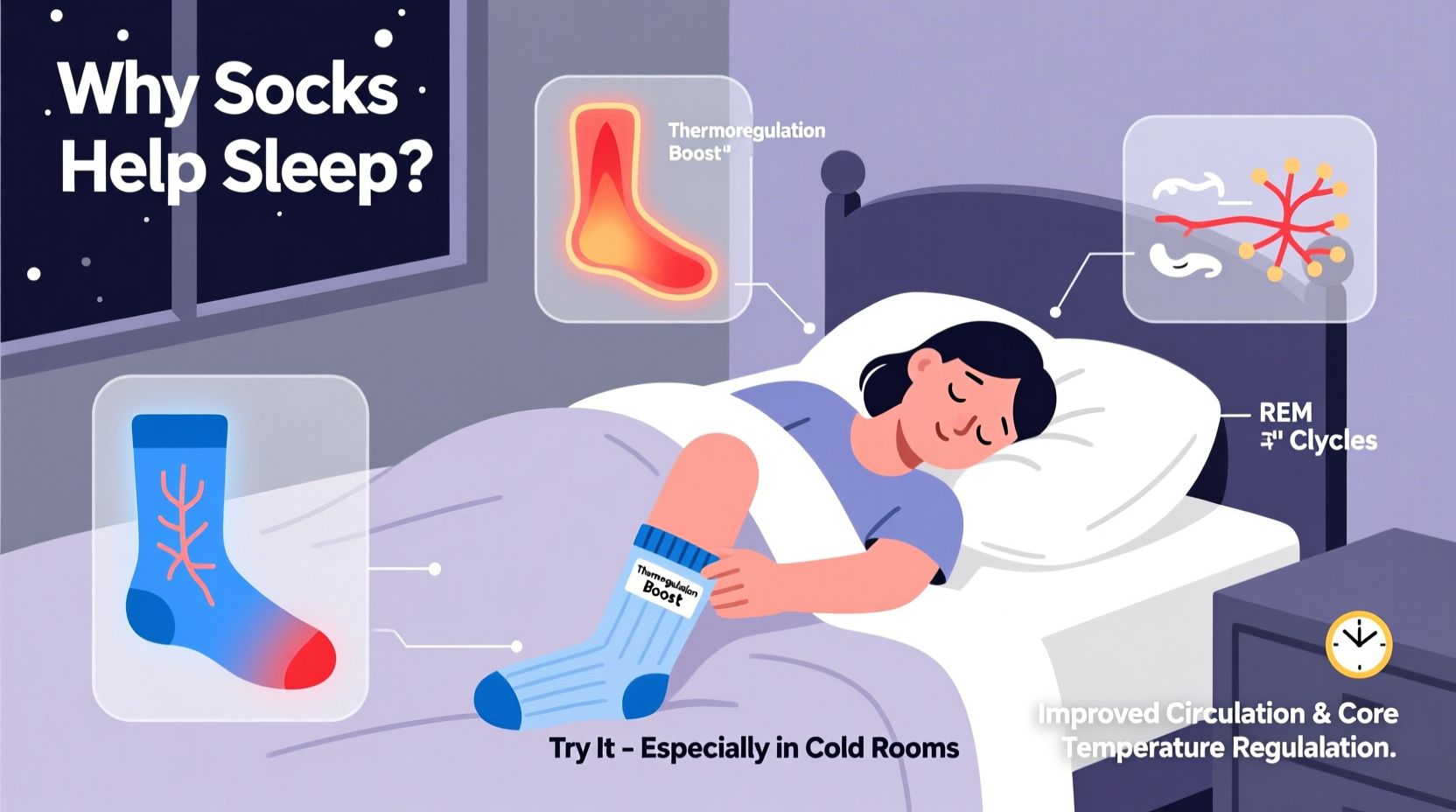
Your body follows a precise internal rhythm when preparing for sleep, and core temperature plays a starring role. As evening approaches, your core temperature naturally begins to drop—a signal to your brain that it’s time to wind down. This dip is essential for falling asleep quickly and staying asleep through the night.
Interestingly, one way your body sheds heat is through your extremities—your hands and feet. When blood vessels in your skin dilate (a process called vasodilation), heat escapes more efficiently. Warming your feet before bed—yes, even with socks—can actually accelerate this process. By increasing blood flow to your feet, you help your body release heat faster, which signals the brain that sleep is imminent.
“Peripheral warming, such as heating the feet, can facilitate the natural drop in core body temperature and significantly shorten sleep onset latency.” — Dr. Christopher Winter, Sleep Specialist and Author of *The Sleep Solution*
This paradox—warming your feet to cool your core—is why heated blankets, warm baths, and yes, bedtime socks, are all linked to improved sleep initiation. A 2007 study published in *Nature* found that participants who wore socks to bed fell asleep faster and experienced fewer awakenings during the night compared to those who didn’t.
Benefits of Sleeping with Socks On
While not everyone will experience dramatic changes, several well-documented benefits make this habit worth considering:
- Faster sleep onset: As mentioned, warming the feet helps trigger the body’s natural cooling process, reducing the time it takes to fall asleep.
- Fewer nighttime awakenings: Cold feet can cause micro-arousals—brief disruptions in sleep that you may not remember but still reduce sleep quality.
- Better circulation: For individuals with poor circulation or cold extremities, socks provide consistent warmth that supports vascular function overnight.
- Mitigation of menopausal symptoms: Women experiencing night sweats or hot flashes may find relief through regulated foot temperature, which helps stabilize overall thermal balance.
- Reduced risk of nocturnal leg cramps: Warm muscles are less prone to spasms, and maintaining a steady temperature in the lower limbs may prevent painful cramps.
Who Benefits Most from Bedtime Socks?
Not everyone needs socks to sleep well—but certain groups report particularly noticeable improvements:
People with Circulatory Issues
Individuals with Raynaud’s disease, diabetes-related neuropathy, or general poor circulation often suffer from chronically cold feet. Keeping feet warm at night can improve comfort and reduce pain or tingling sensations that disrupt sleep.
Menopausal and Perimenopausal Women
Hormonal fluctuations affect the body’s thermostat. While hot flashes involve sudden overheating, they’re often followed by chills. Bedtime socks help buffer these swings by stabilizing foot temperature, which influences overall thermal regulation.
Older Adults
As we age, our ability to regulate body temperature declines. Older adults are more likely to feel cold at night and experience fragmented sleep. A light pair of socks can make a meaningful difference in sleep continuity.
Those with Insomnia or Delayed Sleep Onset
If you lie awake for 30 minutes or more each night, peripheral warming techniques—including wearing socks—may help reset your internal clock and promote earlier sleep onset.
Potential Downsides and When to Avoid It
Despite the benefits, sleeping with socks isn’t universally ideal. Certain factors can turn this helpful habit into a source of discomfort or even health risk.
| Consideration | Do | Avoid |
|---|---|---|
| Material | Cotton, merino wool, bamboo | Nylon, polyester, non-breathable synthetics |
| Fitting | Snug but not tight; allows toe movement | Too tight; restricts circulation |
| Environment | Cool bedrooms (60–67°F) | Hot rooms or heavy bedding |
| Health Conditions | Raynaud’s, mild neuropathy | Severe edema, infections, open sores |
Wearing socks that are too tight can compress blood vessels and nerves, potentially worsening circulation or causing numbness. Similarly, in overly warm environments, socks may contribute to overheating—a known enemy of quality sleep. If you tend to sweat at night or live in a humid climate, moisture buildup inside socks could lead to fungal infections like athlete’s foot.
“Footwear at night should never compromise skin integrity or airflow. The goal is gentle warmth—not insulation.” — Dr. Angela Smith, Podiatrist and Sleep Health Advocate
How to Do It Right: A Step-by-Step Guide
If you're curious about trying bedtime socks, follow this simple routine to maximize comfort and effectiveness:
- Choose the right socks: Look for lightweight, breathable materials. Merino wool is excellent for temperature regulation, while cotton offers softness and absorbency.
- Ensure proper fit: Socks should stay up without digging into your skin. Avoid elastic bands that leave indentations.
- Warm your feet first: Take a warm (not hot) foot bath or wear slippers for 10–15 minutes before bed to encourage vasodilation.
- Keep the room cool: Set your bedroom between 60–67°F (15–19°C). This contrast enhances the core-cooling effect.
- Monitor your response: Try the habit for at least five consecutive nights. Track how quickly you fall asleep and whether you wake up due to overheating or discomfort.
- Adjust as needed: Switch materials, go sockless on warmer nights, or try heated blankets instead if full socks feel excessive.
Real-Life Example: How One Woman Improved Her Sleep Cycle
Sarah, a 52-year-old teacher from Vermont, struggled with insomnia for over two years. She attributed her sleep issues to stress and aging, but nothing seemed to help—not melatonin, not white noise machines. After reading about thermal regulation and sleep, she decided to try wearing socks to bed during the winter months.
She started with thick wool socks but found herself too hot after an hour. After switching to thin bamboo-blend sleep socks and lowering her bedroom temperature, she noticed a change within three nights: she fell asleep 20 minutes faster and stopped waking up at 3 a.m. with cold feet. Over time, she incorporated a warm foot soak into her evening routine and now considers bedtime socks part of her non-negotiable self-care practice.
“It sounds silly,” she says, “but something as simple as socks gave me back my rest. I don’t understand the science fully, but I know it works for me.”
FAQ: Common Questions About Sleeping with Socks On
Can wearing socks to bed cause sweating or odor?
Yes—if you use non-breathable materials or sleep in a hot environment. To minimize risk, choose moisture-wicking fabrics and change socks daily. Wash them regularly to prevent bacterial buildup.
Is it safe to wear compression socks to bed?
Only if prescribed by a doctor. Regular compression socks are designed for daytime use and may restrict blood flow when lying flat. Night-specific models exist but should be used under medical guidance.
What if I already sleep hot?
If you typically overheat at night, socks may worsen the issue. Instead, try warming your feet temporarily before bed (e.g., with a heating pad or warm water), then removing socks once you get under the covers. This gives the vasodilation benefit without sustained heat retention.
Final Checklist: Should You Try Sleeping with Socks On?
Use this quick checklist to determine if this habit aligns with your needs:
- ☑ Do you often have cold feet at night?
- ☑ Do you take more than 20 minutes to fall asleep?
- ☑ Do you wake up frequently due to discomfort in your legs or feet?
- ☑ Is your bedroom cool and well-ventilated?
- ☑ Do you not suffer from swelling, infections, or sensitive skin on your feet?
If you answered “yes” to most of these, experimenting with bedtime socks could be worthwhile. Start conservatively—thin socks, short trial periods—and adjust based on feedback from your body.
Conclusion: Small Habit, Meaningful Impact
Sleeping with socks on may seem trivial, even odd, but its foundation in physiology makes it far more than a folk remedy. By supporting your body’s natural thermoregulation process, this simple act can shorten sleep onset, reduce nighttime disruptions, and enhance overall restfulness—especially for those prone to cold feet or hormonal shifts.
The key lies in doing it thoughtfully: choosing the right materials, avoiding excess heat, and listening to your body’s cues. Like any sleep hygiene practice, consistency and personalization matter more than perfection.




 浙公网安备
33010002000092号
浙公网安备
33010002000092号 浙B2-20120091-4
Comments
No comments yet. Why don't you start the discussion?