
For many, perfume is a personal signature—a subtle expression of identity, mood, or elegance. But for others, that same scent can trigger discomfort within minutes: pressure behind the eyes, nausea, or a full-blown migraine. If you’ve ever walked into a department store and left with a pounding head, you’re not alone. A growing number of people report sensitivity to fragrances, with studies suggesting that up to 30% of individuals experience adverse reactions when exposed to strong scents.
The connection between perfume and headaches isn’t imagined—it’s rooted in biology, chemistry, and individual sensitivity. Understanding what causes these reactions empowers you to make informed choices about which fragrances to wear, where to apply them, and how to protect your well-being without sacrificing self-expression.
What Makes Perfume Trigger Headaches?
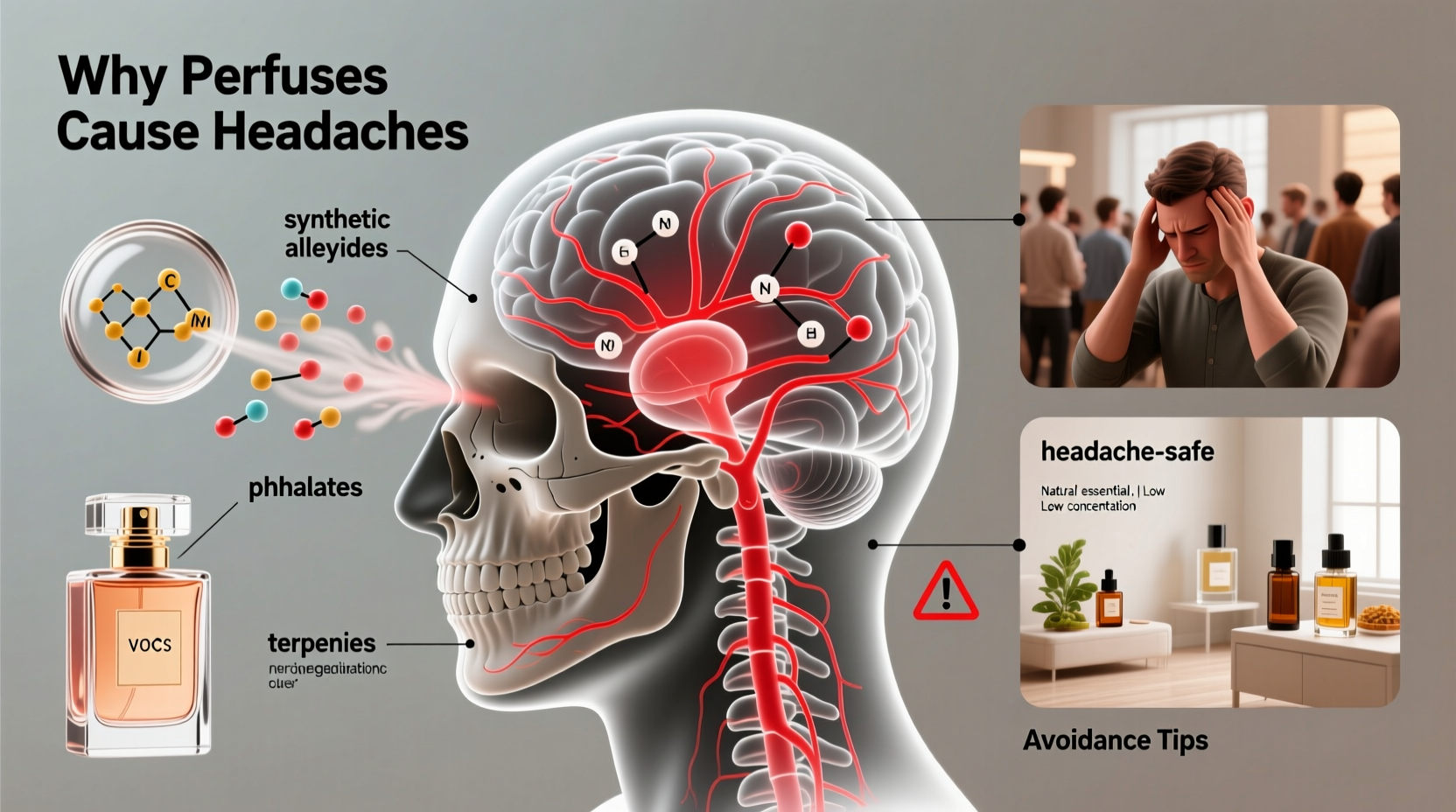
Fragrance is not a single ingredient but a complex blend of natural and synthetic compounds designed to create a layered olfactory experience. While this complexity produces beautiful scents, it also increases the likelihood of triggering neurological or respiratory responses in sensitive individuals.
The primary culprits behind perfume-induced headaches include:
- Volatile Organic Compounds (VOCs): These are chemicals that easily evaporate at room temperature, releasing aromatic molecules into the air. Common VOCs in perfumes—like limonene, linalool, and formaldehyde-releasing agents—are known irritants.
- Synthetic Musks: Used to prolong scent longevity, synthetic musks such as galaxolide and tonalide have been linked to neurotoxicity and hormonal disruption in animal studies, and anecdotal evidence suggests they may contribute to headaches.
- Alcohol Base: Most perfumes use high concentrations of ethanol, which acts as a solvent and delivery agent. Alcohol fumes can irritate nasal passages and sinuses, especially in enclosed spaces or when applied excessively.
- Concentration Levels: The more concentrated the fragrance (e.g., parfum vs. eau de toilette), the higher the load of aromatic compounds released over time—increasing exposure risk.
In sensitive individuals, these components can stimulate the trigeminal nerve, a major sensory pathway in the face and head responsible for detecting chemical irritants. This stimulation can lead directly to headache onset or act as a migraine trigger in those predisposed.
“Fragrance is one of the most common environmental triggers reported by migraine sufferers. Even brief exposure can initiate a cascade of neurological events leading to pain.” — Dr. Rebecca Nguyen, Neurologist & Headache Specialist, Cleveland Clinic
Who Is Most at Risk?
Not everyone reacts to perfume the same way. Certain factors increase susceptibility:
- Migraine History: People who suffer from migraines are far more likely to be triggered by strong odors, including perfumes. Research published in *Cephalalgia* found that 45% of migraineurs identified smell as a frequent trigger.
- Allergies and Asthma: Individuals with respiratory conditions often have heightened sensitivity to airborne chemicals. Fragrance exposure can provoke sinus inflammation, which contributes to tension-type headaches.
- Multiple Chemical Sensitivity (MCS): Though not universally recognized as a medical diagnosis, MCS describes a condition where low-level chemical exposures—like those in perfumes—cause chronic symptoms including headaches, fatigue, and brain fog.
- Hormonal Fluctuations: Women during menstruation, pregnancy, or menopause may notice increased scent sensitivity due to changes in estrogen levels, which modulate olfactory processing.
How to Choose Headache-Safe Fragrances
Avoiding perfume entirely isn’t always desirable or necessary. With careful selection, you can enjoy fragrance without compromising comfort. Consider the following strategies when shopping:
- Opt for Naturally Derived Ingredients: Look for perfumes made with essential oils rather than synthetic aroma chemicals. While even natural oils can be potent, they tend to contain fewer irritants than lab-created compounds.
- Check for Transparency: Brands that disclose all ingredients—especially those certified by organizations like EWG (Environmental Working Group) or Leaping Bunny—are more likely to avoid problematic additives.
- Select Lighter Concentrations: Eau de cologne (2–5% oil) or eau fraîche (1–3%) release less scent over time than parfum (15–30%), reducing airborne chemical load.
- Test Before You Buy: Never commit to a full bottle after a quick spritz on paper. Apply a small amount to your skin and wait 30 minutes. Walk away from the testing area to avoid olfactory fatigue.
- Avoid Known Irritants: Steer clear of perfumes listing “fragrance” or “parfum” high in the ingredient list without clarification. Also avoid products containing phthalates, which are used to stabilize scent but are linked to endocrine disruption.
Recommended Fragrance Alternatives
| Product Type | Why It’s Safer | Brands to Consider |
|---|---|---|
| Essential Oil Roll-Ons | No alcohol base; lower concentration; customizable strength | Saje, Plant Therapy, Eden’s Garden |
| Alcohol-Free Perfumes | Eliminates ethanol irritation; gentler on sinuses | Heretic Parfums, Skylar |
| Unscented Personal Care Products | Reduces cumulative scent exposure throughout the day | Eucerin, Vanicream, Attitude |
| Layered Scent Approach | Dilutes impact by using matching body lotion + light mist | Jo Malone (use sparingly), Aesop |
Step-by-Step Guide to Wearing Perfume Without Pain
If you love fragrance but hate the aftermath, follow this science-backed routine to minimize risk:
- Hydrate First: Drink water before applying perfume. Dehydration lowers your threshold for chemical sensitivities and makes you more prone to headaches.
- Apply to Pulse Points Only: Use wrists, behind ears, and base of throat. Avoid spraying near your nose or hair (which holds scent close to breathing zones).
- Let It Settle Before Entering Enclosed Spaces: Wait at least 5–10 minutes after application before going into offices, elevators, or cars. This allows top notes to dissipate and reduces initial vapor intensity.
- Limited Sprays: One to two sprays max. Over-application doesn’t make you smell better—it just increases airborne chemical concentration.
- Clothing Application (Selectively): Spray on clothes instead of skin to reduce absorption and slow release. Avoid delicate fabrics that may stain.
- Carry a Scent-Neutralizing Tool: Keep a scarf or handkerchief with a drop of lavender or chamomile oil to inhale if exposed to overwhelming fragrances elsewhere.
Mini Case Study: Sarah’s Office Migraine Pattern
Sarah, a 34-year-old project manager, began experiencing weekly migraines despite managing stress and sleep well. She kept a symptom journal for three weeks and noted a consistent pattern: headaches started mid-morning on days when her coworker wore a floral-vanilla perfume.
She experimented by switching desks temporarily and using a lightly scented hand cream instead of her usual body spray. Within two weeks, her migraine frequency dropped from three to zero per month. Upon discussing it with HR, her company introduced a voluntary fragrance-free policy in shared workspaces, benefiting several other employees with similar sensitivities.
This real-world example highlights how subtle environmental factors can have significant health impacts—and how simple adjustments can yield dramatic improvements.
Checklist: How to Minimize Perfume-Related Headaches
- ☑ Read labels and avoid \"fragrance/parfum\" when unspecified
- ☑ Choose lighter formulations (eau de cologne over parfum)
- ☑ Test new scents on skin, not blotter strips
- ☑ Limit application to 1–2 pulse points
- ☑ Avoid layering multiple scented products (shower gel, lotion, spray)
- ☑ Advocate for fragrance-aware policies in workplaces or shared living spaces
- ☑ Carry a mask or inhaler with calming essential oil for unexpected exposure
Frequently Asked Questions
Can natural perfumes still cause headaches?
Yes. Even 100% essential oil-based perfumes can trigger headaches due to their potency. Citrus, rosemary, and peppermint oils, while natural, are strong stimulants to the nervous system. Always patch-test and use in moderation.
Is there a difference between allergy and sensitivity to perfume?
Yes. An allergy involves an immune response (e.g., hives, swelling) and can be confirmed with testing. Sensitivity is a neurological or physiological reaction—like headaches or dizziness—without immune activation. Both are valid and require avoidance, but only allergies involve IgE antibodies.
Are ‘unscented’ products truly safe?
Not always. Some “unscented” products use masking fragrances to neutralize odors, which can still contain VOCs. Look for products labeled “fragrance-free,” which means no aromatic compounds were added at all.
Conclusion: Enjoy Scent Without the Side Effects
Fragrance shouldn’t come at the cost of your comfort or health. By understanding the science behind perfume-related headaches and making mindful choices, you can navigate the world of scent safely. Whether you're selecting a personal fragrance or advocating for considerate use in shared environments, small changes can prevent pain and improve quality of life.




 浙公网安备
33010002000092号
浙公网安备
33010002000092号 浙B2-20120091-4
Comments
No comments yet. Why don't you start the discussion?