
It’s a familiar experience: you try a new fragrance, excited by its top notes and promise of long-lasting elegance, only to find it vanishes from your skin within an hour. Meanwhile, your friend wears the same scent and is still wrapped in its aura hours later. This isn’t magic—it’s science. The way a perfume interacts with your body is deeply personal, influenced by biological, chemical, and environmental factors. Understanding these elements can transform the way you choose and wear fragrance, ensuring every spritz performs exactly as intended.
The Role of Skin Chemistry in Fragrance Longevity
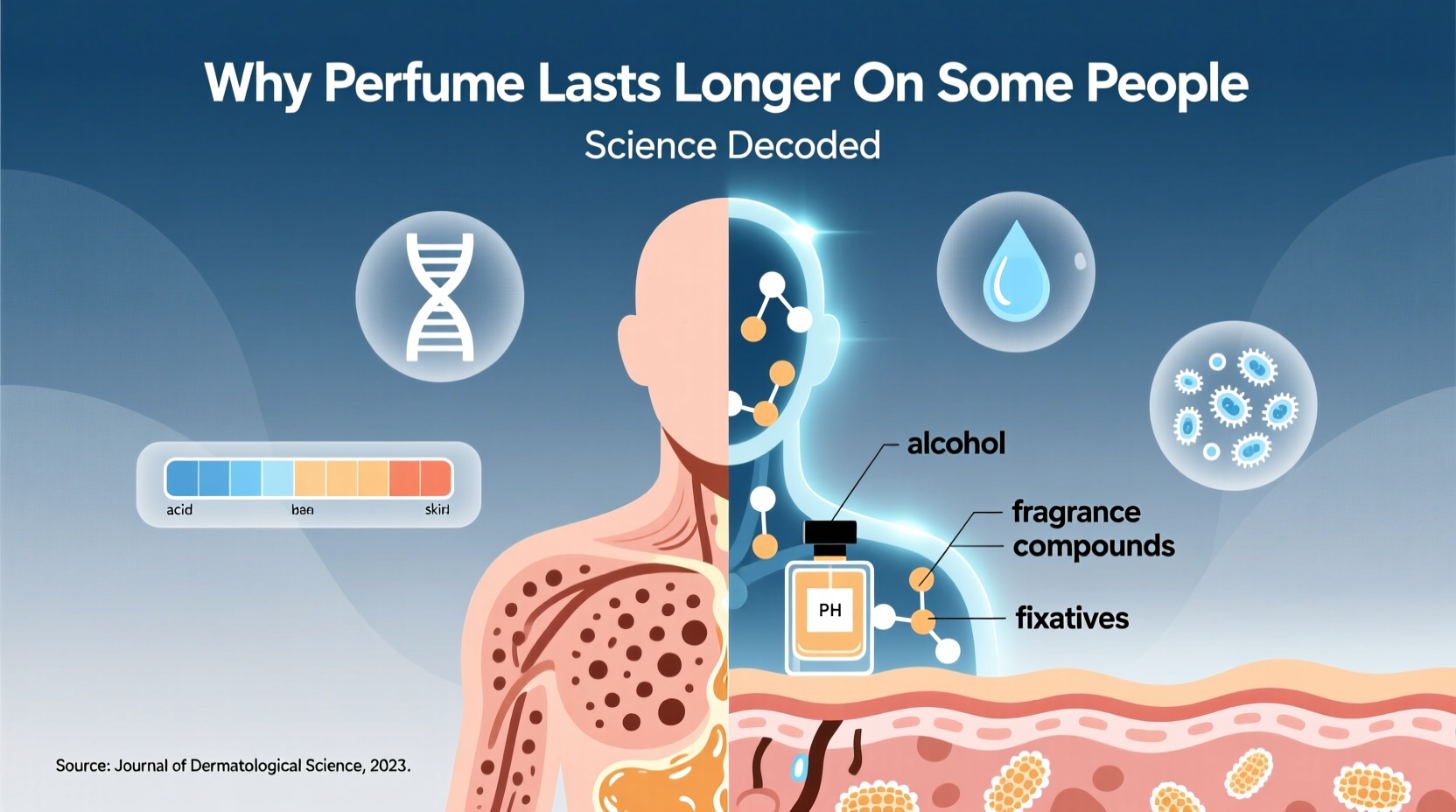
At the heart of the mystery lies skin chemistry—your body’s unique biochemical environment. Perfume doesn't simply sit on the skin; it reacts with it. When fragrance molecules come into contact with your skin, they interact with natural oils, sweat, and surface bacteria, creating a dynamic olfactory blend that evolves over time.
Each person's skin produces a distinct mix of sebum (natural oil), amino acids, fatty acids, and moisture levels. These components influence how fragrance compounds bind to the skin and how quickly they evaporate. For example, individuals with oilier skin often experience longer-lasting scents because sebum helps trap fragrance molecules, slowing their release into the air.
“Fragrance is not just a product—it’s a dialogue between chemistry and biology.” — Dr. Lena Moretti, Cosmetic Chemist & Olfactory Researcher
Dry skin, on the other hand, lacks this natural binding agent, causing perfumes to evaporate faster. This doesn’t mean dry-skinned individuals can’t enjoy lasting fragrances—they just need to adapt their application strategy.
pH Levels and Their Impact on Scent Development
Skin pH plays a crucial role in how a fragrance unfolds. The average human skin has a slightly acidic pH of about 4.5 to 5.5, forming what’s known as the acid mantle—a protective barrier against microbes and environmental damage. However, individual pH levels can vary due to genetics, diet, hygiene habits, and even hormonal fluctuations.
When a fragrance meets skin, its volatile compounds react differently depending on the pH. A more alkaline (higher pH) skin surface can accelerate the breakdown of certain aromatic molecules, particularly those in citrus or green accords, leading to a shorter lifespan. Conversely, slightly acidic skin may preserve these notes longer, enhancing the overall projection and sillage (the trail left behind).
For instance, two people wearing the same floral-aldehyde perfume might experience vastly different results: one detects rich jasmine and powdery warmth for hours, while the other notices only a fleeting burst of aldehydes followed by rapid dissipation. This divergence often stems from pH-related molecular instability.
How Diet Influences Skin pH and Scent Interaction
What you eat directly affects your body’s internal chemistry, which in turn influences skin pH. Diets high in processed sugars and red meat tend to increase acidity in the bloodstream, potentially altering skin conditions. In contrast, alkaline-rich diets featuring leafy greens, fruits, and hydration can balance pH levels, creating a more stable canvas for fragrance.
Caffeine and alcohol also play a role. Both are dehydrating and can raise skin pH temporarily, weakening the skin’s ability to retain scent. Staying hydrated and maintaining a balanced diet isn’t just good for health—it’s essential for optimal fragrance performance.
Fragrance Concentration vs. Skin Compatibility
While many assume that higher concentration automatically means longer wear, the reality is more nuanced. Perfume types—such as Eau de Cologne (2–4% oil), Eau de Toilette (5–10%), Eau de Parfum (10–15%), and Parfum (15–30%)—do contain varying amounts of aromatic compounds, but their actual longevity depends heavily on skin compatibility.
A lightweight Eau de Toilette might outlast a Parfum on someone with oily, acidic skin, whereas the reverse could be true for someone with dry, alkaline skin. This explains why blind-buying luxury fragrances without testing them first can lead to disappointment—even the most expensive bottle may not perform well on your unique chemistry.
| Fragrance Type | Average Oil Concentration | Typical Longevity | Best For |
|---|---|---|---|
| Eau de Cologne | 2–4% | 1–2 hours | Hot weather, casual use |
| Eau de Toilette | 5–10% | 2–4 hours | Daily wear, office settings |
| Eau de Parfum | 10–15% | 4–6 hours | Evening events, cooler climates |
| Parfum/Extrait | 15–30% | 6–8+ hours | Special occasions, cold seasons |
Ultimately, matching concentration to your skin type—not just preference—is key. Those with dry skin should lean toward Eau de Parfum or Parfum, while oilier skin types may find EDT sufficient and less overwhelming.
Hormonal Fluctuations and Seasonal Changes
Have you ever noticed that your favorite perfume smells different—or doesn’t last as long—during certain times of the month? Hormones significantly impact both skin condition and scent perception. Estrogen and progesterone levels fluctuate throughout the menstrual cycle, affecting sebum production and skin hydration.
During ovulation, when estrogen peaks, many women report enhanced fragrance longevity and stronger sillage. In contrast, during menstruation or menopause, lower hormone levels can lead to drier skin and reduced scent retention. Similarly, pregnancy alters body chemistry dramatically, often making certain notes smell sharper or unpleasant due to heightened olfactory sensitivity.
Seasons also shift how perfumes behave. In humid summer months, heat increases perspiration and opens pores, accelerating evaporation and sometimes distorting scent profiles. Winter’s cold, dry air reduces natural oil production, shortening wear time unless compensated with proper skincare.
Real Example: Sarah’s Summer Scent Struggle
Sarah loved her signature vanilla-amber Eau de Parfum. It lasted all day during fall and winter, wrapping her in warmth. But each summer, she’d reapply constantly, frustrated that the scent disappeared within two hours. After consulting a dermatologist, she learned her increased sweating and higher skin temperature were breaking down the heavier base notes prematurely. She switched to a lighter citrus-woody EDT for summer and applied it after moisturizing her arms and décolletage. The change was immediate—her fragrance now lasted four hours, with a cleaner, crisper evolution.
Step-by-Step Guide to Maximizing Fragrance Longevity
Instead of relying on luck, follow this science-backed routine to enhance how long your perfume lasts:
- Hydrate your skin: Apply an unscented lotion or oil-based moisturizer immediately after showering. Damp skin absorbs better, locking in moisture and creating a sticky base for fragrance.
- Choose pulse points wisely: Spray on warm areas like wrists, inner elbows, neck, and behind ears. These spots emit heat, helping diffuse the scent gradually.
- Avoid rubbing wrists together: This crushes delicate top notes and accelerates evaporation. Let the perfume settle naturally.
- Layer with matching products: Use a fragrance-matching body wash or lotion to build a cohesive scent foundation.
- Reapply strategically: Carry a travel-sized atomizer for touch-ups on shoulders or hair—hair fibers hold scent longer than skin.
- Store properly: Keep perfumes in cool, dark places away from sunlight and humidity to preserve their chemical integrity.
Common Myths About Perfume Longevity
Misinformation abounds in the world of fragrance. Let’s debunk a few persistent myths:
- Myth: Alcohol in perfume dries out skin and ruins longevity.
Truth: While alcohol aids quick drying, it also enables even dispersion. High-quality perfumes balance alcohol with emollients to minimize irritation. - Myth: Rubbing perfume into the skin makes it last longer.
Truth: Friction generates heat and breaks down top notes like bergamot or aldehydes, distorting the scent pyramid. - Myth: Expensive perfumes always last longer.
Truth: Price reflects ingredients, branding, and craftsmanship—but not guaranteed longevity. Performance depends on compatibility, not cost.
Frequently Asked Questions
Why does my perfume disappear so quickly?
Rapid dissipation is usually due to dry skin, low sebum production, or high skin pH. Environmental factors like heat and wind also speed up evaporation. Try moisturizing before application and switching to a higher-concentration fragrance.
Can medications affect how perfume smells on me?
Yes. Certain medications—including antibiotics, antidepressants, and hormonal treatments—alter body chemistry, sweat composition, and even natural odor. This can change how fragrance notes develop or cause unexpected interactions.
Is there a way to test if a perfume will last on my skin?
Always test on your own skin, not paper strips. Wear the fragrance for at least 4–6 hours to observe its full evolution. Test in the morning and check periodically—don’t decide based on the first impression alone.
Checklist: Optimize Your Fragrance Experience
- ✅ Moisturize skin before applying perfume
- ✅ Choose EDP or Parfum if you have dry skin
- ✅ Avoid direct sunlight and heat when storing fragrances
- ✅ Apply to pulse points without rubbing
- ✅ Layer with matching scented products
- ✅ Adjust your fragrance choices seasonally
- ✅ Reapply using hair or clothing instead of overloading skin
- ✅ Monitor changes during hormonal shifts or medication use
Conclusion: Embrace Your Unique Scent Identity
Perfume is not one-size-fits-all. Its behavior on your skin is a reflection of your biology, habits, and environment. Rather than chasing universal longevity, embrace the idea that your scent journey is personal. By understanding the science behind skin chemistry, pH, hormones, and formulation, you gain control over how your fragrance performs.
The next time you wonder why a perfume fades fast or blooms beautifully, remember: it’s not the bottle—it’s you. And that’s where the real magic begins.




 浙公网安备
33010002000092号
浙公网安备
33010002000092号 浙B2-20120091-4
Comments
No comments yet. Why don't you start the discussion?