
Walk into any fragrance boutique and you’ll notice a striking difference: some scents linger on the skin for hours, while others vanish within minutes. It’s not just about brand prestige or price tags—there are real scientific and compositional reasons behind perfume longevity. Understanding these factors can transform the way you choose, wear, and store your favorite scents. The truth lies in the ingredients, concentration levels, molecular structure, and even your own skin chemistry.
Perfume longevity isn’t magic—it’s chemistry. From the volatility of top notes to the depth of base ingredients, every component plays a role in how long a fragrance stays present. Some perfumes are engineered to project boldly and endure, while others are designed for subtlety and freshness. But if you’ve ever wondered why your colleague’s scent still lingers at 5 PM while yours disappeared by lunchtime, the answer is rooted in formulation science and personal biology.
The Role of Fragrance Concentration
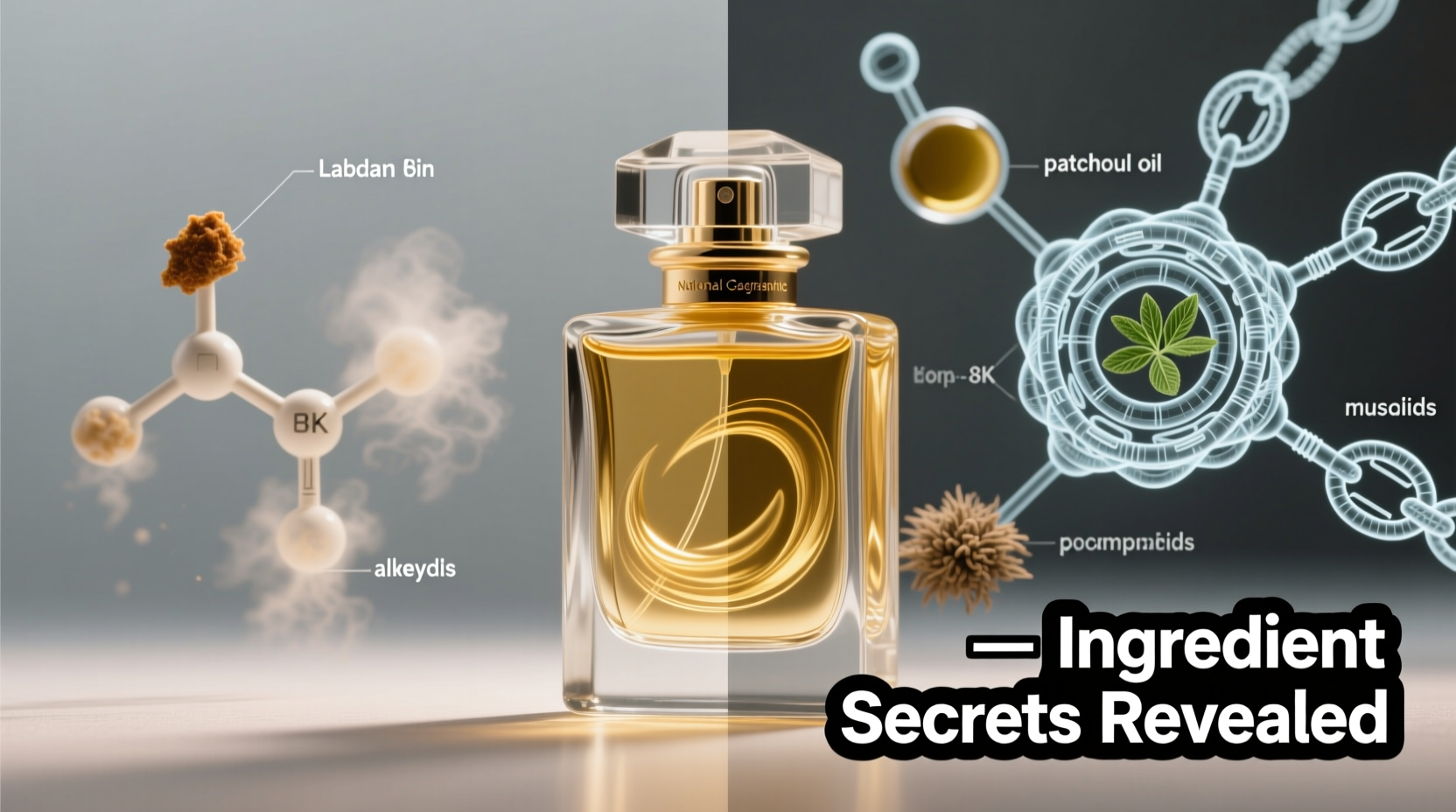
One of the most decisive factors in how long a perfume lasts is its concentration of aromatic compounds. Perfumes are categorized based on the percentage of fragrance oil dissolved in alcohol (and sometimes water). The higher the oil concentration, the more potent and enduring the scent.
| Fragrance Type | Oil Concentration | Average Longevity |
|---|---|---|
| Eau de Cologne (EDC) | 2–4% | 1–2 hours |
| Eau de Toilette (EDT) | 5–10% | 2–4 hours |
| Eau de Parfum (EDP) | 10–20% | 4–8 hours |
| Parfum (Extrait) | 20–30%+ | 6–12+ hours |
The reason higher concentrations last longer is simple: more oil means more aromatic molecules available to evaporate slowly over time. Parfum, with its rich oil content, clings to the skin and releases fragrance gradually, often deepening in character as it interacts with body heat. In contrast, Eau de Cologne is light and fleeting—perfect for a morning refresh but rarely suitable for all-day wear.
The Science of Notes: How Top, Middle, and Base Affect Longevity
Fragrances unfold in stages known as “notes.” These aren't separate scents layered together—they’re different molecules evaporating at different rates. The composition of these notes determines both the evolution and staying power of a perfume.
- Top Notes: The first impression, usually citrus, herbs, or light fruits. Highly volatile, they evaporate within 5–15 minutes.
- Middle (Heart) Notes: The core of the fragrance—floral, spicy, or green accords. They emerge after the top fades and last 2–4 hours.
- Base Notes: Deep, rich ingredients like woods, resins, musks, or vanilla. These evaporate slowly and anchor the scent, often lasting 6+ hours.
A perfume with a strong base will naturally outlast one dominated by top and middle notes. For example, a fragrance built around sandalwood, patchouli, or amber will have far greater longevity than a bright citrus cologne, even if both are the same concentration.
“Longevity starts at the bottom. A well-structured base is what turns a fleeting scent into a memorable trail.” — Dr. Laurent Moreau, Perfume Chemist and Olfactory Consultant
Key Long-Lasting Ingredients in Perfumery
Certain raw materials are prized in perfumery specifically for their tenacity. These ingredients bind well to the skin and release aroma slowly due to their large molecular weight and low volatility.
Here are some of the most effective long-wearing components:
- Synthetic Musks (e.g., Galaxolide, Musk Ketone): Widely used for their clean, skin-like warmth and exceptional staying power. They act as fixatives, helping other notes last longer.
- Ambroxan and Iso E Super: Modern synthetic amber molecules that provide a radiant, woody depth. Known for their projection and persistence, often detectable after 12 hours.
- Oud (Agarwood): A rare, resinous wood with an intense, smoky richness. Natural oud is expensive, but even synthetic versions offer remarkable longevity.
- Vanilla and Benzoin Resin: Sweet, balsamic notes that adhere well to skin and create a warm, lingering dry-down.
- Patchouli and Sandalwood: Earthy, woody essences with high oil content. Patchouli, in particular, improves with age and becomes deeper over time.
- Labdanum and Frankincense: Resinous materials from Mediterranean shrubs and trees. They add complexity and help stabilize the fragrance pyramid.
In contrast, ingredients like lemon, bergamot, and green apple are highly volatile. While they create an appealing initial burst, they don’t contribute much to longevity unless paired with a robust base.
Skin Chemistry and Environmental Factors
No two people experience a perfume the same way—and that includes how long it lasts. Your skin type, pH level, and even diet influence fragrance performance.
Oily skin tends to hold onto fragrance longer because the oils help trap aromatic molecules. Dry skin, on the other hand, lacks this natural retention, causing scents to evaporate quickly. That’s why someone might rave about a perfume lasting all day, while another person finds it gone in an hour.
Environmental conditions also play a role:
- Humidity: Higher moisture in the air slows evaporation, enhancing longevity.
- Temperature: Heat increases volatility, making top notes disappear faster—but it can also amplify sillage (the scent trail).
- Wind and Airflow: Constant movement disperses fragrance molecules, reducing perceived strength.
Even hydration levels matter. Well-moisturized skin creates a better surface for fragrance adherence. Applying unscented lotion before spraying can significantly extend wear time.
Mini Case Study: Two Women, One Perfume
Claire and Naomi both bought the same popular floral-woody Eau de Parfum. Claire has oily, slightly acidic skin and lives in a humid coastal city. She applies the fragrance to her moisturized neck and wrists. The scent lasts over 8 hours, evolving beautifully from citrus opening to a warm, musky finish.
Naomi, however, has very dry skin and lives in a dry, air-conditioned apartment. She sprays the same perfume on bare skin without prepping. By midday, she can no longer smell it. Friends confirm it’s barely detectable after three hours.
The issue wasn’t the perfume—it was the application context. When Naomi began using a fragrance-free body oil before spraying, the longevity improved dramatically, reaching nearly 6 hours.
How to Make Any Perfume Last Longer: A Step-by-Step Guide
You don’t need to buy a new bottle to get better performance. With smart habits, you can maximize the lifespan of any fragrance.
- Moisturize First: Apply an unscented lotion or body oil to create a hydrated base that traps fragrance.
- Target Pulse Points: Spray on warm areas like wrists, inner elbows, and behind ears where blood flow heats the scent and enhances diffusion.
- Avoid Rubbing: Rubbing wrists together breaks down delicate top notes. Let the scent settle naturally.
- Layer with Matching Products: Use a matching shower gel or body cream to build a scent foundation.
- Store Properly: Keep perfumes in a cool, dark place away from sunlight and temperature swings. Heat degrades essential oils and alters balance.
- Reapply Strategically: Carry a travel spray for touch-ups, focusing on fresh pulse points rather than reapplying over faded scent.
- Choose Clothing Application: Fabrics like wool and cotton fibers absorb and retain fragrance longer than skin.
“Perfume is alive. It breathes with your skin, reacts to your environment, and evolves over time. Respect its nature, and it will reward you with depth and duration.” — Sylvaine Delacourte, Former Director of Olfactory Creation at Guerlain
Common Myths About Perfume Longevity
Despite growing awareness, several misconceptions persist:
- Myth: Expensive perfumes always last longer.
Reality: Price reflects branding, rarity, and marketing—not necessarily longevity. Many niche and designer scents underperform in wear time. - Myth: Alcohol ruins longevity.
Reality: While alcohol carries the scent, it evaporates quickly and doesn’t damage the oil. In fact, it helps disperse the fragrance evenly. - Myth: Natural oils last longer than synthetics.
Reality: Some naturals (like sandalwood) are long-lasting, but many essential oils (e.g., citrus) fade fast. Synthetics like Ambroxan are engineered for endurance.
Checklist: Maximizing Your Perfume’s Longevity
Use this quick checklist to ensure your fragrance performs at its best:
- ☑ Moisturize skin before applying
- ☑ Store perfume away from light and heat
- ☑ Spray on pulse points, not rubbed
- ☑ Use matching scented body products
- ☑ Reapply midday if needed
- ☑ Choose higher concentration (EDP or Parfum) for evening or cold weather
- ☑ Test on your skin, not paper strips, for true longevity assessment
FAQ
Why does my perfume last longer on clothes than on skin?
Fabrics absorb and hold fragrance oils more effectively than skin, which naturally regulates moisture and temperature. Clothes don’t sweat or emit heat as intensely, so the scent evaporates slower. However, oils can stain delicate fabrics, so apply carefully.
Can I mix perfumes to make them last longer?
Yes—layering complementary scents can enhance depth and staying power. Try pairing a light citrus EDT with a musky parfum. The lighter scent provides brightness; the richer one anchors longevity. Just test combinations first to avoid clashing notes.
Does skin type really affect how long perfume lasts?
Absolutely. Oily skin retains fragrance longer due to natural lipid content. Dry skin benefits from pre-moisturizing with oil-based lotions. Even skin pH can alter how certain notes develop—slightly acidic skin may intensify citrus, while alkaline tones can amplify florals.
Conclusion
The mystery of why some perfumes last longer than others isn’t mystical—it’s methodical. From the concentration of oils to the molecular weight of base notes, every element contributes to a fragrance’s staying power. Understanding these factors empowers you to choose wisely, wear intentionally, and care for your collection like a connoisseur.
Next time you reach for a bottle, consider not just how it smells at first spray, but how it evolves over hours. Seek out rich bases, respect your skin’s nature, and apply with purpose. A great fragrance shouldn’t vanish by noon—it should tell a story that unfolds with you.




 浙公网安备
33010002000092号
浙公网安备
33010002000092号 浙B2-20120091-4
Comments
No comments yet. Why don't you start the discussion?