
Pet owners often decorate their homes with string lights, holiday displays, or ambient lighting to enhance the atmosphere. While these twinkling lights can be festive and soothing for humans, they may trigger unexpected fear in dogs, cats, and even small animals like rabbits or birds. Sudden flickers, rapid movements, or reflections off shiny surfaces can overwhelm a pet’s senses, leading to stress, hiding, vocalization, or even destructive behavior. Understanding the root causes of this reaction—and knowing how to respond—is essential for maintaining your pet’s emotional well-being.
Their fear isn’t irrational. It stems from evolutionary instincts, sensory sensitivities, and learned experiences. By recognizing the signs and taking proactive steps, you can help your pet feel safe without sacrificing seasonal cheer or modern aesthetics.
Why Twinkling Lights Trigger Fear in Pets
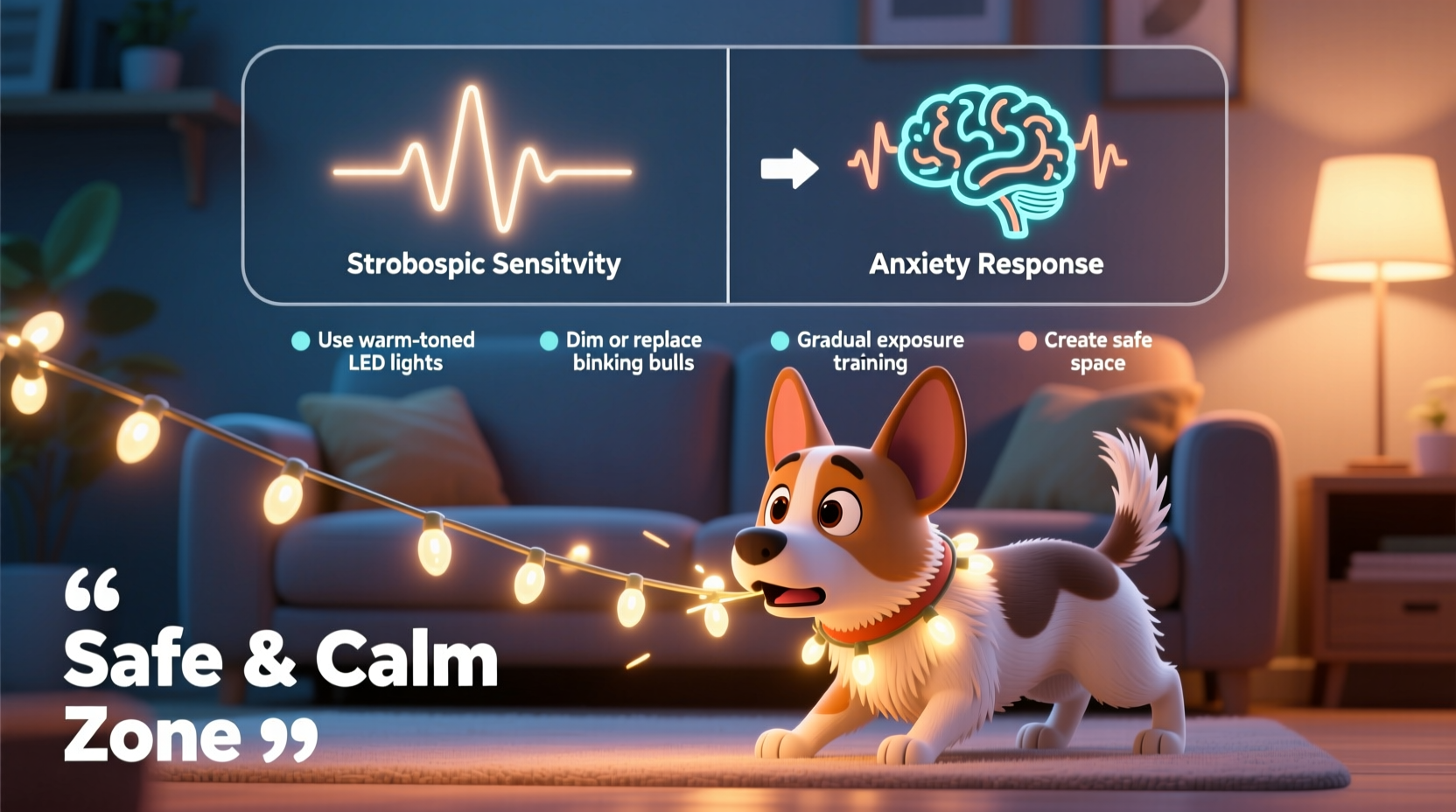
Pets perceive light differently than humans. Their eyes are adapted for low-light vision and detecting motion—traits that helped their wild ancestors survive. However, these same traits make rapidly changing or flashing lights especially jarring.
Dogs, for instance, have a higher flicker fusion threshold than humans—meaning they can detect rapid light fluctuations that appear constant to us. A string of LED lights blinking at 60 Hz might look smooth to you but could appear as a strobe effect to your dog. This can be disorienting or even painful over time.
Cats, too, rely heavily on visual cues for hunting and threat detection. Unpredictable patterns of light—especially those that mimic fast-moving prey or sudden environmental changes—can trigger a startle response. If a light reflects off a mirror or window, creating erratic movement across the floor, a cat may interpret it as an intruder or danger.
Small mammals and birds are even more sensitive. Many have wide-angle vision and acute sensitivity to light changes. In the wild, sudden flashes could signal predators or environmental threats. Even subtle twinkling can keep them in a state of hyper-vigilance, raising cortisol levels and weakening immune function over time.
“Animals don’t rationalize what they see the way we do. To a dog, a flickering shadow isn’t decorative—it’s potentially dangerous.” — Dr. Lena Reyes, Veterinary Behaviorist
Common Signs of Light-Induced Anxiety in Pets
Fear responses vary by species and individual temperament. Some pets may show obvious distress, while others exhibit subtle signs that are easily overlooked. Watch for the following behaviors when lights are turned on:
- Flattened ears or tucked tail (dogs and cats)
- Excessive blinking or avoiding eye contact
- Pacing, trembling, or panting
- Hiding under furniture or retreating to another room
- Whining, growling, or meowing persistently
- Dilated pupils or “whale eye” (seeing the whites of the eyes)
- Refusing to enter a lit room
- Increased shedding or licking paws (signs of chronic stress)
In severe cases, pets may urinate or defecate out of fear, especially if they feel trapped. These reactions are not defiance—they are involuntary responses to perceived threats.
How to Reduce Your Pet’s Anxiety Around Twinkling Lights
With patience and consistency, most pets can learn to tolerate—or even ignore—decorative lighting. The key is to minimize exposure initially and build positive associations over time.
1. Choose Pet-Friendly Lighting Options
Not all twinkling lights are equally disturbing. Consider switching to alternatives that are less likely to trigger fear:
| Type of Light | Impact on Pets | Recommendation |
|---|---|---|
| Steady LED strips | Low | Ideal—provides ambient glow without flicker |
| Slow-pulse mode | Moderate | Better than rapid twinkle; use with caution |
| Rapid strobe or chase lights | High | Avoid—most likely to cause distress |
| Warm white (vs. cool blue) | Lower stress | Warmer tones are less harsh on animal eyes |
| Dimmable lights | Adjustable | Start low, increase brightness slowly |
2. Control the Environment
Limit your pet’s exposure by managing where and when lights are used. Use timers to ensure lights aren’t on during times when your pet is most vulnerable—like bedtime or when home alone.
- Place twinkling lights in rooms your pet doesn’t frequent.
- Use physical barriers like baby gates or closed doors to block access.
- Aim lights upward or onto walls to reduce floor-level reflections.
- Avoid placing lights near mirrors, glass tables, or windows where reflections multiply.
3. Create Safe Zones
Ensure your pet has a quiet, dark retreat where they can relax away from stimulation. This space should include their bed, water, toys, and familiar scents.
Consider using blackout curtains or a covered crate to deepen the sense of security. White noise machines or calming music can also mask any faint buzzing from light transformers, which some pets hear even if humans cannot.
Step-by-Step Desensitization Plan
If your pet must coexist with twinkling lights—such as during holidays—follow this gradual exposure process. It typically takes 2–4 weeks but yields long-term results.
- Phase 1: Off-State Familiarization (Days 1–3)
Place the unlit string in the room. Let your pet investigate freely. Reward calm behavior with treats or praise. - Phase 2: First Exposure (Day 4)
Turn on the lights for 5 minutes at a time, once per day. Use steady mode if available. Observe your pet from a distance—do not force interaction. - Phase 3: Positive Association (Days 5–10)
Pair light activation with something enjoyable: mealtime, play, or treat dispensing. Keep sessions short. - Phase 4: Gradual Increase (Days 11–20)
Extend duration by 5 minutes daily. Switch to slow-pulse mode only after your pet remains relaxed at 30+ minutes of steady light. - Phase 5: Full Integration (Day 21+)
Use lights normally, but continue monitoring. If regression occurs, return to the last successful step.
“Desensitization works best when the pet never feels overwhelmed. Progress should be measured in comfort, not speed.” — Dr. Alan Meeks, Certified Animal Behavior Consultant
Real-Life Example: Helping Luna the Rescue Cat
Luna, a 3-year-old domestic shorthair adopted from a shelter, began hiding every evening when her owner turned on the kitchen’s under-cabinet LED strip lights. The soft blue glow was meant to be cozy, but Luna would flatten her ears, dart behind the couch, and refuse to come out until the lights were off.
After consulting a veterinary behaviorist, the owner discovered that the lights had a subtle flicker imperceptible to humans. They replaced the LEDs with a high-quality, flicker-free warm white version and began a desensitization routine. For two weeks, they turned the new lights on for just three minutes while feeding Luna her favorite tuna paste.
By week three, Luna not only tolerated the lights but began eating her dinner in the same room. Within a month, she lounged under the cabinets without flinching. The change wasn’t about eliminating light—it was about rebuilding trust through predictability and positive experience.
Additional Support Tools and When to Seek Help
While environmental adjustments and training are effective for most pets, some may need extra support—especially if they have a history of trauma or generalized anxiety.
Calming Aids That May Help
- Phantom collars or diffusers: Release synthetic calming pheromones (e.g., Feliway for cats, Adaptil for dogs).
- Anxiety wraps: Apply gentle pressure to reduce nervous system arousal.
- Supplements: L-theanine, melatonin, or CBD oil (only under veterinary guidance).
- Background sound: Species-specific calming music, such as Through a Dog’s Ear or iCalmPet.
If your pet shows no improvement after consistent effort—or if anxiety worsens—consult your veterinarian. Underlying medical conditions like vision impairment, cognitive dysfunction, or hearing loss can amplify fear responses. In some cases, short-term anti-anxiety medication may be recommended to support behavioral therapy.
Checklist: Pet-Safe Lighting Practices
Use this checklist to protect your pet during holidays, parties, or home makeovers:
- ✅ Audit all twinkling lights for visible flicker (record with phone camera—if lines roll, it’s flickering)
- ✅ Choose warm white, steady-mode, or dimmable options
- ✅ Install lights in low-traffic pet areas
- ✅ Eliminate reflective surfaces nearby
- ✅ Provide a dark, quiet retreat with food and water
- ✅ Introduce lights gradually with treats or play
- ✅ Monitor behavior closely for signs of stress
- ✅ Remove or turn off lights if fear persists beyond two weeks
FAQ
Can twinkling lights harm my pet’s eyes?
There’s no strong evidence that typical decorative lights cause physical eye damage. However, prolonged exposure to flickering or intense blue-spectrum LEDs may contribute to eye strain or disrupt sleep cycles by suppressing melatonin. Using warmer tones and limiting nighttime use reduces these risks.
My dog only reacts to Christmas lights—why?
Seasonal decorations are often introduced suddenly and paired with other stressors: guests, loud noises, schedule changes. The lights themselves may not be the sole trigger. It’s the combination of novelty, unpredictability, and environmental overload. Start preparing weeks before decorating by acclimating your dog to one change at a time.
Are some breeds or species more sensitive?
Yes. Herding dogs (e.g., Border Collies), sighthounds (e.g., Greyhounds), and highly strung breeds often have lower sensory thresholds. Cats with outdoor backgrounds may be more alert to movement. Small pets like rabbits, guinea pigs, and birds are naturally more vigilant due to prey-animal instincts. Individual temperament matters more than breed, but genetic predispositions play a role.
Final Thoughts: Compassion Over Convenience
Your home should be a sanctuary for every member of your household—including the four-legged ones. While twinkling lights add charm and warmth for humans, they can unintentionally turn a safe space into a source of dread for pets. Recognizing their perspective is the first step toward empathy.
You don’t have to give up festive decor or modern lighting entirely. With thoughtful choices, gradual exposure, and a commitment to your pet’s emotional health, you can strike a balance between beauty and well-being. The goal isn’t perfection—it’s peace.




 浙公网安备
33010002000092号
浙公网安备
33010002000092号 浙B2-20120091-4
Comments
No comments yet. Why don't you start the discussion?