
The debate over microtransactions in video games is one of the most polarizing discussions in modern gaming culture. On one side, players decry pay-to-win mechanics, exploitative design, and the erosion of fair play. On the other, many gamers willingly spend money on cosmetic items, battle passes, or convenience features without hesitation. This divide isn’t just about personal preference—it reflects deeper differences in values, financial capacity, psychological engagement, and expectations from game developers. Understanding both perspectives reveals not only how monetization shapes player experiences but also how the industry must evolve to maintain trust and inclusivity.
The Psychology Behind Player Reactions
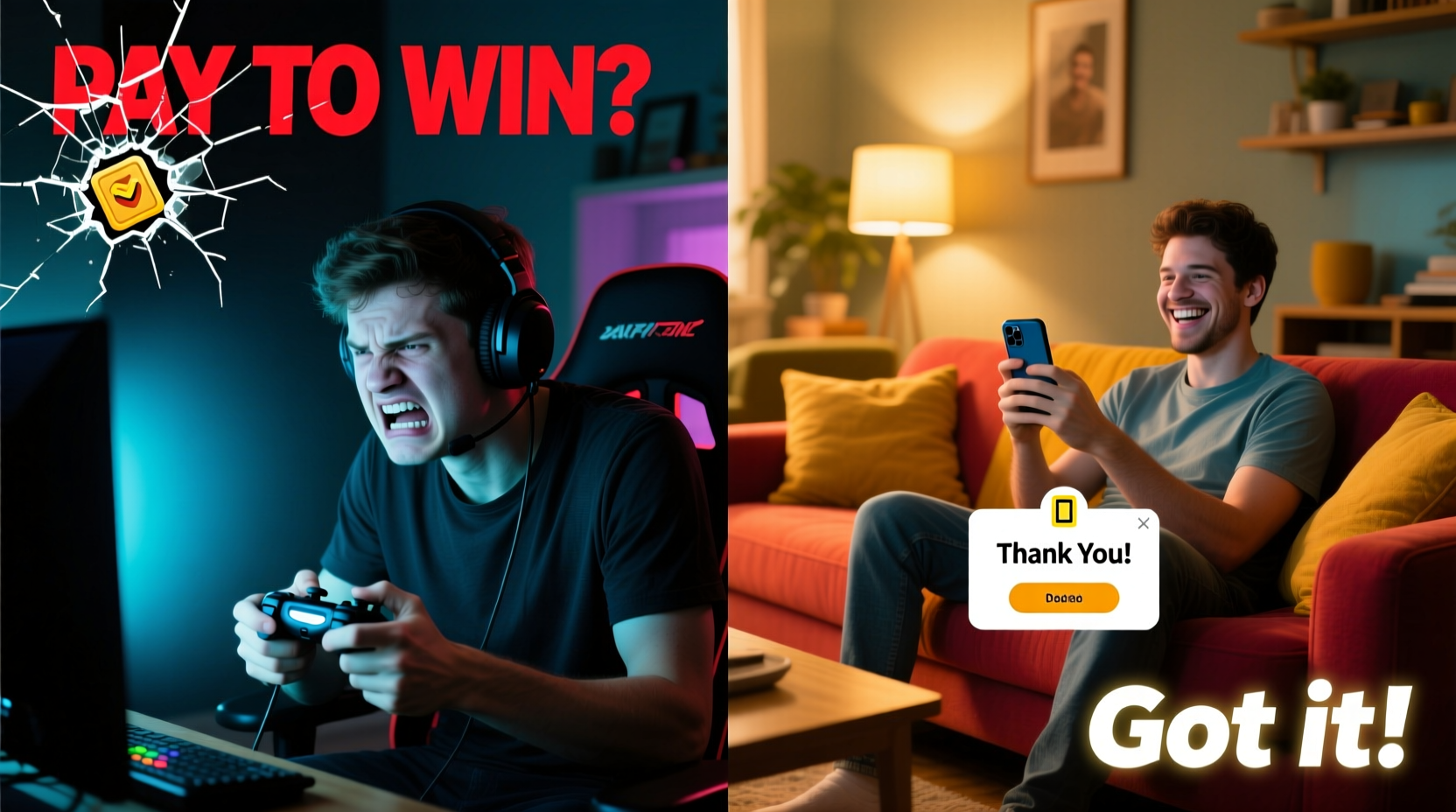
Player attitudes toward microtransactions are deeply rooted in cognitive and emotional responses. For some, spending money enhances their sense of ownership and investment in a game. Purchasing a unique skin or emote can feel like an expression of identity within a digital world. These players often view microtransactions as optional enhancements—similar to buying movie tickets or concert merchandise.
Conversely, others perceive in-game purchases as manipulative tactics designed to exploit behavioral psychology. Techniques such as limited-time offers, randomized loot boxes, and progress gates that encourage spending trigger feelings of coercion. When progression slows unless you pay, the experience shifts from entertainment to obligation. This is especially true in games where core content becomes inaccessible without real-world currency.
“Monetization strategies that prioritize profit over fairness risk alienating loyal players—even those who previously supported the game.” — Dr. Lena Park, Behavioral Economist & Gaming Researcher
The same mechanic can be seen as either “freedom to customize” or “paywall to fun,” depending on the player’s mindset and past experiences. A teenager with limited income may resent being priced out of competitive balance, while a working adult might appreciate skipping grind time for a small fee.
Ethical Design: Where Do We Draw the Line?
Not all microtransactions are created equal. The key differentiator lies in ethical design principles. Games that offer purely cosmetic items (e.g., hats, skins, taunts) tend to generate less backlash because they don’t affect gameplay balance. In contrast, systems that sell power advantages—such as stronger weapons, faster leveling, or exclusive abilities—introduce inequality based on wealth rather than skill.
Loot boxes represent another controversial frontier. Despite resembling gambling in their use of randomness and variable rewards, they remain common in AAA titles. Some countries, including Belgium and the Netherlands, have banned them outright due to concerns about addiction and underage exposure. Yet publishers continue using them under slightly rebranded formats like “mystery crates” or “surprise drops.”
Common Ethical Red Flags in Microtransaction Design
- Pay-to-win mechanics: Players gain significant advantages by spending money.
- Time-gating progression: Non-paying users face artificially slowed advancement.
- Randomized rewards: Loot boxes obscure value and encourage repeated spending.
- FOMO-driven sales: Limited-time offers pressure quick decisions.
- Dark patterns: Interfaces designed to trick users into accidental purchases.
Who Accepts Microtransactions—and Why?
A substantial portion of the gaming population embraces microtransactions when implemented thoughtfully. These players often cite several reasons for their acceptance:
- Supporting Developers: Many see microtransactions as a way to financially support studios they admire, especially in free-to-play models where traditional upfront payments don’t exist.
- Convenience Over Grind: Some prefer paying a few dollars to skip repetitive tasks rather than investing dozens of hours for marginal gains.
- Cosmetic Pride: Unique visual items allow self-expression and status signaling within communities.
- Battle Pass Engagement: Tiered reward systems (like Fortnite’s battle pass) offer structured goals and perceived high value relative to cost.
- No Upfront Cost: Free access lowers entry barriers, making games more inclusive initially—even if long-term costs add up.
In fact, research from Newzoo indicates that nearly 70% of mobile gamers make at least one in-app purchase per year, primarily for cosmetics and convenience. These players aren’t necessarily wealthy; many are budget-conscious individuals who selectively spend on items they genuinely enjoy.
Mini Case Study: Fortnite’s Balanced Approach
Epic Games’ Fortnite exemplifies a model that balances profitability with broad appeal. While the game is free to play, its revenue exceeds billions annually through cosmetic sales and battle passes. Crucially, Epic maintains a strict no-pay-to-win policy—players cannot buy better gear or abilities. Instead, the store rotates themed outfits, dances, and pickaxes tied to pop culture events.
This strategy has allowed Fortnite to cultivate a massive, diverse player base. Even critics acknowledge that its monetization feels optional and respectful. Parents report children asking for V-Bucks as gifts, not because they’re falling behind, but because they want to express themselves like their peers. By focusing on social value rather than competitive advantage, Epic sidesteps much of the backlash seen in other titles.
Why Others Strongly Oppose Microtransactions
For every player who accepts microtransactions, there’s another who views them as a corrupting force in gaming. Their objections stem from both principle and personal experience:
- Erosion of Fairness: Competitive multiplayer games become unbalanced when paying players dominate through superior gear.
- Exploitation of Vulnerable Groups: Children and individuals prone to addictive behaviors are particularly susceptible to manipulative designs.
- Decline in Game Quality: Some developers cut content or stretch development timelines, relying instead on post-launch monetization.
- Loss of Trust: Once a game introduces aggressive monetization after launch, players feel betrayed—especially if promises of “no pay-to-win” were broken.
- Financial Pressure: What starts as a $5 cosmetic can escalate into hundreds spent over time, creating regret and frustration.
A notable example is Star Wars Battlefront II (2017), which faced global backlash for requiring up to 40 hours of gameplay to unlock a single hero character—or allowing instant access for $10. The controversy was so intense it led to EA temporarily removing microtransactions, issuing public apologies, and testifying before Congress about loot box practices.
| Aspect | Player Acceptance | Player Resistance |
|---|---|---|
| Cost Model | Free-to-play with optional purchases | Paid upfront game with added microtransactions |
| Type of Items Sold | Cosmetics, emotes, non-competitive perks | Power-ups, weapons, XP boosts |
| Progression Impact | No effect on skill-based outcomes | Grinding slowed unless paid |
| Transparency | Clear pricing, drop rates disclosed | Opaque odds, hidden costs |
| Community Perception | Seen as fair and optional | Viewed as greedy or predatory |
Tips for Navigating Microtransactions as a Player
Whether you love them or loathe them, microtransactions are now embedded in much of the gaming landscape. Here’s how to engage wisely:
Checklist: How to Evaluate a Game’s Monetization
- ✅ Does the game disclose drop rates for randomized items?
- ✅ Are paid upgrades strictly cosmetic or do they impact gameplay?
- ✅ Is there a clear path to earn rewards without paying?
- ✅ Has the developer been transparent about future monetization plans?
- ✅ Are parental controls available for younger players?
Looking Ahead: The Future of In-Game Purchases
The gaming industry stands at a crossroads. On one hand, microtransactions fund innovation, enable free access, and empower indie developers. On the other, unchecked monetization risks damaging player trust and regulatory scrutiny. The solution isn’t elimination—but evolution.
Emerging trends suggest a shift toward more ethical frameworks. Subscription models (like Xbox Game Pass or PlayStation Plus) offer ad-free, purchase-free access to premium content. Some developers are experimenting with community voting on cosmetic designs, sharing revenue with creators, or offering lifetime ownership instead of temporary licenses.
Regulators are also stepping in. The U.S. Federal Trade Commission has launched investigations into loot box practices, while the UK Parliament continues reviewing whether such systems should fall under gambling laws. As pressure mounts, transparency and player agency will likely become standard expectations—not optional luxuries.
FAQ
Are all microtransactions bad?
No. Microtransactions become problematic when they compromise fairness, exploit psychological vulnerabilities, or replace quality content with monetization. Well-designed systems that offer optional, non-essential items can coexist with enjoyable gameplay.
Can a game be profitable without microtransactions?
Yes. Many successful games rely solely on upfront pricing, expansions, or merchandise. Examples include The Legend of Zelda: Tears of the Kingdom and Elden Ring. However, these models require larger initial investments and carry higher financial risk for developers.
How can I protect my kids from overspending in games?
Use platform-level spending controls (available on PlayStation, Xbox, Nintendo, and mobile devices), set up PIN requirements, educate children about digital spending, and regularly review account statements. Open conversations about value and moderation are equally important.
Conclusion
The divide between those who hate and those who accept microtransactions isn’t simply about money—it’s about values, fairness, and what we expect from our entertainment. Some see opportunity and choice; others see coercion and exclusion. The truth lies in the details: design intent, implementation, and respect for the player.
As consumers, we hold power through our choices and voices. Supporting games that treat monetization ethically sends a message. Speaking up against exploitative practices holds companies accountable. And educating ourselves ensures we engage with games consciously, not compulsively.




 浙公网安备
33010002000092号
浙公网安备
33010002000092号 浙B2-20120091-4
Comments
No comments yet. Why don't you start the discussion?