
Scarves are more than just accessories—they offer warmth, style, and comfort during colder months. Yet for many people, especially those with sensitive skin, wearing a scarf can lead to discomfort, redness, or persistent itching. This reaction isn’t random; it’s often directly tied to the material of the scarf and how it interacts with the skin. Understanding the science behind itchy scarves and learning which fabrics are truly gentle can transform your winter wardrobe from irritating to soothing.
The Science Behind Itchy Scarves
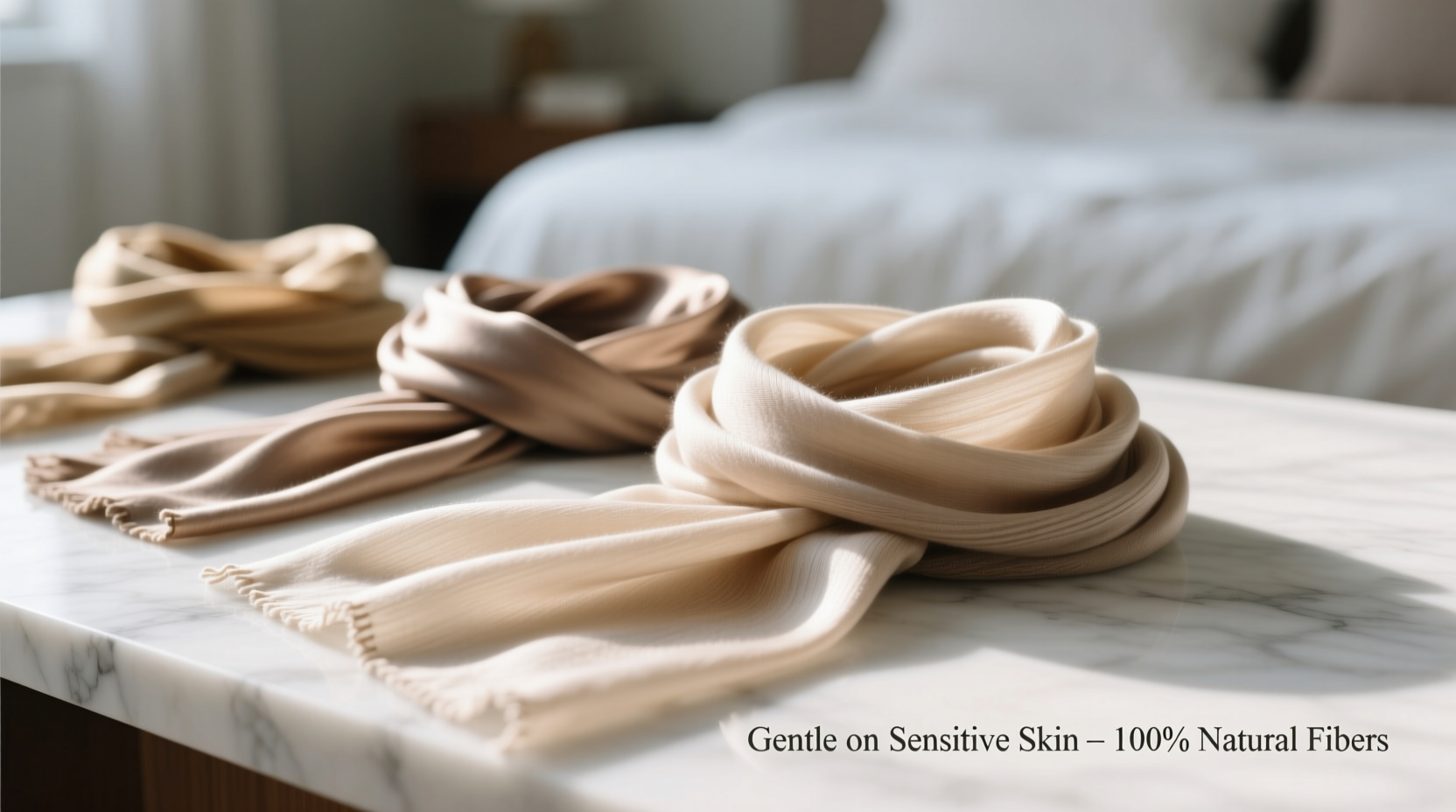
Itching caused by scarves typically stems from physical irritation rather than an allergic reaction—though allergies can also play a role. The primary culprit is fiber texture. Coarse or rough fibers, such as low-grade wool or synthetic blends with sharp edges, can mechanically stimulate nerve endings in the skin. This stimulation triggers the sensation of itching, even without a true dermatological allergy.
Wool, particularly traditional sheep’s wool, contains microscopic scales on the surface of each fiber. When these scales rub against the skin, they create friction. For individuals with conditions like eczema, rosacea, or general skin sensitivity, this friction can cause micro-abrasions, leading to inflammation and itchiness. In some cases, lanolin—a natural oil found in sheep’s wool—can also trigger allergic reactions, though this is less common.
Synthetic fibers like acrylic or polyester may seem smooth but often lack breathability. They trap moisture and heat, creating a humid environment around the neck that can exacerbate irritation. Additionally, static buildup in synthetic fabrics increases cling and friction, further aggravating sensitive skin.
“Not all wool is created equal. The diameter of the fiber, known as microns, determines how soft or scratchy a fabric feels. Below 19 microns is generally considered non-irritating for most people.” — Dr. Lena Peterson, Dermatologist & Textile Biocompatibility Researcher
Common Offending Materials and Why They Irritate
Certain fabrics are more likely to cause discomfort due to their structure, processing, or chemical treatments. Here’s a breakdown of materials that frequently lead to itchy reactions:
- Coarse Wool (e.g., traditional lambswool): While warm, untreated or lower-quality wool has prominent surface scales that scratch the skin.
- Acrylic: Often marketed as a \"soft wool alternative,\" but its plastic-like fibers don’t breathe well and can feel stiff or plasticky against the skin.
- Polyester Blends: Used to reduce cost, but these trap sweat and can cause overheating and chafing.
- Untreated Cashmere: Even luxury fibers can irritate if not properly processed. Poorly dehaired or washed cashmere retains coarse guard hairs.
- Fringed or Knit Edges: Not a material per se, but rough weaves or unfinished hems can increase localized friction.
Gentle Fabrics Ideal for Sensitive Skin
Choosing the right material is key to avoiding irritation while still enjoying warmth and elegance. The best fabrics for sensitive skin combine softness, breathability, and hypoallergenic properties.
Merino Wool
Unlike traditional wool, merino fibers are much finer—typically between 17 and 21 microns in diameter. This makes them soft enough to wear next to the skin without causing friction. Merino also naturally wicks moisture and regulates temperature, reducing sweat-related irritation.
Cashmere (High-Quality)
True cashmere comes from the undercoat of cashmere goats and should be combed, not shorn, to preserve softness. Look for \"Grade A\" or \"dehaired\" labels to ensure coarse fibers have been removed. Properly processed cashmere is luxuriously soft and lightweight, ideal for delicate skin.
Alpaca Fiber
Alpaca fibers are naturally smoother and lack lanolin, making them hypoallergenic. They’re warmer than wool and softer than cashmere in many cases. Baby alpaca, from the first shearing, is especially fine and gentle.
Silk
A natural protein fiber, silk is incredibly smooth and has a low friction coefficient. It’s naturally temperature-regulating and resists dust mites, making it excellent for allergy-prone individuals. While not as warm as wool, silk scarves are perfect for layering under coats.
Bamboo Viscose
Derived from bamboo pulp, this eco-friendly fabric is naturally antibacterial, breathable, and silky to the touch. It drapes beautifully and resists odor buildup, making it a smart choice for everyday wear.
Cotton (Pima or Egyptian)
While cotton isn’t the warmest option, high-thread-count Pima or Egyptian cotton offers exceptional softness. These long-staple varieties minimize pilling and fuzz, reducing abrasion. Ideal for mild climates or indoor layering.
| Fabric | Softness (1–5) | Warmth | Hypoallergenic? | Best For |
|---|---|---|---|---|
| Merino Wool | ★★★★☆ | High | Yes (if pure) | Daily winter wear, outdoor activities |
| Cashmere | ★★★★★ | High | Yes (when processed) | Luxury layering, gifts |
| Alpaca | ★★★★☆ | Very High | Yes | Extreme cold, sensitive skin |
| Silk | ★★★★★ | Low-Moderate | Yes | Indoor wear, formal occasions |
| Bamboo Viscose | ★★★★☆ | Moderate | Yes | All-day comfort, eco-conscious buyers |
| Pima Cotton | ★★★★☆ | Low | Yes | Mild weather, casual use |
How to Choose and Test Scarves for Sensitivity
Selecting a non-irritating scarf involves more than reading labels. Follow this practical checklist when shopping:
- Check the fiber content label: Prioritize 100% natural fibers like merino, silk, or alpaca. Avoid blends with acrylic unless specified as ultra-soft.
- Feel the fabric: Gently rub the scarf against your inner wrist or jawline—the skin there is sensitive and mimics neck reactivity.
- Inspect the weave: Tight, smooth knits are less likely to snag or abrade than loose, fuzzy weaves.
- Look for certifications: OEKO-TEX® Standard 100 ensures no harmful chemicals were used in processing.
- Washability: Machine-washable doesn’t always mean gentle. Hand-wash recommended fabrics usually indicate higher quality and delicacy.
- Read reviews: Search for feedback from users with eczema or sensitive skin.
Mini Case Study: Emma’s Winter Relief
Emma, a 34-year-old teacher with mild eczema, had avoided scarves for years after repeated episodes of neck rash and itching. She assumed all wool was off-limits. After consulting a dermatologist, she learned about merino wool’s fine micron count. She purchased a plain-weave merino scarf labeled “superfine” (18.5 microns) and wore it for short periods initially. Within days, she noticed no irritation. Over time, she built confidence and now wears merino daily, even during flare-ups. Her experience highlights that material quality—not just type—matters profoundly.
Step-by-Step Guide to Transitioning to Non-Irritating Scarves
If you’ve struggled with itchy scarves, follow this timeline to find comfortable alternatives:
- Week 1: Audit Your Current Scarves
Identify which ones cause discomfort. Note materials, textures, and when irritation occurs (immediately or after prolonged wear). - Week 2: Research Gentle Alternatives
Focus on merino, silk, or bamboo. Set a budget and read product descriptions carefully. - Week 3: Purchase One Trial Scarf
Buy a small, affordable piece in a soft fabric. Wear it for 15 minutes the first day, increasing gradually. - Week 4: Evaluate Comfort and Care Needs
Did it cause any redness? How did it hold up after washing? Keep a log. - Month 2: Expand Your Collection
Invest in one high-quality scarf based on your trial. Consider seasonal needs—lightweight silk for fall, alpaca for deep winter.
FAQ: Common Questions About Itchy Scarves
Can I be allergic to wool even if my skin isn’t sensitive?
Yes. True wool allergy is rare but possible, usually due to lanolin. Symptoms include hives, swelling, or respiratory issues. If suspected, consult an allergist for patch testing.
Are expensive scarves always softer?
Not necessarily. Price reflects origin, craftsmanship, and branding. However, higher-priced scarves often use better-sorted fibers and gentler processing. Always check micron count and fabric composition over price alone.
How do I care for delicate scarves to maintain softness?
Hand wash in cool water with a mild detergent formulated for delicates. Lay flat to dry—never wring or hang. Store folded in a breathable cotton bag, away from moths and humidity.
Final Thoughts: Comfort Shouldn’t Be a Luxury
No one should have to sacrifice comfort for style or warmth. The solution to itchy scarves lies not in avoiding them altogether, but in understanding fiber science and making informed choices. With the right material—be it buttery merino, lustrous silk, or cloud-like alpaca—you can enjoy the coziness of a scarf without the irritation. Pay attention to how your skin responds, invest in quality over quantity, and treat yourself to fabrics that feel as good as they look.




 浙公网安备
33010002000092号
浙公网安备
33010002000092号 浙B2-20120091-4
Comments
No comments yet. Why don't you start the discussion?