
Hair that feels heavy, looks dull, or lacks volume despite regular washing may be suffering from product buildup. While shampoo is meant to cleanse, certain formulas can contribute to residue accumulation on the scalp and strands. Over time, this buildup interferes with moisture absorption, weakens hair integrity, and reduces the effectiveness of conditioners and treatments. The challenge lies in removing this residue without compromising the hair’s natural lipid barrier. Understanding the root causes of buildup and learning how to clarify properly—without over-drying—is essential for maintaining healthy, vibrant hair.
The Science Behind Shampoo Buildup
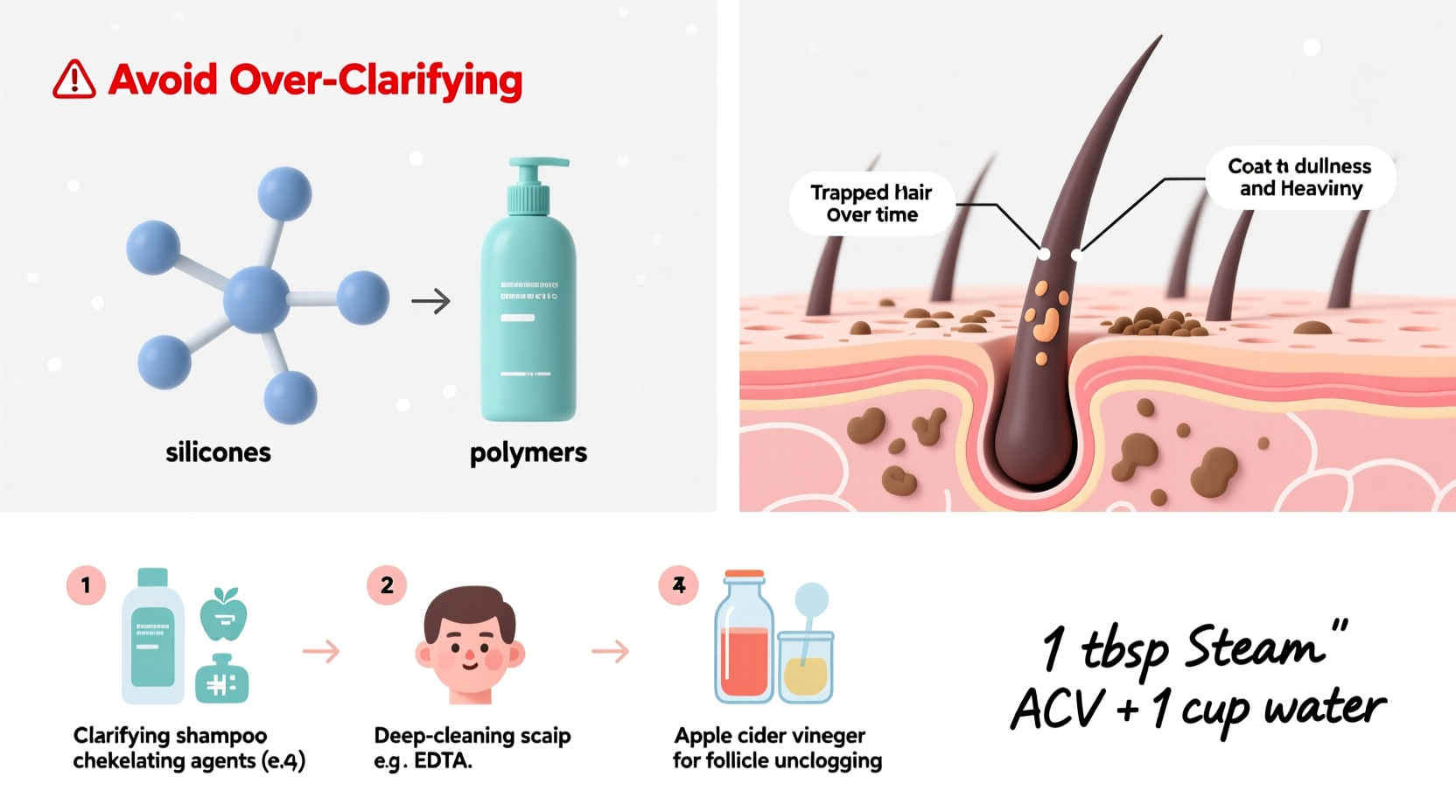
Not all shampoos are created equal, and their ingredients play a decisive role in whether they clean effectively or leave behind residue. Buildup occurs when certain components in hair products fail to rinse out completely, accumulating over time on the scalp and along the hair shaft. These deposits can include silicones, waxes, polymers, and conditioning agents that bind to keratin but resist water solubility.
Silicones like dimethicone and amodimethicone are commonly used for their smoothing and shine-enhancing properties. However, non-water-soluble forms adhere tightly to hair and require sulfates or strong surfactants to fully remove. When used repeatedly with sulfate-free cleansers, these silicones layer up, creating a film that blocks moisture and nutrients.
Other culprits include:
- Cationic surfactants (e.g., behentrimonium chloride), which improve detangling but can stick to negatively charged hair fibers.
- Fatty alcohols and oils, such as cetyl alcohol or coconut oil, often found in creamy shampoos, which may not emulsify well in low-lather formulas.
- Proteins and panthenol, beneficial in moderation but prone to over-deposit if not balanced with proper cleansing.
Hard water exacerbates the issue. Minerals like calcium and magnesium react with shampoo ingredients, forming insoluble salts that coat the hair. This leads to stiffness, reduced lather, and a persistent “dirty” feeling even after washing.
How Buildup Affects Hair Health
Product buildup doesn’t just affect appearance—it undermines long-term hair health. When the scalp is coated with residue, it can disrupt sebum regulation, clog follicles, and inhibit oxygen exchange, potentially leading to irritation, flaking, or even slowed growth.
On the hair shaft, buildup creates a physical barrier. Moisture from conditioners, masks, or leave-in treatments cannot penetrate effectively, resulting in dehydrated ends despite intensive care. This false dryness often prompts users to apply more products, worsening the cycle.
Signs of significant buildup include:
- Flat, lifeless hair that won’t hold a curl or style
- Itchy or flaky scalp unresponsive to dandruff treatments
- White residue on dark hair after drying
- Reduced lather even with generous shampoo application
- Increased frizz or rough texture despite smoothing regimens
“Chronic buildup mimics damage. Clients come in believing their hair is broken when, in reality, it's just suffocated by layers of unremoved product.” — Dr. Lena Torres, Trichologist & Scalp Health Specialist
Clarifying Without Stripping: The Balance of Cleansing
Clarifying shampoos are designed to deep-clean, but many traditional formulas rely on aggressive sulfates like sodium lauryl sulfate (SLS) or ammonium laureth sulfate (ALES). While effective at removing buildup, these surfactants also strip natural sebum, disrupt the scalp’s pH, and compromise the cuticle—especially damaging for curly, color-treated, or chemically processed hair.
The goal isn’t to eliminate oils entirely but to restore balance. Healthy scalps produce sebum to protect and lubricate hair; over-cleansing triggers rebound oil production, leading to greasiness within hours of washing.
Modern clarifying strategies focus on selective cleansing—removing unwanted residues while preserving essential lipids. This requires understanding ingredient synergy and choosing products based on hair type and lifestyle factors.
Choosing the Right Clarifying Agent
Not all clarifying shampoos are harsh. Look for formulations that use mild yet effective surfactants such as:
- Sodium C14-16 olefin sulfonate – strong degreaser with lower irritation potential
- Cocamidopropyl betaine – gentle foam booster that enhances cleansing without dryness
- Decyl glucoside – plant-derived, biodegradable cleanser suitable for sensitive scalps
Chelating agents like EDTA or citric acid help dissolve mineral deposits from hard water without affecting natural oils. These are especially useful for swimmers or those in high-mineral water regions.
| Ingredient Type | Purpose | Risk of Stripping | Best For |
|---|---|---|---|
| Sodium Lauryl Sulfate (SLS) | Strong degreasing, high lather | High | Oily scalps, infrequent use |
| Sodium C14-16 Olefin Sulfonate | Effective buildup removal | Moderate | Most hair types, monthly use |
| EDTA / Citric Acid | Mineral chelation | Low | Hard water areas, swimmers |
| Decyl Glucoside | Gentle cleansing | Very Low | Dry, curly, or damaged hair |
A Real-Life Example: Recovering From Silicone Overload
Maya, a 34-year-old with thick, wavy hair, had been using a popular silicone-rich smoothing shampoo and conditioner for over two years. She noticed her hair felt increasingly stiff, absorbed no moisture, and required more product to achieve manageability. Despite weekly deep conditioning, her ends remained brittle.
After consulting a trichologist, she learned that non-water-soluble silicones had accumulated over time. Her sulfate-free cleanser wasn’t strong enough to remove them. The solution? A transition plan:
- Switch to a sulfate-based clarifying shampoo once every three weeks.
- Use a vinegar rinse (1 part apple cider vinegar to 3 parts water) after the first clarification to help loosen residue.
- Replace her heavy conditioner with a lightweight, silicone-free formula.
- Introduce a monthly chelating wash to prevent mineral buildup.
Within six weeks, Maya reported improved softness, better curl definition, and longer-lasting hydration. Her hair responded better to treatments, and she reduced overall product use by nearly 40%.
Step-by-Step Guide to Safe Clarification
Follow this routine to remove buildup effectively while protecting your hair’s integrity:
- Evaluate Your Hair Type: Fine, oily hair may tolerate stronger cleansers every 2–3 weeks. Curly, dry, or color-treated hair should limit clarification to once a month or less.
- Pre-Wash Detangle: Use a wide-tooth comb to gently remove knots before wetting. This prevents breakage during washing.
- Double Cleanse: Apply a small amount of clarifying shampoo, massage into the scalp for 1–2 minutes, then rinse. Repeat. The first pass lifts surface debris; the second ensures deeper cleaning.
- Focus on the Scalp: Concentrate lathering at the roots where sebum and sweat accumulate. Let the suds run through the lengths during rinsing—avoid vigorous scrubbing of mid-lengths and ends.
- Rinse Thoroughly: Use lukewarm to cool water to close the cuticle and ensure no residue remains.
- Condition Strategically: Apply a moisturizing conditioner only from mid-length to ends. Avoid the scalp unless it feels tight or dry.
- Follow With a Rinse (Optional): For extra clarity, use a diluted apple cider vinegar or lemon juice rinse (1–2 tbsp per cup of water) once a month to dissolve stubborn deposits.
Buildup Prevention Checklist
Stay ahead of buildup with these proactive steps:
- ✔ Read labels: Avoid shampoos with heavy silicones (dimethicone, cyclomethicone) if you don’t use sulfates regularly.
- ✔ Limit co-washing: Cleansing conditioners are great for curls but can contribute to buildup over time. Alternate with a light clarifier.
- ✔ Rinse thoroughly: Spend at least 30 seconds rinsing after shampooing to ensure complete removal.
- ✔ Wash frequently enough: Going too long between washes increases the chance of residue compounding.
- ✔ Use lukewarm water: Hot water strips oils excessively; cold water doesn’t open pores enough for cleansing.
- ✔ Clean your tools: Regularly wash brushes and combs to prevent reapplying old product and dirt.
- ✔ Consider water quality: Install a shower filter if you notice persistent dullness or stiffness.
Frequently Asked Questions
How often should I clarify my hair?
For most people, once every 2–4 weeks is sufficient. Those with fine, oily hair may benefit from biweekly clarification. Individuals with dry, curly, or color-treated hair should limit it to once a month or even every six weeks to avoid dehydration.
Can I clarify my hair without a special shampoo?
Yes, but with limitations. Natural options like bentonite clay mixed with apple cider vinegar or baking soda pastes can lift residue, but they carry risks—baking soda has a high pH (around 9) that can swell and weaken the hair shaft. These methods are best used sparingly and followed by deep conditioning.
Does buildup cause hair loss?
Not directly. However, severe buildup can clog hair follicles, create inflammation, and impair circulation to the scalp, potentially contributing to thinning or slower growth over time. Keeping the scalp clean supports a healthy environment for hair development.
Final Thoughts: Sustainable Clarity for Long-Term Hair Health
Healthy hair isn’t about washing less or using fewer products—it’s about intelligent cleansing. Recognizing that some shampoos contribute to buildup empowers you to make informed choices. Rather than reacting to dullness or heaviness with stronger, more stripping formulas, adopt a strategic approach: identify problematic ingredients, clarify mindfully, and maintain balance.
By integrating safe clarification into your routine and preventing unnecessary residue accumulation, you allow your hair to breathe, absorb moisture, and express its natural strength and shine. It’s not about eliminating oils or products altogether, but about creating harmony between cleansing and nourishment.




 浙公网安备
33010002000092号
浙公网安备
33010002000092号 浙B2-20120091-4
Comments
No comments yet. Why don't you start the discussion?