
String lights bring charm to holidays, patios, and special events—but nothing disrupts the mood faster than a strand where only half the bulbs glow. This common yet frustrating issue can stem from multiple causes, ranging from simple loose bulbs to deeper electrical faults. Understanding why this happens—and how to systematically address it—can save time, money, and the hassle of replacing entire sets prematurely.
Whether you're dealing with incandescent mini lights or modern LED strands, inconsistent lighting is rarely random. It follows patterns rooted in design, installation, and wear. With the right approach, most half-lit issues are diagnosable and repairable, even by non-experts. Let’s explore the underlying causes and walk through reliable solutions.
Understanding Light Strand Circuit Design
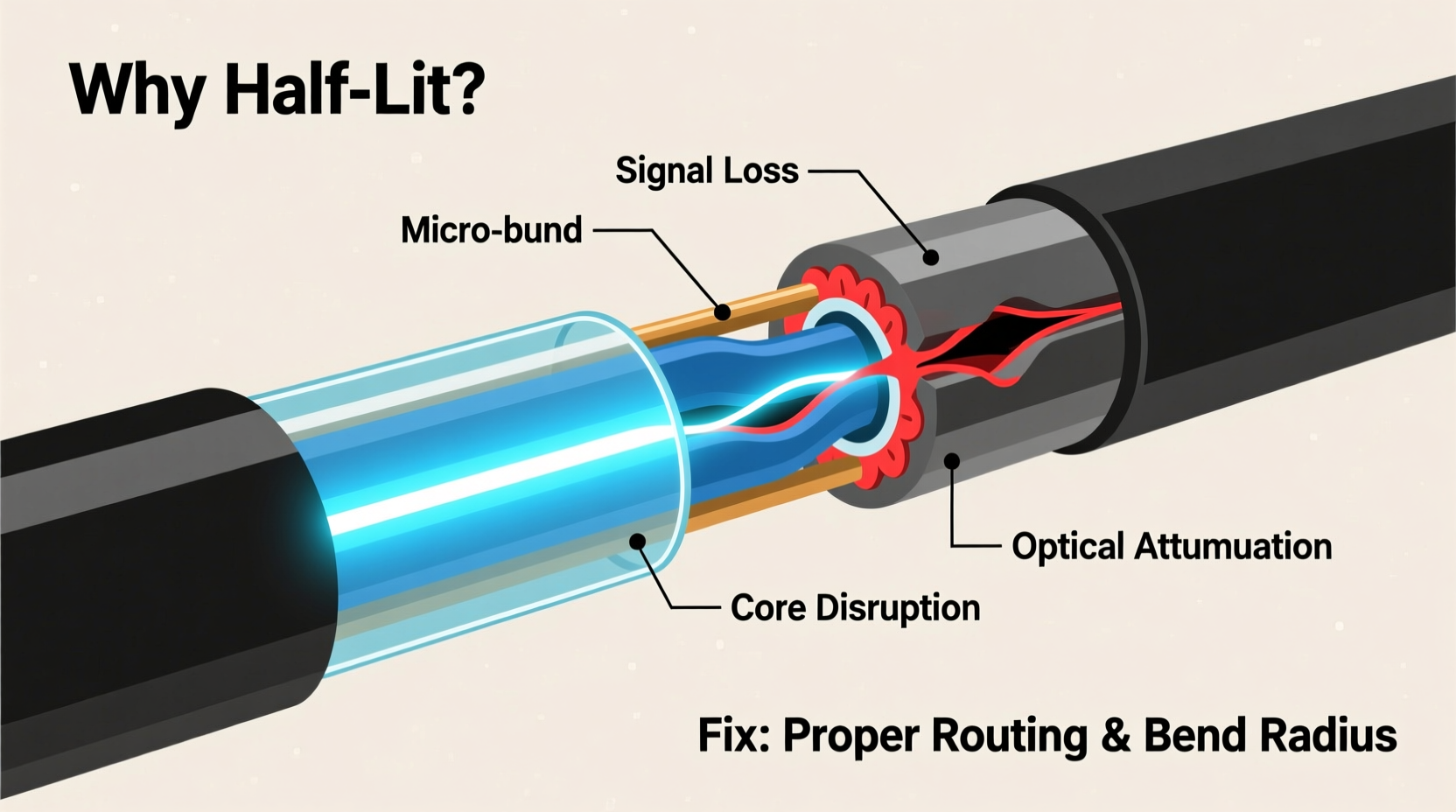
To grasp why only part of a strand lights up, it's essential to understand how most decorative lights are wired. The two primary configurations are series and parallel circuits, though many modern strings use a hybrid setup.
In a series circuit, electricity flows through each bulb in sequence. If one bulb burns out or becomes loose, the circuit breaks, and all bulbs downstream go dark. This often results in half the strand going dark when a single faulty bulb interrupts the current.
Parallel circuits, on the other hand, allow each bulb to receive power independently. While more reliable, they’re less common in low-cost decorative strings due to higher manufacturing costs. Most holiday light strands use short series segments wired in parallel—meaning a failure in one segment affects only that portion, leaving others lit.
This segmented design explains why you might see the first half of a strand glowing while the second remains dark: one segment has failed, but the rest still function. Recognizing this structure helps narrow down the source of the problem.
“Half-lit strands usually indicate a break in a series segment. It’s not magic—it’s basic circuitry.” — Daniel Reeves, Electrical Technician & Holiday Lighting Specialist
Common Causes of Half-Lit Light Strands
Several factors can cause partial illumination. Identifying the root cause is critical before attempting repairs.
1. Loose or Improperly Seated Bulbs
The most frequent culprit is a bulb that has come loose in its socket. Even slight movement can break the electrical connection, especially in older or frequently handled strands. Since many strings are wired in series within segments, a single loose bulb can cut power to the rest of that section.
2. Burned-Out or Damaged Bulbs
Bulbs degrade over time. Incandescent bulbs may burn out visibly, while LEDs often fail without a visible sign. A dead bulb in a series segment stops the flow of electricity to subsequent bulbs, resulting in a dark section.
3. Faulty Shunt Connections (Incandescent Only)
Many incandescent mini lights include a shunt—a small wire inside the bulb designed to activate when the filament fails, allowing current to bypass the dead bulb. If the shunt doesn’t engage properly, the circuit breaks. Moisture, age, or poor manufacturing can prevent shunts from working as intended.
4. Damaged Wires or Insulation
Physical damage from storage, animals, or outdoor elements can sever internal wires. A nick in the insulation may expose conductors, leading to short circuits or open connections. These often occur near plugs, connectors, or where strands are bent frequently.
5. Connector or Plug Failure
The male or female end of a light strand can suffer corrosion, bent pins, or internal disconnections. If the connector joining two halves is faulty, only the first section will remain powered.
6. Overloaded Circuits or Voltage Drop
When too many strands are daisy-chained beyond manufacturer limits, voltage drops can cause dimming or partial operation. This is especially true with LED strings that require stable low-voltage input. Inconsistent brightness or flickering in the latter half may signal insufficient power delivery.
Step-by-Step Guide to Fixing a Half-Lit Strand
Repairing a partially lit string requires patience and methodical testing. Follow this timeline to restore full functionality.
- Unplug the strand immediately. Safety comes first. Never handle electrical components while powered.
- Inspect visually for obvious damage. Look for cracked bulbs, frayed wires, corroded connectors, or melted sockets. Replace any visibly damaged bulbs.
- Check each bulb in the dark section. Remove and reseat every bulb in the unlit portion. Ensure they click firmly into place. Use gloves to avoid oil residue, which can shorten bulb life.
- Test with a known-good bulb. Swap in a working bulb from the lit section to test if a single bulb was the issue.
- Use a light tester or multimeter. For incandescent strands, a plug-in light tester can detect which bulb breaks the circuit. For LEDs, a multimeter set to continuity mode can trace breaks in the wire or socket.
- Examine the shunts (if applicable). In incandescent bulbs, gently shake the bulb. If you hear a rattle, the filament is broken, but the shunt may not have activated. Try bending the bulb slightly to engage the shunt—or replace it.
- Inspect connectors and junctions. Disconnect and reconnect any linked strands. Clean metal contacts with isopropyl alcohol and a cotton swab. Check for bent or corroded pins.
- Verify power source and load. Plug the strand into a different outlet. If using multiple strands, disconnect extras to ensure you’re not exceeding the maximum run length.
- Test after each step. Reconnect and power the strand after each intervention to confirm whether the fix worked.
- Replace the section or entire strand if needed. If the wire itself is damaged internally, splicing may be unsafe. Consider replacing the strand or cutting off the faulty segment for reuse in shorter runs.
Prevention and Maintenance Checklist
Extending the life of your light strands starts with proper care. Use this checklist to minimize future failures.
- ✅ Store lights on reels or cardboard spools to prevent tangling and wire stress
- ✅ Label strands by location and color for easy setup next season
- ✅ Keep in a dry, temperature-stable environment to prevent moisture damage
- ✅ Avoid stacking heavy items on stored light boxes
- ✅ Test all strands before decorating to catch issues early
- ✅ Replace missing bulbs immediately to reduce strain on remaining ones
- ✅ Use only manufacturer-recommended extension cords and connectors
- ✅ Limit daisy-chaining to the number specified on the packaging
Do’s and Don’ts: How to Handle Half-Lit Strands
| Do | Don’t |
|---|---|
| Unplug before inspecting or handling bulbs | Leave faulty strands plugged in while troubleshooting |
| Use insulated tools and gloves when testing | Touch exposed wires with bare hands |
| Replace bulbs with the same voltage and type | Mix LED and incandescent bulbs in the same strand |
| Clean connectors with isopropyl alcohol | Use water or household cleaners on electrical parts |
| Inspect annually before seasonal use | Assume old strands are safe without testing |
| Trim and re-end short damaged sections | Splice wires without proper insulation or soldering |
Real Example: Fixing a Patio Light String After Winter Storage
Sarah stored her 50-bulb incandescent patio strand in a garage bin without a reel. In spring, she noticed only the first 25 bulbs lit. She unplugged the string and began inspection. After reseating the first few unlit bulbs with no change, she used a light tester and found the 27th bulb had a broken filament and non-functional shunt. She replaced it with a spare bulb from her repair kit. Upon replugging, the entire strand illuminated. Sarah then rewound the lights on a plastic spool, labeled it, and added silica gel packets to the storage bin to reduce humidity. The strand worked perfectly the following year.
This scenario highlights how simple maintenance and timely replacement of a single component can restore function and extend longevity.
FAQ: Common Questions About Half-Lit Light Strands
Why does only half my LED light strand work?
LED strands often divide into series segments. A single failed bulb, loose connection, or damaged wire in one segment can cut power to that half. Unlike incandescents, LEDs don’t rely on shunts, so a dead bulb breaks the circuit unless bypassed manually.
Can I cut and reconnect a damaged light strand?
You can—if done safely. Cut out the damaged section, strip the wires, and use waterproof wire connectors or solder to join the ends. However, this reduces total length and may void safety certifications. For indoor use and short-term fixes, it’s acceptable; for permanent or outdoor installations, replacement is safer.
Why do my new lights go half-dark when I connect more strands?
This indicates overload. Each light strand has a maximum number approved for daisy-chaining. Exceeding this limit causes voltage drop, leading to dimming or cutoff in later strands. Always follow the manufacturer’s guidelines—typically 3–5 strands max for incandescents, up to 10–20 for low-voltage LEDs with proper power supply.
Expert Tips for Long-Term Success
Professional installers and electricians emphasize prevention over repair. Here are field-tested recommendations:
Additionally, consider upgrading to smart or modular LED systems that isolate failures and allow app-based diagnostics. While initially pricier, these systems reduce long-term maintenance and waste.
“Treating light strands like disposable items creates unnecessary waste. A little care goes a long way.” — Lena Torres, Sustainable Lighting Consultant
Conclusion: Take Control of Your Lighting Setup
A half-lit strand isn’t a lost cause—it’s a solvable puzzle. By understanding circuit design, identifying failure points, and applying systematic fixes, you can restore full brightness and extend the life of your lights. More importantly, adopting preventive habits ensures fewer surprises next season.
Don’t settle for dim ambiance or incomplete displays. Equip yourself with the knowledge to diagnose and repair, and treat your light strands as reusable assets worth maintaining. Whether it’s a holiday display or year-round patio decor, consistent care delivers reliable, beautiful results.




 浙公网安备
33010002000092号
浙公网安备
33010002000092号 浙B2-20120091-4
Comments
No comments yet. Why don't you start the discussion?