
Toddlers waking up crying in the middle of the night is one of the most common and emotionally taxing challenges parents face. Just when it seems like your child has finally mastered sleeping through the night, sudden disruptions begin—screaming, sobbing, or inconsolable wakings for no apparent reason. While distressing, this behavior is often not a sign of illness or serious behavioral issues. Instead, it's frequently linked to developmental milestones known as sleep regressions. Understanding what causes these episodes, when they typically occur, and how to respond effectively can transform chaos into calm.
What Is Sleep Regression in Toddlers?
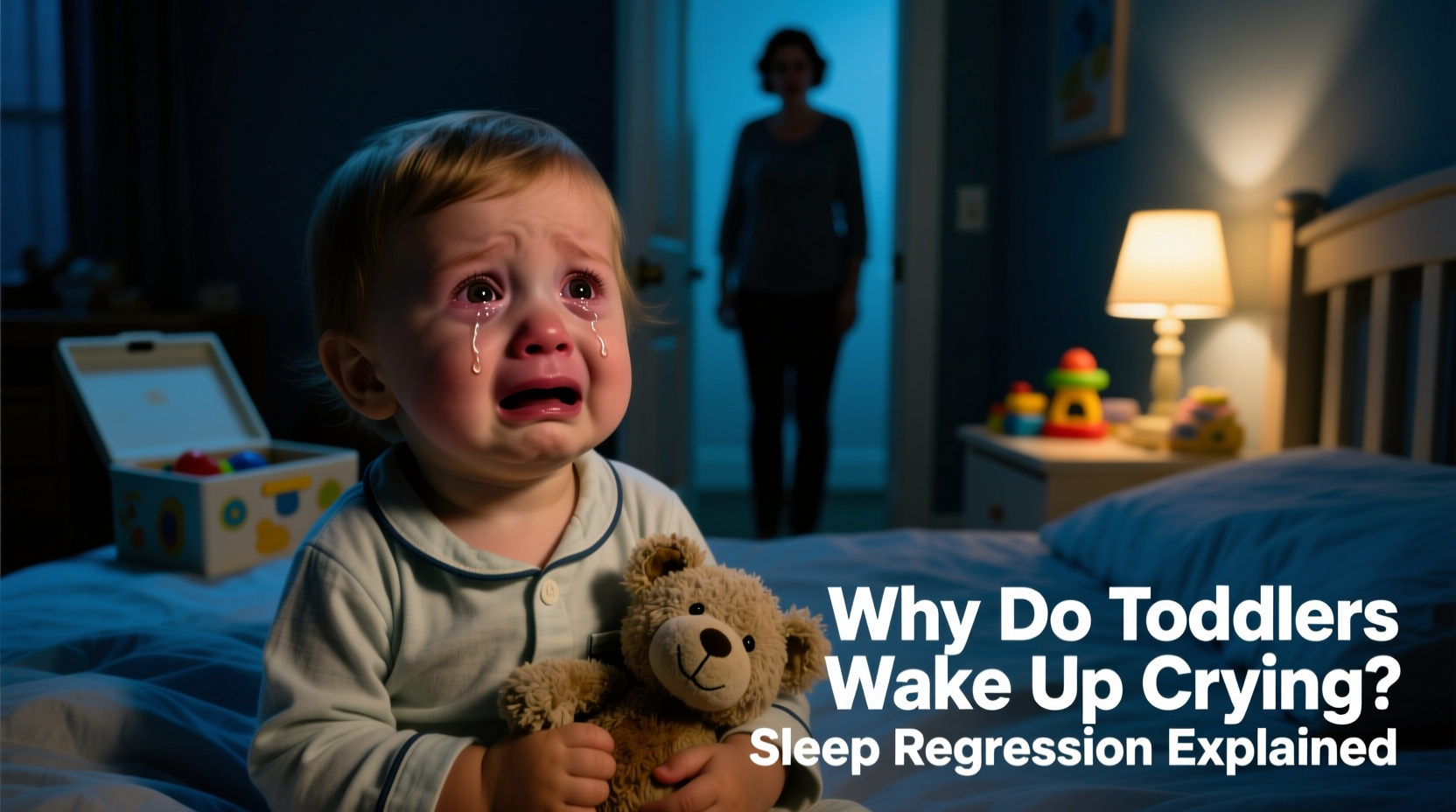
Sleep regression refers to a temporary period when a child who previously slept well begins to experience frequent night wakings, difficulty falling asleep, or shortened naps. These regressions are closely tied to cognitive, emotional, and physical development. As toddlers grow, their brains undergo rapid changes that can disrupt established sleep patterns. During these phases, children may cry out at night, resist bedtime, or wake multiple times requiring parental intervention.
Unlike chronic sleep disorders, sleep regressions are short-lived—usually lasting between two to six weeks—and tend to coincide with key developmental leaps such as learning to walk, talk, or assert independence. The crying during these periods isn’t always due to fear or discomfort; it often reflects confusion, overstimulation, or an inability to self-soothe back to sleep after natural arousal cycles.
Common Ages for Toddler Sleep Regression
Sleep disruptions don’t happen randomly. They typically align with predictable developmental stages. While individual variation exists, most toddlers experience significant sleep shifts around the following ages:
| Age Range | Developmental Milestone | Typical Sleep Impact |
|---|---|---|
| 18 months | Language explosion, increased independence, separation anxiety | Frequent night wakings, bedtime resistance, crying without clear cause |
| 2 years | Emotional regulation growth, complex thinking, tantrums | Night terrors, nightmares, refusal to stay in bed |
| 2.5 to 3 years | Imagination development, potty training, social awareness | Waking from vivid dreams, needing reassurance, delayed sleep onset |
These phases overlap with heightened brain activity, particularly in areas responsible for memory, emotion, and language processing. When the mind is busy consolidating new skills, sleep architecture adjusts—sometimes resulting in more fragmented or restless sleep.
“Sleep regressions are not setbacks—they’re signs of progress. A child’s brain is reorganizing itself to handle more complex tasks, and that work doesn’t stop at bedtime.” — Dr. Lydia Chen, Pediatric Sleep Specialist
Why Do Toddlers Wake Up Crying? Key Causes Beyond Regression
While developmental leaps are the most common explanation, other factors can contribute to nighttime crying. It's important to distinguish between transient regression-related disturbances and underlying issues that may require attention.
1. Separation Anxiety
Between 18 months and 3 years, many toddlers develop intense attachment to caregivers. Waking in a dark room alone can trigger panic, especially if they lack the vocabulary to express their fear. This often leads to loud crying upon waking, even from a normal sleep cycle transition.
2. Night Terrors vs. Nightmares
Parents often confuse night terrors with nightmares, but they differ significantly:
- Night terrors: Occur during non-REM sleep (early in the night), involve screaming, thrashing, and unresponsiveness. The child usually doesn’t remember the episode.
- Nightmares: Happen during REM sleep (later in the night), are recalled upon waking, and stem from imagination or daily stressors.
Both can cause crying, but responses should differ. With night terrors, comfort quietly without fully waking the child. For nightmares, offer reassurance and verbal soothing.
3. Physical Discomfort
Pain from teething, ear infections, allergies, or gastroesophageal reflux can cause sudden crying. Look for accompanying symptoms: fever, ear pulling, nasal congestion, or digestive issues. If physical discomfort is suspected, consult a pediatrician.
4. Over-Tiredness or Under-Slept State
Paradoxically, insufficient daytime sleep or overly long wake windows can lead to hyperarousal at night. An overtired toddler’s nervous system becomes flooded with cortisol and adrenaline, making it harder to settle—even after falling asleep initially.
5. Environmental Triggers
Room temperature, noise levels, light exposure, or inconsistent bedtime routines can disrupt sleep continuity. Even minor changes—like a new blanket or unfamiliar sound—can affect sensitive sleepers.
How to Respond: Practical Strategies During Sleep Regression
There’s no single solution that works for all families, but evidence-based approaches can reduce the intensity and duration of sleep disruptions. The goal isn't just to get your toddler back to sleep—it's to support healthy sleep habits that endure beyond the regression phase.
Step-by-Step Guide to Managing Night Wakings
- Rule out medical concerns. Check for signs of illness, pain, or breathing difficulties. Consult your pediatrician if symptoms persist beyond two weeks.
- Preserve the bedtime routine. Consistency signals safety. Follow the same calming sequence: bath, book, lullaby, lights out.
- Respond calmly and briefly. Enter the room quietly, speak in a low tone, avoid turning on bright lights. Reassure with touch or soft words, then leave promptly.
- Avoid full engagement. Don’t pick them up unless necessary. Prolonged interaction reinforces waking behavior.
- Reinforce independent sleep. Encourage self-soothing by waiting a few minutes before responding. Gradually increase wait time using gentle methods like “pick-up/put-down” or timed checks.
- Maintain nap structure. Skipping or shortening naps worsens nighttime sleep. Ensure age-appropriate daytime rest (1.5–3 hours total).
- Track patterns for two weeks. Note timing, duration, and triggers of night wakings. This helps identify whether it’s regression or another issue.
Do’s and Don’ts During Sleep Regression
| Do’s | Don’ts |
|---|---|
| Stick to a consistent sleep schedule | Let bedtime drift later to compensate for poor nights |
| Offer brief comfort without full stimulation | Bring child to parent’s bed regularly (unless intentional co-sleeping) |
| Use transitional objects (lovey, blanket) | Introduce major changes like potty training during regression |
| Practice patience—regressions end naturally | Panic or drastically alter sleep training methods mid-phase |
Real Example: How One Family Navigated the 18-Month Regression
Sarah noticed her daughter Mia, 18 months old, began waking at 2 a.m. screaming almost every night. Previously a reliable sleeper, Mia would cry uncontrollably, push away comfort, and take over 30 minutes to resettle. Concerned, Sarah consulted her pediatrician, who ruled out illness and suggested a sleep regression related to recent walking and vocabulary growth.
Following guidance, Sarah maintained a strict bedtime routine and avoided bringing Mia into her bed. Instead, she used a \"two-minute check-in\" method: entering the room briefly every five minutes to say, “I love you, it’s time to sleep,” then leaving. She also introduced a small nightlight and a favorite stuffed animal.
By week three, Mia’s wakings decreased from nightly to once or twice per week. By week six, she was sleeping through the night again. Sarah reflected, “It felt endless at the time, but knowing it was temporary helped me stay consistent.”
Frequently Asked Questions
How long does toddler sleep regression last?
Most sleep regressions last between 2 to 6 weeks. Some resolve in as little as 10 days, while others may extend slightly longer depending on environmental factors and parental response.
Should I change my toddler’s sleep training method during regression?
No. Introducing new methods during a regression can create confusion. Stick with your current approach, even if progress seems stalled. Once the regression passes, return to your baseline strategy.
Can diet affect nighttime crying?
Yes. Heavy meals before bed, excessive sugar, or caffeine-like substances (e.g., chocolate) can disrupt sleep. Also, ensure adequate hydration and balanced nutrition throughout the day to support stable energy and mood regulation.
Conclusion: Supporting Your Toddler Through the Storm
Nighttime crying in toddlers is rarely about defiance or manipulation—it’s a signal of internal change, emotional growth, or neurological development. Sleep regressions, though exhausting, are a normal part of early childhood. They reflect a brain expanding its capacity to learn, feel, and interact with the world.
The most powerful tools you have are consistency, empathy, and time. By maintaining routines, responding with calm presence, and avoiding reactionary changes, you help your child navigate these transitions without undermining long-term sleep health. Remember: this phase will pass. Each cry is not a failure, but a milestone marker on your toddler’s journey toward greater independence.




 浙公网安备
33010002000092号
浙公网安备
33010002000092号 浙B2-20120091-4
Comments
No comments yet. Why don't you start the discussion?