
In both fantasy literature and video games, armor is more than protection—it’s a symbol of power, identity, and narrative. Yet, there's a noticeable divide in how armor is designed across these mediums. Fantasy novels and films often depict functional chainmail, plate suits, or layered leather that align with historical plausibility. In contrast, video game characters frequently wear exaggerated, revealing, or structurally absurd armor—spiked pauldrons wider than the character’s shoulders, breastplates shaped like abs, or helmets that obscure vision entirely. Why does this disparity exist? The answer lies at the intersection of visual storytelling, technical constraints, player psychology, and cultural evolution within gaming.
The Role of Visual Identity in Game Design
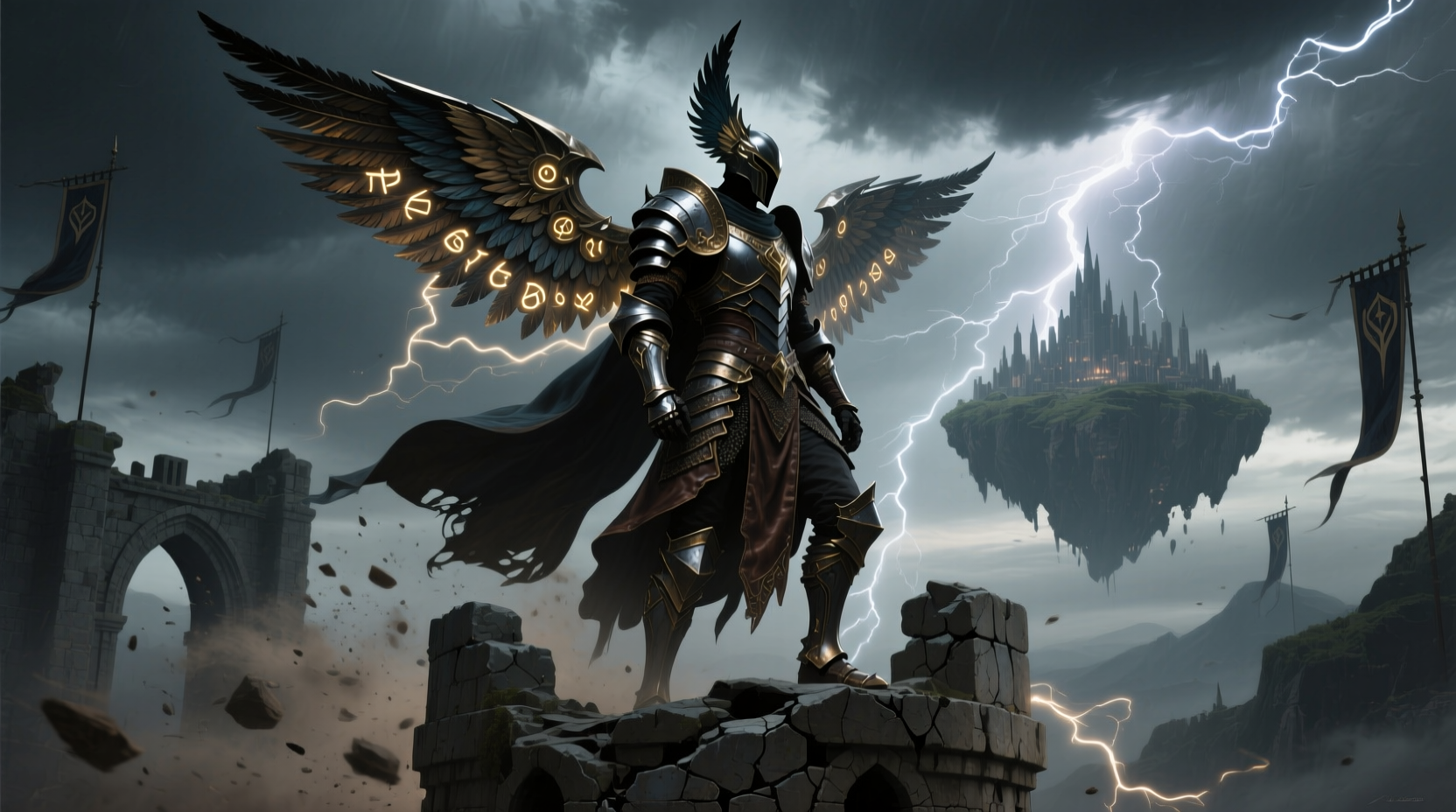
In video games, immediate visual recognition is crucial. Unlike books, where descriptions unfold over pages, or films, which allow gradual character introduction, games demand instant readability. Players must identify friend from foe, class from role, and threat level from appearance—all within seconds. This necessity drives designers toward bold, exaggerated armor elements.
A warrior with massive shoulder guards isn’t just intimidating; they signal “heavy melee” at a glance. A mage glowing with ethereal runes on their robes communicates spellcaster status without needing a UI label. These design choices prioritize clarity over realism. As lead concept artist Jen Zee noted:
“Every line, every spike, every color choice in armor design has to communicate something fast. In a chaotic battle, you can’t afford ambiguity.” — Jen Zee, Art Director, Supergiant Games
This emphasis on instant recognition leads to stylized forms—sometimes at the cost of practicality. Real-world armor evolved to deflect blows and allow mobility. Game armor evolves to stand out in a crowded battlefield, sell a character’s personality, and look impressive in promotional art.
Gameplay Mechanics vs. Historical Accuracy
One of the most fundamental reasons for impractical armor in games is gameplay functionality. Video games are interactive systems where balance, visibility, and movement matter more than realism.
- Camera angles: Third-person perspectives require clear views of limbs and torsos. Bulky, historically accurate armor could obstruct animations or hide critical hit indicators.
- Mobility: Characters who jump, roll, or sprint constantly need freedom of movement. Real plate armor weighed 45–55 lbs and restricted motion—unworkable in an acrobatic action RPG.
- Hit detection: Game engines rely on simplified collision models. Complex armor shapes interfere with hitboxes, making combat feel unfair or unpredictable.
Designers often strip down armor or modify its placement to ensure smooth gameplay. For example, helmets may be removed or stylized so facial expressions remain visible during dialogue—a key emotional tool in narrative-driven games. Even in titles aiming for realism, such as Dark Souls, armor is exaggerated for symbolic impact while retaining some functional logic.
Cultural Influence and the Legacy of Tabletop Gaming
The roots of impractical video game armor stretch back to tabletop role-playing games like Dungeons & Dragons. Early D&D illustrations, particularly from the 1980s and '90s, featured muscular warriors in minimal or fantastical armor—partly due to artistic trends, partly due to market appeal. These visuals shaped player expectations.
When video games began adapting these universes, they inherited the same aesthetic language. Female characters, especially, were depicted in “chainmail bikinis”—armor that offered no real protection but catered to a male-dominated market. While modern games have made strides toward inclusivity, the legacy remains. Armor design still leans into fantasy tropes: power through exposure, dominance through exaggeration.
Moreover, collectible armor sets function as rewards. Gamers unlock gear not just for stats, but for prestige and self-expression. A flaming skull helmet or wings protruding from the back serve no tactical purpose—but they turn a character into a walking monument, a badge of achievement.
Comparison: Fantasy Literature vs. Video Game Armor Design
| Aspect | Fantasy Literature/Film | Video Game Design |
|---|---|---|
| Primary Goal | Narrative immersion, world authenticity | Visual clarity, gameplay integration |
| Armor Realism | Often grounded in history (e.g., Tolkien’s Rohirrim) | Stylized, symbolic, exaggerated |
| Character Differentiation | Through behavior, speech, description | Through silhouette, color, gear |
| Functionality Focus | Protection, durability, weight | Stat boosts, unlockables, customization |
| Audience Expectation | Believable world-building | Power fantasy, visual spectacle |
This contrast shows that while both mediums use armor symbolically, their execution diverges based on medium-specific demands. Literature can describe armor in detail without showing it; games must display it constantly, under dynamic conditions.
Player Psychology and the Power Fantasy
At its core, many video games are built around the idea of empowerment. Players don’t just want to survive—they want to dominate, to be seen, to feel invincible. Impractical armor often enhances this sensation.
Consider the iconic Master Chief from Halo. His MJOLNIR armor is bulky, helmeted, and technologically advanced—more machine than man. It doesn’t resemble anything used in real militaries, yet it radiates authority and strength. The design makes the player feel larger-than-life, even when outnumbered.
Likewise, characters like Geralt of Rivia (The Witcher) or Kratos (God of War) wear armor that blends mythic symbolism with exaggerated proportions. Their gear tells a story of survival, transformation, and relentless power. Practicality is secondary to presence.
Game developers leverage this psychological effect deliberately. Unlocking a new armor set triggers dopamine release—especially if it looks dramatic. A study by the University of Essex found that players who wore visually distinctive gear reported higher confidence and engagement, regardless of actual stat improvements.
Mini Case Study: Final Fantasy Armor Evolution
No franchise exemplifies impractical armor better than Final Fantasy. From early entries like FFVI with its minimalist female knight designs, to FFXIV’s gravity-defying hairstyles and floating accessories, the series prioritizes style over substance.
In Final Fantasy XIV, players can equip a “Chef Hat” that floats three feet above their head or wear full samurai armor with glowing neon accents. These designs serve no logical purpose—but they thrive in a community-driven environment where fashion is part of gameplay.
The developers at Square Enix openly acknowledge this. In a 2022 interview, lead designer Naoki Yoshida stated: “We’re not simulating war. We’re creating theater. If your character feels heroic wearing a golden chicken suit, then it’s doing its job.”
This mindset reflects a broader shift in gaming culture: from strict simulation to expressive individuality. Armor isn’t just equipment—it’s costume, identity, performance.
Balancing Act: When Games Aim for Realism
Not all games embrace the fantastical. Some deliberately pursue historical or tactical authenticity. Titles like Kingdom Come: Deliverance, Mount & Blade, or Chivalry 2 feature armor based on real medieval designs. Helmets limit vision, heavy plate slows movement, and unprotected areas get exploited in combat.
Yet even these games make concessions. Full historical accuracy would mean hours spent suiting up, limited peripheral vision, and high mortality from minor wounds—features that frustrate casual players. So compromises emerge: simplified donning sequences, HUD indicators for stamina, and slightly enhanced mobility.
The takeaway? Absolute realism is rarely desirable in interactive media. Instead, games adopt a “plausible enough” standard—where armor looks credible within the world, even if it bends physics for playability.
Tips for Understanding Game Armor Design
To appreciate—or critique—impractical armor in games, consider these guidelines:
- Ask about context: Is this a high-fantasy world where magic alters material science?
- Check the genre: An MMO encourages flamboyance; a tactical shooter favors minimalism.
- Follow the silhouette: Good design ensures characters are recognizable even in shadow.
- Consider the audience: Who is the game made for? Hardcore historians or fantasy escapists?
- Note progression: Often, early-game armor is practical, while endgame gear becomes increasingly ornamental.
Frequently Asked Questions
Isn’t impractical armor misleading for younger players?
Possibly—but games are not training manuals. Most players understand the difference between fantasy and reality. Like superhero costumes, game armor operates under its own rules. Education about real armor should come from history classes, not video games.
Why do female characters often have more impractical armor?
This stems from outdated marketing assumptions and gendered design biases. While progress has been made—with games like Horizon Zero Dawn and Assassin’s Creed Valhalla featuring realistic female armor—sexualization remains an issue in certain genres. Player feedback and diverse development teams are helping correct this imbalance.
Can a game have both cool-looking and realistic armor?
Absolutely. Games like Elden Ring and Ghost of Tsushima blend historical inspiration with fantastical elements. Armor feels weighty and culturally grounded, yet still visually striking. The key is intentional design—every element should serve lore, function, or theme.
Actionable Checklist: Evaluating Armor Design in Games
- ✅ Does the armor reflect the character’s role (tank, mage, rogue)?
- ✅ Is the silhouette distinct and readable in motion?
- ✅ Does it enhance or hinder player experience?
- ✅ Is there a balance between creativity and coherence?
- ✅ Does it respect cultural or historical sources (if applicable)?
- ✅ Can players customize appearance without sacrificing performance?
Conclusion: Embracing the Fantasy
Impractical armor in video games isn’t a flaw—it’s a feature. It reflects the unique demands of interactive storytelling, where visual impact, player agency, and mechanical function converge. While fantasy literature grounds armor in realism and metaphor, games use it as a tool for expression, identity, and empowerment.
The next time you see a character wearing shoulder spikes taller than their torso, remember: it’s not about surviving a lance charge. It’s about commanding attention, signaling triumph, and stepping into a world where you are the hero—not despite the absurdity, but because of it.




 浙公网安备
33010002000092号
浙公网安备
33010002000092号 浙B2-20120091-4
Comments
No comments yet. Why don't you start the discussion?