
Dreams of falling—those sudden, heart-pounding moments where you plummet through darkness before jolting awake—are among the most common nightmares people experience. Whether you're slipping off a cliff, tumbling from a building, or simply dropping into an endless void, these dreams often leave you breathless and uneasy. While they may seem random, research suggests that dreams about falling are deeply tied to psychological states, particularly stress and anxiety. Understanding why these dreams occur can offer insight into your emotional health and help you manage underlying tension more effectively.
The Science Behind Falling Dreams
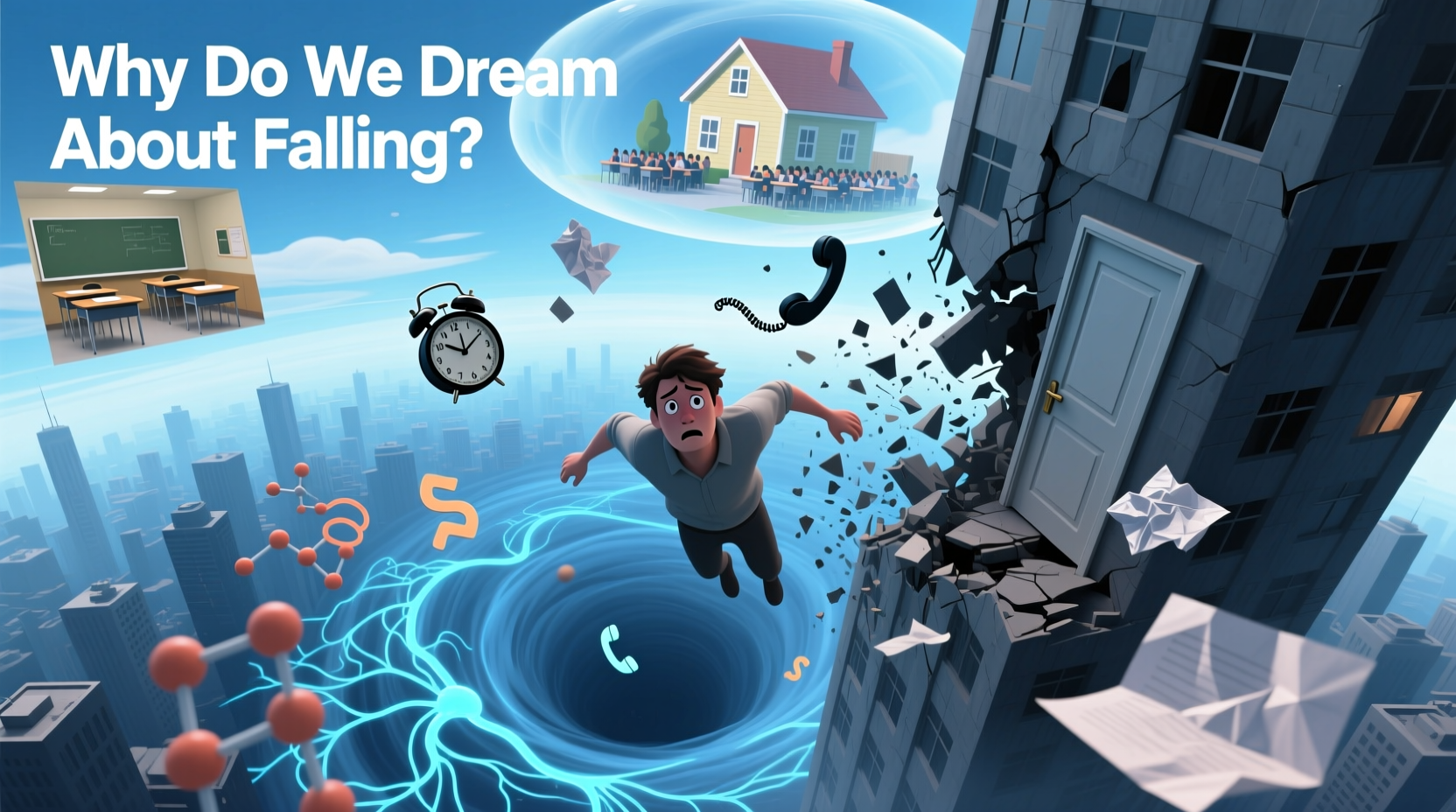
Falling dreams typically occur during the transition between wakefulness and sleep, especially in the hypnagogic state—the liminal phase just before deep sleep begins. This is when the brain shifts from conscious awareness to unconscious processing, and bodily sensations can become distorted. One theory suggests that as your muscles relax and your breathing slows, your brain misinterprets these physical changes as signs of falling. In response, it generates a vivid dream scenario to explain the sensation.
This phenomenon is supported by studies on muscle atonia—a natural paralysis that occurs during REM (rapid eye movement) sleep to prevent you from acting out your dreams. When this relaxation happens abruptly, the brain may perceive it as loss of control, triggering a fall-related narrative. However, while physiological explanations account for the mechanics of falling dreams, they don’t fully explain their emotional intensity or recurring nature.
Neuroimaging studies show increased activity in the amygdala and prefrontal cortex during nightmares, regions associated with fear processing and decision-making. This suggests that falling dreams aren't merely sensory illusions—they reflect real emotional undercurrents, particularly those linked to stress and perceived instability.
“Falling dreams are rarely about gravity—they’re about control. When people feel overwhelmed or insecure in waking life, the subconscious expresses it through imagery of descent.” — Dr. Lena Torres, Cognitive Neuroscientist and Sleep Researcher
Stress and the Symbolism of Falling
In dream analysis, falling is widely interpreted as a metaphor for loss of control. It often surfaces during periods of high stress, uncertainty, or major life transitions. For example, someone facing job insecurity might dream of falling from a tall office building. A student preparing for exams could experience dreams of slipping off a cliff mid-sentence during a test. These scenarios mirror internal fears of failure, inadequacy, or collapse under pressure.
Psychologist Carl Jung viewed falling dreams not as negative omens but as signals from the unconscious urging integration of repressed emotions. According to Jungian theory, such dreams highlight areas where the ego feels ungrounded. Instead of dismissing them, individuals should explore what aspects of life feel unstable or unsupported.
Modern psychology reinforces this idea. Chronic stress alters the brain’s default mode network—the system responsible for self-referential thought and emotional regulation. When this network becomes hyperactive due to prolonged stress, it increases the likelihood of emotionally charged dreams, including those involving danger, pursuit, or freefall.
Common Triggers of Falling Dreams
While everyone experiences occasional falling dreams, certain lifestyle and psychological factors increase their frequency:
- High-stress environments: Work deadlines, financial strain, or relationship conflicts elevate cortisol levels, which influence dream content.
- Sleep disruption: Irregular sleep schedules or poor sleep hygiene make transitions into REM sleep erratic, increasing chances of hypnagogic hallucinations.
- Anxiety disorders: Individuals with generalized anxiety or panic disorder report more frequent falling and chase dreams.
- Major life changes: Relocating, starting a new job, or ending a relationship can destabilize one’s sense of security, manifesting in dreams of collapse.
- Physical health issues: Conditions like low blood pressure or inner ear imbalances may contribute to sensations of dizziness or imbalance that translate into falling dreams.
A Real-Life Example: Maria’s Experience
Maria, a 34-year-old project manager, began having recurring dreams of falling from escalators after her company announced restructuring. At first, she dismissed them as coincidental. But when the dreams persisted for weeks—always ending with her waking up gasping—she decided to track them. Over two months, she noted that falling dreams occurred most frequently after late-night work sessions and days when she felt unable to meet expectations.
After consulting a therapist, Maria recognized that her dreams mirrored her fear of professional failure. By adjusting her workload, setting boundaries, and practicing mindfulness, her sleep improved dramatically—and the falling dreams ceased within six weeks. Her case illustrates how dream content can serve as an early warning system for unresolved stress.
Do’s and Don’ts: Managing Stress-Induced Falling Dreams
| Do’s | Don’ts |
|---|---|
| Maintain a consistent sleep schedule | Consume caffeine or alcohol close to bedtime |
| Practice relaxation techniques before sleep (e.g., deep breathing, meditation) | Work or use screens in bed |
| Journal about daily stressors and emotions | Ignore persistent nightmares or daytime fatigue |
| Engage in regular physical activity during the day | Suppress emotions during waking hours |
| Seek therapy if dreams disrupt quality of life | Self-diagnose or rely solely on medication without evaluation |
How to Interpret Your Falling Dreams
Not all falling dreams indicate distress. Context matters. Ask yourself the following questions when analyzing a recent dream:
- Was I afraid during the fall, or did I feel calm or even liberated?
- Did I land safely, float, or continue falling indefinitely?
- What was happening in my life the day before the dream?
- Was there a specific location or person present in the dream?
- Have I had similar dreams before, and were they linked to any life events?
If the dream evoked terror and ended abruptly, it likely reflects acute stress. But if you floated or landed softly, it might symbolize surrender or release—an unconscious desire to let go of control. Some therapists interpret such dreams positively, seeing them as the psyche’s way of processing change or releasing pent-up tension.
Step-by-Step Guide to Reducing Stress-Related Nightmares
If falling dreams are disrupting your rest, follow this five-step approach to regain balance:
- Track your dreams and stress levels: For two weeks, write down each dream and rate your daily stress on a scale of 1–10. Look for correlations.
- Establish a wind-down routine: Spend 30 minutes before bed disconnecting from devices, reading, or practicing gentle yoga.
- Reframe the dream narrative: During the day, visualize a positive version of the dream—e.g., slowing your fall, sprouting wings, or landing safely.
- Address root causes: Identify current stressors. Are they work-related? Interpersonal? Financial? Develop actionable plans to reduce them.
- Consult a professional: If nightmares persist despite lifestyle changes, consider cognitive behavioral therapy for insomnia (CBT-I) or trauma-focused counseling.
Frequently Asked Questions
Are falling dreams dangerous?
No, falling dreams themselves are not harmful. They are a normal part of the dreaming process. However, if they occur frequently and disrupt sleep, they may indicate underlying stress or sleep disorders that warrant attention.
Can medication cause falling dreams?
Yes. Certain antidepressants, beta-blockers, and stimulants can alter REM sleep and increase dream intensity. If you suspect a medication is affecting your dreams, consult your doctor—do not stop taking it without medical advice.
Do children have more falling dreams than adults?
Children report falling dreams less frequently than adults, but when they do, the dreams are often tied to developmental milestones—such as starting school or sleeping away from parents. Their dreams tend to resolve quickly as they adapt to new routines.
Conclusion: Listening to the Messages in Your Dreams
Dreams about falling are more than fleeting nighttime disturbances—they are meaningful reflections of your inner world. When stress accumulates silently, your subconscious finds symbolic ways to communicate urgency. Rather than brushing off these dreams, treat them as valuable feedback from your mind and body.
By paying attention to the patterns, managing stress proactively, and cultivating emotional awareness, you can transform unsettling dreams into tools for personal growth. Sleep isn’t just downtime—it’s a dynamic space where your psyche processes the weight of waking life. When you learn to interpret its language, you gain deeper resilience and clarity.




 浙公网安备
33010002000092号
浙公网安备
33010002000092号 浙B2-20120091-4
Comments
No comments yet. Why don't you start the discussion?