
It’s a familiar story: you’ve spent weeks preparing for a major presentation, a wedding, or an important interview. Your outfit is picked, your speech rehearsed, and then—without warning—a cluster of angry red pimples appears on your chin or forehead the night before. Coincidence? Hardly. Acne flare-ups before high-stakes moments are so common they almost feel inevitable. But there’s real science behind this phenomenon, and more importantly, actionable steps you can take to minimize or even prevent these unwelcome guests.
The connection between stress, hormones, and skin health is well-documented. When your body senses emotional or psychological pressure, it triggers a cascade of physiological responses—many of which directly impact your skin. Understanding this link is the first step toward regaining control, especially when appearance matters most.
The Science Behind Pre-Event Breakouts
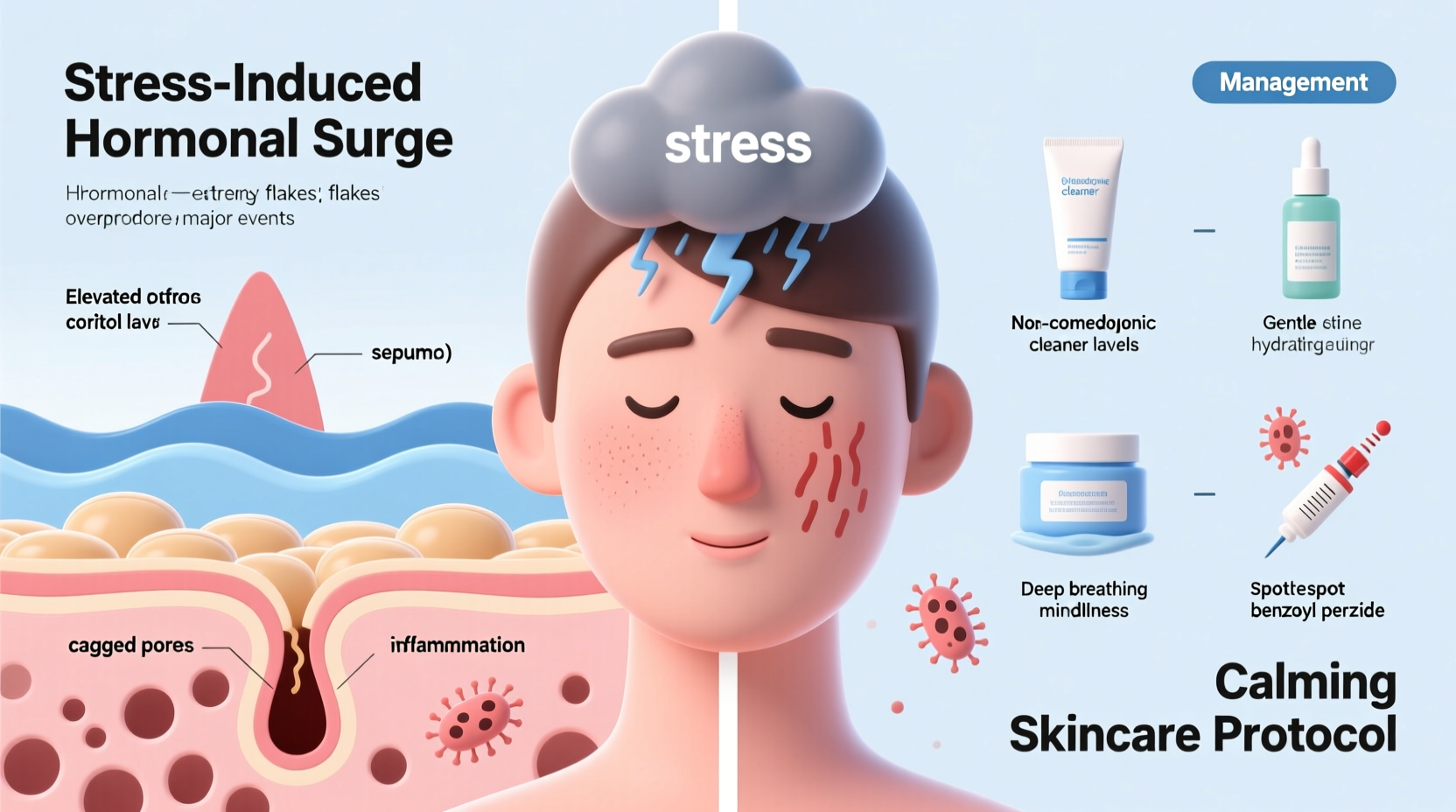
Acne doesn’t strike randomly. It develops when hair follicles become clogged with oil (sebum), dead skin cells, and bacteria—primarily Propionibacterium acnes. But what makes this process accelerate right before a big event?
The answer lies in your hypothalamic-pituitary-adrenal (HPA) axis—the body’s central stress response system. When you're under pressure, whether from looming deadlines or social anxiety, your brain signals the adrenal glands to release cortisol, commonly known as the “stress hormone.” Elevated cortisol levels increase sebum production in the skin’s sebaceous glands. More oil means a higher chance of clogged pores and bacterial overgrowth—ideal conditions for acne.
Additionally, stress can impair the skin’s natural barrier function and reduce its ability to repair itself. This weakened defense makes it easier for inflammation to take hold, turning minor blemishes into full-blown cystic lesions.
“Stress-induced acne is not just psychological—it has measurable biological effects on sebum output and inflammatory markers in the skin.” — Dr. Lena Torres, Board-Certified Dermatologist
This isn't limited by age either. Adults in their 30s and 40s often experience hormonal fluctuations triggered by stress, making them just as vulnerable—if not more so—than teenagers during emotionally charged periods.
Common Triggers That Amplify Breakouts Before Events
While stress is the primary instigator, several secondary factors often compound the problem in the days leading up to an important occasion:
- Diet changes: Increased caffeine, sugar, or dairy intake during stressful times can worsen acne in sensitive individuals.
- Sleep disruption: Late-night preparation or anxiety-driven insomnia reduces skin regeneration and increases cortisol.
- Touching the face: Nervous habits like resting your chin in your hand transfer bacteria and irritate existing blemishes.
- Skincare neglect: Skipping routines due to time constraints allows oil and debris to accumulate overnight.
- Makeup overuse: Heavy foundation or concealer applied to mask early spots can further clog pores if not removed properly.
Immediate Action Plan: What to Do When a Breakout Hits
If you wake up two days before your event with a fresh breakout, don’t panic. There are targeted interventions that can reduce inflammation and speed healing—some showing results within 24 hours.
Step-by-Step Timeline for Rapid Breakout Management (48 Hours)
- Day 1 – Morning: Cleanse with a salicylic acid-based face wash (0.5–2%). Salicylic acid penetrates oil and exfoliates inside pores. Follow with a lightweight, non-comedogenic moisturizer.
- Day 1 – Midday: Apply a spot treatment containing benzoyl peroxide (2.5–5%) directly to active lesions. Even low concentrations are effective without excessive drying.
- Day 1 – Evening: Use a clay mask (kaolin or bentonite) for 10 minutes to absorb excess oil. Avoid over-drying masks with alcohol.
- Day 2 – Morning: Switch to a niacinamide serum (5%) to calm redness and strengthen the skin barrier. Niacinamide also helps regulate sebum.
- Day 2 – Evening: Reapply spot treatment if needed. Prioritize sleep—aim for at least 7 hours to support overnight skin repair.
- Event Day – Morning: Gently cleanse and apply sunscreen (non-comedogenic, SPF 30+). Avoid picking or applying thick makeup layers over inflamed areas.
Avoid aggressive treatments like scrubs, high-concentration acids, or steroid creams unless prescribed. These can cause irritation, peeling, or rebound breakouts—exactly what you want to avoid under the spotlight.
Do’s and Don’ts: Quick Reference Table
| Action | Do | Don’t |
|---|---|---|
| Cleansing | Use lukewarm water and a gentle foaming or gel cleanser twice daily | Scrub harshly or use hot water, which strips natural oils |
| Treating Spots | Apply benzoyl peroxide or tea tree oil with a cotton swab | Pop, pick, or squeeze blemishes—this spreads bacteria and causes scarring |
| Moisturizing | Use oil-free, fragrance-free, non-comedogenic formulas | Skip moisturizer thinking it will reduce oil—it may trigger compensatory sebum production |
| Wearing Makeup | Choose mineral-based, non-comedogenic products and remove completely at night | Sleep in makeup or layer multiple heavy products on compromised skin |
| Hair & Skin Contact | Keep hair off your face, especially if using styling products | Rest hands on cheeks or let oily hair touch forehead and temples |
Long-Term Prevention Strategies
While emergency protocols help in the short term, preventing pre-event breakouts starts weeks—or even months—in advance. Think of your skin like any other system in your body: resilience comes from consistency, not last-minute fixes.
Incorporate these habits into your lifestyle to build stronger, more balanced skin:
- Maintain a consistent skincare routine: Stick to a simple but effective regimen—cleanser, treatment (like retinoids or niacinamide), moisturizer, and sunscreen—even when you’re not expecting stress.
- Manage stress proactively: Practice mindfulness, deep breathing, or yoga regularly—not just when deadlines loom. Studies show that regular meditation can lower cortisol and improve skin clarity over time.
- Optimize sleep hygiene: Aim for 7–9 hours per night. During sleep, your skin undergoes cellular turnover and repairs damage.
- Monitor diet: Limit refined sugars and dairy, both linked to increased acne severity in clinical studies. Increase intake of omega-3 fatty acids (found in fish, flaxseeds) and antioxidants (berries, leafy greens).
- Schedule professional care: Consider quarterly facials or dermatologist visits for extractions and personalized product recommendations.
Real-Life Example: A Week Before the Wedding
Sarah, a 28-year-old project manager, had planned her dream outdoor wedding for over a year. Three days before the ceremony, while doing final fittings, she noticed a large, painful pimple forming on her jawline. Despite normally clear skin, the past month had been packed with vendor calls, family tensions, and late nights.
She immediately stopped using her rich nighttime cream and switched to a salicylic acid cleanser. She applied a 5% benzoyl peroxide spot treatment each evening and used a cold compress in the morning to reduce swelling. On the advice of her esthetician, she skipped heavy contouring on the affected side and used a green color-correcting primer under mineral foundation.
By the wedding day, the lesion was significantly less red and barely noticeable in photos. More importantly, Sarah reported feeling calmer knowing she had a plan in place. “I realized I couldn’t control everything,” she said, “but I could control how I responded—and that made all the difference.”
Expert Insight: The Mind-Skin Connection
The emerging field of psychodermatology explores the bidirectional relationship between mental health and skin conditions. Emotional stress can worsen acne, and visible acne can increase anxiety—a feedback loop that’s particularly dangerous before public appearances.
“The skin is an emotional organ. It reflects internal states in real time. Treating acne isn’t just about topical solutions—it’s about addressing the whole person.” — Dr. Arjun Patel, Psychodermatology Research Fellow, Stanford University
This holistic perspective supports integrating mental wellness into skincare. Cognitive-behavioral techniques, such as reframing negative thoughts about appearance, can reduce the psychological burden of breakouts and even lessen their frequency.
Frequently Asked Questions
Can drinking more water clear up sudden acne?
While hydration supports overall skin health, simply drinking more water won’t eliminate acne. However, chronic dehydration can impair the skin barrier and slow healing. Aim for adequate fluid intake as part of a broader strategy, but don’t expect miracles from water alone.
Is it safe to try new acne products right before an event?
No. Introducing new actives (like retinoids, strong acids, or essential oils) within 72 hours of an important event risks irritation, redness, or allergic reactions. Always patch-test new products and allow at least one week to assess tolerance.
Why do breakouts often appear on the jawline and chin?
This area is rich in oil glands and prone to hormonal acne, especially in adults. Stress amplifies androgen activity, which stimulates sebum production in these regions. Additionally, phone contact, pillowcases, and facial touching frequently affect the lower face.
Final Checklist: Emergency Acne Kit for Big Events
Prepare in advance. Assemble a small kit to keep in your drawer, gym bag, or luggage:
- Gentle foaming cleanser (travel size)
- Benzoyl peroxide 2.5% or 5% spot treatment
- Niacinamide serum (5%) in a dropper bottle
- Non-comedogenic moisturizer
- Oil-absorbing sheets (for midday shine control)
- Salicylic acid pads (individually wrapped)
- Spot patches (hydrocolloid) for overnight healing
- SPF 30+ sunscreen (non-greasy formula)
- Cold gel eye mask (doubles as anti-inflammatory compress)
Take Control Before the Spotlight Finds You
Acne before big events isn’t bad luck—it’s a predictable physiological response to stress. But predictability means prevention is possible. By understanding the mechanisms behind sudden breakouts and adopting both immediate and long-term strategies, you can protect your confidence when it matters most.
Start today. Evaluate your current skincare habits, identify personal stress triggers, and build a resilient routine. When the next big moment arrives, you’ll be ready—not just in appearance, but in mindset. Because true readiness includes knowing you’ve done everything within your power to show up as your best self.




 浙公网安备
33010002000092号
浙公网安备
33010002000092号 浙B2-20120091-4
Comments
No comments yet. Why don't you start the discussion?