
Brown sugar is a staple in many kitchens, prized for its rich flavor and moisture-retaining properties. Yet, anyone who's opened a long-unused bag only to find a rock-hard block knows the frustration it can bring. Unlike white sugar, brown sugar has a tendency to solidify over time, rendering it difficult to measure or use. The good news? This issue is both preventable and reversible. Understanding the science behind the hardening process—and adopting simple storage habits—can save you time, money, and culinary hassle.
The Science Behind Brown Sugar Hardening
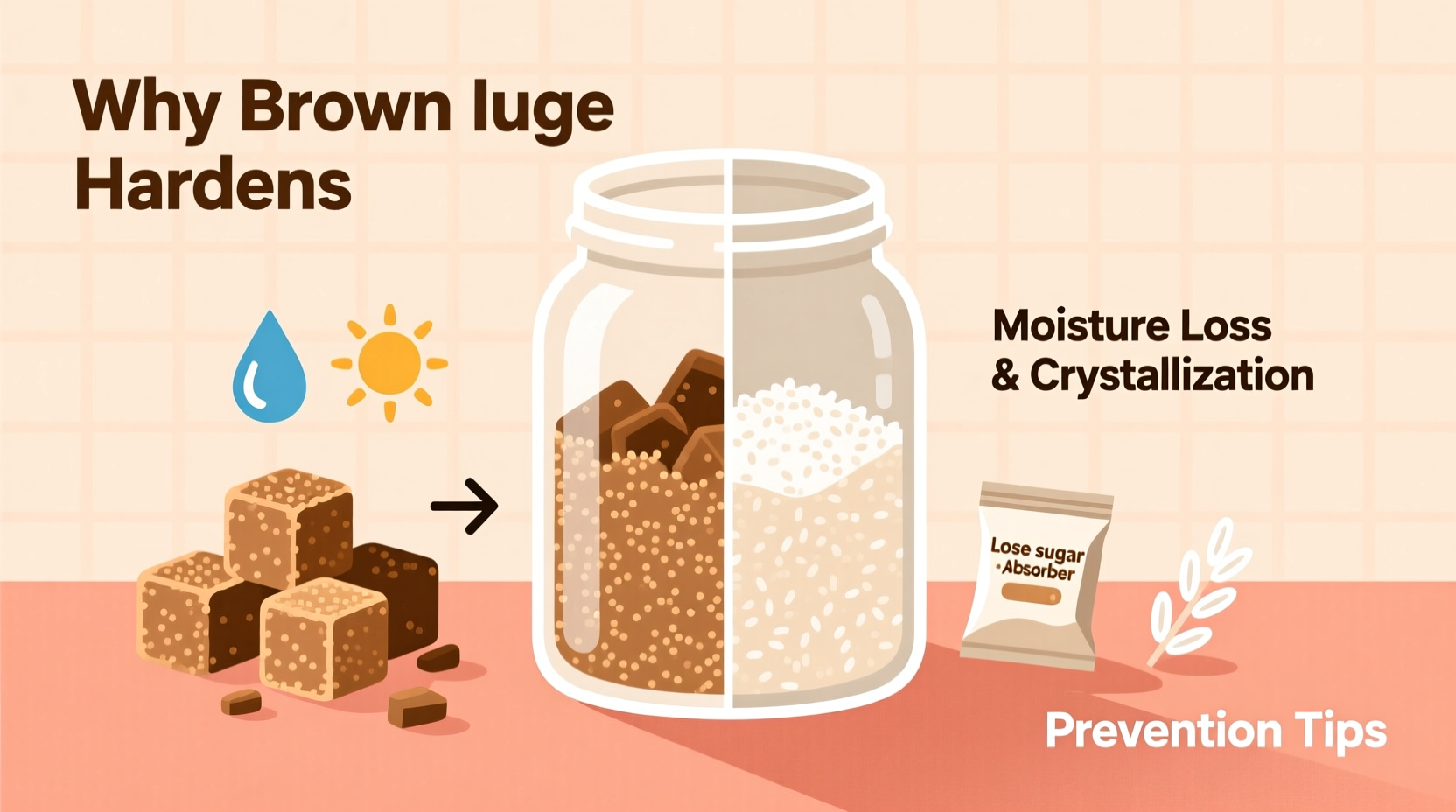
Brown sugar is essentially white granulated sugar with added molasses. This molasses content gives brown sugar its distinctive color, flavor, and moisture. However, that same moisture is also responsible for its tendency to harden. When exposed to air, the moisture in the molasses evaporates, causing the sugar crystals to stick together and form a dense mass.
This process is not due to spoilage or contamination—it’s purely physical. As humidity drops around the sugar, capillary action pulls remaining moisture inward, encouraging crystal adhesion. Over time, this creates a solid lump that can range from slightly firm to completely petrified.
Interestingly, the rate of hardening depends on environmental conditions. Dry climates accelerate moisture loss, while humid environments may delay it—but don’t eliminate the risk entirely. Even in moist air, poor packaging can still lead to inconsistent texture and clumping.
“Brown sugar isn’t spoiled when it hardens—it just lost its moisture. With proper handling, it’s always salvageable.” — Dr. Linda Harper, Food Scientist at the Institute of Kitchen Chemistry
Common Causes of Brown Sugar Hardening
- Exposure to air: Leaving the bag open or improperly sealed allows moisture to escape rapidly.
- Poor storage containers: Thin plastic bags or non-airtight containers do little to preserve humidity.
- Temperature fluctuations: Storing sugar near heat sources like ovens or dishwashers increases drying.
- Infrequent use: The longer sugar sits unused, the more likely it is to harden—even if stored correctly.
- Cross-contamination: Introducing wet spoons or damp hands into the container introduces variable moisture levels, which can promote clumping.
Effective Prevention Strategies
Preventing hardening is far easier than fixing it. With consistent habits and smart storage choices, you can keep your brown sugar soft for months.
Use Airtight Containers
Transfer brown sugar from its original packaging into a rigid, airtight container made of glass or BPA-free plastic. These provide a superior moisture barrier compared to flimsy store bags.
Maintain Ambient Humidity
Store the container in a cool, dark pantry away from appliances that emit heat. Avoid placing it under the sink (due to potential moisture swings) or near windows where sunlight can warm the contents.
Incorporate Moisture Retention Tools
To mimic the natural humidity brown sugar needs, consider adding one of these safe, reusable items to the container:
- A piece of terra cotta sugar saver disk (conditioned with water)
- A slice of bread (replaced weekly)
- A marshmallow (one large or two small)
- A silicone moisture pack designed for food storage
These items release controlled amounts of moisture, helping maintain softness without making the sugar wet or mold-prone.
Step-by-Step Guide to Softening Hardened Brown Sugar
If your brown sugar has already hardened, don’t discard it. Follow this proven method to restore it to a usable state:
- Break it into smaller chunks: Use a spoon, fork, or clean hammer to crush the sugar into pea-sized pieces.
- Choose a moisture source: Place one of the following in an airtight container with the sugar:
- Damp paper towel (wring out thoroughly)
- Slice of apple or orange peel
- Moisture-retaining disk or pack
- Seal tightly: Close the container and leave it undisturbed for 8–24 hours.
- Check and stir: After 8 hours, inspect the sugar. If still hard, replace the moisture source and wait another 12 hours.
- Fluff before use: Once softened, break up any remaining clumps with a fork.
This method works because the enclosed environment allows moisture to slowly rehydrate the sugar without creating sogginess. Avoid microwaving unless absolutely necessary, as rapid heating can melt the sugar or create hot spots.
Do’s and Don’ts of Brown Sugar Storage
| Do’s | Don’ts |
|---|---|
| Transfer to an airtight container immediately after opening | Leave sugar in its original thin plastic bag |
| Store in a cool, dry pantry away from heat | Keep near the stove, oven, or dishwasher |
| Use a terra cotta disk or marshmallow to retain moisture | Add too much water or liquid directly to the sugar |
| Check texture monthly and refresh moisture tools as needed | Forget about it for months without inspection |
| Label containers with purchase or opening date | Assume it lasts indefinitely without quality checks |
Real Example: How One Baker Solved Her Sugar Problem
Sarah, a home baker from Denver, used brown sugar primarily for cookies and spice cakes—about once every few weeks. She noticed her sugar would consistently harden within a month, forcing her to improvise softening methods before each bake. Frustrated, she decided to test different storage approaches.
She first tried leaving it in the original bag with a slice of bread. While it worked initially, the bread molded after two weeks. Next, she switched to a mason jar with a terra cotta sugar saver, pre-soaked for 15 minutes and patted dry. She stored it in a lower cabinet away from her oven.
After six months, her sugar remained soft and scoopable. “I don’t even think about it anymore,” she says. “It’s always ready when I need it.”
Sarah now uses the same system for both light and dark brown sugar and recommends it to fellow baking enthusiasts in her local cooking group.
FAQ: Common Questions About Brown Sugar Hardening
Can hardened brown sugar go bad?
No, brown sugar does not spoil due to its low moisture and high acidity. Even rock-hard sugar is safe to eat after rehydration. However, if you detect mold, off smells, or insect infestation, discard it immediately.
Is it safe to use a microwave to soften brown sugar?
Yes, but with caution. Place the sugar in a microwave-safe bowl, cover with a damp paper towel, and heat in 15-second intervals, stirring between bursts. Stop as soon as it softens to avoid melting or burning. This method is best for immediate use, not long-term storage solutions.
Does light brown sugar harden faster than dark brown sugar?
Not significantly. Dark brown sugar contains more molasses (about 6.5% vs. 3.5%), so it may retain moisture slightly longer. However, both types will harden under the same poor storage conditions. The key factor is exposure to air, not molasses level alone.
Conclusion: Keep Your Brown Sugar Soft and Ready
Brown sugar hardening is a common but avoidable kitchen issue. By understanding the role of moisture and air exposure, you can take simple, effective steps to preserve its texture. Invest in airtight storage, use moisture-preserving tools, and avoid temperature extremes. If hardening occurs, gentle rehydration methods can restore usability without waste.
With these strategies, you’ll spend less time chiseling sugar blocks and more time enjoying the rich, caramel-like sweetness in your favorite recipes. Make smart storage a habit today—your next batch of oatmeal cookies will thank you.




 浙公网安备
33010002000092号
浙公网安备
33010002000092号 浙B2-20120091-4
Comments
No comments yet. Why don't you start the discussion?