
For many, cilantro is a vibrant, citrusy herb that elevates salsas, curries, and salads with its fresh aroma. But for others, biting into a leaf feels like chewing on a bar of soap. This stark difference in taste isn’t a matter of preference or imagination—it’s written in your genes. The reason cilantro tastes like soap for some people lies in variations in olfactory receptor genes, particularly OR6A2, which makes certain individuals highly sensitive to aldehyde compounds found naturally in cilantro. Understanding this genetic quirk not only explains a common culinary divide but also sheds light on how genetics shape our sensory experiences.
The Science Behind the Soapy Taste
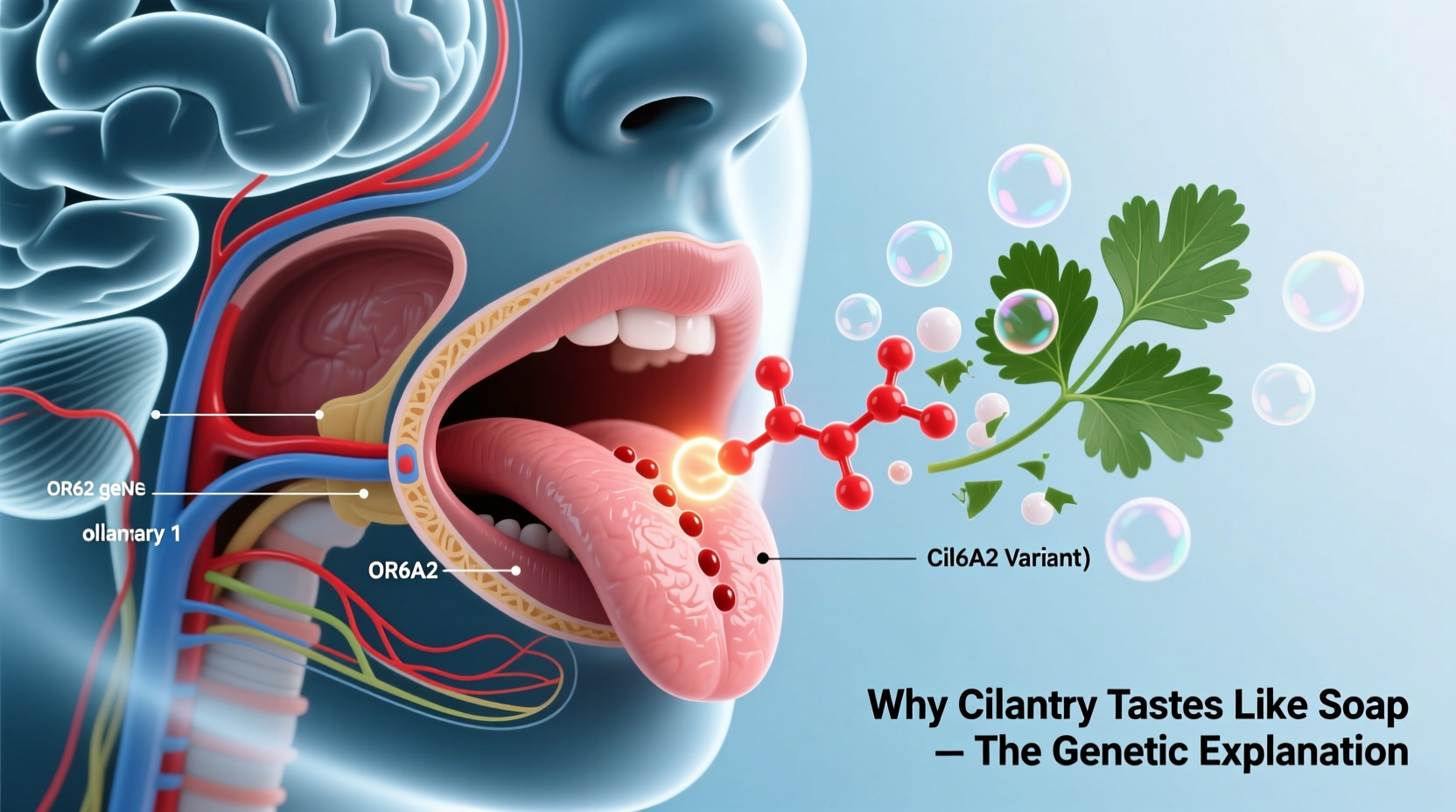
Cilantro, known as coriander leaves in many parts of the world, contains a group of chemical compounds called aldehydes. These are volatile organic molecules responsible for strong odors. In particular, cilantro is rich in (E)-2-alkenals—aldehydes that are chemically similar to those used in soaps, lotions, and even some insect secretions. For most people, these compounds contribute to cilantro’s bright, herbal scent. But for others, the smell is unmistakably soapy, metallic, or even pungent.
The key lies in how the human nose detects these chemicals. Olfactory receptors in the nasal cavity bind to odor molecules and send signals to the brain. One receptor, OR6A2, has been identified as especially sensitive to aldehyde compounds. Individuals who carry specific variants of the gene that codes for this receptor are far more likely to perceive the soapy notes in cilantro.
“Variation in a single gene can dramatically alter how someone experiences everyday foods. Cilantro is one of the clearest examples of genetics influencing flavor.” — Dr. Sarah Tishkoff, Professor of Genetics and Biology, University of Pennsylvania
Studies have shown that people with two copies of the “soap-sensitive” allele (a version of a gene) are up to three times more likely to describe cilantro as soapy compared to those with no copies. This genetic variation is inherited, meaning if one or both of your parents find cilantro unpleasant, you may too.
Genetic Prevalence Across Populations
The distribution of the cilantro-soap gene variant varies significantly across ethnic groups. Research indicates that around 4% to 14% of people of East Asian descent report the soapy taste, while up to 21% of people of European ancestry do. In contrast, only about 3% to 7% of those of African or Middle Eastern descent experience this aversion.
This variation may be linked to evolutionary dietary patterns. Populations with long culinary traditions involving cilantro—such as in South Asia, the Middle East, and Latin America—may have developed a lower prevalence of the sensitivity gene over time, possibly due to cultural adaptation or selective pressure. Alternatively, exposure from an early age might help override initial distaste through familiarity.
| Population Group | Estimated % Who Find Cilantro Soapy | Possible Contributing Factors |
|---|---|---|
| East Asian | 4–14% | High cilantro use in cuisine; possible selection bias |
| European | 15–21% | Lower historical use; higher genetic sensitivity |
| African | 3–7% | Diverse regional diets; limited data |
| Hispanic/Latino | 8–10% | Frequent cilantro use; early exposure may reduce aversion |
How Genetics Interact With Experience
While genetics play a major role, they don’t tell the whole story. Sensory perception is also shaped by environment, culture, and repeated exposure. Some individuals who initially hated cilantro report growing to enjoy it over time, especially when introduced in flavorful, familiar dishes.
This phenomenon is known as “hedonic adaptation”—the brain’s ability to rewire emotional responses to stimuli based on positive associations. For example, someone who dislikes raw cilantro in a salad might come to appreciate its presence in a spicy Thai curry where other bold flavors balance its profile.
Additionally, the texture and preparation method influence perception. Chopping cilantro releases more aldehydes, intensifying the scent. Blending it into sauces like chimichurri or chutney can mellow the flavor, making it more palatable even for sensitive individuals.
Real-Life Example: A Chef’s Dilemma
Carlos Mendoza, a chef at a popular Mexican fusion restaurant in Austin, Texas, faced a recurring issue: customers occasionally returned dishes complaining that the guacamole tasted “like soap.” After investigating, he realized the common factor was freshly chopped cilantro.
Rather than removing the herb entirely—a move that would compromise authenticity—he began offering a “no cilantro” option and trained his staff to ask diners about preferences. He also adjusted his recipe, using slightly less cilantro and adding a squeeze of lime, which helped mask the soapy notes for sensitive eaters.
“It’s not about changing tradition,” Carlos explained. “It’s about respecting biology. Now we serve the same dish, but with awareness. And honestly, fewer complaints mean happier customers.”
Step-by-Step Guide: Managing Cilantro Sensitivity
If you’re among those who detect a soapy taste in cilantro, here’s a practical approach to navigating this sensory challenge:
- Confirm your sensitivity: Try raw cilantro alone—chew a small leaf and note the immediate taste and smell. Do you detect soap, metal, or something unpleasant?
- Experiment with preparation: Use cooked or lightly wilted cilantro in soups, stews, or stir-fries. Heat reduces aldehyde concentration.
- Pair with strong flavors: Combine cilantro with ingredients like garlic, chili, lime juice, or fish sauce to balance its profile.
- Try substitutes: Use parsley, celery leaves, or culantro (a related herb with a stronger but less polarizing flavor) as alternatives.
- Gradual exposure: Add tiny amounts of cilantro to familiar dishes over weeks to see if your palate adapts.
- Communicate preferences: When dining out, don’t hesitate to request no cilantro. Many restaurants now accommodate this due to increased awareness.
Checklist: Making Sense of Your Cilantro Experience
- ☐ I notice a distinct soapy or metallic taste when eating raw cilantro
- ☐ Family members also dislike cilantro or describe it similarly
- ☐ I enjoy cilantro in cooked dishes but not raw ones
- ☐ I’ve tried substituting parsley and prefer it
- ☐ I avoid certain cuisines because of expected cilantro use
- ☐ I’m curious whether my reaction is genetic
If you checked three or more of these, your response is likely influenced by the OR6A2 gene variant. Consider exploring direct-to-consumer genetic testing services like 23andMe or AncestryDNA, which include cilantro sensitivity in their trait reports.
Debunking Common Myths
Despite growing scientific understanding, several myths persist about why cilantro tastes like soap:
- Myth: It’s all in your head or just being picky.
Reality: Functional MRI studies show different brain activation patterns in self-reported cilantro haters versus lovers, confirming a biological basis. - Myth: Everyone can learn to like cilantro.
Reality: While some adapt, others remain genetically predisposed to dislike it regardless of exposure. - Myth: Only Americans hate cilantro.
Reality: Aversions exist worldwide, though prevalence varies by region and diet.
Another misconception is that the soapy taste comes from contamination or pesticides. While poor-quality herbs can taste bitter, the distinctive soap-like odor is intrinsic to cilantro’s chemistry—not external factors.
Frequently Asked Questions
Can you change your genetic sensitivity to cilantro?
No, you cannot alter your DNA, so the underlying sensitivity remains. However, your brain’s response to the taste can be modulated through repeated positive exposure. Over time, some people report reduced aversion, especially when cilantro is used in enjoyable dishes.
Is there a test to find out if I have the cilantro-soap gene?
Yes. Genetic testing companies like 23andMe analyze the SNP rs72921001 near the OR6A2 gene, which is strongly associated with cilantro preference. Results typically categorize users as “likely to think cilantro tastes soapy” or “likely to enjoy cilantro.”
Is cilantro safe to eat if I hate the taste?
Absolutely. Disliking cilantro poses no health risk. In fact, it’s packed with antioxidants, vitamins A and K, and anti-inflammatory compounds. If you can tolerate small amounts, consider using it sparingly for nutritional benefits. Otherwise, substitute with parsley or other herbs without sacrificing nutrition.
Conclusion: Embracing Flavor Diversity
The reason cilantro tastes like soap for some people is a powerful reminder that taste is not universal. It’s a deeply personal experience shaped by genetics, culture, and memory. What one person finds refreshing, another may find repulsive—all due to a tiny variation in a single gene.
Recognizing this diversity fosters empathy in both home cooking and professional kitchens. Rather than insisting everyone should love cilantro, we can celebrate the complexity of human perception and offer choices that honor individual differences.




 浙公网安备
33010002000092号
浙公网安备
33010002000092号 浙B2-20120091-4
Comments
No comments yet. Why don't you start the discussion?