
Coffee is a beloved morning ritual for millions, praised for sharpening focus, boosting energy, and enhancing productivity. Yet for some, that same cup can trigger a wave of anxiety—racing heart, jittery hands, mental fog, or even panic. If you’ve ever asked yourself, “Why does coffee make me anxious?” you’re not alone. The truth lies in the complex interplay between caffeine, your brain chemistry, and individual biology. More importantly, it’s possible to enjoy caffeine without the unpleasant side effects. With the right knowledge and adjustments, you can reclaim your coffee experience—calmly and confidently.
The Science Behind Caffeine and Anxiety
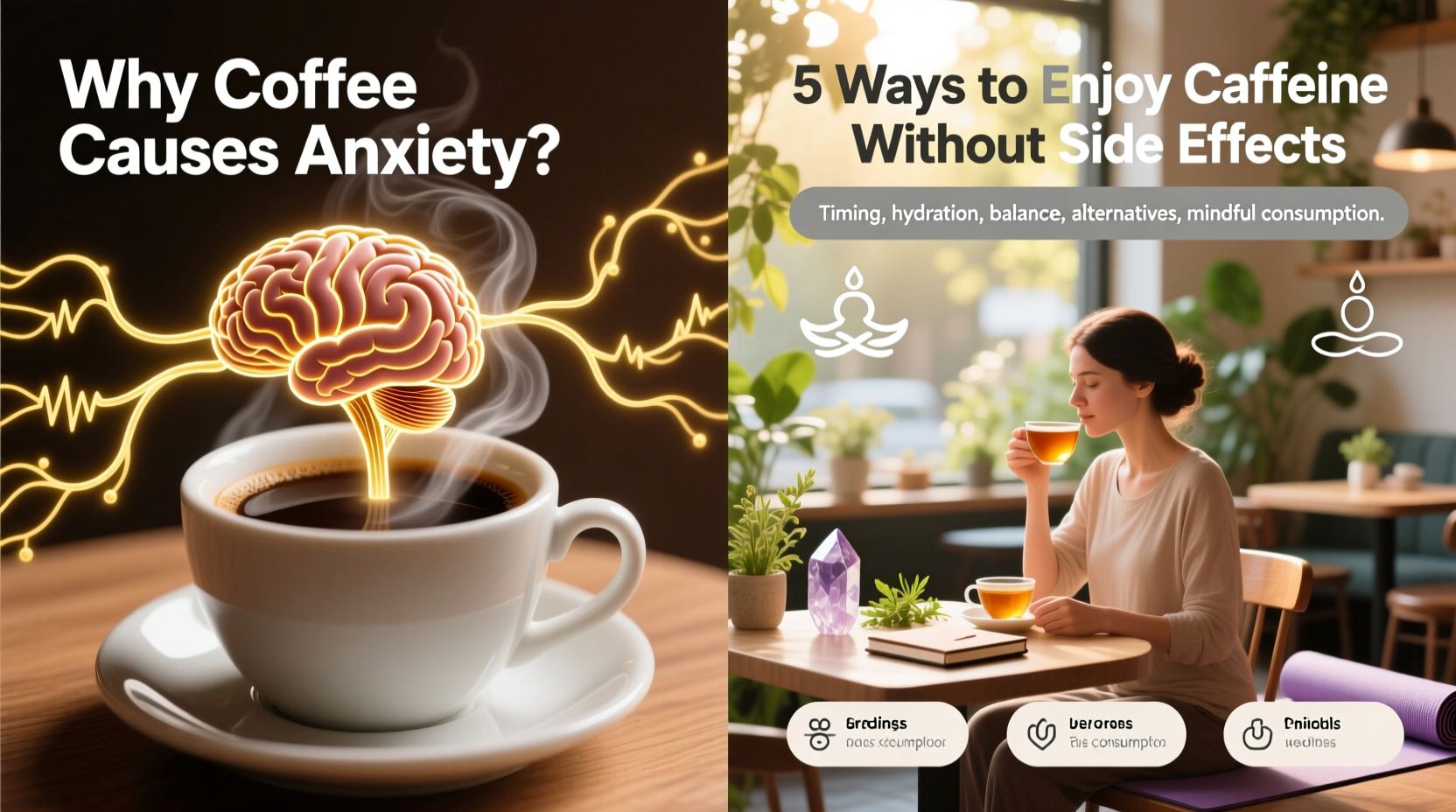
Caffeine is a central nervous system stimulant. It works primarily by blocking adenosine, a neurotransmitter responsible for promoting sleep and relaxation. As adenosine receptors are inhibited, dopamine and norepinephrine levels rise, increasing alertness and energy. However, this same mechanism can overstimulate the brain, especially in sensitive individuals.
When caffeine floods the system, it mimics the body’s natural stress response. It triggers the release of cortisol and adrenaline—hormones associated with fight-or-flight reactions. For people prone to anxiety, this biochemical shift can be overwhelming. Even moderate doses may cause symptoms like:
- Rapid heartbeat
- Restlessness
- Sweating or trembling
- Intrusive thoughts or rumination
- Difficulty concentrating despite being \"wired\"
A 2020 review published in the journal *Nutrients* found that high caffeine intake (over 400 mg daily) significantly increased anxiety symptoms in susceptible individuals, particularly those with pre-existing anxiety disorders. But sensitivity isn’t just about dosage—it’s also genetic.
“Caffeine affects everyone differently. Some metabolize it quickly; others feel its effects for hours. Genetics, lifestyle, and mental health history all shape your response.” — Dr. Lena Patel, Neuropharmacology Researcher, Stanford University
Genetic Sensitivity: Why You React Differently Than Others
Not everyone experiences anxiety from coffee—and that’s largely due to genetics. Two key genes influence how your body processes caffeine:
- CYP1A2: This gene controls the liver enzyme responsible for breaking down caffeine. Fast metabolizers clear caffeine within a few hours, while slow metabolizers can feel effects for 6–10 hours or longer.
- ADORA2A: Variants in this gene affect how your brain responds to caffeine. Certain mutations increase susceptibility to anxiety, insomnia, and panic attacks after consumption.
If you're a slow metabolizer or carry the ADORA2A risk variant, even a small espresso might leave you feeling tense. Genetic testing services like 23andMe can reveal your profile, but you don’t need a DNA test to identify sensitivity. Pay attention to how you feel after drinking coffee. Do you get shaky? Can’t sleep if you drink it after noon? Those are signs your body struggles to process caffeine efficiently.
How to Enjoy Caffeine Without Side Effects: A Practical Guide
You don’t have to give up caffeine entirely to avoid anxiety. With mindful habits and smart substitutions, you can maintain energy and focus without the crash or jitters. Here’s how:
1. Choose Lower-Caffeine Alternatives
Not all caffeinated drinks are created equal. Switching to beverages with less caffeine per serving reduces stimulation while preserving benefits.
| Beverage (8 oz) | Average Caffeine Content | Anxiety Risk Level |
|---|---|---|
| Drip Coffee | 95–165 mg | High |
| Espresso (1 shot) | 63 mg | Moderate-High |
| Latte/Cappuccino | 63–125 mg | Moderate |
| Black Tea | 40–70 mg | Low-Moderate |
| Green Tea | 20–45 mg | Low |
| Matcha | 70 mg (with L-theanine) | Low |
| Decaf Coffee | 2–5 mg | Minimal |
Green tea and matcha stand out because they contain L-theanine—an amino acid that promotes relaxation without drowsiness. Studies show L-theanine counteracts caffeine-induced jitteriness by increasing alpha brain waves linked to calm focus.
2. Control Your Dosage and Timing
Timing matters as much as quantity. Cortisol—the stress hormone—naturally peaks within an hour of waking. Drinking coffee during this window can amplify anxiety and reduce caffeine’s effectiveness over time.
“Drink coffee 90 minutes after waking, when cortisol dips. This maximizes alertness and minimizes dependency.” — Dr. Andrew Huberman, Neuroscientist, Stanford
Limit total daily intake to 100–200 mg unless you know you tolerate more. That’s roughly one 8 oz brewed coffee or two strong green teas. Avoid caffeine after 2 p.m. to protect sleep quality, which directly impacts anxiety resilience.
3. Pair Caffeine with Food and Hydration
Consuming coffee on an empty stomach increases absorption speed, leading to sharper spikes in blood pressure and alertness—often triggering anxiety. Always pair caffeine with protein, healthy fats, or fiber-rich foods to slow absorption.
Also, drink a glass of water before and after your coffee. Caffeine is a mild diuretic, and dehydration worsens symptoms like dizziness, fatigue, and irritability.
Mini Case Study: From Panic to Productivity
Sarah, a 32-year-old project manager, used to drink three large coffees before noon to stay focused. By mid-morning, she’d feel her chest tighten, her thoughts race, and her hands tremble. She assumed she was just stressed—until she connected the dots during a wellness retreat where coffee wasn’t available.
Without caffeine, she noticed her anxiety vanished. Curious, she experimented upon returning home. She switched to one small cup of light-roast coffee at 9:30 a.m., followed by a matcha latte at 1:00 p.m. She ate breakfast first and drank extra water. Within a week, her energy stabilized. No more afternoon crashes. No more unexplained panic before meetings.
“I didn’t realize my ‘stress’ was mostly caffeine overload,” Sarah said. “Now I’m more productive and actually enjoy my coffee instead of fearing it.”
Your Caffeine Optimization Checklist
Use this checklist to refine your caffeine routine for calm energy:
- ✅ Limit daily intake to 100–200 mg (adjust based on tolerance)
- ✅ Drink your first coffee 90 minutes after waking
- ✅ Avoid caffeine after 2 p.m. to protect sleep
- ✅ Eat a balanced meal or snack before consuming caffeine
- ✅ Stay hydrated—drink water alongside your coffee
- ✅ Consider switching to green tea, matcha, or half-caf options
- ✅ Track your mood and symptoms for 7 days to identify patterns
- ✅ Take regular caffeine breaks (e.g., one caffeine-free day per week)
Frequently Asked Questions
Can decaf coffee still cause anxiety?
Decaf contains only 2–5 mg of caffeine per cup, which rarely causes anxiety. However, some people react to other compounds in coffee, such as chlorogenic acids or mold residues (in low-quality beans). Opt for Swiss Water Process decaf and try single-origin, fresh-roasted beans to minimize irritants.
Does roasting level affect caffeine-related anxiety?
Yes. Contrary to popular belief, dark roast doesn’t have less caffeine than light roast—differences are minimal. However, lighter roasts retain more chlorogenic acid, which may increase stomach acidity and jitteriness in sensitive individuals. Medium roasts often offer a smoother balance.
Is there a way to build tolerance to caffeine without anxiety?
Tolerance can develop, but it comes with risks—like dependence and reduced natural energy. Instead of building tolerance, aim for metabolic efficiency. Support liver health with cruciferous vegetables, adequate sleep, and reduced alcohol intake to help your body process caffeine more smoothly.
Conclusion: Reclaim Your Energy, Minimize Anxiety
Coffee doesn’t have to come at the cost of your calm. Understanding your body’s unique response to caffeine empowers you to make informed choices. Whether it’s switching to gentler alternatives, adjusting timing, or simply slowing down your consumption, small changes yield significant results. The goal isn’t elimination—it’s optimization. When used wisely, caffeine can enhance your day without hijacking your nervous system.




 浙公网安备
33010002000092号
浙公网安备
33010002000092号 浙B2-20120091-4
Comments
No comments yet. Why don't you start the discussion?