
For millions of people, coffee is a morning ritual, a productivity booster, and a social staple. It’s widely known for its ability to sharpen focus, increase alertness, and fight fatigue. Yet, some individuals report feeling drowsy or even sleepy shortly after drinking coffee—a confusing and often frustrating experience. If you’ve ever sipped your favorite brew only to feel more tired than before, you’re not alone. This counterintuitive reaction isn’t a myth; it has roots in neuroscience, biochemistry, and individual physiology. Understanding why coffee can make you sleepy instead of energized requires unpacking how caffeine interacts with your brain, hormones, and daily habits.
The Role of Adenosine: Your Body’s Natural Sleep Signal
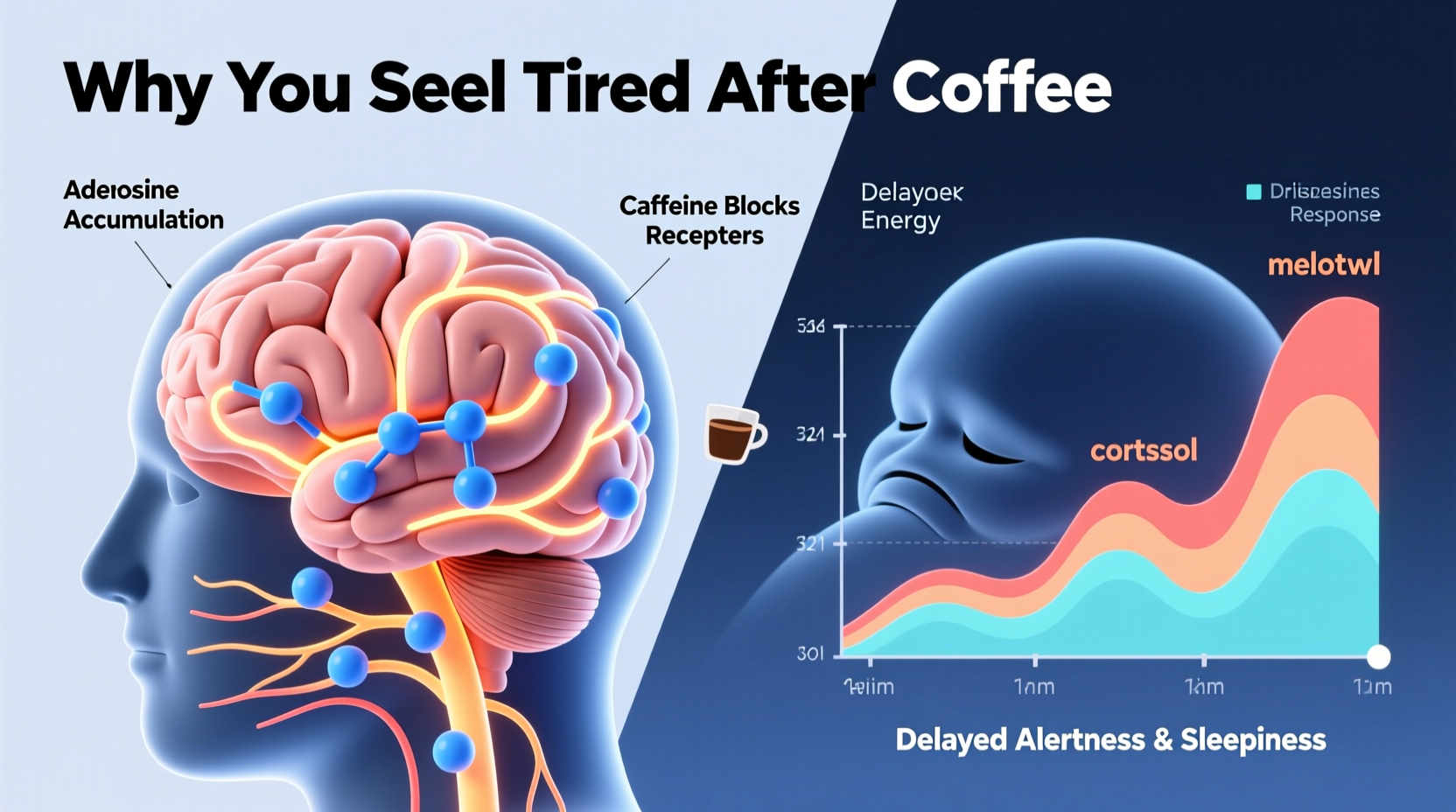
To understand caffeine’s paradoxical effects, we must first explore adenosine, a neurotransmitter that regulates sleep-wake cycles. Throughout the day, adenosine accumulates in your brain as a byproduct of cellular activity. The more active your neurons are, the more adenosine builds up. As levels rise, adenosine binds to specific receptors (A1 and A2A), slowing neural activity and promoting feelings of drowsiness—essentially signaling that it’s time to rest.
Caffeine works by mimicking the shape of adenosine and binding to the same receptors without activating them. This blocks adenosine from attaching, effectively “tricking” the brain into feeling more alert. However, this blockade is temporary. Once caffeine wears off—typically within 3 to 5 hours—the accumulated adenosine floods back into those now-unblocked receptors. The sudden surge can trigger a rapid onset of fatigue, often referred to as a \"crash.\"
“Caffeine doesn’t eliminate fatigue—it masks it. When the effect fades, your body catches up on the tiredness it was meant to feel.” — Dr. Laura Chen, Neuropharmacologist at Stanford University
This explains why someone might feel a burst of energy followed by intense sleepiness. The crash isn't just psychological; it's a physiological rebound driven by unmet biological need for rest.
Individual Sensitivity and Genetic Factors
Not everyone responds to caffeine the same way. Genetics play a significant role in how quickly your body metabolizes caffeine. The CYP1A2 gene controls the production of an enzyme in the liver responsible for breaking down caffeine. People with a “fast” variant process caffeine efficiently, experiencing shorter-lived but sharper stimulation. Those with a “slow” variant may take much longer to clear caffeine from their system, leading to prolonged exposure and potential disruptions in sleep patterns—even if consumed early in the day.
Another gene, ADORA2A, influences how sensitive your brain is to caffeine’s effects. Variants of this gene can make individuals more prone to anxiety, jitteriness, or paradoxical drowsiness when consuming caffeine. In some cases, the nervous system overcompensates for stimulation by triggering calming mechanisms, including increased production of calming neurotransmitters like GABA, which can result in sedation rather than alertness.
Coffee, Cortisol, and the Stress Response
Cortisol, often called the “stress hormone,” follows a natural circadian rhythm, peaking in the early morning to help you wake up. Consuming coffee during this peak window—roughly 30 minutes to an hour after waking—can interfere with your body’s natural cortisol-driven alertness. When caffeine is introduced while cortisol is already high, the combined stimulation may cause your adrenal glands to overproduce stress hormones temporarily. After this spike, the body may respond with a compensatory drop in energy, leading to fatigue.
Additionally, chronic caffeine use can dysregulate the hypothalamic-pituitary-adrenal (HPA) axis, the system responsible for managing stress and energy balance. Over time, this dysregulation may blunt cortisol responsiveness, making you reliant on external stimulants while weakening your body’s innate ability to regulate energy naturally.
A real-world example illustrates this: Sarah, a 32-year-old project manager, drinks her first coffee within 15 minutes of waking. She initially feels alert but crashes by mid-morning, struggling to focus. After shifting her first cup to 90 minutes post-wake time—aligning better with her cortisol dip—she reports sustained energy and no afternoon slump. Her case highlights how timing affects caffeine’s impact.
Coffee Quality, Additives, and Blood Sugar Swings
What you add to your coffee matters as much as the caffeine itself. Many popular coffee drinks—lattes, frappuccinos, sweetened cold brews—are loaded with sugar, syrups, and creamers. These ingredients cause rapid spikes in blood glucose, followed by insulin surges that can lead to reactive hypoglycemia: a sharp drop in blood sugar that triggers fatigue, brain fog, and cravings.
Even black coffee can influence glucose metabolism. Studies show that caffeine temporarily increases insulin resistance, meaning your cells become less efficient at absorbing glucose. For individuals predisposed to metabolic issues, this can exacerbate energy fluctuations. The combination of blocked adenosine and unstable blood sugar creates a perfect storm for post-coffee drowsiness.
| Coffee Type | Sugar Content (avg) | Energy Impact | Risk of Sleepiness |
|---|---|---|---|
| Black Coffee | 0g | Stable alertness | Low |
| Drip Coffee + Sugar | 10–15g | Brief boost, then crash | Moderate |
| Vanilla Latte (grande) | 30–40g | Sharp spike, severe crash | High |
| Unsweetened Cold Brew | 0g | Prolonged clarity | Low |
Moreover, low-quality coffee beans or those contaminated with mycotoxins (mold byproducts) may contribute to inflammation and brain fog in sensitive individuals. Opting for clean, single-origin, lightly roasted beans can reduce these risks and improve cognitive outcomes.
Dehydration and Its Fatigue-Inducing Effects
Coffee is a mild diuretic, meaning it increases urine production and can contribute to fluid loss. While moderate consumption doesn’t cause clinical dehydration, many people fail to compensate with additional water intake. Even mild dehydration—defined as a 1–2% loss of body weight in fluids—can impair concentration, mood, and energy levels.
If you drink one or two cups of coffee without increasing your water intake, you may unknowingly tip into a dehydrated state. Symptoms include headaches, dry mouth, and, notably, fatigue. This subtle shift can easily be mistaken for a direct effect of the coffee itself, when in fact, it’s your body signaling a need for hydration.
Step-by-Step Guide to Optimizing Your Coffee Experience
If coffee consistently makes you sleepy, follow this timeline to identify and correct the issue:
- Track Your Intake (Day 1–3): Record the time, amount, type, and additives in each coffee. Note how you feel 30, 60, and 120 minutes afterward.
- Eliminate Added Sugars (Day 4–7): Switch to black coffee or use non-sugary alternatives like cinnamon or almond milk. Observe changes in energy stability.
- Adjust Timing (Day 8–10): Delay your first coffee by 90 minutes after waking to avoid cortisol interference.
- Increase Water Intake: Drink 8–16 oz of water with each cup of coffee.
- Assess Sleep Quality: Ensure you’re getting 7–9 hours of quality sleep. Poor sleep amplifies caffeine sensitivity and crash severity.
- Consider a Caffeine Break (Optional): Take 5–7 days off caffeine to reset adenosine receptors. Reintroduce slowly to gauge true sensitivity.
Frequently Asked Questions
Can too much coffee make me tired?
Yes. Excessive caffeine can overstimulate the nervous system, prompting a compensatory release of calming neurotransmitters like GABA. It also disrupts sleep architecture and increases adrenaline, both of which contribute to long-term fatigue. More isn’t always better—most adults benefit from 200–400 mg of caffeine per day (about 1–3 cups).
Is it normal to feel sleepy after coffee if I’m well-rested?
It can be, especially if you're genetically sensitive to caffeine or consume it with sugar. Even well-rested individuals experience adenosine buildup throughout the day. When caffeine wears off, that backlog hits all at once. Additionally, individual neurochemistry varies—some brains respond to stimulation with rebound inhibition.
Could my sleepiness after coffee indicate a health problem?
Persistent fatigue after caffeine could signal underlying issues such as adrenal fatigue, insulin resistance, sleep apnea, or chronic stress. If lifestyle adjustments don’t help, consult a healthcare provider to rule out medical causes.
Checklist: How to Prevent Coffee-Induced Sleepiness
- ✅ Avoid drinking coffee within the first hour of waking
- ✅ Limit added sugars and artificial creamers
- ✅ Stay hydrated with water alongside each cup
- ✅ Choose high-quality, mold-free coffee beans
- ✅ Cap daily intake at 400 mg of caffeine (approx. 3–4 cups)
- ✅ Prioritize consistent, high-quality sleep
- ✅ Monitor your body’s response and adjust accordingly
Conclusion: Rethinking Your Relationship with Coffee
Coffee isn’t inherently energizing—it’s a tool that interacts with your biology in complex ways. Feeling sleepy after a cup doesn’t mean you’re doing something wrong; it means your body is communicating its needs. Whether it’s accumulated adenosine, blood sugar imbalance, dehydration, or genetic predisposition, the answer lies in personalization, not universal rules.
By understanding the science behind caffeine’s effects and adjusting your habits with intention, you can transform coffee from a source of confusion into a reliable ally for mental clarity and sustained energy. Listen to your body, experiment wisely, and remember: true energy comes not from stimulation, but from balance.




 浙公网安备
33010002000092号
浙公网安备
33010002000092号 浙B2-20120091-4
Comments
No comments yet. Why don't you start the discussion?