
Coffee is often hailed as a morning miracle worker—its rich aroma, warm comfort, and promise of alertness draw millions into daily ritual. Yet for some, that initial burst of energy fades fast, replaced by fatigue, brain fog, or even drowsiness shortly after finishing their cup. If you've ever asked, “Why does coffee make me tired instead of energetic?” you're not alone. This paradoxical reaction isn’t a flaw in your discipline or sleep hygiene; it’s rooted in biology, chemistry, and the complex way caffeine interacts with your nervous system. Understanding the science behind the caffeine crash can help you reclaim the benefits of coffee without the slump.
The Caffeine Mechanism: How Coffee Should Work
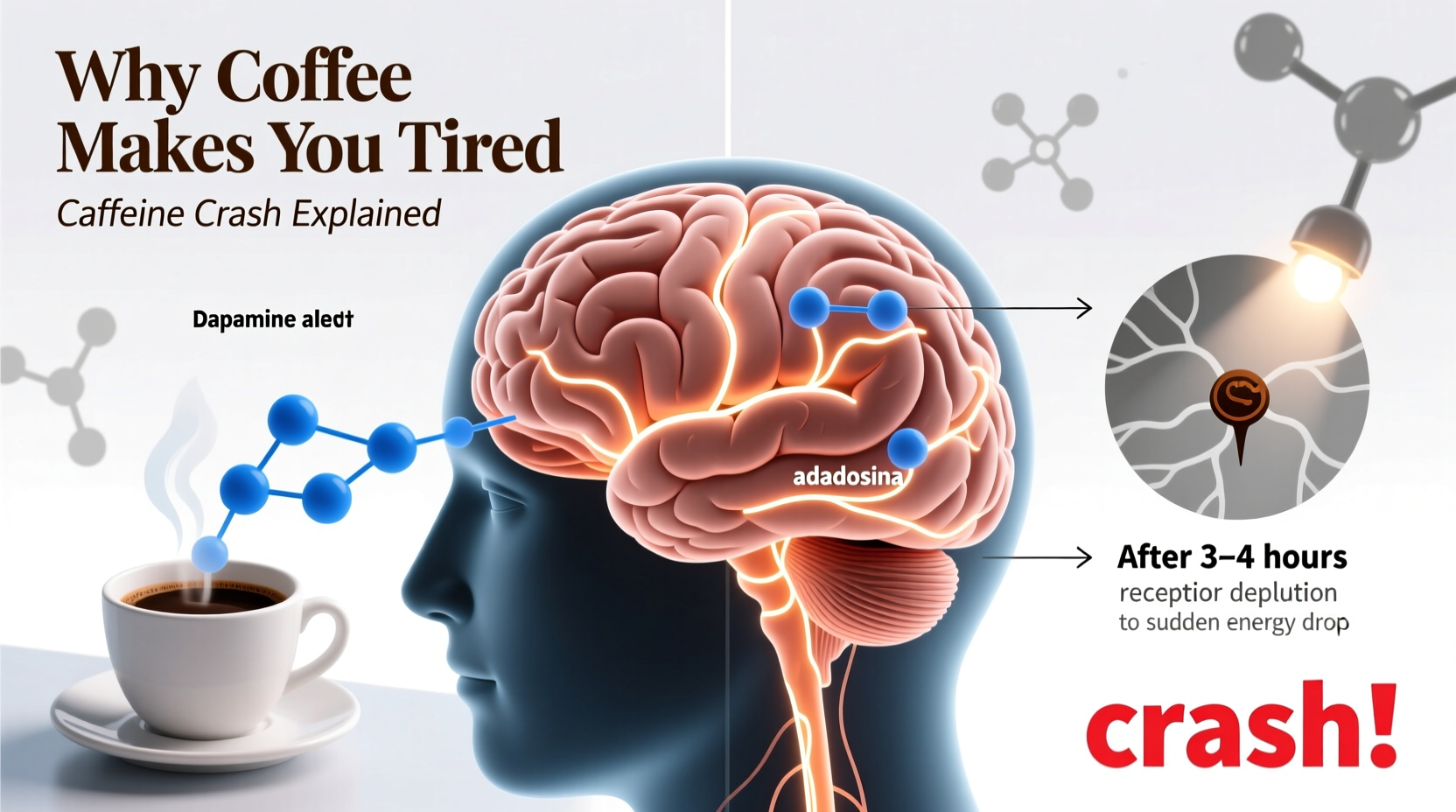
Caffeine is a central nervous system stimulant found naturally in coffee, tea, and cacao. When consumed, it quickly crosses the blood-brain barrier and begins interfering with one key molecule: adenosine.
Adenosine is a neurotransmitter that builds up in your brain throughout the day. As its concentration increases, it binds to specific receptors, slowing neural activity and promoting feelings of drowsiness. This is part of your body’s natural process of preparing for rest. Caffeine works by mimicking adenosine’s shape, binding to the same receptors without activating them. In doing so, it blocks adenosine from exerting its sleep-inducing effects.
This blockade leads to increased neuronal firing, which prompts the pituitary gland to release adrenaline—the “fight or flight” hormone. Dopamine levels also rise, enhancing mood and focus. The result? Heightened alertness, improved concentration, and a temporary lift in energy.
So why, then, do many people feel more tired after this boost?
The Science Behind the Caffeine Crash
The answer lies in what happens *after* caffeine wears off. While caffeine blocks adenosine receptors, it doesn’t stop adenosine production. In fact, your brain continues producing adenosine—and because the receptors have been blocked, adenosine accumulates at higher-than-normal levels.
When caffeine finally metabolizes (typically within 3 to 5 hours, depending on individual metabolism), those pent-up adenosine molecules flood the now-unblocked receptors. The sudden surge creates a rebound effect: intense fatigue, mental fogginess, and sometimes irritability. This is the infamous “caffeine crash.”
Additionally, caffeine stimulates cortisol and adrenaline production, triggering a stress-like response. While beneficial in short bursts, prolonged activation of these hormones can lead to adrenal fatigue over time, especially if coffee is consumed frequently or in excess.
“Caffeine doesn’t give you energy—it masks fatigue. Once the mask comes off, the accumulated tiredness hits harder than before.” — Dr. Sarah Lee, Neuroscientist and Sleep Researcher
Contributing Factors That Worsen the Crash
Not everyone experiences a caffeine crash, and severity varies widely. Several factors influence whether coffee energizes or drains you:
- Dosage: High doses of caffeine (over 400mg per day, roughly four 8-oz cups) increase the likelihood of jitteriness followed by exhaustion.
- Timing: Drinking coffee late in the day disrupts circadian rhythms, leading to poorer sleep quality and next-day fatigue.
- Sugar Content: Many coffee drinks contain added sugar. A sugary latte causes a rapid insulin spike, followed by a blood sugar drop—compounding the caffeine crash with hypoglycemic fatigue.
- Dehydration: Caffeine is a mild diuretic. Without adequate water intake, dehydration sets in, contributing to headaches, low energy, and poor concentration.
- Tolerance Build-Up: Regular consumption reduces caffeine sensitivity, requiring more for the same effect—increasing crash intensity when it wears off.
- Individual Metabolism: Genetic variations in the CYP1A2 enzyme affect how quickly you break down caffeine. Slow metabolizers are more prone to side effects, including fatigue.
Real-Life Example: The Office Worker’s Afternoon Slump
Jessica, a 32-year-old project manager, starts her day with a grande caramel macchiato at 7:30 a.m. She feels sharp until about 10:00 a.m., then experiences a wave of sluggishness. By noon, she’s reaching for another coffee, only to feel anxious and unfocused an hour later. Her afternoon productivity plummets.
What’s happening? Jessica’s drink contains 250mg of caffeine and 44 grams of sugar. The caffeine provides a quick lift, but the sugar causes a rapid insulin release. Within two hours, her blood glucose drops sharply. Meanwhile, adenosine has built up behind the scenes. When caffeine clears her system around mid-morning, both the sugar crash and adenosine rebound hit simultaneously—leaving her drained.
After consulting a nutritionist, Jessica switches to black coffee with a splash of almond milk and snacks on nuts and fruit. She limits herself to one cup before 10 a.m. Her energy stabilizes, and the mid-morning crash disappears.
How to Prevent the Caffeine Crash: A Step-by-Step Guide
Preventing the crash isn’t about giving up coffee—it’s about optimizing how you use it. Follow this timeline-based strategy to maintain steady energy:
- Step 1: Time Your Coffee Strategically (Within 90 Minutes of Waking)
Wait 60–90 minutes after waking before drinking coffee. Cortisol levels are naturally high upon waking, making caffeine less effective. Delaying intake avoids desensitizing receptors during peak alertness. - Step 2: Limit Daily Intake (200–400mg Max)
Stick to 1–2 cups of brewed coffee per day. Track your total caffeine—including tea, soda, and supplements—to stay within safe limits. - Step 3: Avoid Added Sugar and Creamers
Choose black coffee, espresso, or coffee with unsweetened plant-based milk. Skip syrups and whipped cream to prevent blood sugar swings. - Step 4: Hydrate Alongside Caffeine
Drink a full glass of water before and after each cup of coffee to offset diuretic effects and support cognitive function. - Step 5: Cut Off by Early Afternoon (Before 2 p.m.)
Consuming caffeine too late interferes with deep sleep, creating a cycle of fatigue and dependency. Set a hard cutoff time based on your bedtime. - Step 6: Take Regular Breaks from Caffeine
Consider a “coffee holiday” every few weeks—going caffeine-free for 5–7 days—to reset receptor sensitivity and reduce tolerance.
Caffeine Do’s and Don’ts: Quick Reference Table
| Do’s | Don’ts |
|---|---|
| Drink coffee 60–90 mins after waking | Drink coffee immediately upon waking |
| Limit to 1–2 cups per day | Consume energy drinks or multiple lattes |
| Pair coffee with protein or healthy fats | Drink coffee on an empty stomach |
| Stay hydrated with water | Replace water with soda or sugary drinks |
| Stop caffeine by 2 p.m. | Drink coffee after dinner |
| Take periodic caffeine breaks | Rely on caffeine daily for energy |
Frequently Asked Questions
Can decaf coffee still cause tiredness?
Decaf contains minimal caffeine (2–5mg per cup), so it rarely causes a crash. However, if you’re highly sensitive or consume large quantities, even trace amounts may affect sleep or anxiety levels. Additionally, psychological dependence on the ritual of coffee can make you feel let down without the stimulant effect.
Is it bad to drink coffee every day?
Daily coffee consumption isn’t inherently harmful and may offer health benefits, including improved focus, antioxidant intake, and reduced risk of certain diseases like Parkinson’s and type 2 diabetes. The issue arises when coffee is used to compensate for poor sleep, leading to dependency and disrupted natural energy cycles. Moderation and timing are key.
Why do I feel sleepy right after drinking coffee?
Feeling sleepy immediately after coffee could indicate high stress or adrenal fatigue. Caffeine triggers adrenaline release, which may be followed by a parasympathetic rebound—your body’s attempt to restore balance. It can also reflect underlying sleep debt; caffeine masks exhaustion but doesn’t eliminate it. If you're severely sleep-deprived, no amount of coffee will fully override your body’s need for rest.
Expert Insight: Listening to Your Body’s Signals
Dr. Marcus Tran, a clinical pharmacologist specializing in stimulants, emphasizes the importance of self-awareness:
“Many people treat caffeine like fuel, but it’s more like a volume knob for your existing energy. If you’re running on empty, turning the knob up only amplifies noise, not power. Pay attention to how your body responds—not just immediately, but 2–3 hours later. That’s where the real story unfolds.” — Dr. Marcus Tran, Clinical Pharmacologist
Conclusion: Reclaiming Energy Without the Crash
Feeling tired after coffee isn’t a personal failing—it’s a physiological signal. The caffeine crash reveals a deeper truth: sustainable energy comes not from stimulation, but from balance. By understanding adenosine dynamics, managing dosage and timing, and supporting your body with hydration and nutrition, you can enjoy coffee’s benefits without the downfall.
Start small. Replace one sugary coffee with a simpler version. Shift your first cup 30 minutes later. Notice how your energy flows through the day. These adjustments don’t just prevent crashes—they rebuild your natural rhythm, reducing reliance on external boosts.




 浙公网安备
33010002000092号
浙公网安备
33010002000092号 浙B2-20120091-4
Comments
No comments yet. Why don't you start the discussion?