
For many people, dropping temperatures bring more than just the need for extra layers. Joint stiffness, muscle aches, and sharp nerve sensations often accompany cold snaps, turning winter into a season of discomfort rather than joy. While it’s easy to dismiss this as mere sensitivity, there’s a complex interplay of physiological responses behind cold-related pain. Understanding these mechanisms is the first step toward managing symptoms effectively and maintaining comfort—even in freezing conditions.
The Science Behind Cold Sensitivity
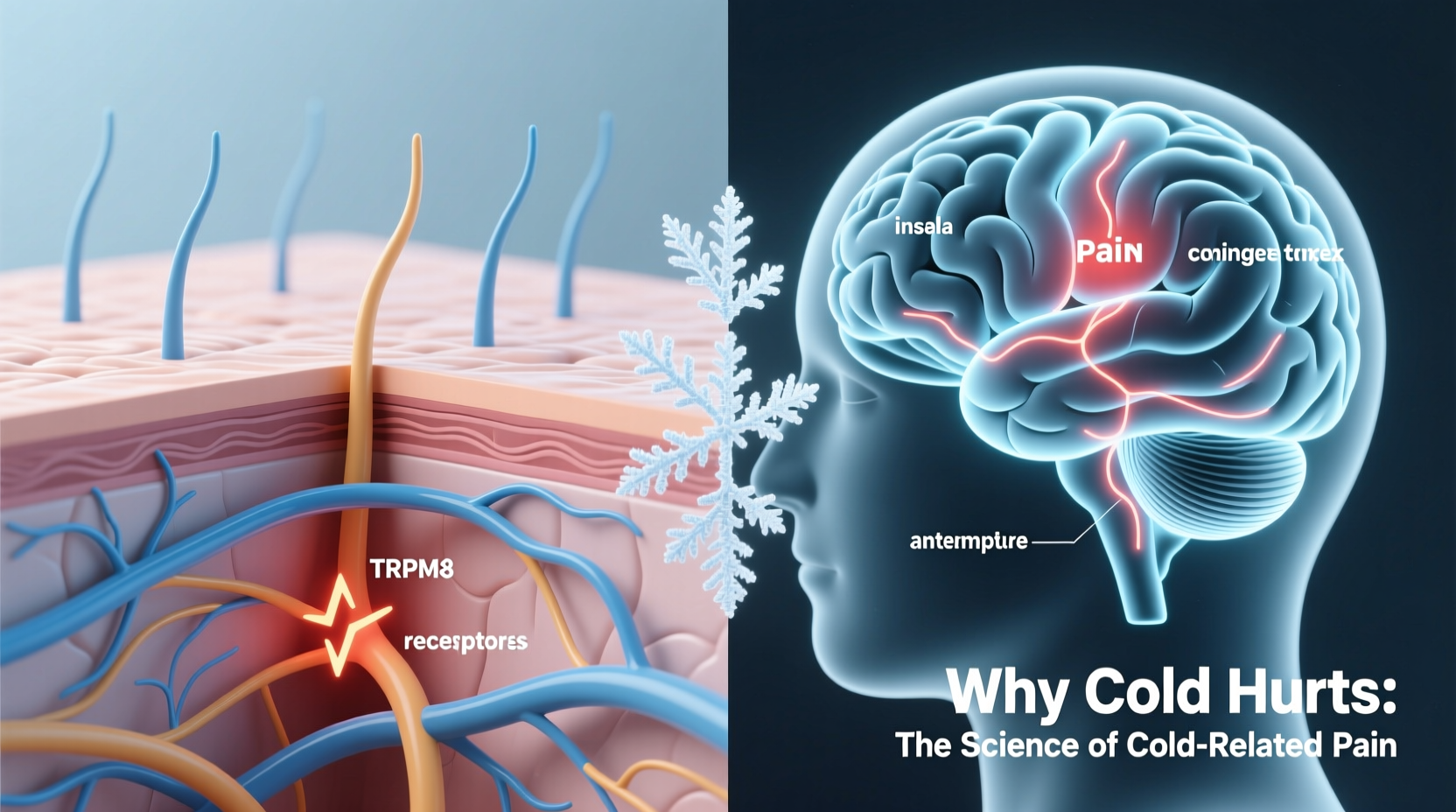
When skin temperature drops, the body initiates a series of protective responses. Blood vessels constrict to reduce heat loss, particularly in extremities like fingers, toes, ears, and nose. This vasoconstriction limits blood flow, which can lead to reduced oxygen delivery and accumulation of metabolic waste products—both of which contribute to pain signals.
Nerve endings also become more excitable in cold environments. The TRPM8 receptor, responsible for detecting cool temperatures, activates when exposed to cold, sending signals to the brain that may be interpreted as discomfort or even pain. In individuals with heightened sensitivity—such as those with neuropathy or chronic pain conditions—this response can be amplified significantly.
Additionally, synovial fluid in joints thickens in lower temperatures, reducing lubrication and increasing friction. This explains why arthritis sufferers often report worsening joint pain during colder months. A 2020 study published in Pain Medicine found that every 10°F (5.6°C) drop in temperature correlated with a measurable increase in self-reported joint pain among osteoarthritis patients.
“Cold doesn’t directly damage tissue in most cases, but it dramatically alters how our nervous system processes sensation—especially in already sensitized pathways.” — Dr. Lena Patel, Neurologist and Pain Specialist
Common Conditions That Amplify Cold-Related Pain
Not everyone experiences cold-induced pain equally. Certain medical conditions make individuals far more susceptible:
- Osteoarthritis and Rheumatoid Arthritis: Joint inflammation worsens with temperature drops due to increased viscosity of joint fluid and heightened nerve sensitivity.
- Fibromyalgia: Widespread musculoskeletal pain is often aggravated by cold, likely due to central nervous system dysregulation.
- Raynaud’s Phenomenon: Small arteries spasm excessively in response to cold, leading to color changes in fingers and toes, numbness, and severe pain.
- Peripheral Neuropathy: Damaged nerves misfire in cold conditions, causing burning, tingling, or electric-like pain.
- Migraine and Headache Disorders: Sudden exposure to cold air can trigger facial or head pain, especially when inhaling frigid air rapidly.
How Weather Changes Influence Pain Perception
Beyond temperature alone, shifts in barometric pressure often precede cold fronts and play a critical role in pain onset. When atmospheric pressure drops, tissues around joints may expand slightly, putting pressure on nerves and inflamed areas. This effect is particularly noticeable before storms or snowfall.
A longitudinal survey conducted by the University of Washington followed over 2,000 chronic pain patients for two years and found that 67% reported increased pain within 12–24 hours of a significant barometric shift—even if temperatures hadn’t yet changed.
| Factor | Effect on Pain | At-Risk Groups |
|---|---|---|
| Low Temperature | Increases muscle tension, joint stiffness | Arthritis, fibromyalgia |
| High Humidity + Cold | Enhances sensation of chill; slows evaporation | Neuropathy, Raynaud’s |
| Barometric Pressure Drop | Tissue expansion near joints triggers pain | Chronic pain, migraines |
| Wind Chill | Accelerates heat loss and skin cooling | All, especially elderly |
Step-by-Step Guide to Managing Cold-Induced Discomfort
While you can't control the weather, you can take proactive steps to minimize its impact on your body. Follow this timeline-based approach during cold seasons:
- Before Going Outdoors: Warm up indoors with light movement (e.g., stretching or walking). Drink warm fluids to raise core temperature.
- Dress Strategically: Wear thermal base layers, insulated gloves, wool socks, and a hat. Cover as much skin as possible.
- Limit Exposure: Avoid prolonged outdoor activity when wind chill is below freezing. Take breaks in heated spaces.
- Upon Returning Indoors: Gradually rewarm—avoid direct heat sources like radiators, which can cause burns in numb areas.
- Evening Routine: Soak in a warm (not hot) bath, use heating pads on stiff joints, and stay hydrated to support circulation.
Real-Life Example: Living with Raynaud’s in Minnesota
Sarah, a 34-year-old graphic designer from Duluth, MN, has experienced Raynaud’s since her early twenties. During winter, her fingers turn white and then blue within minutes of stepping outside, accompanied by intense throbbing pain. “I used to think I was just ‘cold-sensitive,’” she says. “But after fainting once from the shock of cold air hitting my face, I sought help.”
With guidance from her rheumatologist, Sarah now uses chemical hand warmers inside mittens, wears neck gaiters to protect her face, and keeps a thermos of ginger tea at work. She also practices stress-reduction techniques, knowing anxiety can trigger vasospasms. Her pain episodes have decreased by over 70%, proving that targeted interventions make a tangible difference.
Practical Checklist for Cold Weather Comfort
Use this checklist to prepare for cold exposure and reduce pain risk:
- ✅ Check daily weather forecasts, including wind chill and barometric trends
- ✅ Layer clothing using breathable, moisture-wicking materials
- ✅ Protect extremities: wear insulated gloves, thick socks, and a hat
- ✅ Keep indoor spaces warm (ideally 68–72°F / 20–22°C)
- ✅ Stay active to promote circulation—simple indoor exercises help
- ✅ Hydrate adequately; dehydration impairs temperature regulation
- ✅ Consult your doctor if cold pain interferes with daily life
Frequently Asked Questions
Can cold weather permanently damage nerves?
No, typical cold exposure does not cause permanent nerve damage in healthy individuals. However, repeated frostbite or extreme cold injury can lead to long-term neuropathy. People with diabetes or vascular disease are at higher risk and should exercise caution.
Why do my hands hurt more than my feet in the cold?
Hands are more vulnerable because they contain a high density of temperature-sensitive nerve endings and are frequently exposed (e.g., when using phones or opening doors). They also have less muscle mass to generate heat compared to legs and feet.
Is there a way to \"train\" my body to tolerate cold better?
To some extent, yes. Regular exposure to mild cold—like brief cold showers or winter walks—can improve circulatory response over time. However, individuals with cardiovascular issues or autoimmune conditions should consult a physician before attempting such regimens.
Conclusion: Take Control of Cold-Weather Discomfort
Cold-related pain isn’t imaginary—it’s rooted in real physiological changes that affect millions every winter. By understanding how temperature, pressure, and individual health factors interact, you gain the power to anticipate and mitigate discomfort. Whether you're managing a chronic condition or simply seeking relief from seasonal stiffness, small adjustments in routine and preparation can yield significant improvements.




 浙公网安备
33010002000092号
浙公网安备
33010002000092号 浙B2-20120091-4
Comments
No comments yet. Why don't you start the discussion?