
Cornbread is a beloved staple in many kitchens—especially across the American South—where its golden crust and tender crumb make it the perfect companion to chili, barbecue, or a simple pat of butter. But nothing is more disappointing than slicing into a freshly baked loaf only for it to fall apart in your hands. Crumbly cornbread isn’t just messy—it can signal deeper issues in ingredients, ratios, or technique. The good news? Most causes are easily fixable with a few smart adjustments.
Understanding why cornbread crumbles—and how to prevent it—is key to mastering this classic recipe. Whether you're using a trusted family heirloom recipe or a store-bought mix, the principles remain the same: balance moisture, structure, and binding agents to create a cohesive, sliceable loaf.
The Science Behind Cornbread Texture
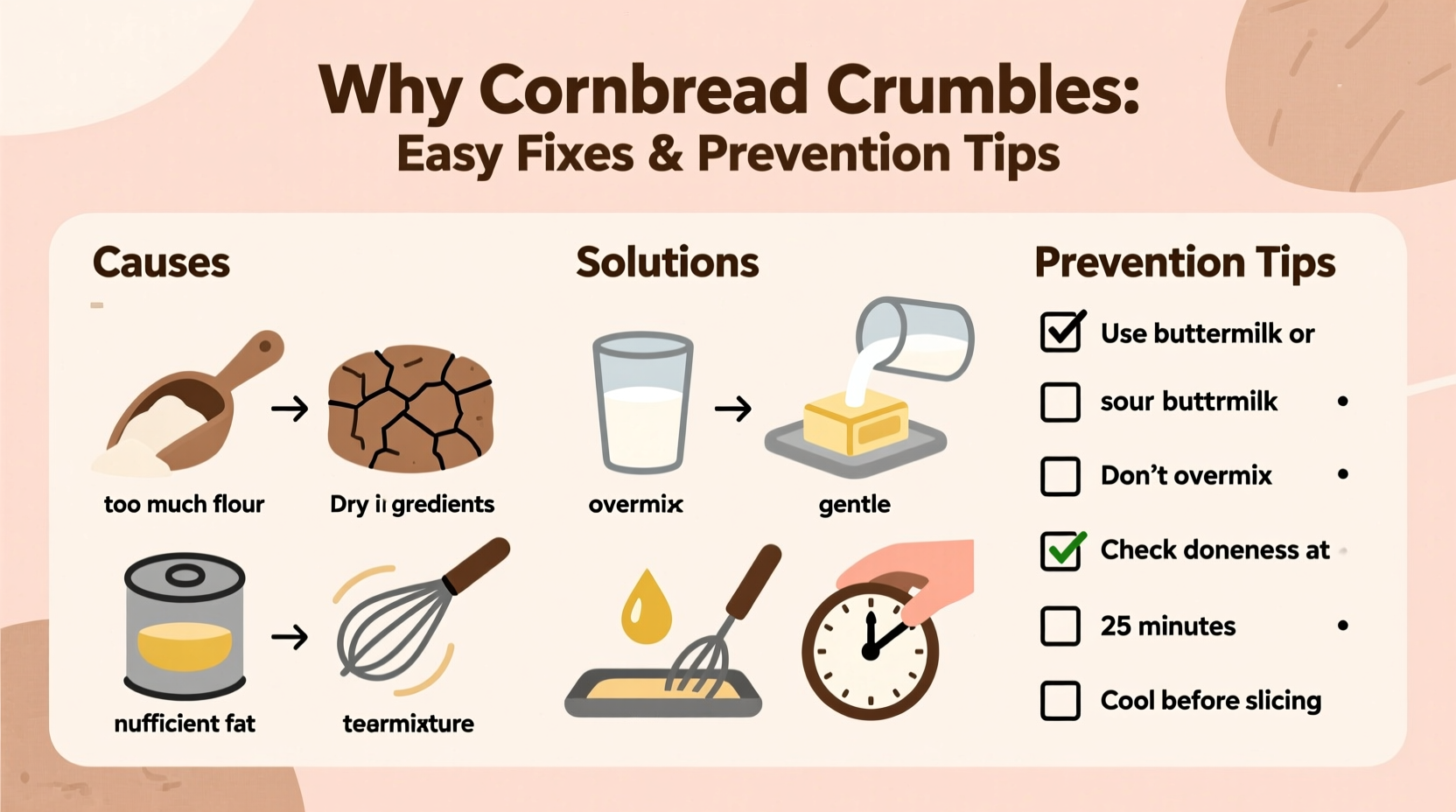
Cornmeal, unlike wheat flour, contains no gluten—the protein network that gives breads their elasticity and structure. This absence means cornbread relies heavily on other ingredients to hold it together. When the balance is off, the result is often dryness, brittleness, and crumbling.
The main structural components in cornbread are:
- Eggs – Act as binders and add moisture.
- Fat (butter, oil, bacon grease) – Contributes tenderness and prevents dryness.
- Liquid (buttermilk, milk, eggs) – Hydrates the cornmeal and activates leavening.
- Leavening agents (baking powder/soda) – Provide lift but can dry out batter if overused.
When any of these elements are missing or imbalanced, the crumb structure weakens, leading to disintegration upon cutting or handling.
Common Causes of Crumbly Cornbread
Before fixing the problem, identify the root cause. Here are the most frequent culprits behind fragile cornbread:
- Too much cornmeal, not enough flour – Pure cornmeal lacks binding power. Many traditional recipes include all-purpose flour (about 50/50 ratio) to improve structure.
- Insufficient fat or liquid – Dry ingredients need moisture. Skimping on buttermilk, eggs, or oil leads to a brittle texture.
- Overbaking – Even an extra 5 minutes in the oven can dry out the edges and center, making slices fall apart.
- Incorrect pan temperature – Pouring batter into a cold pan slows rise and creates uneven texture; a preheated skillet ensures a crisp crust and even bake.
- Poor mixing technique – Overmixing develops toughness; undermixing leaves pockets of dry flour. Mix until just combined.
Do’s and Don’ts for Moist, Cohesive Cornbread
| Do’s | Don’ts |
|---|---|
| Use a 1:1 ratio of cornmeal to all-purpose flour for better structure | Use 100% cornmeal without adding wheat flour unless specifically intended |
| Add at least 1 cup of buttermilk or whole milk per batch | Skip dairy or replace with water, which adds no fat or protein |
| Include 2–3 large eggs for binding and richness | Use only one egg in a standard 8-inch pan recipe |
| Bake in a preheated cast-iron skillet for even heat distribution | Pour batter into a cold pan and expect consistent browning |
| Remove from oven when a toothpick comes out with moist crumbs (not clean) | Wait until the toothpick is completely dry—this means overbaked |
Step-by-Step Fix: How to Rescue and Prevent Crumbly Cornbread
Follow this proven method to consistently produce moist, sliceable cornbread:
- Preheat skillet and oven – Place a cast-iron skillet in a 400°F (200°C) oven for 10 minutes before pouring in batter. This creates instant crust formation and even cooking.
- Balance your dry ingredients – For an 8-inch skillet, use 1 cup cornmeal and 1 cup all-purpose flour. This hybrid approach improves cohesion without sacrificing flavor.
- Use full-fat dairy – Substitute water with buttermilk or whole milk. Buttermilk’s acidity also reacts with baking soda for better rise.
- Add sufficient fat – Melt ¼ cup butter and mix into the batter, or drizzle 2 tablespoons of bacon grease into the hot skillet before adding batter.
- Don’t overmix – Stir wet and dry ingredients just until combined. Lumps are okay; overmixing leads to tunneling and toughness.
- Check early – Start checking doneness at 18 minutes. Insert a toothpick near the center—if it comes out with a few moist crumbs, it’s done. Overbaking dries out the interior.
- Cool properly – Let cornbread rest in the pan for 10–15 minutes before slicing. This allows internal structure to set.
Real Example: From Crumbly Disaster to Perfect Loaf
Sarah, a home cook in Nashville, had struggled for years with her grandmother’s cornbread recipe. Every batch would crumble when sliced, despite following instructions exactly. After tracking her process, she realized she’d switched from a cast-iron skillet to a glass dish and replaced buttermilk with almond milk to “make it healthier.”
She reverted to the original method: preheating a seasoned cast-iron pan, using real buttermilk, and adding an extra egg. She also reduced baking time by 4 minutes. The result? A golden, slightly springy cornbread that held together beautifully when served alongside her smoked brisket. “It finally tasted like my childhood,” she said. “And I could actually pick up a piece without it turning into rubble.”
“Cornbread should be sturdy enough to scoop up beans, not disintegrate on contact.” — Chef Marcus Elliott, Southern Culinary Institute
Expert-Backed Prevention Checklist
Use this checklist before every bake to avoid crumbly outcomes:
- ✅ Use a combination of cornmeal and all-purpose flour (unless making a regional specialty like Southern white cornbread)
- ✅ Include at least 2 large eggs per standard batch
- ✅ Measure liquids accurately—use buttermilk, whole milk, or even cream for richness
- ✅ Preheat your baking vessel (especially cast iron)
- ✅ Avoid overbaking—check for doneness early and often
- ✅ Allow cornbread to cool in the pan for 10–15 minutes before cutting
- ✅ Store leftovers wrapped in a clean towel or beeswax wrap at room temperature for up to 2 days
Frequently Asked Questions
Can I make cornbread without eggs and still prevent crumbling?
Yes, but substitutes must provide binding and moisture. Try flax eggs (1 tbsp ground flax + 3 tbsp water per egg), mashed banana, or commercial egg replacers. Note: texture will be denser, and results vary by recipe.
Why does restaurant cornbread hold together better than homemade?
Many restaurants use higher ratios of flour, added shortening, or even a touch of sugar and xanthan gum to improve texture and shelf stability. Some also incorporate a small amount of sourdough starter or yogurt for improved moisture retention.
Is there a way to fix cornbread that’s already crumbly?
If the cornbread is dry but still edible, repurpose it. Crumble it into stuffing, use it as a topping for casseroles, or blend into cornbread crumbs for breading. Alternatively, serve it in bowls with chili or stew—the moisture helps bind each bite.
Final Thoughts: Bake with Confidence
Crumbling cornbread doesn’t mean failure—it’s a signal that a small adjustment can lead to big improvements. By understanding the role of ingredients, respecting baking times, and using proper tools like a preheated cast-iron skillet, you can consistently produce cornbread that’s golden, moist, and sturdy enough to enjoy with your hands.
Great cornbread isn’t about perfection; it’s about balance. Whether you prefer sweet Northern-style or savory Southern cornbread, the foundation remains the same: respect the science, honor the tradition, and tweak with purpose.




 浙公网安备
33010002000092号
浙公网安备
33010002000092号 浙B2-20120091-4
Comments
No comments yet. Why don't you start the discussion?