
For millions, coffee is a morning ritual—a steaming cup that promises focus, energy, and mental clarity. Yet some people experience the opposite effect: after their first (or second) cup, they feel sluggish, foggy, or even more tired than before. This paradox confuses many who rely on caffeine for productivity. If you've ever asked yourself, \"Why does drinking coffee make me tired instead of alert?\" you're not alone. The answer lies in a complex interplay of biology, timing, dosage, and lifestyle habits. Understanding the mechanisms behind this counterintuitive reaction can help you reclaim the benefits of your daily brew without the crash.
The Science Behind Caffeine and Fatigue
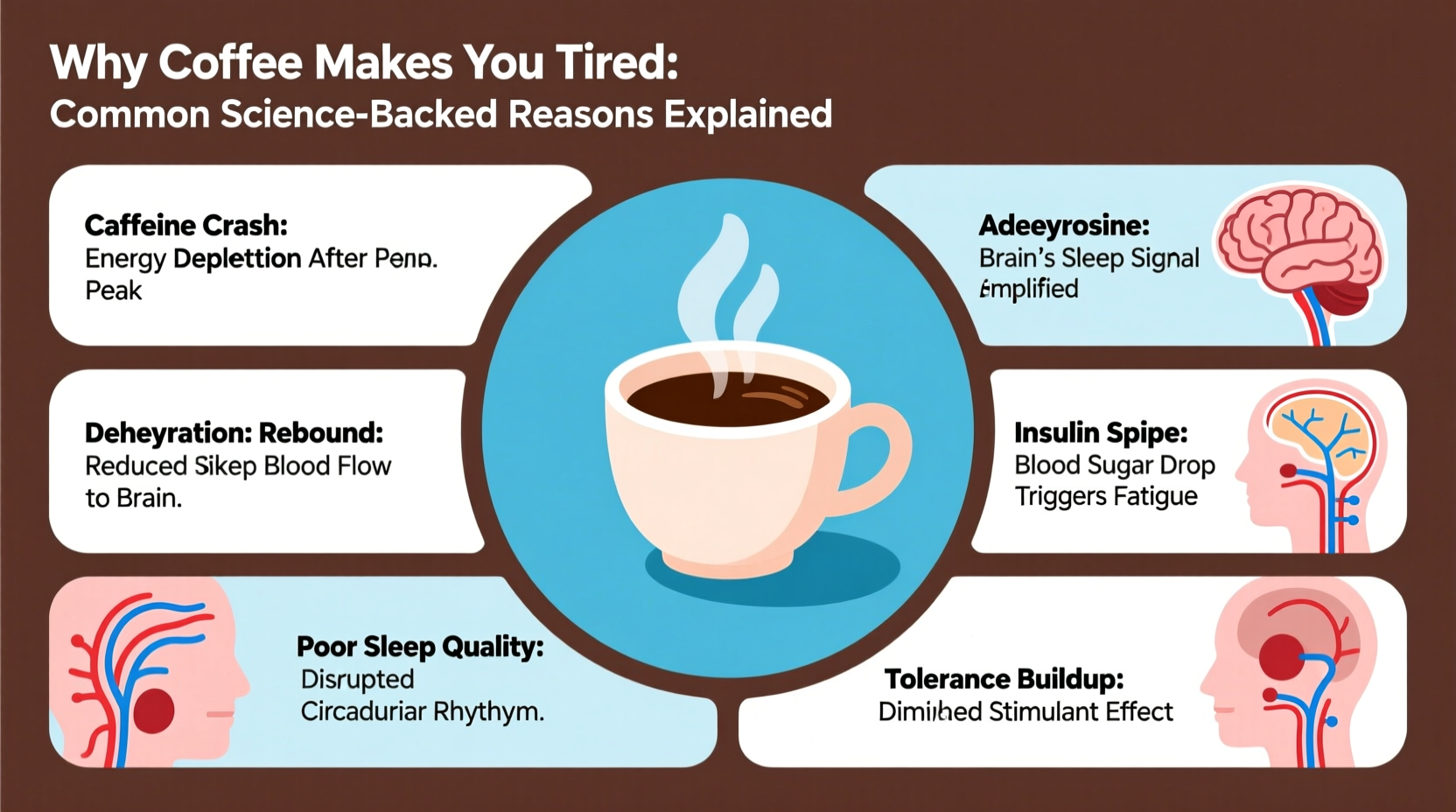
Caffeine works by blocking adenosine receptors in the brain. Adenosine is a neurotransmitter that builds up throughout the day, promoting sleepiness as its levels rise. By binding to adenosine receptors without activating them, caffeine prevents the feeling of drowsiness—temporarily. However, this blockage doesn’t stop adenosine from accumulating. Once caffeine wears off, all that stored-up adenosine floods the receptors at once, leading to a sudden wave of fatigue known as a \"crash.\"
This rebound effect explains why some people feel energized for an hour or two, only to feel worse afterward. It’s not that coffee made them tired—it delayed the inevitable exhaustion until the stimulant cleared from their system. For individuals already sleep-deprived, this crash can be especially severe, creating a cycle where more coffee is consumed to fight the fatigue, only to worsen the next crash.
Adrenal Fatigue and Hormonal Overload
Caffeine stimulates the adrenal glands to release cortisol and adrenaline—hormones associated with alertness and stress response. In moderate amounts, this boost enhances concentration and physical readiness. But when overused, especially under chronic stress, the adrenal system can become dysregulated.
Repeated caffeine intake trains the body to expect stimulation, causing it to downregulate natural energy production. Over time, baseline cortisol levels may drop, making you reliant on external triggers like coffee just to feel normal. When the caffeine effect fades, your body struggles to maintain alertness, resulting in profound tiredness.
Dr. Sarah Johnson, a neuroendocrinologist at the Mind-Body Wellness Institute, explains:
“Chronic caffeine use can mimic constant low-grade stress. The body adapts by suppressing its own arousal systems, so when the caffeine leaves the bloodstream, there's no internal backup. That’s when people feel wiped out.”
This phenomenon is often mistaken for “adrenal fatigue,” though medically it’s better understood as hypothalamic-pituitary-adrenal (HPA) axis dysregulation. The result is the same: dependency on stimulants and increased vulnerability to crashes.
Sugar, Additives, and Blood Sugar Swings
What you add to your coffee matters as much as the caffeine itself. Many people drink lattes, flavored syrups, or sweetened creamers that deliver a surge of sugar along with their caffeine. This combination creates a rapid spike in blood glucose, followed by a sharp insulin response designed to bring levels back down.
When insulin drops blood sugar too quickly, hypoglycemia-like symptoms occur—brain fog, shakiness, irritability, and fatigue. This “sugar crash” often coincides with the fading effects of caffeine, amplifying feelings of exhaustion. You might think coffee is the culprit, but it’s the sugary payload that destabilizes your energy.
| Common Coffee Additive | Approx. Sugar Content (per serving) | Potential Effect on Energy |
|---|---|---|
| Flavored syrup (1 pump) | 5–10g | Rapid spike, then crash |
| Sweetened condensed milk (1 tbsp) | 7g | Moderate spike, possible fatigue |
| Plain black coffee | 0g | Stable alertness, minimal crash |
| Oat milk (unsweetened, 1/4 cup) | 2g | Minimal impact |
To avoid this trap, opt for unsweetened alternatives like almond milk, cinnamon, or a splash of heavy cream. Better yet, try black coffee to isolate caffeine’s true effects.
Dehydration and Electrolyte Imbalance
Coffee is a mild diuretic, meaning it increases urine production. While moderate consumption doesn’t lead to significant dehydration for most people, excessive intake—or drinking coffee without adequate water—can tip the balance. Dehydration impairs circulation, reduces oxygen delivery to the brain, and slows cognitive function.
Even mild dehydration (as little as 1–2% loss of body water) can cause fatigue, headaches, and reduced concentration. If you’re sipping coffee all morning without drinking water, you may unknowingly be dehydrating yourself, undermining caffeine’s stimulating effects.
Individual Sensitivity and Genetic Factors
Not everyone metabolizes caffeine the same way. A gene called CYP1A2 determines how quickly your liver breaks down caffeine. Fast metabolizers process it efficiently, experiencing a clean burst of energy and quick clearance. Slow metabolizers clear caffeine more gradually, leading to prolonged stimulation that can disrupt sleep and cause jitteriness or paradoxical fatigue.
Another factor is the ADORA2A gene, which influences how sensitive your brain is to caffeine. Some variants make individuals more prone to anxiety, insomnia, or post-caffeine crashes. These genetic differences explain why one person thrives on three espressos while another feels drained after half a cup.
A 2019 study published in *Molecular Nutrition & Food Research* found that individuals with certain ADORA2A polymorphisms reported higher levels of fatigue and mood disturbances after caffeine intake, despite similar consumption levels. This suggests biology—not willpower—may dictate how coffee affects your energy.
Timing, Tolerance, and Circadian Rhythm Mismatch
When you drink coffee matters as much as how much. Your body produces cortisol naturally in the morning, peaking around 30–60 minutes after waking. Drinking coffee during this peak window can interfere with your body’s natural alertness signals, reducing caffeine’s effectiveness and potentially desensitizing receptors over time.
Experts recommend waiting 60–90 minutes after waking before consuming caffeine, allowing your endogenous cortisol to do its job. This strategy improves caffeine sensitivity and reduces dependency.
Additionally, regular coffee drinkers develop tolerance. As your brain produces more adenosine receptors to compensate for caffeine’s blockade, you need more caffeine to achieve the same effect. Over time, baseline alertness drops, and without coffee, you feel worse than before. This dependence creates a false sense of benefit—coffee isn’t boosting your energy; it’s merely returning you to neutral.
Step-by-Step Guide to Resetting Your Caffeine Response
- Track your current intake: Note how many cups you drink, when, and what you add.
- Limit daily caffeine to 200–300mg: Roughly 1–2 standard 8oz coffees.
- Delay first cup by 90 minutes after waking: Let natural cortisol rise first.
- Eliminate added sugars: Switch to black coffee or unsweetened options.
- Stay hydrated: Drink water alongside each cup.
- Take a 7-day caffeine break: Replace coffee with herbal tea or water to reset tolerance.
- Reintroduce slowly: Start with half-cups and monitor energy response.
Mini Case Study: From Crash to Clarity
James, a 34-year-old software developer, drank four large coffees daily to stay focused during long coding sessions. Despite this, he regularly felt exhausted by mid-afternoon, relying on naps and energy drinks to finish his workday. After consulting a nutritionist, he discovered his routine was backfiring.
His first coffee came within 15 minutes of waking, clashing with his body’s cortisol peak. He added two tablespoons of sugar to each cup, triggering blood sugar spikes. By week’s end, he was consuming over 600mg of caffeine daily—well above recommended limits.
Following a structured reset plan, James delayed his first coffee, eliminated sugar, reduced intake to one strong cup mid-morning, and drank water consistently. Within two weeks, he reported steadier energy, improved sleep, and no afternoon crashes. His productivity increased without additional caffeine.
Checklist: Optimize Your Coffee Experience
- ✅ Delay first coffee 60–90 minutes after waking
- ✅ Limit total daily caffeine to 300mg or less
- ✅ Avoid sugar, syrups, and artificial creamers
- ✅ Drink 8oz of water per cup of coffee
- ✅ Stop caffeine at least 8 hours before bedtime
- ✅ Consider a weekly caffeine-free day to reduce tolerance
- ✅ Monitor how you feel 2–3 hours after drinking coffee
Frequently Asked Questions
Can coffee make you sleepy immediately after drinking it?
Not directly. However, if you're extremely fatigued or sleep-deprived, caffeine may briefly lift your alertness before revealing underlying exhaustion. Additionally, additives like sugar or dairy can trigger digestive fatigue, creating the illusion of immediate sleepiness.
Is it bad if coffee makes me tired?
It’s not inherently dangerous, but it’s a sign your body is struggling to manage energy. Chronic reliance on caffeine to offset poor sleep or diet can lead to hormonal imbalances, anxiety, and worsening fatigue over time. Addressing root causes—like sleep quality, hydration, and stress—is essential.
How long does a caffeine crash last?
A crash typically lasts 1–3 hours, depending on metabolism, dose, and individual sensitivity. Rehydrating, eating a balanced snack (protein + complex carbs), and light movement can help shorten its duration.
Conclusion: Reclaim Your Energy with Smarter Habits
Coffee doesn’t have to leave you drained. The key is understanding that caffeine is a tool—not a substitute—for real energy. When used strategically, it enhances focus and performance. But when misused, it masks deeper issues like poor sleep, dehydration, or metabolic imbalance.
By adjusting your timing, reducing additives, staying hydrated, and respecting your body’s natural rhythms, you can enjoy coffee’s benefits without the burnout. Start small: delay your first cup tomorrow, skip the sugar, and drink water alongside it. Track how you feel. Over time, these changes can transform your relationship with caffeine—from dependency to empowerment.




 浙公网安备
33010002000092号
浙公网安备
33010002000092号 浙B2-20120091-4
Comments
No comments yet. Why don't you start the discussion?