
It’s a familiar feeling: after a brisk walk, a run, or even a challenging workout, your mood lifts. The weight of stress seems lighter, your thoughts clearer, and a quiet sense of satisfaction settles in. You didn’t just burn calories—you improved your emotional state. But what exactly happens inside your body and brain to create this natural high? Exercise isn't just about physical transformation; it's one of the most effective, accessible tools for enhancing mental health and emotional resilience.
The connection between movement and mood is not anecdotal—it's deeply rooted in biology, neuroscience, and psychology. From ancient civilizations prescribing walking for clarity to modern clinical studies on depression, physical activity consistently emerges as a powerful mood modulator. Understanding the science behind this phenomenon empowers individuals to harness its full potential, not just on good days, but especially during times of emotional strain.
The Neurochemical Symphony Behind the Smile
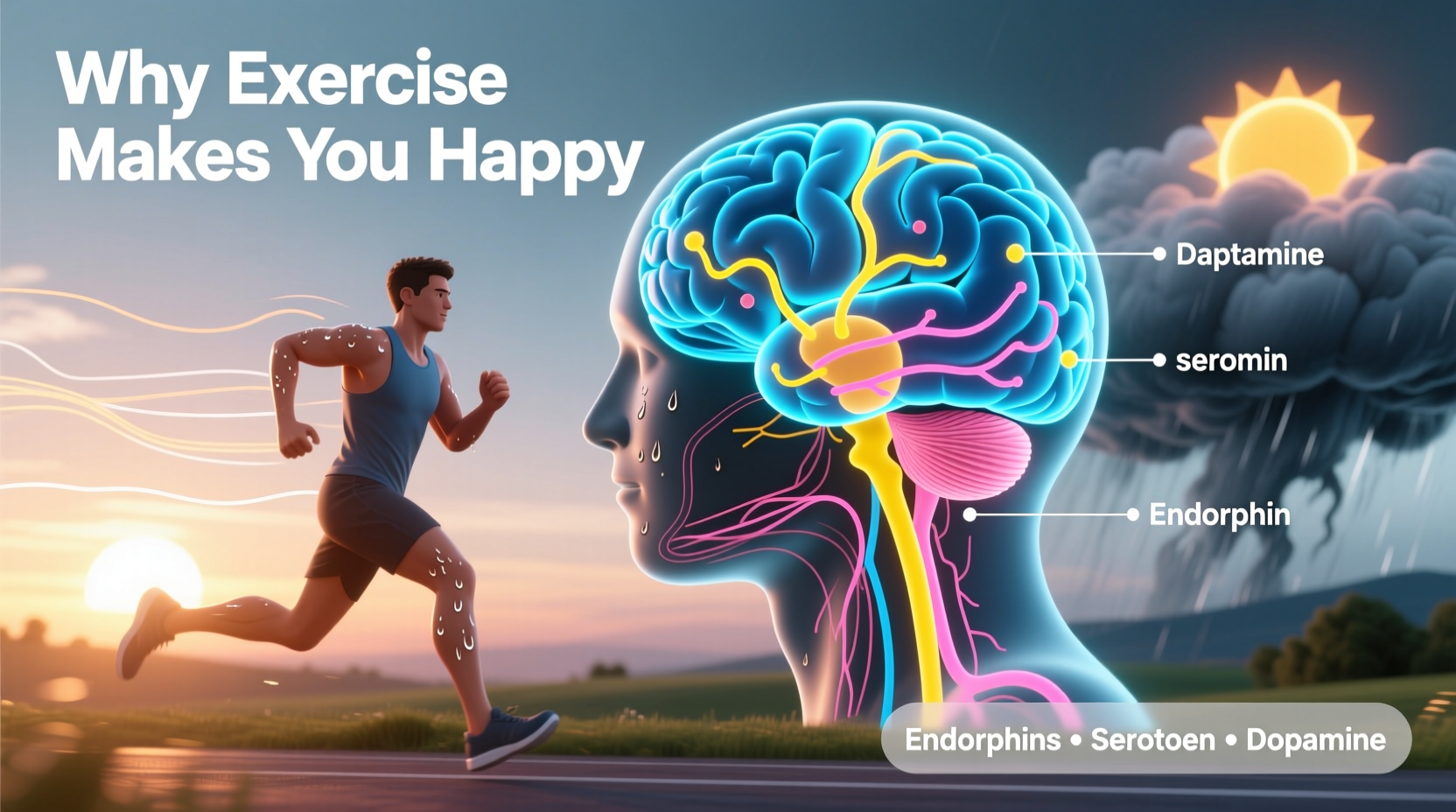
When you move your body, a cascade of neurochemical changes takes place almost immediately. These biochemical shifts are responsible for the immediate feelings of calm, focus, and euphoria many experience post-exercise.
- Endorphins: Often dubbed the body’s natural painkillers and “feel-good” chemicals, endorphins are released in response to physical stress and discomfort. They interact with receptors in the brain to reduce pain perception and trigger positive sensations—sometimes referred to as a \"runner’s high.\"
- Serotonin: A key neurotransmitter linked to mood regulation, sleep, and appetite. Low levels are associated with depression. Exercise increases serotonin production and release, contributing to improved emotional stability and reduced anxiety.
- Dopamine: Central to motivation, reward, and pleasure, dopamine surges during and after physical activity. This reinforces the behavior, making you more likely to repeat it—a built-in incentive system for self-care.
- Norepinephrine: This chemical helps the brain manage stress more effectively by modulating attention and response to emotional stimuli. Exercise elevates norepinephrine levels, enhancing alertness and cognitive resilience.
Unlike pharmaceutical interventions that target single pathways, exercise simultaneously activates multiple systems, creating a holistic effect on brain chemistry.
Long-Term Brain Benefits: Building Emotional Resilience
Beyond the immediate boost, regular exercise induces structural and functional changes in the brain that support long-term mental wellness.
One of the most significant findings in neuroscience is that aerobic exercise promotes neurogenesis—the creation of new neurons—particularly in the hippocampus, a region critical for memory and emotional regulation. A larger, healthier hippocampus is linked to lower risk of depression and anxiety disorders.
Additionally, consistent physical activity enhances neuroplasticity, the brain’s ability to adapt and reorganize itself. This means better coping mechanisms during stress, faster recovery from negative emotions, and greater emotional flexibility.
“Exercise is medicine for the mind. It doesn’t just alleviate symptoms of depression and anxiety—it can prevent them by reshaping the brain’s architecture.” — Dr. John Ratey, Associate Clinical Professor of Psychiatry, Harvard Medical School
Psychological and Behavioral Mechanisms at Play
The mood-enhancing effects of exercise extend beyond biology. Psychological factors contribute significantly to the emotional uplift experienced after physical activity.
Completing a workout provides a tangible sense of accomplishment. In a world where many goals feel distant or abstract, finishing a 30-minute session offers immediate, measurable success. This builds self-efficacy—the belief in one’s ability to achieve goals—which is strongly linked to improved mood and reduced helplessness.
Exercise also serves as a form of mindfulness. Whether you're focusing on your breath during a swim or synchronizing movement in a dance class, physical activity anchors attention in the present moment. This meditative quality reduces rumination—the repetitive, negative thinking pattern common in depression and anxiety.
Moreover, outdoor exercise amplifies these benefits. Exposure to natural light regulates circadian rhythms and boosts vitamin D, both of which influence mood. Green spaces have been shown to reduce cortisol (the stress hormone) and promote relaxation.
Step-by-Step Guide to Harnessing Exercise for Mood Enhancement
You don’t need to train for a marathon to benefit emotionally. The key is consistency and finding activities you enjoy. Follow this practical timeline to integrate mood-boosting movement into your life:
- Week 1: Start Small – Commit to 10–15 minutes of light activity daily (e.g., walking, stretching). Focus on building the habit, not intensity.
- Week 2–3: Increase Duration – Gradually extend sessions to 20–30 minutes. Try adding intervals (e.g., walk 2 minutes, brisk walk 1 minute).
- Week 4: Introduce Variety – Explore different forms of movement: cycling, yoga, strength training, or dancing. Variety prevents boredom and engages different muscle groups.
- Week 5+: Establish Routine – Aim for at least 150 minutes of moderate-intensity exercise per week, as recommended by the World Health Organization. Schedule workouts like appointments.
- Ongoing: Track & Reflect – Keep a simple journal noting your mood before and after exercise. Over time, patterns will emerge, reinforcing motivation.
Mood-Boosting Exercises: A Comparison
| Exercise Type | Mood Benefit | Best For | Time Needed |
|---|---|---|---|
| Aerobic (running, cycling) | Immediate endorphin release, energy boost | Stress relief, mental clarity | 20–30 min |
| Yoga/Pilates | Reduced anxiety, improved mindfulness | Emotional regulation, flexibility | 15–45 min |
| Strength Training | Increased confidence, sense of mastery | Building self-efficacy | 30 min |
| Outdoor Walking | Natural mood lift, reduced rumination | Depression prevention, relaxation | 20+ min |
| Dance/Fun Movement | Dopamine surge, joy activation | Combatting low motivation | 10–30 min |
Real-Life Example: Maria’s Morning Walk Transformation
Maria, a 42-year-old office worker, struggled with persistent low mood and fatigue. She felt overwhelmed by work and disconnected from her usual interests. Her doctor suggested lifestyle changes alongside therapy. Reluctant at first, Maria began taking a 20-minute walk each morning.
Within two weeks, she noticed subtle shifts: she slept better, felt less irritable, and found herself looking forward to the walk. By week six, colleagues commented on her improved demeanor. Maria wasn’t just moving her body—she was rebuilding her mental rhythm. The walk became a non-negotiable part of her day, a time to breathe, reflect, and reset. What started as a prescription evolved into a sustainable source of joy.
Common Myths About Exercise and Mood
- Myth: You need intense workouts to feel better.
Truth: Light to moderate activity is often more effective for mood, especially when starting out. - Myth: Benefits only last during the workout.
Truth: Improved sleep, reduced anxiety, and better focus can persist for hours or days. - Myth: Exercise replaces therapy or medication.
Truth: It complements treatment but should not replace professional care when needed.
Frequently Asked Questions
Can exercise really help with depression?
Yes. Numerous studies show that regular physical activity can be as effective as antidepressants for mild to moderate depression. It works best when combined with other treatments like therapy, especially for severe cases.
What if I don’t feel motivated to exercise when I’m sad?
This is common. Start with micro-movements: stand up and stretch, walk around the block, or dance to one song. Action often precedes motivation—beginning the activity usually leads to increased energy and willingness to continue.
How quickly will I notice mood improvements?
Some people feel better immediately after a single session. Others notice gradual changes over 2–4 weeks of consistent effort. Tracking your mood can help identify personal patterns.
Conclusion: Move Your Body, Elevate Your Mind
Exercise is not a luxury or a punishment for eating too much—it’s a fundamental pillar of mental health. Its ability to elevate mood, sharpen focus, and build emotional resilience is backed by decades of scientific research and lived human experience. The beauty lies in its accessibility: no special equipment, gym membership, or expertise is required. All it takes is movement, repetition, and a willingness to show up for yourself.




 浙公网安备
33010002000092号
浙公网安备
33010002000092号 浙B2-20120091-4
Comments
No comments yet. Why don't you start the discussion?