
Suddenly, your favorite dish doesn’t taste the same. The rich tomato sauce lacks depth. Coffee feels flat. A once-refreshing salad now seems bland. You’re not imagining it—food really can taste different over time, and the reasons range from biological shifts to environmental influences. Understanding these changes is key to regaining enjoyment at the table or adapting to new realities in your sensory experience.
Taste isn't just about the tongue—it's a complex interplay of smell, texture, memory, and even mood. When any part of this system changes, so does your perception of flavor. Whether temporary or long-term, altered taste affects nutrition, satisfaction, and quality of life. This article explores the science behind taste variation, identifies common causes, and offers practical solutions for managing or adjusting to a changed palate.
The Science Behind Taste Perception
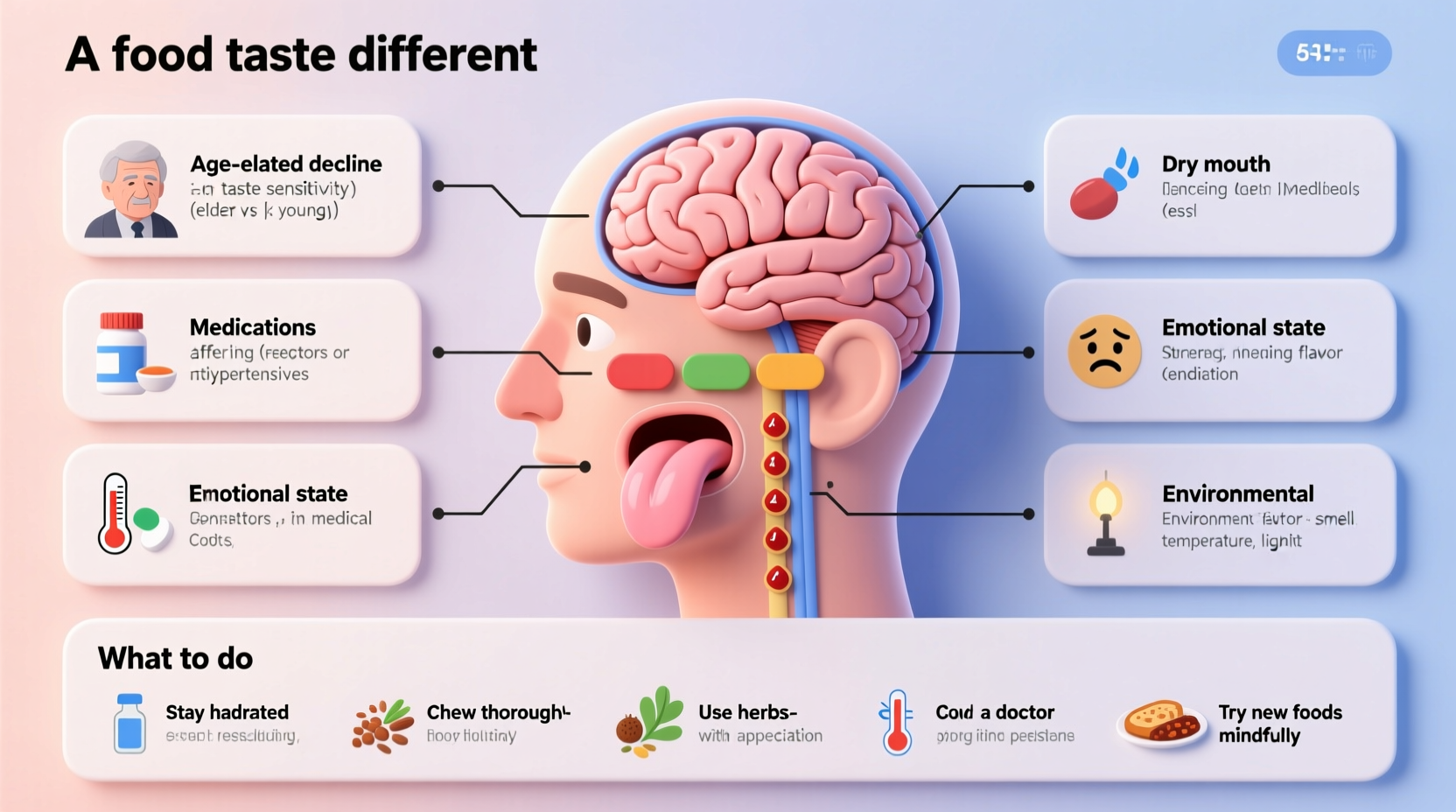
Taste begins on the tongue, where roughly 2,000 to 5,000 taste buds detect five primary flavors: sweet, salty, sour, bitter, and umami (savory). But true flavor comes from a fusion of taste and smell. Olfactory receptors in the nose contribute up to 80% of what we perceive as taste. That’s why food often seems “off” when you have a cold—the loss of smell dulls flavor dramatically.
Beyond the senses, brain chemistry, age, medications, and oral health all influence how food is processed neurologically. Even psychological factors like stress or nostalgia play a role. For example, a childhood meal eaten during a joyful family gathering may be remembered as more delicious than its actual composition warrants.
Common Causes of Altered Taste
When food tastes different, it’s usually due to one or more underlying factors. These can be grouped into physiological, medical, environmental, and lifestyle categories.
1. Age-Related Changes
After age 50, taste bud regeneration slows, and sensitivity to sweet, salty, and bitter flavors gradually declines. Smell also weakens with age, compounding the effect. Older adults may find themselves adding more salt or sugar without realizing it, increasing health risks.
2. Illness and Infections
Upper respiratory infections like colds, flu, and especially COVID-19 are frequent culprits. Viral damage to olfactory neurons can cause temporary or prolonged loss of smell (anosmia), leading to distorted or diminished taste. Some patients report foods tasting metallic, rotten, or chemically after recovery—a condition known as parosmia.
“Post-viral olfactory dysfunction is one of the most common yet underrecognized causes of taste disturbance. Recovery can take weeks to months, but improvement is possible.” — Dr. Sarah Kim, Neurotologist at Boston Smell and Taste Clinic
3. Medications and Medical Treatments
Over 250 commonly prescribed drugs list taste alteration as a side effect. These include antibiotics, blood pressure medications, antidepressants, and chemotherapy agents. Chemotherapy, in particular, often causes a metallic taste (dysgeusia) due to saliva changes and nerve impact.
4. Oral Health Issues
Gum disease, dry mouth (xerostomia), dental infections, or poorly fitting dentures interfere with taste by reducing saliva flow or introducing bacteria that alter flavor perception. Saliva helps dissolve food chemicals so they can reach taste receptors—without it, food feels chalky or tasteless.
5. Environmental and Lifestyle Factors
- Diet monotony: Eating the same foods daily reduces sensory excitement, making meals seem bland.
- Nasal congestion: Allergies or sinus issues block odor molecules from reaching the olfactory epithelium.
- Smoking: Long-term smoking dulls taste buds and impairs smell.
- Pollution and chemicals: Prolonged exposure to certain industrial fumes or pesticides may damage olfactory pathways.
What You Can Do: Practical Solutions
Depending on the cause, some taste changes are reversible. Others require adaptation. Here’s how to respond effectively.
Step-by-Step Guide to Regaining Flavor
- Identify the trigger: Review recent illnesses, new medications, or dental work.
- Consult a healthcare provider: Rule out deficiencies (e.g., zinc, vitamin B12) or treatable conditions like sinusitis.
- Practice smell training: Twice daily, sniff strong essential oils (lemon, rose, clove, eucalyptus) for 20 seconds each to stimulate olfactory recovery.
- Optimize oral hygiene: Brush teeth and tongue twice daily, stay hydrated, and use alcohol-free mouthwash.
- Adjust cooking techniques: Use herbs, spices, citrus zest, and umami-rich ingredients (like mushrooms or soy sauce) to boost flavor without excess salt or sugar.
Checklist: Improving Taste Sensitivity
- ✔️ Stay well-hydrated throughout the day
- ✔️ Avoid smoking and limit alcohol
- ✔️ Use varied textures (crunchy, creamy) to enhance eating experience
- ✔️ Eat in distraction-free environments to focus on flavor
- ✔️ Try zinc supplements only under medical supervision (deficiency may affect taste)
- ✔️ Replace old spices—aged seasonings lose potency
Real-Life Example: Recovering From Post-COVID Taste Distortion
Mark, a 42-year-old teacher, lost his sense of smell and taste after contracting COVID-19 in early 2023. For three months, food tasted like cardboard. Coffee smelled like sewage, and fruit had a chemical aftertaste. Discouraged, he ate mostly plain carbohydrates out of necessity.
His ENT specialist recommended smell training and dietary adjustments. Mark began sniffing rose and lemon oils daily and incorporated fresh herbs, garlic, and textured foods like roasted vegetables and nuts. By month five, subtle flavors returned. He started enjoying meals again, though coffee still required extra cream and sugar. His story highlights that patience and targeted strategies can lead to meaningful recovery—even if full restoration takes time.
Do’s and Don’ts: Managing Taste Changes
| Do’s | Don’ts |
|---|---|
| Add acidity (lemon juice, vinegar) to brighten dishes | Over-salt or over-sweeten food to compensate |
| Eat smaller, more frequent meals if appetite drops | Ignore persistent changes lasting more than 3–4 weeks |
| Use visual appeal—colorful plates increase perceived flavor | Smoke or vape, which further dull taste |
| Keep a food journal to track taste patterns | Assume the change is permanent without medical evaluation |
Frequently Asked Questions
Can dehydration make food taste weird?
Yes. Dehydration reduces saliva production, which is essential for dissolving food compounds and activating taste receptors. Dry mouth can cause a metallic or bitter taste and reduce overall flavor intensity. Drinking water regularly, especially before meals, can help restore normal taste function.
Why does everything taste metallic suddenly?
A metallic taste (dysgeusia) can result from medications, dental work, pregnancy, or exposure to certain metals. It’s also common during chemotherapy and after viral infections. If persistent, consult a doctor to rule out underlying conditions such as kidney disease or neurological disorders.
Is it normal for taste to change with age?
Yes. Starting around age 60, people naturally experience a decline in taste bud sensitivity and olfactory function. Foods may seem blander, prompting increased use of salt or sugar. To counter this, emphasize aromatic herbs, varied textures, and umami-rich ingredients rather than relying on sodium.
Conclusion: Reclaiming the Joy of Eating
Food is more than fuel—it’s culture, comfort, and connection. When taste changes, it can feel like losing a vital part of life. But most causes are manageable with awareness and action. Whether you're recovering from illness, adjusting to medication, or navigating aging, small changes in diet, hygiene, and habits can significantly improve your experience of flavor.
Don’t suffer in silence. Track symptoms, seek professional guidance when needed, and experiment with cooking methods that awaken your senses. Your palate may never return exactly to how it was—but with care, it can still enjoy deep, satisfying meals.




 浙公网安备
33010002000092号
浙公网安备
33010002000092号 浙B2-20120091-4
Comments
No comments yet. Why don't you start the discussion?