
Color-treated hair often starts with a vibrant, salon-fresh look—cool blondes, rich caramels, or bold fashion shades that turn heads. But within weeks, many people notice an unwelcome shift: their once-perfect color begins to develop warm, orange, or yellow undertones. This phenomenon, commonly known as \"brassiness,\" frustrates even the most dedicated haircare enthusiasts. Understanding the science behind brassiness and mastering toning techniques can transform your color maintenance routine from reactive damage control into proactive, salon-quality care.
The Science Behind Brassy Hair
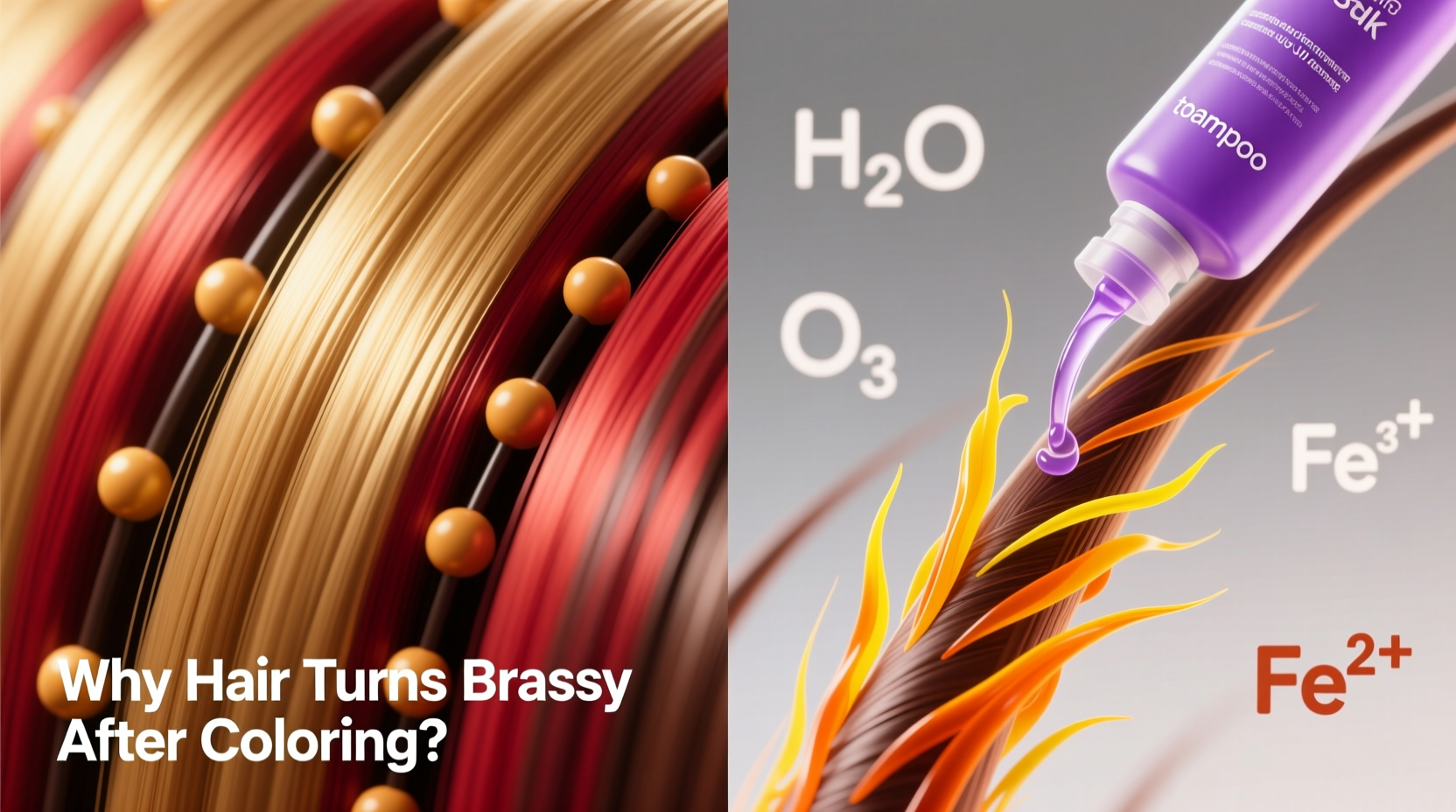
When hair is lightened during a coloring process, whether through bleaching or permanent dye, the natural pigment inside the hair shaft is lifted. This process removes melanin—the pigment responsible for brown and black tones—but doesn’t eliminate underlying warm pigments like red, orange, and yellow. These warm undertones are chemically more stable and harder to break down than cooler pigments, which is why they become increasingly visible as the hair lightens.
Imagine hair as a layered structure. The outer cuticle protects the cortex, where color resides. When bleach or developer opens the cuticle to lift pigment, it also weakens the hair’s integrity. As the cuticle remains slightly raised post-coloring, it reflects light differently—often amplifying warm reflections. Additionally, environmental exposure, heat styling, and mineral buildup in water can further oxidize the remaining pigments, intensifying brassiness over time.
“Brassiness isn’t a flaw—it’s chemistry. Lightening any dark base inevitably reveals warm undertones. The key is neutralizing them, not fighting them.” — Dr. Lena Reyes, Trichologist & Color Formulation Specialist
Why Cool Tones Fade First
Artificial cool tones in hair color—such as ash, beige, or violet—are typically deposited on top of the natural or lightened base. These pigments are smaller and less stable than warm ones, making them more susceptible to washing out. Every shampoo session strips away some of these surface-level cool molecules, gradually revealing the warm underlayers beneath.
Water quality plays a significant role here. Hard water contains minerals like copper, iron, and chlorine, which bind to damaged hair and create a yellowish cast. Even swimmers regularly exposed to chlorinated pools report rapid brassy shifts due to oxidation of metal ions in water reacting with lightened hair.
How to Neutralize Brassiness: The Color Wheel Principle
The foundation of toning lies in color theory. On the color wheel, opposite hues cancel each other out. Since brassy tones are primarily yellow, orange, or red, the solution involves applying their complementary colors—violet, blue, or green—to neutralize the warmth.
- Yellow tones are neutralized with violet or purple.
- Orange tones require blue-based toners.
- Red or coppery tones need green or ash-gray correctors.
This principle guides both professional treatments and at-home products. For example, purple shampoos contain violet pigments that deposit subtly with each wash, counteracting yellow tones in blonde or gray hair. Similarly, blue toning shampoos are formulated for darker blondes or light browns leaning toward orange.
Toner Types and Their Uses
| Toner Type | Best For | Application Time | Key Ingredients |
|---|---|---|---|
| Purple Shampoo/Conditioner | Yellow brassiness in blonde, silver, or white hair | 5–15 minutes (2–3x/week) | Violet pigments, keratin, UV filters |
| Blue Shampoo | Orange tones in light brown or honey blonde | 3–10 minutes (1–2x/week) | Blue-violet dyes, argan oil |
| Deposit-Only Toner (Salon) | Precise correction of mid-level brassiness | 10–20 minutes | Low-ammonia dye, conditioning agents |
| Glaze/Treatment Gloss | Enhancing shine and subtle tone adjustment | 5–10 minutes | Semi-permanent color, silicones |
Step-by-Step Guide to At-Home Toning
Correcting brassiness at home is achievable with consistency and the right approach. Follow this timeline to maintain cool, balanced tones between salon appointments.
- Assess Your Tone (Day 1): Stand in natural light and identify the dominant brassiness—yellow, orange, or red. This determines your toner choice.
- Clarify (Day 2): Use a clarifying shampoo to remove product buildup and open the cuticle evenly. Avoid overuse—once every 2–4 weeks is sufficient.
- Apply Corrective Shampoo (Days 3, 5, 7): Lather purple or blue shampoo, leave on for 5–10 minutes (longer for stronger results), then rinse. Do not use daily—over-toning can result in dullness or gray cast.
- Deep Condition (After Each Wash): Moisturize with a sulfate-free conditioner to seal the cuticle and lock in tone.
- Weekly Gloss Treatment (Day 7+): Apply a clear or tinted gloss to refresh shine and extend toning effects.
Avoiding Common Toning Mistakes
Even with the best intentions, improper toning can worsen brassiness or damage hair. Here are frequent errors and how to avoid them:
- Overusing purple shampoo: Daily application can lead to excessive violet deposits, resulting in ashy or grayish hair that lacks vibrancy.
- Using expired or low-quality products: Pigments degrade over time. Check expiration dates and store products away from heat.
- Applying toner to dirty hair: Oil and residue prevent even pigment distribution. Always start with clean, damp hair.
- Ignoring porosity: Highly porous hair absorbs toner unevenly, leading to patchy results. Use a porosity test by placing a strand in water—if it sinks fast, it's porous and may need protein treatments first.
Do’s and Don’ts of Toning
| Do’s | Don’ts |
|---|---|
| Use cool water when rinsing to seal the cuticle | Wash with hot water, which opens the cuticle and fades color |
| Wear gloves when applying toner to avoid staining skin | Leave toner on longer than recommended—timing is critical |
| Pair toning with UV-protectant sprays | Expose treated hair to direct sun without protection |
| Rotate between toning and hydrating masks | Use clarifying shampoo weekly—it strips color rapidly |
Real Example: From Brassy to Balanced
Samantha, a 32-year-old graphic designer, transitioned her dark brown hair to platinum blonde over six months. After her third bleach session, she noticed strong orange-yellow tones emerging within two weeks. Frustrated, she began using a popular purple shampoo daily, hoping for faster results. Instead, her hair turned patchy with uneven grayish spots and felt brittle.
She consulted her colorist, who explained that over-toning had caused pigment overload and that her hair was highly porous from repeated bleaching. The solution? A two-phase plan: first, a protein treatment to strengthen the hair, followed by bi-weekly use of a diluted purple shampoo (mixed with conditioner) and a monthly salon glaze. Within three weeks, her hair regained evenness and luminosity. “I learned that patience and balance matter more than intensity,” Samantha said.
When to See a Professional
While at-home toning works well for mild brassiness, severe discoloration or unpredictable results often require professional intervention. If you experience any of the following, schedule a visit with a licensed colorist:
- Green or gray patches after toning
- Excessive dryness or breakage
- Inconsistent tone across sections
- Desire to change base color (e.g., from brassy blonde to cool ash)
Professionals use demi-permanent or semi-permanent toners with precise pH levels to correct tone without further damage. They can also perform a strand test to predict how your hair will react to different pigments.
Checklist: How to Prevent and Fix Brassy Hair
- ✅ Identify your brassiness type (yellow, orange, red)
- ✅ Choose the correct toner based on color theory
- ✅ Use a water filter or swim cap in chlorinated pools
- ✅ Limit shampooing to 2–3 times per week with sulfate-free formulas
- ✅ Incorporate purple or blue shampoo 1–3 times weekly (as needed)
- ✅ Deep condition after every color service
- ✅ Schedule a gloss or toning treatment every 4–6 weeks
- ✅ Protect hair from UV rays with sprays or hats
Frequently Asked Questions
Can I use purple shampoo on brown hair?
Purple shampoo is most effective on light blonde, gray, or silver hair. On dark brown hair, violet pigments won’t deposit visibly. However, if you have highlights or balayage, applying it only to the lighter pieces can help maintain their tone.
How long does it take for a purple shampoo to work?
Most users notice a reduction in yellow tones after 2–3 uses. Significant results typically appear within 1–2 weeks of consistent use. Leaving the shampoo on for longer (up to 15 minutes) can accelerate results, but should be done cautiously to avoid over-toning.
Is toning bad for my hair?
When done correctly, toning is safe and non-damaging. Most toners—especially shampoos and glazes—use low or zero ammonia and are designed to enhance hair appearance. However, frequent use of strong toners or incorrect pH levels can cause dryness, so moderation and proper aftercare are essential.
Maintain Your Color With Confidence
Brassy hair is not a failure—it’s a predictable stage in the life cycle of color-treated hair. By understanding the causes and applying targeted toning strategies, you can keep your color looking fresh, cool, and intentional. Whether you're managing subtle warmth or correcting intense brassiness, the tools and knowledge are within reach. Consistency, proper product selection, and respect for your hair’s condition make all the difference.




 浙公网安备
33010002000092号
浙公网安备
33010002000092号 浙B2-20120091-4
Comments
No comments yet. Why don't you start the discussion?