
Honey has been cherished for centuries not only for its sweet flavor but also for its long shelf life and natural properties. Yet, many people are surprised when their smooth, golden honey begins to harden into a grainy, solid state. This transformation—commonly referred to as crystallization—is completely natural and does not indicate spoilage. Understanding why honey turns to sugar crystals, the factors influencing this process, and how to manage it empowers consumers and beekeepers alike to preserve honey’s quality and usability.
The Science Behind Honey Crystallization
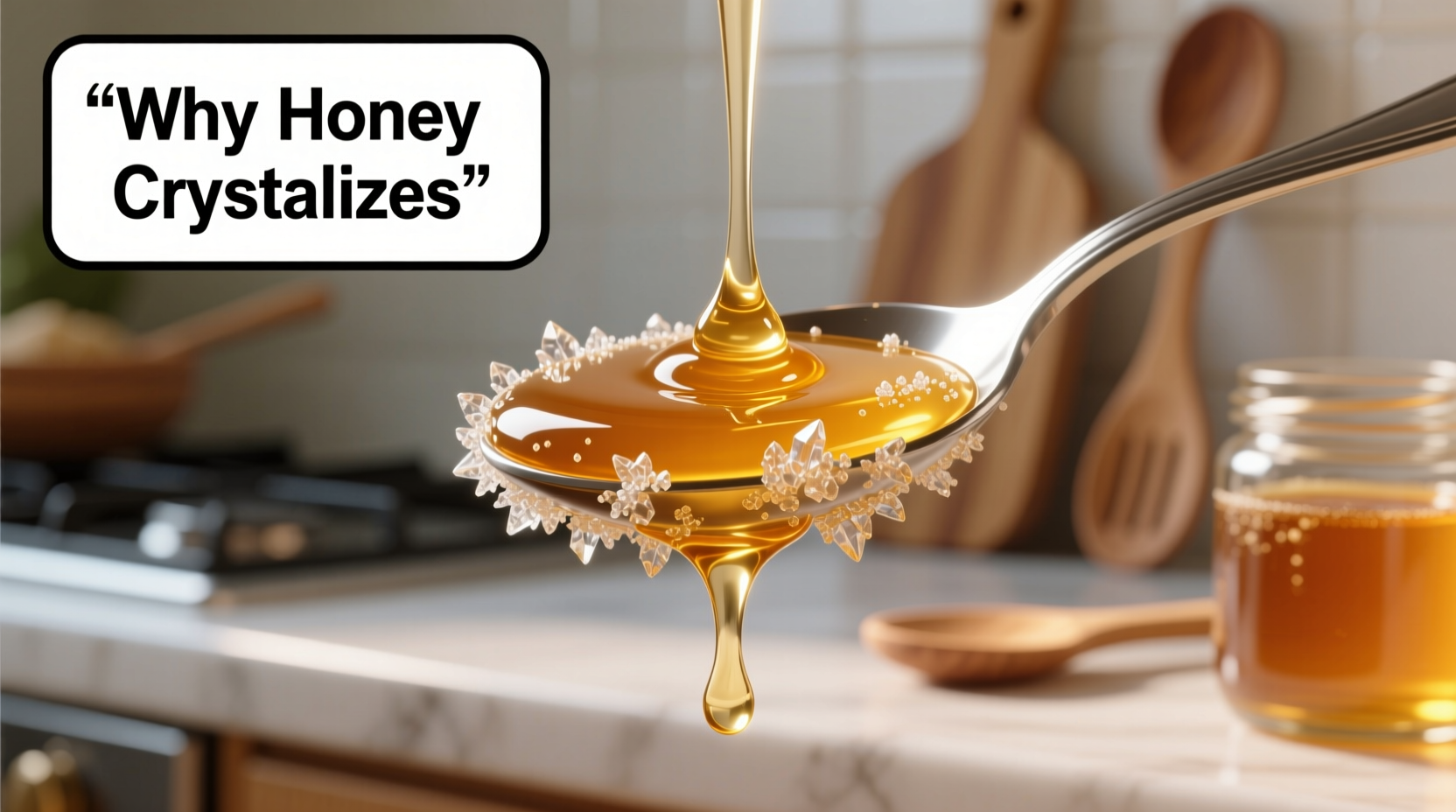
Honey is a supersaturated solution of sugars, primarily glucose and fructose, suspended in a small amount of water. The ratio of these two sugars varies depending on the floral source, and this variation plays a crucial role in how quickly honey crystallizes. Glucose is less soluble than fructose, so honeys with higher glucose content tend to crystallize faster.
When honey is harvested, it remains in a liquid state due to the energy and motion within the solution. Over time, especially under cooler conditions, glucose molecules begin to separate from the solution and form tiny crystals. These initial crystals act as nucleation sites, encouraging more glucose to deposit around them, eventually leading to widespread crystallization throughout the jar.
This process is entirely physical, not chemical. No new compounds are formed, and the nutritional value, flavor, and safety of honey remain unchanged. In fact, many cultures prefer crystallized honey for spreading or cooking because of its thicker consistency.
“Crystallization is a sign of pure, unadulterated honey. It means minimal processing and no added water or preservatives.” — Dr. Alan Thompson, Apiculture Researcher, University of Vermont
Key Factors That Cause Honey to Crystallize
While all honey will eventually crystallize, the speed and texture depend on several environmental and compositional factors:
- Glucose-to-fructose ratio: Honeys like clover, alfalfa, and dandelion have high glucose levels and crystallize within weeks. Acacia or tupelo honey, rich in fructose, may stay liquid for over a year.
- Temperature: Cool storage (below 50°F / 10°C) accelerates crystallization. Room temperature (around 70°F / 21°C) slows it down, while excessive heat degrades quality.
- Presence of seed crystals: Tiny particles such as pollen, beeswax, or micro-crystals introduced during handling can trigger crystallization.
- Moiré patterns from stirring: Repeated agitation introduces air and promotes crystal formation, especially if done at lower temperatures.
- Moisture content: Honey with moisture above 18% is more prone to fermentation, but low moisture increases supersaturation, raising crystallization risk.
Do’s and Don’ts of Handling Crystallized Honey
| Do | Don't |
|---|---|
| Store honey in glass jars with tight lids | Keep honey in metal containers (can react with acids) |
| Use warm water to gently liquefy crystallized honey | Heat honey above 110°F (43°C) regularly (destroys enzymes and aroma) |
| Stir slowly after warming to maintain uniformity | Use microwaves or direct stovetop heat (causes scorching and nutrient loss) |
| Buy raw, unfiltered honey for maximum benefits | Assume crystallization means honey is expired or spoiled |
| Label your honey with harvest date and floral type | Freeze honey unless long-term storage is needed (freezing slows but doesn’t stop crystallization) |
How to Decrystallize Honey Safely and Effectively
If your honey has turned solid, there's no need to discard it. With gentle care, you can return it to its liquid state without compromising quality. Here’s a step-by-step guide:
- Remove the lid: Open the container slightly to prevent pressure buildup.
- Prepare a warm water bath: Fill a pot with water and heat it to between 95°F and 104°F (35–40°C). Never use boiling water.
- Submerge the jar: Place the honey container in the water, ensuring the level is below the rim to avoid contamination.
- Wait patiently: Allow 20–30 minutes for heat to transfer. Stir gently every 10 minutes to encourage even melting.
- Repeat if necessary: For fully crystallized honey, you may need to repeat the process once or twice.
- Store properly afterward: Once liquefied, keep honey at room temperature and minimize exposure to cold areas like refrigerators.
For large batches, some beekeepers use specialized warming cabinets set to 95°F (35°C), which slowly reverse crystallization over 24–48 hours without damaging delicate compounds.
Real Example: A Beekeeper’s Experience with Crystallization
Sarah Lin, a small-scale apiarist in Oregon, noticed that her customers often returned spring-harvested wildflower honey, concerned it had “gone bad” due to crystallization. After surveying buyers, she found nearly 60% didn’t understand the process. In response, Sarah began including a simple instruction card with each jar explaining crystallization and offering tips to re-liquefy the honey.
She also adjusted her extraction method—filtering less aggressively to retain fine pollen grains that promote uniform, creamy crystallization rather than coarse, gritty textures. Within a year, customer complaints dropped to zero, and sales increased by 30%. Her experience highlights how education and minor production tweaks can transform a perceived flaw into a selling point.
Prevention Strategies and Long-Term Storage Tips
While crystallization is natural, some users prefer liquid honey for drizzling or mixing into beverages. If that’s your preference, consider these proven strategies:
- Choose slow-crystallizing varieties: Opt for acacia, sage, or chestnut honey if you want longer liquid stability.
- Maintain stable storage temperature: Keep honey between 65°F and 75°F (18–24°C). Avoid placing jars near windows, ovens, or refrigerators.
- Use smooth containers: Glass with wide mouths allows easier access and reduces the chance of leaving residue that could seed future crystallization.
- Minimize agitation: Stir only when necessary and avoid shaking or vigorous mixing, especially in cool environments.
- Blend with liquid honey: Mixing a small amount of already-liquid honey into crystallized batches can temporarily delay further solidification.
Frequently Asked Questions
Is crystallized honey safe to eat?
Yes. Crystallized honey is perfectly safe and retains all its nutritional benefits. It tastes the same and can be used in cooking, baking, or eaten directly.
Can I prevent honey from ever crystallizing?
Not indefinitely. All natural honey will crystallize eventually. Ultrafiltration or heating can delay it, but these processes reduce quality and eliminate beneficial components like pollen and enzymes.
Why does some crystallized honey feel grainy while other types are smooth?
The texture depends on crystal size. Rapid crystallization creates large, gritty crystals. Controlled crystallization (as in creamed honey) produces millions of tiny crystals, resulting in a velvety, spreadable consistency.
Conclusion: Embrace Nature’s Process
Honey crystallization isn’t a defect—it’s a testament to purity and minimal processing. Rather than viewing it as a problem, consider it an opportunity to appreciate honey in its diverse forms. Whether you prefer it runny for tea or thick for spreading on warm bread, understanding the causes and solutions gives you full control over your experience.
With proper storage, informed handling, and a little patience, you can enjoy honey exactly how you like it—any time of year. Share this knowledge with friends who might mistake crystallization for spoilage, and help preserve the appreciation of real, raw honey in its many delightful states.




 浙公网安备
33010002000092号
浙公网安备
33010002000092号 浙B2-20120091-4
Comments
No comments yet. Why don't you start the discussion?