
Sudden failures, recurring problems, or unexpected setbacks—everyone experiences moments when things go wrong without warning. Whether it's a health issue, a relationship conflict, or a technical malfunction, understanding why something happens is the first step toward preventing it from happening again. Behind every event lies a chain of causes, some obvious, others hidden beneath habits, assumptions, or environmental factors. This article dissects the root mechanisms behind common occurrences and provides actionable steps to anticipate and avoid them.
The Science of Causality: Understanding Root Causes
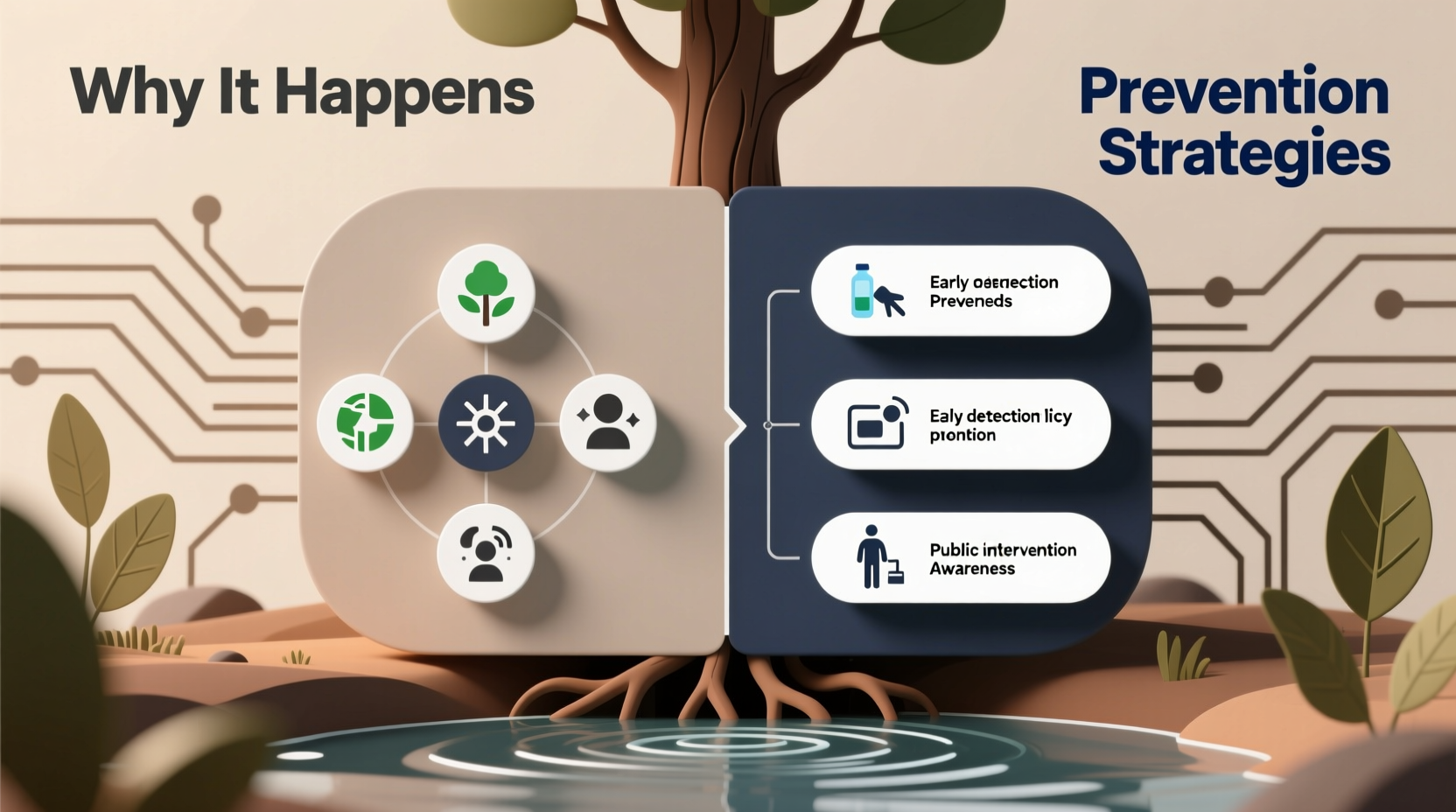
Every outcome has a cause—or more often, multiple causes working in combination. The human tendency is to focus on immediate triggers while overlooking deeper systemic issues. For example, a car breaking down might be attributed to engine failure, but the real causes could include skipped maintenance, poor driving conditions, or manufacturing defects.
Experts use tools like the \"5 Whys\" technique to drill down into root causes. By repeatedly asking “why,” you move beyond symptoms to uncover underlying patterns. Consider someone experiencing chronic fatigue:
- Why are they tired? — Poor sleep quality.
- Why is their sleep poor? — They wake up frequently at night.
- Why do they wake up? — Acid reflux discomfort.
- Why do they have acid reflux? — Late-night eating and high-stress levels.
- Why do they eat late? — Work deadlines push meals past 9 PM.
The real issue isn’t just sleep hygiene—it’s work-life imbalance and scheduling habits. Addressing only surface symptoms offers temporary relief; targeting root causes brings lasting change.
Common Triggers Across Life Domains
Certain causes repeat across different areas of life—health, relationships, technology, and personal performance. Recognizing these patterns helps build preventive awareness.
Physical Health: Lifestyle as a Catalyst
Chronic diseases like type 2 diabetes or hypertension rarely appear overnight. They develop over years due to sustained behaviors: sedentary routines, poor nutrition, lack of sleep, and unmanaged stress. Genetics may load the gun, but lifestyle pulls the trigger.
A longitudinal study by the Harvard T.H. Chan School of Public Health found that individuals who maintained four healthy habits—no smoking, regular exercise, balanced diet, and moderate alcohol intake—reduced their risk of chronic illness by up to 78%.
Relationship Conflicts: Communication Breakdowns
Disagreements often stem not from major betrayals but from accumulated micro-moments of miscommunication. Passive-aggressive comments, unmet emotional needs, and differing expectations erode trust gradually. According to Dr. John Gottman, a leading researcher in marital stability, criticism, contempt, defensiveness, and stonewalling—the “Four Horsemen”—predict divorce with over 90% accuracy when left unchecked.
“Most relationship disasters aren't explosions—they're slow leaks caused by ignored tensions.” — Dr. Sarah Lin, Couples Therapist
Technical Failures: Design Flaws and Human Error
Machines fail for predictable reasons: wear and tear, improper use, software bugs, or inadequate design. But human error often plays a role. A NASA report on engineering mishaps revealed that 70% of system failures involved procedural lapses or insufficient training rather than hardware defects.
Prevention Framework: Building Resilience Before Failure
Prevention doesn’t mean eliminating all risks—it means increasing resilience and reducing vulnerability. Effective prevention combines foresight, routine checks, and adaptive behavior.
Step-by-Step Guide to Preventive Thinking
- Identify Vulnerable Points: Map out where things typically go wrong in your context—e.g., missed deadlines, equipment malfunctions, misunderstandings.
- Analyze Past Incidents: Review previous failures. What were the warning signs? Were there missed opportunities to intervene?
- Implement Early Warning Systems: Set reminders, health check-ups, feedback loops, or monitoring tools to detect deviations early.
- Create Contingency Plans: Define what to do if a key component fails. Backup plans reduce panic and response time.
- Evaluate and Adjust: Regularly assess whether your preventive measures are working. Adapt based on new data.
Do’s and Don’ts: Practical Prevention Table
| Scenario | Do | Don’t |
|---|---|---|
| Preventing burnout | Take regular breaks, set boundaries, practice mindfulness | Ignore early signs like irritability or insomnia |
| Maintaining device longevity | Update software, clean regularly, use surge protectors | Overcharge batteries or expose devices to moisture |
| Reducing injury risk | Warm up before exercise, use proper form, wear protective gear | Push through pain or skip safety protocols |
| Preserving mental health | Talk to a therapist, journal, maintain social connections | Isolate yourself or suppress emotions |
Real Example: Preventing Data Loss in a Small Business
A local marketing agency once lost three weeks of client campaign data after a server crash. There was no backup system in place. The incident cost them $12,000 in recovery fees and damaged client trust.
Afterward, they implemented a cloud-based automatic backup solution, scheduled weekly data audits, and trained staff on file-saving protocols. One year later, when a laptop was stolen, they restored all files within two hours using encrypted backups. The same cause—equipment failure—led to vastly different outcomes because prevention was now embedded in their operations.
Checklist: Proactive Prevention Habits to Adopt Now
- ✔️ Perform monthly self-checks on physical and mental well-being
- ✔️ Maintain updated backups for digital work and personal files
- ✔️ Communicate openly about concerns in relationships before resentment builds
- ✔️ Follow manufacturer guidelines for equipment and appliances
- ✔️ Schedule preventive maintenance for vehicles, HVAC systems, and electronics
- ✔️ Keep emergency contacts and essential documents accessible
- ✔️ Practice situational awareness in daily environments (e.g., noticing tripping hazards, phishing emails)
Frequently Asked Questions
Can all negative events be prevented?
No—not everything can be avoided. Accidents, natural disasters, and genetic conditions fall outside full control. However, preparation reduces impact. The goal isn’t perfection but improved odds through smart habits.
How do I know which causes to prioritize?
Focus on high-frequency, high-impact factors. Use a risk matrix: rate likelihood and severity of potential problems. Prioritize those that score high on both scales—like skipping medical screenings despite family history.
Is prevention more effective than treatment?
In most cases, yes. Preventive action saves time, money, and emotional strain. Vaccinations prevent disease; fire alarms prevent tragedies; financial planning prevents crises. While treatment is essential, it often addresses damage already done.
Conclusion: Take Control Through Awareness and Action
Understanding why things happen transforms passive victims into proactive problem-solvers. Every setback carries a lesson, and every pattern reveals an opportunity for improvement. Instead of reacting to chaos, build systems that anticipate challenges and neutralize risks before they escalate.
Start small: pick one area of your life where issues keep recurring. Apply root cause analysis. Implement one preventive habit this week. Over time, these choices compound into greater stability, confidence, and peace of mind.




 浙公网安备
33010002000092号
浙公网安备
33010002000092号 浙B2-20120091-4
Comments
No comments yet. Why don't you start the discussion?