
Matcha has surged in popularity as a health-boosting green tea powder praised for its antioxidants, sustained energy, and calming focus. But for some, this vibrant green beverage comes with an unwelcome side effect: headaches. If you've sipped matcha only to find yourself nursing a throbbing temple shortly after, you're not alone. The cause could lie in either your body's response to caffeine or the quality of the matcha you're consuming—or both.
Understanding the root of the problem is key to enjoying matcha without discomfort. Unlike regular green tea, matcha delivers the entire ground leaf, meaning higher concentrations of active compounds. This amplifies both benefits and potential drawbacks. Let’s break down the science behind matcha-induced headaches, examine the roles of caffeine sensitivity and product quality, and provide actionable solutions so you can drink matcha confidently and comfortably.
Caffeine Sensitivity: Why Matcha Might Be Too Much for Your System
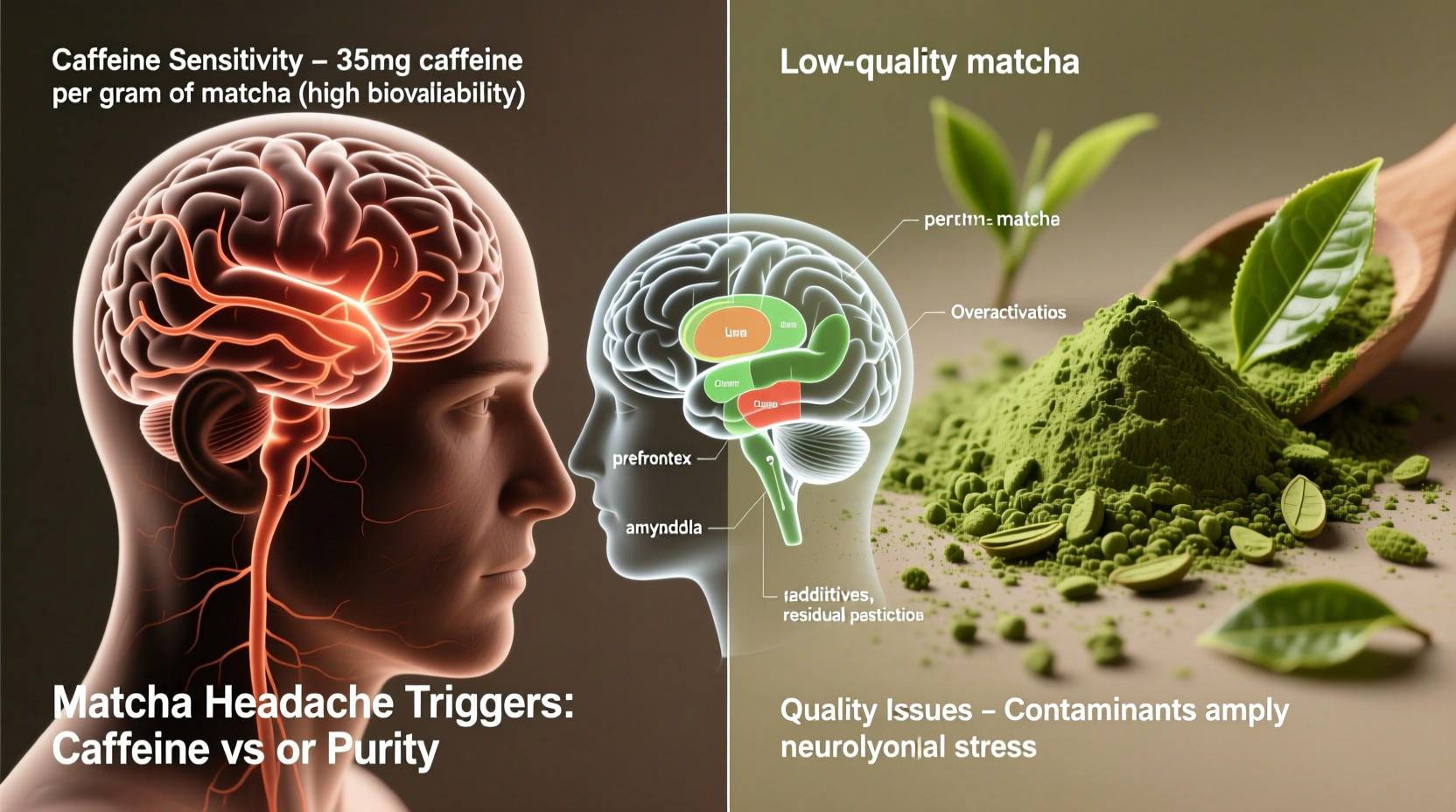
One of the most common reasons matcha causes headaches is caffeine sensitivity. While matcha contains less caffeine than coffee (about 30–70 mg per serving, depending on preparation), its impact can feel stronger due to the presence of L-theanine, which modulates caffeine absorption and creates a more prolonged release. For sensitive individuals, even moderate amounts can trigger adverse reactions.
Caffeine sensitivity isn’t just about quantity—it’s about how your body metabolizes it. Genetic variations in the CYP1A2 enzyme, responsible for breaking down caffeine in the liver, mean some people process it slowly. This leads to caffeine lingering longer in the bloodstream, increasing the likelihood of side effects like jitteriness, anxiety, insomnia, and yes—headaches.
In some cases, caffeine withdrawal can also mimic or exacerbate headaches. If you regularly consume caffeine and then skip a day, blood vessels in the brain can dilate, triggering a rebound headache. Conversely, sudden intake from a concentrated source like matcha can cause vasoconstriction, leading to tension-type or migraine-like pain in susceptible individuals.
Quality Issues: How Low-Grade Matcha Can Trigger Headaches
Not all matcha is created equal. The quality of the powder plays a significant role in how your body responds. Lower-grade matcha, often labeled as “culinary” grade, may come from older tea leaves harvested later in the season. These leaves contain higher levels of tannins and potentially more impurities, including heavy metals or pesticides if sourced from poorly regulated regions.
Poor processing methods can also degrade matcha’s integrity. Exposure to light, heat, or oxygen during storage leads to oxidation, reducing beneficial catechins and altering chemical composition. Some low-quality brands may mix matcha with fillers like sugar, maltodextrin, or artificial flavors—ingredients that can independently cause headaches in sensitive individuals.
Another overlooked factor is contamination with mycotoxins or mold spores, especially in products stored in humid conditions. While rare, these contaminants can provoke inflammatory responses and neurological symptoms, including migraines.
“High-quality matcha should be vibrant green, smooth in flavor, and free of bitterness. If it tastes harsh or looks dull, it may be oxidized or contaminated.” — Dr. Lena Park, Integrative Nutrition Specialist
How to Tell If It’s Caffeine or Quality Causing Your Headache
Distinguishing between caffeine sensitivity and poor matcha quality requires careful observation. Here are key indicators to help identify the culprit:
| Symptom | Linked to Caffeine Sensitivity | Linked to Poor Quality Matcha |
|---|---|---|
| Headache onset | Within 30–60 minutes of consumption | Delayed (1–3 hours), possibly with nausea |
| Taste | No off-flavor; smooth or slightly bitter | Musty, stale, or overly bitter taste |
| Color | Vibrant green (if high quality) | Dull, yellowish, or brownish tint |
| Additional symptoms | Jitters, rapid heartbeat, anxiety | Nausea, brain fog, fatigue |
| Response to dose reduction | Headache improves when amount decreases | Persists even at low doses unless brand changes |
If headaches occur only with certain brands or batches but not others—even at the same serving size—the issue likely lies in quality. On the other hand, consistent headaches across multiple high-quality matchas suggest a physiological sensitivity to caffeine or other compounds like EGCG (epigallocatechin gallate).
Step-by-Step Guide to Troubleshooting Matcha Headaches
Follow this structured approach to identify and resolve what’s causing your discomfort:
- Pause consumption for 3–5 days to reset your system and rule out withdrawal effects.
- Source a premium ceremonial-grade matcha from a reputable vendor with transparent sourcing (e.g., Japan-grown, organic, shade-cultivated).
- Start with a micro-dose: Use ¼ to ½ teaspoon of matcha whisked in 6–8 oz of hot (not boiling) water.
- Monitor symptoms over the next 3 hours. Note timing, intensity, and accompanying signs.
- Gradually increase to a full serving (1 tsp) only if no headache occurs.
- Test different times of day. Morning consumption may be better tolerated than afternoon or evening use.
- Eliminate variables: Avoid adding sugar, milk, or flavored syrups during testing phases.
- Repeat with another brand if symptoms persist, using the same protocol.
This method helps isolate whether the problem stems from dose, ingredient sensitivity, or product integrity.
Real Example: Sarah’s Matcha Headache Journey
Sarah, a 32-year-old graphic designer, loved the ritual of morning matcha but noticed she’d develop a dull, persistent headache by mid-morning. She assumed it was stress-related until she tracked her intake and realized the pattern coincided only with her $12 supermarket-bought matcha.
She switched to a ceremonial-grade matcha from Uji, Japan, paying nearly three times as much. To her surprise, she felt alert without the head pressure. Curious, she revisited the old brand—but halved the dose. The headache returned within 45 minutes.
A lab-tested sample later revealed the cheaper matcha had elevated levels of lead (likely from soil contamination) and showed signs of oxidation. The combination of impurities and caffeine likely triggered her vascular response. Since switching brands and sticking to smaller servings, Sarah enjoys matcha daily without issue.
Prevention Checklist: How to Enjoy Matcha Without Headaches
- ✅ Choose ceremonial-grade, shade-grown matcha from Japan (Uji, Nishio, or Kagoshima regions preferred)
- ✅ Verify third-party lab testing for heavy metals, pesticides, and mold
- ✅ Store matcha in an airtight container in the fridge or freezer, away from light and moisture
- ✅ Consume within 4–8 weeks of opening for peak freshness
- ✅ Limit intake to 1–2 servings per day (1–2 grams)
- ✅ Hydrate well—drink a glass of water before and after matcha to support detoxification
- ✅ Avoid on an empty stomach if prone to sensitivity
- ✅ Pair with a small snack containing healthy fats (e.g., nuts, avocado) to slow caffeine absorption
Frequently Asked Questions
Can decaf matcha cause headaches?
True decaffeinated matcha is rare, as the decaffeination process often removes beneficial catechins along with caffeine. Most “decaf” versions are simply lower-caffeine blends. However, if the processing involves chemicals like ethyl acetate, residual compounds could trigger headaches in sensitive individuals. Opt for naturally low-caffeine alternatives like hojicha if avoiding stimulants.
Is there such a thing as a matcha allergy?
True allergies to matcha are extremely rare, but possible. Symptoms would include hives, swelling, or difficulty breathing—not just headaches. More commonly, people react to additives in flavored matcha products (like soy lecithin, dairy, or artificial sweeteners). Always check ingredient labels carefully.
Why do I get a headache from matcha but not coffee?
This paradox affects many. Coffee delivers a quick caffeine spike followed by a crash, while matcha provides a slower, sustained release due to L-theanine. However, the total phytochemical load in matcha—including theophylline, EGCG, and tannins—can affect blood flow and neurotransmitter activity differently. Some people are uniquely sensitive to this synergistic profile, even if they tolerate isolated caffeine well.
Final Thoughts: Matching Your Matcha to Your Biology
Matcha doesn’t have to come with a price in pain. Headaches are your body’s signal that something is off—whether it’s the dose, the delivery, or the quality. By approaching matcha with intention and awareness, you can tailor your experience to align with your physiology.
Respect the potency of this ancient superfood. High-quality matcha is a functional beverage, not just a trendy latte base. When sourced responsibly and consumed mindfully, it offers clarity, calm, and clean energy without compromise.
If you’ve struggled with matcha headaches, don’t give up on it entirely. Reassess your source, refine your portion, and listen closely to your body’s feedback. Small adjustments can transform an uncomfortable habit into a sustainable wellness ritual.




 浙公网安备
33010002000092号
浙公网安备
33010002000092号 浙B2-20120091-4
Comments
No comments yet. Why don't you start the discussion?