
Music has a unique ability to transport us across time. A single chord, melody, or lyric can instantly evoke vivid memories of people, places, and emotions long buried beneath the surface of daily life. This phenomenon—where a song triggers a wave of nostalgia—is more than poetic sentiment. It’s rooted in neuroscience, psychology, and emotional memory processing. More importantly, this connection between music and nostalgia plays a significant role in shaping our mental well-being, both positively and negatively. Understanding how and why music elicits such powerful emotional responses offers valuable insight into its potential as a tool for healing, self-reflection, and emotional regulation.
The Science Behind Music and Memory Recall
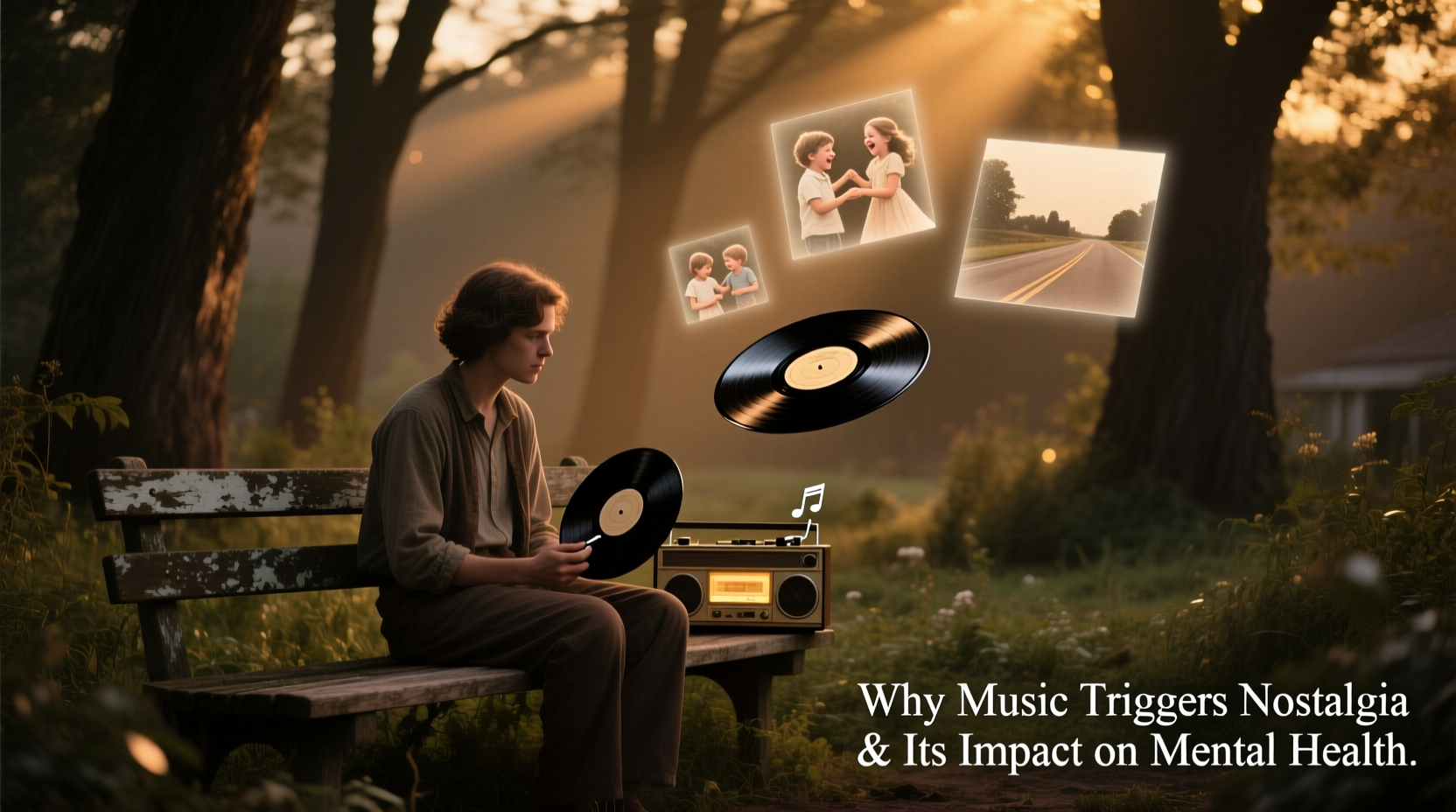
The human brain processes music through a complex network involving auditory cortex, limbic system, and hippocampus—the region primarily responsible for memory formation. When we hear a familiar song, especially one associated with a meaningful event or period in our lives, the brain activates neural pathways that were originally engaged during the initial experience. This process is known as pattern completion: fragments of sensory input (like a melody) trigger the reconstruction of entire memory networks.
Neuroimaging studies have shown that nostalgic music increases activity in the medial prefrontal cortex, which is involved in autobiographical memory and self-referential thinking. Simultaneously, the amygdala—a hub for emotional processing—lights up, intensifying the emotional weight of the memory. Because music often coincides with formative life events—first loves, graduations, road trips, losses—it becomes deeply encoded with personal significance.
Unlike other sensory cues, music is particularly effective at retrieving episodic memories due to its rhythmic and repetitive structure. These patterns make songs easier to remember and recognize years later, even when other details fade. This explains why someone might not recall what they had for breakfast last week but can instantly relive their high school prom upon hearing a certain pop ballad.
How Nostalgia Functions Emotionally and Psychologically
Nostalgia is not merely reminiscing about the past; it's a bittersweet emotional state that blends warmth and longing. Contrary to earlier beliefs that nostalgia was a sign of melancholy or escapism, modern psychology recognizes it as a largely adaptive emotion. Research by Constantine Sedikides and Tim Wildschut shows that nostalgia enhances mood, increases social connectedness, and reinforces a sense of meaning in life.
When triggered by music, nostalgia often centers around three key themes:
- Personal identity: Songs from adolescence or young adulthood are especially potent because they coincide with identity formation.
- Social bonds: Shared musical experiences—concerts, dances, car rides with friends—create emotional imprints tied to relationships.
- Life transitions: Music heard during major changes (moving, breakups, achievements) becomes emotionally charged.
This emotional resonance makes music an anchor for continuity. In times of stress or uncertainty, nostalgic tunes provide psychological comfort by reconnecting individuals with a stable version of themselves from the past. However, this same mechanism can become maladaptive if one becomes overly fixated on idealized memories, leading to rumination or resistance to present realities.
Mental Health Implications: The Dual Nature of Musical Nostalgia
The impact of music-induced nostalgia on mental health depends heavily on context, frequency, and individual psychological makeup. For many, revisiting the past through music serves as a natural coping strategy. For others, especially those dealing with depression or unresolved trauma, it can amplify negative emotions.
On the positive side, studies have demonstrated that listening to nostalgic music can:
- Reduce symptoms of anxiety and depression
- Increase feelings of social support and belonging
- Boost self-esteem and optimism
- Improve cognitive resilience in older adults
In clinical settings, music therapy leverages these effects to help patients with dementia, PTSD, and mood disorders. Famously, Alzheimer’s patients who struggle to recognize family members may still sing along to songs from their youth, indicating that musical memory persists longer than episodic recall.
Yet, there’s a threshold where nostalgia shifts from comforting to counterproductive. When used excessively to avoid current challenges, nostalgic music can reinforce withdrawal behaviors. A person grieving a loss might loop a song tied to the deceased, prolonging acute mourning. Similarly, someone struggling with low self-worth may romanticize the past, believing “things were better back then,” which undermines motivation to improve the present.
“Music doesn’t just remind us of the past—it allows us to re-experience it. That power must be wielded with awareness.” — Dr. Elena Torres, Clinical Psychologist and Music Therapy Researcher
Practical Applications: Using Music Intentionally for Emotional Well-being
Given its profound influence, music should not be consumed passively when it comes to emotional health. Instead, listeners can adopt mindful practices to harness its nostalgic power constructively.
Step-by-Step Guide: Creating a Therapeutic Playlist
- Identify your emotional goal: Are you seeking comfort, energy, reflection, or closure?
- Select songs tied to specific memories: Choose tracks linked to periods of strength, joy, or growth—not just sadness or loss.
- Balance old and new music: Include recent uplifting songs to prevent over-idealizing the past.
- Add narrative context: Write brief notes about why each song matters—this deepens self-awareness.
- Set listening boundaries: Limit nostalgic sessions to 20–30 minutes to avoid emotional overwhelm.
Checklist: Healthy Use of Nostalgic Music
- ☑ Use music to reflect, not escape
- ☑ Notice whether it lifts mood or deepens sadness
- ☑ Pair nostalgic listening with journaling or conversation
- ☑ Avoid looping songs associated with trauma without professional support
- ☑ Explore new music to build fresh emotional anchors
Real-Life Example: Maria’s Journey Through Grief and Song
Maria, a 42-year-old teacher, lost her mother unexpectedly. In the months that followed, she found herself repeatedly playing a Spanish lullaby her mother used to sing. At first, the music brought tears and pain. But after discussing it with her therapist, she began using the song intentionally—listening once a day while lighting a candle and writing a short message to her mother. Over time, the track transformed from a trigger of sorrow to a symbol of enduring love. She eventually added other songs from childhood festivals and family gatherings, creating a “connection playlist” that honored her heritage and strengthened her emotional resilience.
Maria’s story illustrates how guided engagement with nostalgic music can facilitate healing. Without awareness, she might have unconsciously reinforced grief. With intention, she turned music into a ritual of remembrance and integration.
Do’s and Don’ts of Managing Music-Induced Nostalgia
| Do’s | Don’ts |
|---|---|
| Use nostalgic music to process emotions mindfully | Listen obsessively to songs tied to painful breakups or losses |
| Discuss emotional reactions with a trusted friend or therapist | Assume all nostalgia is healthy or harmless |
| Create playlists for different emotional needs (comfort, motivation, celebration) | Rely solely on the past for emotional stability |
| Explore the stories behind why certain songs matter | Ignore physical or emotional signs of distress during listening |
| Introduce new music to build future nostalgic anchors | Isolate yourself while沉浸在 nostalgic loops |
FAQ
Can listening to nostalgic music worsen depression?
Yes, in some cases. While moderate use can provide comfort, excessive reliance on nostalgic music—especially songs tied to loss or failure—can reinforce negative thought patterns. If listening leads to prolonged sadness, isolation, or avoidance of present responsibilities, it may be contributing to depressive cycles. Professional guidance is recommended in such cases.
Why do certain songs trigger nostalgia more than others?
Songs from ages 12 to 25 are most likely to evoke nostalgia due to the “reminiscence bump”—a psychological phenomenon where memories from adolescence and early adulthood are more vivid and numerous. Additionally, music heard during emotionally intense or novel experiences becomes more deeply encoded in memory.
Is it possible to create new nostalgic music intentionally?
Absolutely. By associating meaningful moments with specific songs—such as playing a track during a milestone achievement or shared experience—you can plant emotional seeds for future nostalgia. This practice helps build a reservoir of positive memories that support long-term mental wellness.
Conclusion: Harnessing the Power of Sound for Emotional Growth
Music’s ability to unlock nostalgia is neither random nor trivial. It reflects the intricate relationship between sound, memory, and emotion—a connection that can either anchor us to the past or empower us in the present. When approached with mindfulness, nostalgic music becomes more than a sentimental indulgence; it becomes a tool for introspection, healing, and connection. Recognizing its dual potential allows us to engage with music not as passive listeners, but as active participants in our emotional landscapes.
Start today by reflecting on the songs that move you. Ask yourself not just *what* they remind you of, but *how* they shape your inner world. Whether you're rebuilding after loss, celebrating personal growth, or simply seeking comfort, your playlist holds more power than you realize. Use it wisely—and let music guide you toward deeper understanding and lasting well-being.




 浙公网安备
33010002000092号
浙公网安备
33010002000092号 浙B2-20120091-4
Comments
No comments yet. Why don't you start the discussion?