
Music has a unique ability to transport us across time and space. A single chord progression or melody can instantly evoke the scent of summer grass, the warmth of a childhood kitchen, or the heartbreak of a first breakup. Unlike other sensory stimuli, music doesn’t just remind us of the past—it re-creates it with startling emotional clarity. This phenomenon is not merely poetic; it’s deeply rooted in neuroscience. Understanding why music unlocks such vivid recollections—and how we can intentionally use it—opens doors to profound therapeutic benefits, especially for mental health, trauma recovery, and cognitive disorders like dementia.
The Science Behind Music and Memory
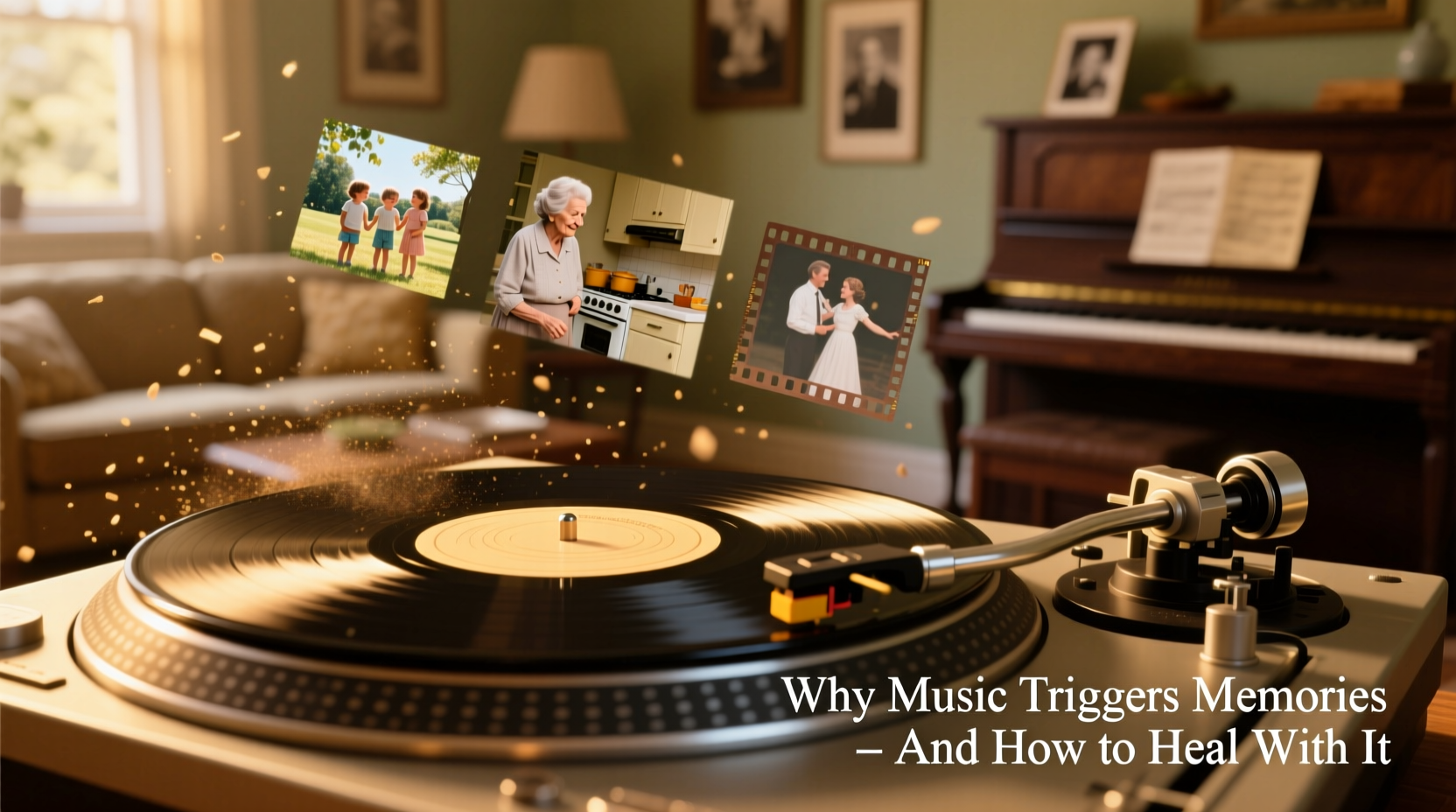
The human brain processes music through a complex network involving auditory perception, emotion regulation, and memory consolidation. When we hear a familiar song, multiple regions activate simultaneously: the auditory cortex decodes sound, the hippocampus retrieves associated memories, and the amygdala modulates the emotional response. What makes music particularly potent is its capacity to bypass the prefrontal cortex—the area responsible for logical thought—and speak directly to the limbic system, where emotions and long-term memories reside.
Neuroimaging studies show that even in individuals with advanced Alzheimer’s disease, musical memory often remains intact when other forms of recall fail. This resilience stems from the way music is encoded in the brain—not as isolated facts, but as multimodal experiences tied to context, emotion, and bodily sensation. A song heard during a pivotal life event becomes embedded in neural pathways alongside visual, emotional, and social cues, creating what researchers call “autobiographical memory engrams.”
“Music accesses parts of the brain that remain functional long after others have deteriorated. It’s not just nostalgia—it’s neurology.” — Dr. Oliver Sacks, Neurologist and Author of *Musicophilia*
Why Certain Songs Trigger Strong Emotional Recall
Not all music evokes memories equally. The songs most likely to spark intense recollection typically meet one or more of the following conditions:
- Temporal proximity to formative experiences: Tracks from adolescence and early adulthood (roughly ages 12–25) are disproportionately linked to strong memories due to heightened neuroplasticity and identity formation during this period.
- Emotional salience: Music played during emotionally charged moments—weddings, breakups, losses—is more deeply encoded because dopamine and norepinephrine strengthen synaptic connections.
- Frequent repetition: Songs listened to repeatedly become automatic memory triggers, even if the original context is forgotten.
- Social embedding: Music shared with loved ones gains associative power through interpersonal bonding.
This explains why hearing a high school dance anthem might flood you with joy—or sorrow—even decades later. The brain doesn’t distinguish sharply between remembering and reliving. The same neural circuits activated during the original experience fire again, producing a near-sensory re-experience.
Therapeutic Applications of Music-Evoked Memories
Clinicians and therapists increasingly leverage music’s mnemonic power to support emotional and cognitive well-being. Music therapy is now an evidence-based practice used in psychiatry, neurology, and rehabilitation. Below are several proven applications:
Treating Depression and Anxiety
For individuals struggling with mood disorders, carefully curated music can reactivate positive autobiographical memories, counteracting negative thought loops. In guided sessions, therapists help clients select songs linked to resilience, connection, or achievement. Revisiting these sonic anchors fosters self-compassion and reminds patients of their capacity for joy.
Supporting Dementia and Alzheimer’s Patients
One of the most compelling uses of music therapy is in dementia care. Studies show that personalized playlists can reduce agitation, improve communication, and temporarily restore coherence in people with advanced cognitive decline. Familiar music activates preserved neural networks, allowing patients to sing along, recognize family members, or express emotions they can no longer verbalize.
Aiding Trauma Recovery
In post-traumatic stress disorder (PTSD), music can be both a trigger and a tool. While certain sounds may inadvertently reactivate traumatic memories, controlled exposure to safe, empowering music helps regulate the nervous system. Rhythmic entrainment—synchronizing breathing or movement to steady beats—can calm hyperarousal and rebuild a sense of safety.
Enhancing Cognitive Rehabilitation
After brain injury or stroke, melodic intonation therapy (MIT) uses singing to restore speech by engaging the right hemisphere. Similarly, rhythmic auditory stimulation improves gait and coordination in Parkinson’s patients. These techniques exploit music’s structured predictability to retrain damaged neural pathways.
How to Use Music Therapeutically: A Step-by-Step Guide
You don’t need a therapist to begin using music as a healing tool. With intention and awareness, anyone can design a personal auditory toolkit. Follow this sequence to harness music’s restorative potential:
- Inventory Your Soundtrack: List 10–15 songs tied to meaningful life events. Note the memory, emotion, and physical sensations each evokes.
- Categorize by Purpose: Group songs into categories: comfort, energy, reflection, celebration, grief, focus.
- Create Functional Playlists: Build playlists for specific needs—e.g., “Morning Clarity,” “Stress Reset,” “Grief Processing.”
- Set Listening Rituals: Dedicate 10–20 minutes daily to intentional listening. Sit quietly, breathe, and allow memories to surface without judgment.
- Journal Responses: After each session, write down thoughts, images, or insights. Over time, patterns will emerge, revealing unresolved emotions or hidden strengths.
- Adjust and Refine: Replace songs that cause distress. Add new tracks that support evolving emotional goals.
“Patients who engage in regular music reflection report greater emotional insight and reduced rumination within six weeks.” — Dr. Joke Bradt, Board-Certified Music Therapist and Researcher
Case Study: Reconnecting Through Song
Maria, a 78-year-old woman with moderate Alzheimer’s, had become withdrawn and disoriented. Her daughter introduced a personalized playlist featuring boleros and rancheras from her youth in Mexico. Within days, Maria began humming along. One afternoon, upon hearing “Bésame Mucho,” she looked up and said, “That was our song. We danced to this at the fiesta.” She recalled her late husband’s name and described their wedding night in detail—memories absent for years. Though temporary, these moments restored dignity and deepened family connection. Caregivers now use the playlist during meals and transitions to reduce confusion and agitation.
Do’s and Don’ts of Therapeutic Music Use
| Do | Don't |
|---|---|
| Start with music that feels emotionally safe | Force listening to songs that cause distress |
| Use headphones for immersive, focused sessions | Play therapeutic music in chaotic environments |
| Pair music with breathwork or gentle movement | Expect immediate emotional breakthroughs |
| Involve loved ones in playlist creation for dementia care | Assume all familiar music is beneficial—some tracks may be linked to trauma |
| Update playlists as emotional needs change | Overuse music as an escape rather than a processing tool |
Building a Personalized Therapeutic Playlist: Checklist
Use this checklist to ensure your music practice is safe, effective, and aligned with your goals:
- ☐ Identify 3–5 core emotional states you want to address (e.g., anxiety, loneliness, motivation)
- ☐ Select at least two songs per state that evoke the desired feeling
- ☐ Avoid songs tied to unresolved trauma unless working with a therapist
- ☐ Test each playlist in a quiet setting and assess emotional response
- ☐ Limit sessions to 20 minutes initially to prevent overwhelm
- ☐ Schedule regular times for listening (e.g., morning, before bed)
- ☐ Share relevant playlists with trusted friends or caregivers if appropriate
Frequently Asked Questions
Can music really help someone with dementia remember?
Yes—while music cannot reverse cognitive decline, it often accesses deeply encoded memories that remain intact. Familiar songs can spark recognition, reduce behavioral symptoms, and improve quality of life, even in late stages. The effect is temporary but meaningful.
What if a song brings up painful memories?
It’s normal for music to surface difficult emotions. If a track causes distress, pause the session. Consider discussing it with a therapist. You may choose to modify the playlist or revisit the song later with support. Avoidance isn’t necessary, but neither is pushing through discomfort.
Do I need formal music therapy, or can I do this on my own?
Many people benefit from self-guided music reflection. However, if you’re dealing with trauma, severe depression, or caring for someone with neurological illness, working with a board-certified music therapist ensures safety and maximizes outcomes.
Conclusion: Turn Memory Into Medicine
Music is more than entertainment—it’s a bridge to our inner world. Its unmatched ability to unlock buried memories offers a rare window into the self, making it a powerful ally in healing and growth. Whether you’re soothing anxiety, supporting a loved one with dementia, or simply seeking deeper self-understanding, the right song at the right time can be transformative. By approaching music with curiosity and care, you turn passive listening into active therapy. Start small. Listen deeply. Let the melodies guide you home.




 浙公网安备
33010002000092号
浙公网安备
33010002000092号 浙B2-20120091-4
Comments
No comments yet. Why don't you start the discussion?