
Water pooling beneath your air conditioner is more than just a nuisance—it’s a sign that something in your cooling system isn’t functioning as it should. While air conditioners naturally produce condensation during operation, that moisture is meant to drain safely outside via a designated pathway. When water starts dripping indoors, it indicates a breakdown in this process. Left unaddressed, indoor AC leaks can lead to mold growth, structural damage, and even electrical hazards.
Understanding why your AC drips water inside is the first step toward preventing recurring issues and extending the life of your unit. From clogged drain lines to frozen evaporator coils, several mechanical and environmental factors contribute to internal water leakage. The good news is that many of these problems are preventable with routine maintenance and early detection.
How Air Conditioners Naturally Produce Condensation
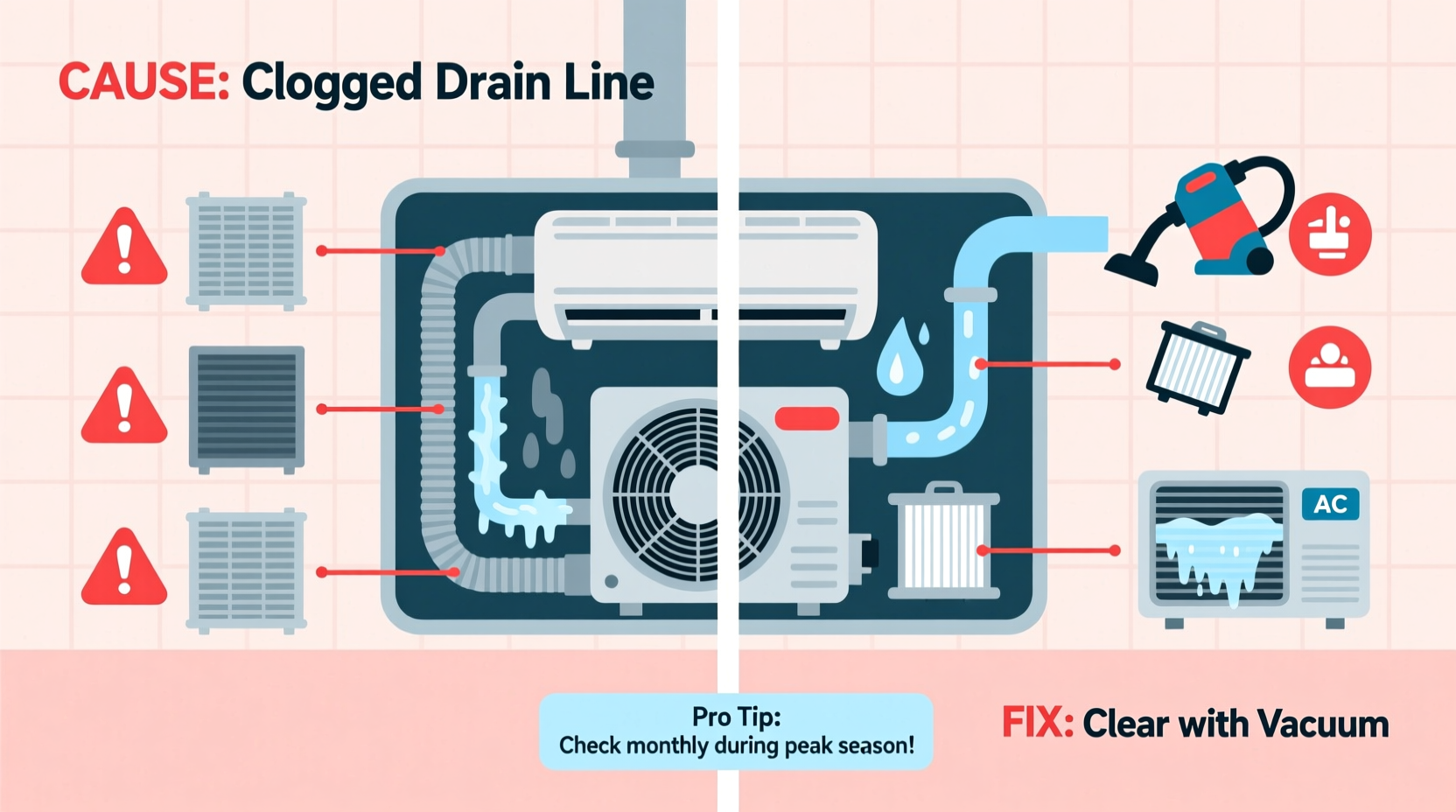
Air conditioners work by pulling warm indoor air over cold evaporator coils. As the air cools, its moisture content condenses on the coil surfaces—much like dew forms on a cold drink on a humid day. This condensation typically collects in a drain pan and exits through a PVC drain line, routing water safely outdoors or into a floor drain.
The amount of condensation depends on indoor humidity levels. In high-humidity climates, especially during summer months, the volume of water produced can be substantial—sometimes up to 5 to 20 gallons per day in larger systems. When any part of this drainage system becomes compromised, water has nowhere to go but inside your home.
“Condensation is normal; indoor leaks are not. A properly maintained AC system should never drip water inside.” — James Rivera, HVAC Technician with 18 years of field experience
Common Causes of Indoor AC Water Leaks
Several components must work in harmony for your AC to manage condensation effectively. When one fails, water finds its way indoors. Below are the most frequent culprits behind internal AC leaks.
1. Clogged Condensate Drain Line
The most common reason for indoor water leakage is a blocked condensate drain line. Over time, algae, mold, dirt, and sludge accumulate inside the pipe, restricting or completely halting water flow. When the line is clogged, water backs up into the drain pan and eventually spills over into your home.
This issue is especially prevalent in units that run continuously during hot seasons or in homes with poor indoor air quality, where airborne particles contribute to faster buildup.
2. Dirty Air Filter
A neglected air filter may seem like a minor oversight, but it plays a critical role in airflow regulation. When filters become clogged with dust and debris, airflow across the evaporator coils is reduced. This causes the coils to become too cold and eventually freeze. Once the ice melts—often rapidly—it overwhelms the drain pan, leading to overflow and indoor dripping.
3. Damaged or Misaligned Drain Pan
The drain pan sits beneath the evaporator coil to catch condensation. Over time, especially in older units, this pan can corrode, crack, or become misaligned due to vibration or improper installation. A rusted or warped pan cannot hold water effectively, allowing it to leak directly into surrounding areas.
Units installed in attics or above ceilings are particularly concerning, as leaks from a faulty pan can go unnoticed for days, causing ceiling stains, drywall damage, or even collapse in severe cases.
4. Frozen Evaporator Coils
Frozen coils often result from restricted airflow (due to dirty filters or blocked vents) or low refrigerant levels. When the coils freeze, they stop cooling efficiently. As the ice thaws, excess water pours into the drain pan faster than it can drain, causing overflow.
Refrigerant leaks are a serious issue requiring professional attention. If you notice hissing sounds, reduced cooling power, or ice forming on refrigerant lines, contact an HVAC technician immediately.
5. Improper Installation or Unit Tilt
For gravity-fed drainage to work, your indoor AC unit must be installed with a slight backward tilt (toward the rear). If the unit tilts forward—even slightly—condensate flows the wrong way and drips inside instead of toward the drain line.
This problem is common in window units and some split-system air handlers mounted in closets or attics. Vibration over time can shift the position, so periodic checks are essential.
Detailed Troubleshooting Checklist
If your AC is leaking water indoors, follow this systematic checklist to identify and resolve the issue:
- ✅ Turn off the AC unit at the thermostat and circuit breaker to prevent water damage or electrical risk.
- ✅ Inspect the air filter—replace if dirty or clogged.
- ✅ Locate the indoor unit (usually in a closet, attic, or basement) and check for visible water around the base.
- ✅ Examine the drain pan for cracks, corrosion, or misalignment.
- ✅ Check if the unit is level; use a carpenter’s level to verify proper tilt.
- ✅ Locate the condensate drain line (typically a white PVC pipe) and look for blockages.
- ✅ Flush the drain line with a mixture of vinegar and water or use a wet/dry vacuum to clear clogs.
- ✅ Inspect evaporator coils for frost or ice buildup.
- ✅ Ensure all supply vents and return grilles are unobstructed.
- ✅ Verify that the condensate pump (if present) is operating and not jammed.
Step-by-Step Guide to Clearing a Clogged Drain Line
A clogged condensate drain is responsible for over 60% of indoor AC leaks. Fortunately, clearing it is a manageable DIY task.
- Safety First: Shut off power to the AC unit at the breaker.
- Locate the Drain Line: Find the PVC pipe connected to your indoor air handler—usually a ¾-inch or 1-inch white tube leading to a floor drain or outside.
- Disconnect the Line: Use a wrench to disconnect the pipe near the air handler or at a cleanout T-fitting.
- Flush with Vinegar: Pour a solution of equal parts white vinegar and water into the line. Let sit for 30 minutes to dissolve organic buildup.
- Vacuum Method: Attach a wet/dry vacuum to the indoor end of the drain line and run it for 1–2 minutes to suck out debris.
- Reconnect and Test: Reattach the pipe, restore power, and turn on the AC. Monitor for proper drainage over the next few hours.
If no water flows after flushing, there may be a deeper obstruction or a collapsed pipe requiring replacement.
When to Call a Professional
While many AC leaks can be resolved with basic maintenance, certain situations demand expert intervention:
| Issue | DIY Fix Possible? | Professional Recommended? |
|---|---|---|
| Clogged drain line | Yes | No, unless persistent |
| Dirty air filter | Yes | No |
| Frozen evaporator coils | Limited (only thawing) | Yes (refrigerant check needed) |
| Cracked drain pan | No | Yes (replacement required) |
| Low refrigerant | No | Yes (licensed technician only) |
| Malfunctioning condensate pump | Possible | Recommended |
HVAC professionals have specialized tools like borescopes to inspect internal drain lines and pressure gauges to test refrigerant levels. Attempting repairs beyond your skill level can void warranties or create safety risks.
Real-World Example: Attic Unit Leak Leads to Ceiling Damage
In summer 2023, a homeowner in Houston noticed a damp spot spreading across their second-floor ceiling. After calling a technician, the source was traced to a central AC air handler in the attic. The condensate drain line had developed a partial clog over several weeks. Because the unit was tilted slightly forward during initial installation, water couldn’t exit properly and began seeping into the insulation and drywall.
By the time the issue was detected, mold had formed in the insulation, and the ceiling required replacement. The total repair cost exceeded $1,800—far more than the $120 annual maintenance plan would have prevented. This case highlights how small oversights compound into major damage when ignored.
“Most indoor AC leaks we see are preventable. A $15 air filter changed on schedule could save homeowners thousands in water damage.” — Sarah Lin, Owner of CoolAir Services, Austin, TX
Prevention Strategies for Long-Term AC Health
Preventing indoor water leaks isn’t about reacting to problems—it’s about building a proactive maintenance routine. Implement these strategies to keep your AC draining properly year after year:
- Schedule biannual HVAC inspections: Spring and fall tune-ups catch developing issues before they escalate.
- Change filters religiously: Set calendar reminders to avoid lapses.
- Install a condensate overflow switch: This safety device shuts off the AC if water begins to accumulate, preventing overflow.
- Use UV lights in ductwork: These inhibit microbial growth in the drain pan and coils.
- Monitor humidity levels: Keep indoor relative humidity between 40–60% using a dehumidifier if necessary.
Frequently Asked Questions
Is it normal for my AC to drip a little water?
Outside, yes—your condensate line should discharge water when the AC runs. Indoors, any dripping is abnormal and should be investigated immediately.
Can I use bleach to clean the drain line?
Bleach can kill mold but may damage PVC pipes and nearby vegetation if routed outdoors. White vinegar is safer and equally effective for routine cleaning.
How do I know if my drain pan is cracked?
Inspect visually for rust, holes, or warping. If the unit has leaked before and the pan appears old or brittle, consider preemptive replacement—even if no crack is visible.
Conclusion: Act Now to Protect Your Home and Comfort
An air conditioner dripping water inside is not just a minor inconvenience—it’s a warning signal. Whether caused by a simple clog or a deeper mechanical flaw, ignoring the issue risks costly water damage, unhealthy indoor air, and premature system failure. The fixes are often straightforward, especially when caught early. Regular filter changes, seasonal inspections, and simple drain line maintenance go a long way in ensuring your AC operates efficiently and safely.
Don’t wait for a puddle to grow into a flood. Take action today: inspect your unit, flush the drain, replace the filter, and schedule a professional tune-up if needed. Your comfort, health, and home depend on it.




 浙公网安备
33010002000092号
浙公网安备
33010002000092号 浙B2-20120091-4
Comments
No comments yet. Why don't you start the discussion?