
When you switch on your air conditioner after a period of inactivity—especially at the start of summer—you may notice an unpleasant, damp, earthy odor wafting from the vents. This musty smell is more than just a nuisance; it can signal underlying issues with your HVAC system that affect both comfort and health. The root cause often lies in microbial growth within the unit, driven by moisture and organic material. Left unaddressed, this condition can degrade indoor air quality, trigger allergies, and even damage system components.
Understanding why this happens—and how to stop it—is essential for maintaining a healthy, efficient cooling system. This guide breaks down the science behind the smell, identifies common contributing factors, and provides actionable steps to prevent and resolve musty odors for good.
The Science Behind the Musty Smell
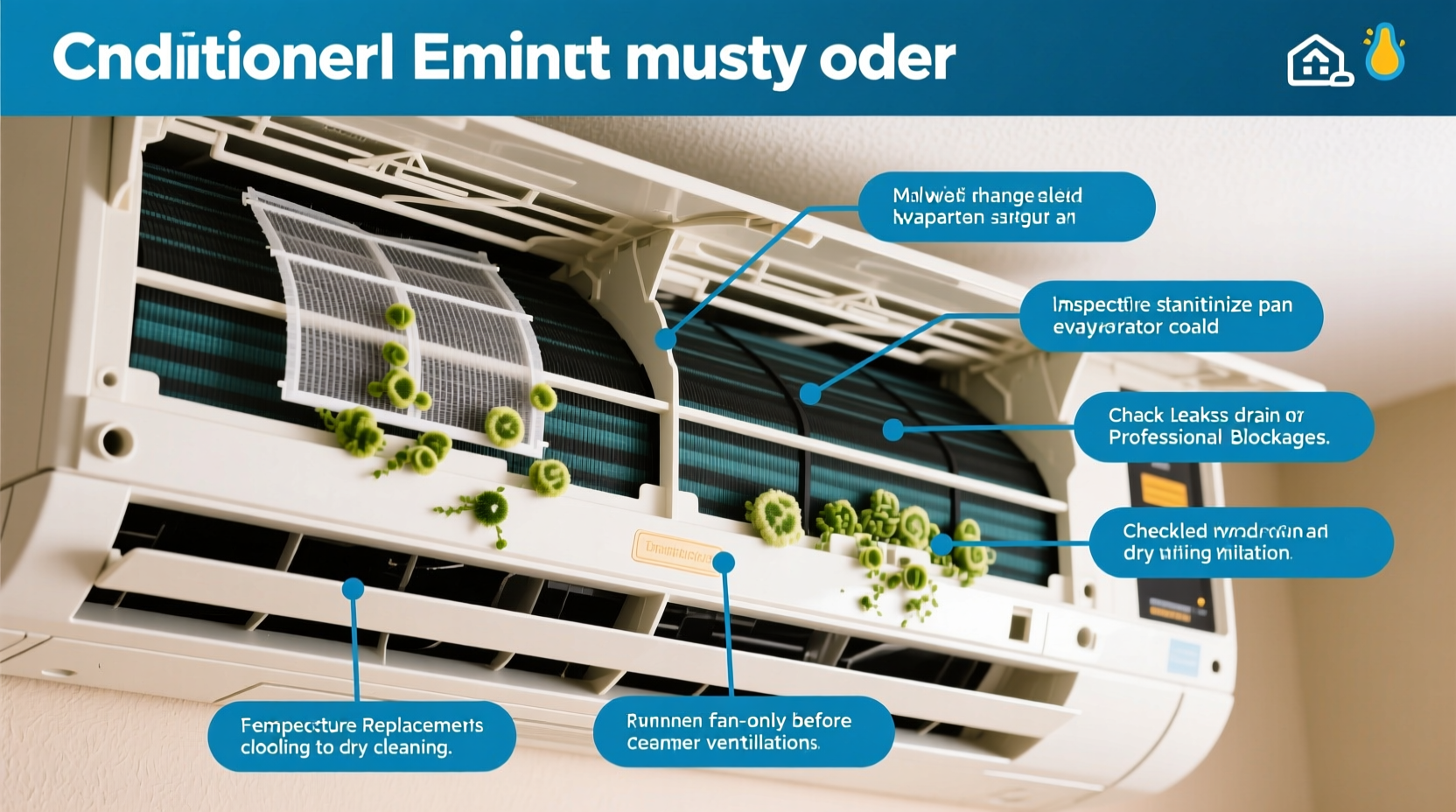
The musty odor associated with AC units is typically caused by microbial volatile organic compounds (mVOCs) released by mold, mildew, and bacteria growing inside the system. These microorganisms thrive in dark, moist environments—conditions commonly found in air conditioning evaporator coils, drip pans, drain lines, and air filters.
During operation, the AC removes heat and humidity from indoor air. As warm air passes over cold evaporator coils, moisture condenses and collects in the drain pan. While the system is designed to expel this water through a drain line, residual moisture often remains. When the system sits idle, stagnant water becomes a breeding ground for mold spores already present in household dust.
Upon restart, the blower fan circulates air across these contaminated surfaces, picking up mVOCs and distributing them throughout your home. The result? A distinct \"wet sock,\" \"dirty laundry,\" or \"basement-like\" smell that dissipates after several minutes as the coil dries—but returns each time the system starts up again.
“Microbial growth in HVAC systems isn’t just about odor—it’s a legitimate indoor air quality concern. Persistent exposure to mold spores can exacerbate respiratory conditions like asthma.” — Dr. Lena Patel, Indoor Air Quality Specialist, National Environmental Health Association
Common Causes of Musty AC Odors
Several interrelated factors contribute to the development of musty smells in air conditioners. Identifying which apply to your situation is the first step toward resolution.
- Clogged or slow drain line: Algae and biofilm buildup can restrict drainage, causing water to back up into the pan and overflow into the unit.
- Dirty or saturated air filter: A clogged filter reduces airflow, increases coil moisture retention, and introduces organic debris that feeds mold growth.
- Leaky ductwork: Ducts in unconditioned spaces (like attics or crawlspaces) can introduce humid outside air, increasing internal moisture levels.
- Poor ventilation: Homes with inadequate fresh air exchange trap humidity indoors, especially in tightly sealed modern buildings.
- Infrequent use: Seasonal operation allows moisture to stagnate, giving microbes time to colonize unseen areas.
- Low refrigerant charge: Undercharged systems run colder, leading to excessive ice formation and post-thaw pooling that doesn’t fully drain.
Step-by-Step Guide to Eliminate and Prevent Musty AC Smells
Resolving a musty-smelling AC requires both immediate cleaning and long-term maintenance. Follow this timeline-based approach to restore freshness and maintain it year-round.
- Turn off the system at the thermostat and circuit breaker for safety.
- Inspect and replace the air filter. If it's dark gray or clogged, install a new one rated MERV 8–13 for optimal balance between filtration and airflow.
- Check the condensate drain line. Use a wet/dry vacuum to clear blockages or flush with a mixture of 1 cup vinegar and 1 gallon of water. For stubborn clogs, use a plumber’s snake or algaecide tablets designed for HVAC systems.
- Clean the evaporator coil (if accessible). Spray with a no-rinse HVAC coil cleaner following manufacturer instructions. Avoid harsh chemicals that can corrode aluminum fins. <5> Disinfect the drain pan. Remove standing water and scrub with a solution of 1 part bleach to 16 parts water (6% sodium hypochlorite). Rinse thoroughly and allow to dry.
- Sanitize the duct system if odor persists. While full duct cleaning should be done by professionals, antimicrobial fogging treatments can neutralize mold spores deep in the system.
- Restore power and test. Run the system for 15–30 minutes and monitor for lingering odors.
- Schedule annual professional maintenance, ideally in spring before peak cooling season. Technicians will inspect refrigerant levels, clean internal components, and verify proper drainage.
Prevention Checklist
Use this checklist to minimize future occurrences of musty AC odors:
- ✅ Replace air filter every 1–3 months
- ✅ Flush condensate drain line quarterly
- ✅ Inspect drain pan for algae or slime monthly during cooling season
- ✅ Keep outdoor unit clear of debris and vegetation
- ✅ Maintain indoor humidity between 40–50% using a dehumidifier if needed
- ✅ Run the fan periodically during off-seasons to dry internal components
- ✅ Install a UV-C light near the coil (optional but effective)
Do’s and Don’ts: Maintaining a Fresh-Smelling AC System
| Do | Don't |
|---|---|
| Use high-efficiency filters appropriate for your system | Install overly dense filters that restrict airflow |
| Clean or flush the drain line regularly | Ignore slow drainage or recurring clogs |
| Run the AC fan in “Auto” mode most of the time | Leave the fan on “On” continuously without allowing drying cycles |
| Schedule annual HVAC tune-ups | Wait until problems arise before calling a technician |
| Use UV germicidal lights to inhibit microbial growth | Rely solely on air fresheners to mask odors |
Real Example: How One Homeowner Fixed a Recurring Smell
Jamie, a homeowner in Tampa, Florida, noticed a persistent musty odor every time she turned on her central AC each spring. She replaced filters and cleaned visible parts but saw no improvement. After three seasons of discomfort, she hired an HVAC specialist who discovered a partially blocked condensate drain line filled with black biofilm. The technician flushed the line, installed an access T-fitting for easier maintenance, and recommended quarterly vinegar flushes. He also suggested installing a UV-C lamp above the evaporator coil to prevent regrowth.
Within weeks, the smell disappeared. Jamie now maintains a simple schedule: she replaces the filter monthly, pours a vinegar solution down the drain access every three months, and schedules professional servicing each April. Two summers later, her AC starts up cleanly every time—with no musty surprise.
Frequently Asked Questions
Is a musty-smelling AC dangerous?
While not immediately hazardous, prolonged exposure to mold spores circulated by your AC can irritate the respiratory system, particularly in individuals with asthma, allergies, or compromised immunity. Chronic exposure may contribute to sinus infections or allergic rhinitis. It’s best to address the source promptly rather than tolerate the smell.
Can I use bleach to clean my AC drain line?
Yes, but with caution. A diluted bleach solution (¼ cup bleach per gallon of water) can effectively kill algae and mold in the condensate line. Pour it slowly into the access point or primary drain opening. Never mix bleach with vinegar or other acids, as this creates toxic fumes. Flush with water afterward to prevent corrosion.
Will running the fan help eliminate the smell?
Running the fan on “Auto” or manually for 10–15 minutes after cooling cycles helps dry the evaporator coil and reduces moisture buildup. However, leaving the fan on “On” continuously without sufficient cooling intervals can increase humidity on the coil, potentially worsening the problem. Use intermittent fan runs strategically, not constantly.
Expert Insight: Long-Term Solutions
Beyond routine maintenance, advanced solutions exist for homes prone to microbial growth due to high humidity or poor ventilation.
“Installing a UV-C light system inside the air handler is one of the most effective ways to prevent biological contamination. These lights disrupt DNA in mold and bacteria, stopping reproduction at the source—right where moisture accumulates.” — Mark Tran, HVAC Systems Engineer, American Society of Heating, Refrigerating and Air-Conditioning Engineers (ASHRAE)
UV-C lamps require minimal maintenance (annual bulb replacement) and operate silently. While not necessary for all homes, they are highly recommended in humid climates or for households with allergy sufferers. Pair them with a high-quality air purifier featuring a HEPA filter to capture any stray spores before they enter living spaces.
Conclusion: Take Control of Your Indoor Air Quality
A musty smell when turning on your AC isn’t something to ignore or mask with air fresheners. It’s a symptom of biological growth fueled by moisture and neglect. With regular maintenance, smart upgrades, and timely intervention, you can eliminate the odor and ensure your cooling system contributes to a healthier, more comfortable home environment.
Start today: check your filter, flush your drain line, and consider scheduling a professional inspection. Small actions now can prevent bigger problems—and better breathing—later.




 浙公网安备
33010002000092号
浙公网安备
33010002000092号 浙B2-20120091-4
Comments
No comments yet. Why don't you start the discussion?