
It’s a common but unsettling experience: you flip the switch on your air conditioner after weeks of disuse, only to be greeted by a musty, sour, or even chemical-like odor. This initial burst of unpleasantness isn’t just annoying—it can signal underlying issues with your HVAC system that affect both comfort and health. The good news is, most causes are preventable and fixable with proper maintenance. Understanding what creates these odors and how to address them ensures cleaner air, better efficiency, and a longer lifespan for your cooling unit.
Common Causes of AC Odors at Startup
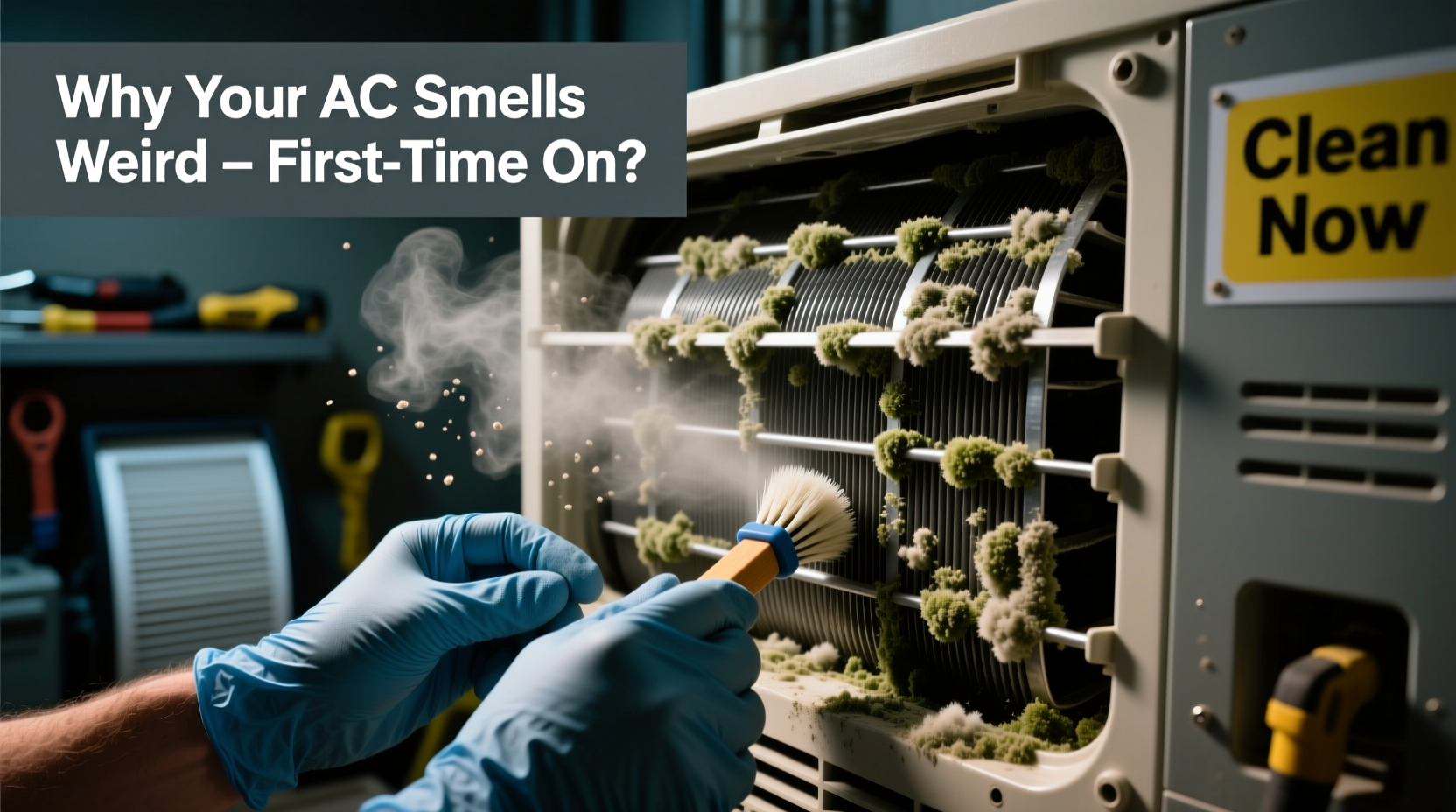
When an air conditioner sits idle—especially during colder months—moisture, dust, and organic matter accumulate inside its components. Upon startup, airflow stirs up these contaminants, releasing trapped odors into your living space. The specific scent often points to a particular cause:
- Mold or mildew (musty, earthy smell): The most frequent culprit. Moisture condenses on evaporator coils and collects in the drain pan. If not drained properly, this stagnant water becomes a breeding ground for mold and bacteria.
- Dirty sock syndrome (damp, sour odor): A variation of microbial growth, often caused by specific types of bacteria thriving in cool, dark environments like the coil surface.
- Burning or electrical smell (acrid, metallic): Indicates overheating components, such as a failing motor, frayed wiring, or dust burning off heating elements in heat pump systems.
- Rotten egg or sewage smell (foul, sulfuric): Rare but serious. May indicate a sewer gas leak from dry plumbing traps or, in extreme cases, a natural gas leak—requiring immediate attention.
- Chemical or formaldehyde-like odor: Could stem from off-gassing insulation near ductwork, degraded refrigerant leaks, or new materials used in nearby renovations.
“Odors from an AC unit are rarely harmless nuisances. They’re early warning signs of moisture, contamination, or mechanical stress.” — Dr. Linda Chen, Indoor Air Quality Specialist, ASHRAE
Step-by-Step Guide to Diagnose and Eliminate AC Smells
Addressing AC odors requires a methodical approach. Rushing to mask smells with air fresheners only delays necessary fixes. Follow this timeline to identify and resolve the root cause.
- Turn off the system immediately if you detect a burning or rotten egg smell. Safety first: electrical faults or gas leaks pose real risks.
- Inspect the air filter. A clogged, dirty filter restricts airflow and traps moisture and debris. Replace it if it’s discolored or feels damp.
- Check the condensate drain line. Use a wet/dry vacuum or flush it with a mixture of vinegar and water to clear algae or sludge buildup causing blockages.
- Examine the drain pan. Look for standing water or visible mold. Clean it with a solution of 1 part bleach to 10 parts water, then rinse thoroughly.
- Inspect the evaporator coil. Located behind the air handler access panel, this coil often harbors mold. If heavily soiled, professional cleaning with a no-rinse biocide is recommended.
- Listen for unusual noises. Grinding, buzzing, or screeching sounds may point to motor or blower issues contributing to odors.
- Test airflow from vents. Weak or inconsistent airflow suggests duct contamination or blockage.
- Schedule a professional HVAC inspection. For persistent odors or suspected refrigerant/electrical issues, certified technicians have the tools and expertise to diagnose safely.
Prevention Checklist: Keep Your AC Fresh Year-Round
Preventing odors is far easier than eliminating them. Integrate these actions into your seasonal home maintenance routine to maintain clean, odor-free cooling.
- ✅ Replace air filters every 1–3 months, especially before summer starts.
- ✅ Schedule annual HVAC maintenance with a licensed technician.
- ✅ Clean or replace the condensate drain line and pan each spring.
- ✅ Install a UV-C light near the evaporator coil to inhibit microbial growth.
- ✅ Ensure proper drainage slope and use algaecide tablets in the drain line.
- ✅ Seal and insulate ducts to prevent moisture intrusion and dust accumulation.
- ✅ Keep outdoor units clear of debris, leaves, and vegetation.
- ✅ Monitor humidity levels; aim to keep indoor RH between 40–50% to discourage mold.
Do’s and Don’ts When Dealing with AC Smells
| Do’s | Don’ts |
|---|---|
| Replace filters regularly with high-MERV-rated options if allergies are a concern. | Ignore persistent musty smells—they won’t go away on their own. |
| Use HVAC-safe antimicrobial sprays only after identifying the source. | Spray air fresheners directly into return vents—this can damage sensors and worsen IAQ. |
| Install a smart thermostat to monitor system runtime and humidity trends. | Attempt to repair refrigerant lines or electrical components yourself. |
| Vacuum around indoor units to reduce dust entry. | Let standing water sit in the drain pan for more than 24 hours. |
| Keep registers unobstructed for consistent airflow and drying. | Run the AC continuously without breaks—cycles allow internal drying. |
Real Example: How One Homeowner Fixed a Chronic Musty AC Problem
Mark, a homeowner in Atlanta, noticed a recurring damp sock smell every spring when he restarted his central AC. He replaced filters and cleaned visible grilles, but the odor returned within days. Frustrated, he called an HVAC specialist who discovered a partially clogged condensate line and a cracked secondary drain pan. Algae had built up inside the line, and water was pooling beneath the primary pan, creating a hidden reservoir for mold.
The technician flushed the drain line, replaced the damaged pan, and applied a foaming coil cleaner. As a long-term fix, they installed a UV germicidal lamp inside the air handler. Mark now changes his filter monthly during peak season and runs the fan for 30 minutes daily in shoulder months. Two years later, the smell hasn’t returned, and his energy bills dropped by 12% due to improved airflow.
Frequently Asked Questions
Why does my AC smell bad only the first few minutes?
This is typically due to accumulated moisture and microbial growth on the evaporator coil or in the drain system. When the unit starts, airflow releases trapped volatile organic compounds (VOCs) from mold or bacteria. Once the coil warms slightly and dries, the odor often diminishes. However, repeated occurrences mean the issue isn’t resolved and needs attention.
Can a dirty duct system cause AC odors?
Yes. Ducts can harbor mold, pet dander, rodent droppings, or decomposing insects—especially if there are leaks or moisture infiltration. While less common than coil-related smells, contaminated ductwork can emit musty, dusty, or foul odors when the system turns on. Professional duct cleaning may be necessary if other sources are ruled out.
Is it safe to breathe air from a smelly AC?
Occasional, mild odors during startup are usually not dangerous but indicate poor indoor air quality. Persistent moldy or chemical smells can trigger allergies, asthma, or respiratory irritation. Long-term exposure to microbial VOCs may affect sensitive individuals. Resolving the source is essential for health and comfort.
Expert-Recommended Solutions for Lasting Freshness
Beyond basic maintenance, several advanced strategies enhance air quality and prevent odor recurrence:
- UV-C Light Installation: Positioned near the evaporator coil, ultraviolet lights kill mold, bacteria, and viruses on contact. They require minimal maintenance and operate silently.
- Antimicrobial Coatings: Some HVAC companies apply hydrophobic, anti-microbial treatments to coils that resist mold adhesion and make cleaning easier.
- Duct Sanitization: Using fogging machines, technicians can apply EPA-approved sanitizers throughout the duct system to eliminate biological contaminants.
- Dehumidifier Integration: Whole-house dehumidifiers paired with your AC help maintain optimal humidity, reducing conditions favorable to microbial growth.
“Think of your AC as part of your home’s respiratory system. What you breathe starts there. Regular hygiene isn’t optional—it’s essential.” — Carlos Mendez, NATE-Certified HVAC Technician
Conclusion: Take Action for Cleaner, Healthier Air
Strange smells from your air conditioner at startup aren’t something to ignore or mask. They reflect real conditions within your HVAC system—often involving moisture, microbial growth, or mechanical wear. By understanding the causes and taking proactive steps, you restore not just freshness but also efficiency and safety. Simple habits like changing filters and checking drains go a long way. For persistent or severe odors, don’t hesitate to call in professionals. Clean air is a cornerstone of a healthy home, and your AC should support that goal—not undermine it.




 浙公网安备
33010002000092号
浙公网安备
33010002000092号 浙B2-20120091-4
Comments
No comments yet. Why don't you start the discussion?