
There’s nothing more frustrating than walking into a sweltering home only to find your air conditioner has shut down unexpectedly—again. One minute it's humming along, cooling the space evenly; the next, silence. No warning, no error code, just heat creeping back in. While it might be tempting to call a technician immediately, many cases of random AC shutdowns stem from simple, fixable issues that homeowners can address themselves.
Understanding the root causes behind unexpected AC shutdowns empowers you to take control of your indoor comfort. From clogged filters to faulty thermostats and electrical problems, this guide breaks down the most frequent culprits, explains how they affect system performance, and provides practical, step-by-step solutions you can try before scheduling a service call.
How Your Air Conditioner Works: A Quick Overview
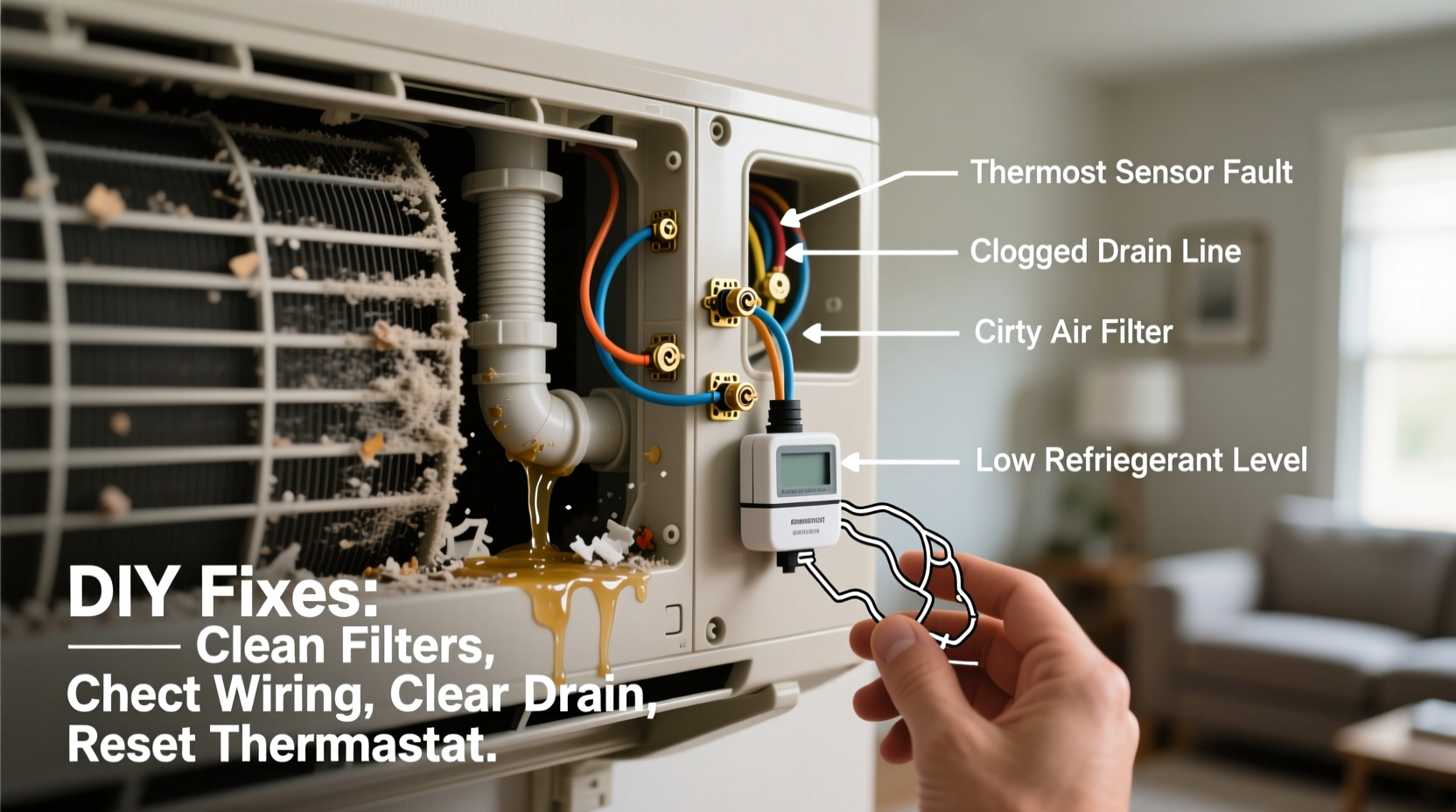
To diagnose why an AC shuts off unexpectedly, it helps to understand the basic components and their roles:
- Thermostat: Acts as the command center, signaling the AC when to turn on or off based on temperature settings.
- Air Filter: Traps dust and debris, protecting internal components and ensuring proper airflow.
- Evaporator Coil: Located indoors, absorbs heat from the air using refrigerant.
- Condenser Unit: Sits outside and releases the absorbed heat into the environment.
- Circuit Breaker/Fuse: Protects the system from electrical overloads.
- Fan Motor & Compressor: Critical for circulating air and maintaining refrigerant pressure.
When any of these parts fail or operate under stress, safety mechanisms may trigger automatic shutdowns to prevent damage. These protective responses are often misunderstood as malfunctions, but they’re actually signs the system is doing its job—just under compromised conditions.
Common Reasons Why Your AC Turns Off Randomly
Random shutdowns rarely happen without cause. Below are the top five reasons homeowners experience unexplained AC stoppages—and what each one means for your system.
1. Dirty or Clogged Air Filter
One of the most overlooked yet impactful issues is a dirty air filter. When airflow is restricted due to a clogged filter, the evaporator coil can freeze over. This reduces efficiency and triggers the system’s low-pressure switch, forcing a shutdown.
2. Thermostat Malfunction or Misplacement
If your thermostat reads inaccurate temperatures or is placed near heat sources (like lamps or direct sunlight), it may send false signals. For example, if the thermostat senses cooler air than the rest of the room, it tells the AC to shut off—even if the actual space remains hot.
3. Tripped Circuit Breaker or Electrical Issues
The outdoor condenser unit draws significant power. Overloaded circuits, loose wiring, or aging breakers can trip during peak operation, cutting power mid-cycle. If the breaker trips repeatedly, it indicates a deeper electrical issue.
4. Frozen Evaporator Coil
Beyond restricted airflow, low refrigerant levels or blocked ducts can cause the evaporator coil to drop below freezing. Ice buildup insulates the coil, preventing heat exchange. Once enough ice accumulates, the system shuts down to avoid compressor damage.
5. Overheating Compressor or Fan Motor
The compressor is the heart of your AC. If it overheats due to poor ventilation, dirt buildup, or worn bearings, built-in thermal overload protectors will shut it down. Similarly, a failing fan motor in the outdoor unit can’t dissipate heat effectively, leading to repeated cycling.
“Over 60% of emergency AC calls we receive are related to preventable maintenance issues—especially dirty filters and blocked condenser units.” — Carlos Mendez, HVAC Technician with 15 years of field experience
Detailed DIY Fixes You Can Try Today
Before calling for professional help, consider these targeted troubleshooting steps. Many homeowners resolve their AC issues with minimal tools and about 30 minutes of effort.
Step-by-Step Guide: Diagnosing and Fixing Random Shutdowns
- Check the Thermostat Settings
Ensure it’s set to “Cool” mode and the desired temperature is lower than the current room reading. Switch to “Auto” fan setting instead of “On,” which runs continuously and can mask cycling problems. - Inspect and Replace the Air Filter
Locate the return air grille—usually on a wall or ceiling. Remove the filter and hold it up to light. If you can’t see through it, replace it immediately. Use the correct size and MERV rating recommended by your system’s manual. - Reset the Circuit Breaker
Go to your electrical panel and locate the double-pole breaker labeled “AC” or “HVAC.” Turn it fully off, wait 30 seconds, then turn it back on. Listen for the outdoor unit to restart after a few minutes. - Clean the Outdoor Condenser Unit
Turn off power at the disconnect box near the unit. Remove leaves, grass clippings, and debris around the base. Use a garden hose (not a pressure washer) to gently spray dirt off the fins from the outside in. Avoid bending the delicate fins. - Check for Ice Buildup
If the indoor unit is leaking water or you hear gurgling sounds, there may be ice inside. Turn off the system completely and let it thaw for 4–6 hours. Once melted, check airflow again and inspect the filter. - Test the Thermostat
Remove the thermostat cover and ensure wires are securely connected. For digital models, replace batteries. To test accuracy, place a separate thermometer next to the thermostat and compare readings after 15 minutes.
Preventive Maintenance Checklist
Regular upkeep significantly reduces the risk of random shutdowns. Use this monthly and seasonal checklist to keep your AC running smoothly.
| Task | Frequency | Tools Needed | Notes |
|---|---|---|---|
| Replace air filter | Every 1–3 months | New filter | Pet owners or allergy sufferers should change filters monthly. |
| Clean condenser coils | Once per cooling season | Garden hose, fin comb | Do not bend aluminum fins; use a fin comb to straighten minor bends. |
| Clear debris around outdoor unit | Monthly during summer | Gloves, brush | Maintain at least 2 feet of clearance on all sides. |
| Inspect thermostat performance | Biannually | Digital thermometer | Calibrate or upgrade if discrepancies exceed 2°F. |
| Lubricate motor bearings (if applicable) | Annually | SAE 20 oil | Only for older systems with oil ports; modern units are sealed. |
Real Example: How Sarah Fixed Her AC Without a Service Call
Sarah, a homeowner in Phoenix, noticed her AC would run for 10 minutes, then shut off abruptly—only to restart an hour later. She called a technician, who quoted $275 for diagnostics. Before agreeing, she decided to investigate herself.
She started by replacing the dusty air filter, but the problem persisted. Next, she checked the circuit breaker—it was on, but the outdoor unit was covered in desert dust and partially shaded by overgrown shrubs. After trimming the plants and rinsing the condenser, she reset the breaker.
The AC ran normally for two full cycles. Then, during a follow-up inspection, she spotted ice forming near the indoor air handler. She turned off the system and waited six hours for it to defrost. When it restarted, airflow improved dramatically. Later, a technician confirmed slightly low refrigerant—a leak that needed sealing—but credited Sarah’s cleaning efforts with restoring temporary function and avoiding immediate repair costs.
Sarah saved hundreds by identifying multiple contributing factors early and taking safe, proactive steps.
When to Call a Professional
While many shutdowns stem from simple causes, some issues require expert diagnosis and handling:
- Refrigerant leaks (handling requires EPA-certified technicians)
- Frequent breaker tripping despite clean components
- Burning smells or visible smoke from the unit
- Unusual noises like grinding, screeching, or clicking
- AC runs but doesn’t cool, even after troubleshooting
Attempting to repair electrical components or refrigerant lines without training can lead to injury, further damage, or voided warranties. Licensed HVAC professionals have the tools and knowledge to safely address complex failures.
Frequently Asked Questions
Why does my AC turn off after 5–10 minutes?
This short-cycling behavior often results from overheating, refrigerant issues, or a malfunctioning thermostat. Restricted airflow from a dirty filter or frozen coil can also cause premature shutdowns. Start by checking the filter and outdoor unit cleanliness.
Can a dirty outdoor unit cause the AC to shut off?
Yes. If the condenser coil is coated in dirt or blocked by vegetation, it can’t release heat efficiently. The system works harder, increases internal pressure, and eventually trips safety switches. Keeping the area around the unit clear and clean is essential for reliable operation.
Is it normal for the AC to turn off automatically?
Yes—if it reaches the set temperature and the space is properly cooled. However, if it shuts off while the room is still warm, or fails to restart promptly, that indicates a problem with sensors, airflow, or mechanical components.
Conclusion: Take Control of Your Cooling System
Your air conditioner shouldn’t leave you guessing when it will cut out. Most random shutdowns are symptoms of neglect or easily corrected oversights—not terminal failures. By understanding how your system operates and performing routine checks, you can prevent disruptions, extend equipment life, and maintain consistent comfort throughout the year.
Start today: replace the filter, clear the area around the outdoor unit, and verify thermostat settings. These small actions often make the biggest difference. Don’t wait for extreme heat to expose hidden flaws in your cooling system.




 浙公网安备
33010002000092号
浙公网安备
33010002000092号 浙B2-20120091-4
Comments
No comments yet. Why don't you start the discussion?